
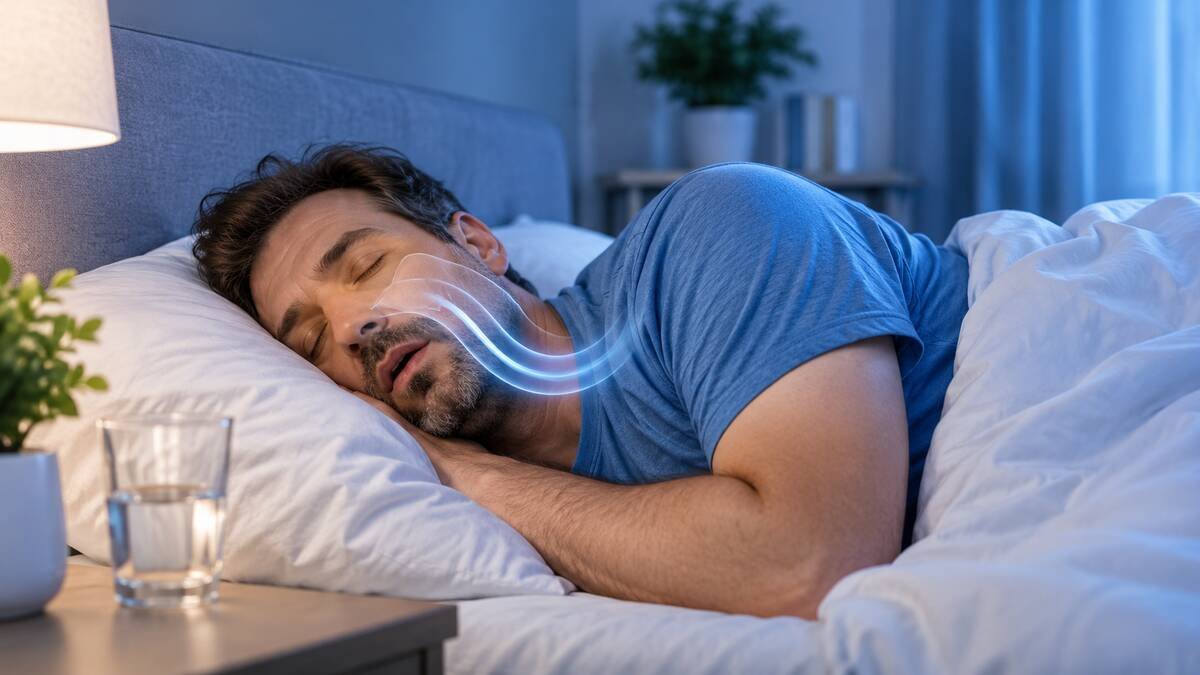

If you snore less, wake up feeling better, or no longer hear about breathing pauses from your partner, does that mean your sleep apnea is gone? It is a hopeful thought, and many people ask it. Sleep apnea is a sleep-related breathing disorder in which breathing repeatedly pauses or becomes shallow during sleep.
The short answer is that sleep apnea can sometimes improve when its underlying cause changes, but it does not reliably go away on its own. Mild childhood obstructive sleep apnea may improve as a child grows, while adult sleep apnea is less likely to resolve without addressing contributing factors. Feeling better is encouraging, yet only a medical evaluation can confirm whether the condition has actually resolved.
This article explains when improvement is possible, which factors matter, and how the different types of sleep apnea compare. You will also learn how doctors confirm recovery, what lifestyle changes can and cannot do, and when to see a healthcare professional.
Can Sleep Apnea Go Away on Its Own?
Quick answer: Sleep apnea can sometimes improve without direct treatment, particularly in children with mild obstructive sleep apnea. However, it does not usually disappear on its own in adults. Improvement depends on the underlying cause, and a follow-up sleep study may be needed to confirm whether the condition has resolved.
Sleep apnea is generally treated as a condition that needs evaluation and management. The NHS describes treatment and lifestyle changes as the usual path, rather than waiting for it to clear up. How likely it is to improve depends on what is causing it.
Symptoms can also rise and fall over time. A few quieter nights do not prove that breathing interruptions have stopped, and reduced snoring does not always mean the airway is open. It helps to separate two ideas: symptom improvement, which is common and welcome, and complete resolution, which needs objective testing to confirm.
Does Sleep Apnea Ever Resolve Without Treatment?
The answer depends on age, the type of sleep apnea, and how severe it is.
Adults
Adult obstructive sleep apnea (OSA) may improve when contributing factors change. Some people notice fewer symptoms after meaningful lifestyle or health changes. However, structural airway features can keep causing breathing interruptions even when someone feels better.
Adults should not assume sleep apnea has disappeared without medical confirmation. Our guide on how common sleep apnea is shows why many cases stay unnoticed.
Children
Children are different. According to the Mayo Clinic, some children with mild to moderate obstructive sleep apnea may outgrow it, and a healthcare professional may suggest closely watching a child for up to six months to see if symptoms get better. Possible reasons include changes in tonsil and adenoid size relative to the airway, less airway inflammation, and changes in breathing during sleep.
Moderate or severe childhood sleep apnea needs appropriate medical assessment and management. Adenotonsillectomy (surgery to remove the tonsils and adenoids) is often a treatment option for these children, and the American Academy of Pediatrics guideline lists it as first-line treatment for uncomplicated cases.
Factors That May Help Sleep Apnea Improve
Several factors may lessen symptoms or severity. None is guaranteed, and none replaces a medical plan.
1. Changes in Body Weight
Excess body weight can contribute to OSA in some people because fatty tissue around the neck and upper airway may narrow the airway. In one longitudinal study discussed in a Cleveland Clinic Journal of Medicine review, a 10% weight loss was linked to about a 26% drop in the apnea-hypopnea index (AHI).
Still, improvement is not guaranteed. The NHLBI notes that some people continue to have sleep apnea even after losing weight. Weight loss is also not necessary or appropriate for everyone with sleep apnea.
2. Changes in Tonsils and Adenoids in Children
Enlarged tonsils and adenoids are a main risk factor for pediatric OSA, as the Mayo Clinic explains. As children grow, the airway develops and these tissues may change in relation to it, which can influence symptoms.
3. Reduced Nasal Congestion
Allergies, inflammation, and congestion can make breathing during sleep less comfortable. Managing an underlying nasal condition may ease some symptoms, but it does not necessarily eliminate sleep apnea.
4. Changes in Sleep Position
Some people have positional sleep apnea, meaning breathing interruptions are more frequent when they sleep on their backs. Side sleeping may help in these cases. It is not a substitute for prescribed treatment.
5. Addressing Contributing Health Conditions
Managing relevant medical conditions and following your clinician’s advice may improve sleep-related breathing. Our article on what causes sleep apnea explains how different conditions fit in.
Can Different Types of Sleep Apnea Go Away?
There are three main types, and they should not be treated as identical.
1. Obstructive Sleep Apnea (OSA)
OSA happens when the upper airway repeatedly becomes partly or fully blocked during sleep. Common contributing factors include body weight, airway anatomy, age, and nasal problems. Symptoms may improve when a contributing factor changes, but anatomical factors can persist, so some people need ongoing treatment. See our guide to sleep apnea risk factors for more.
2. Central Sleep Apnea (CSA)
CSA occurs when the brain does not consistently send the right signals to control breathing. According to the NHLBI, health conditions that affect brain control of breathing can raise risk. Addressing an underlying cause may help some people, but CSA needs medical evaluation rather than waiting for it to resolve.
3. Complex or Treatment-Emergent Sleep Apnea
Sometimes central breathing events appear or continue during treatment for obstructive sleep apnea. This is called complex or treatment-emergent sleep apnea. Healthcare professionals reassess and adjust treatment when it occurs, as described by the Mayo Clinic.
Why Sleep Apnea Usually Doesn’t Disappear Without Treatment
Sleep apnea can continue even when you feel better. Several things may keep it going:
- Airway anatomy and structural differences that do not change
- Ongoing health conditions that contribute
- Age-related changes in the airway and in breathing control
- Breathing interruptions that happen only in certain positions
- Events you are not aware of during sleep
Feeling rested is not the same as having normal breathing at night. Untreated sleep apnea can affect sleep quality and overall health even when daytime symptoms seem manageable.
Signs Your Sleep Apnea May Be Improving
Certain changes may suggest improvement, but symptoms alone cannot confirm recovery. You might notice:
- Less frequent loud snoring
- Less nighttime gasping or choking
- Fewer breathing pauses noticed by a sleeping partner
- Better daytime alertness
- Less morning grogginess
- Better perceived sleep quality
These signs are encouraging. They are not proof that sleep apnea has disappeared.
Important: Do not stop prescribed CPAP or other treatment because your symptoms have improved. Talk with your healthcare professional first.
How Do You Know If Sleep Apnea Has Gone Away?
Objective testing is the most reliable way to find out. A healthcare professional may recommend repeat sleep testing to check whether sleep apnea has improved or resolved.
1. Medical Review
Your clinician will look at your symptoms, treatment history, health changes, and risk factors.
2. Overnight Sleep Study
Polysomnography records breathing, oxygen levels, heart rate, and sleep patterns overnight, as described in the AASM diagnostic testing guideline.
3. Home Sleep Apnea Testing
Some eligible adults may be assessed with an appropriate home sleep apnea test instead. Our guide on how sleep apnea is diagnosed compares the two.
4. Reviewing the Results
The apnea-hypopnea index (AHI) measures how often breathing interruptions occur per hour of sleep. Clinicians interpret it alongside your symptoms and medical history, not on its own.
Can Lifestyle Changes Help Sleep Apnea?
Healthy habits may improve sleep apnea management, but they are not guaranteed cures. The NHLBI lists regular physical activity, healthy sleep habits, a healthy weight, limiting alcohol and caffeine, and quitting smoking as helpful lifestyle changes. It adds that PAP machines often work best when paired with them.
Practical areas include:
- Weight management: Use individualized, medically appropriate approaches when excess weight contributes. See our overview of weight management.
- Regular activity: It supports overall health and sleep quality.
- Sleep position: Side sleeping may help people with positional OSA.
- Sleep schedule: Keep consistent sleep and wake times. Our guide on how to improve sleep can help.
- Nasal health: Manage allergies and congestion appropriately.
- Smoke exposure: Smoking and secondhand smoke can irritate the airway.
- Alcohol: It can worsen airway relaxation during sleep.
Lifestyle changes should complement, not automatically replace, prescribed treatment. For more detail, read how to manage sleep apnea at home and whether it can be prevented.
What Happens If Sleep Apnea Is Left Untreated?
Persistent symptoms deserve attention. According to the NHLBI, sleep apnea may raise the risk for high blood pressure, diabetes, heart disease, and stroke.
Untreated sleep apnea may also lead to:
- Poor sleep quality and excessive daytime sleepiness
- Trouble concentrating, and mood or memory difficulties
- Higher blood pressure
- Greater cardiovascular risk, as the American Heart Association describes
Daytime sleepiness can also affect safety, especially when driving or doing tasks that need attention. The goal is not to cause worry but to show why diagnosis and appropriate care matter. Our overview of sleep apnea treatment options explains the choices.
When Should You See a Doctor?
See a healthcare professional if you notice:
- Frequent loud snoring
- Pauses in breathing during sleep that someone has seen
- Waking up gasping or choking
- Persistent daytime sleepiness
- Morning headaches
- Trouble concentrating
- Symptoms that continue despite lifestyle changes
Our guide to the early signs of sleep apnea can help you recognize them. Parents should seek pediatric evaluation if a child regularly snores, sleeps restlessly, or seems to have trouble breathing during sleep.
If you already have a diagnosis, talk with your healthcare professional before changing or stopping therapy.
Frequently Asked Questions About Sleep Apnea Going Away
Can sleep apnea go away naturally?
Some cases may improve naturally, especially mild childhood obstructive sleep apnea. Adult sleep apnea is less likely to disappear without addressing contributing factors. A medical evaluation can tell you which applies to you.
How long does it take for sleep apnea to go away?
There is no universal timeline. Improvement depends on the underlying cause, severity, age, and treatment approach. For some children, clinicians may watch symptoms for up to six months, according to the Mayo Clinic.
Can losing weight make sleep apnea disappear?
Weight management may improve obstructive sleep apnea significantly in some people, but it does not guarantee complete resolution. The NHLBI notes that some people still have sleep apnea after losing weight.
Can mild sleep apnea resolve without treatment?
Some mild cases may improve, but medical evaluation is still important. Your clinician can decide whether monitoring or treatment is appropriate.
Can children outgrow sleep apnea?
Some children with mild obstructive sleep apnea may improve as they grow. Others need treatment and follow-up, so a pediatric healthcare professional should guide the plan.
Does sleeping on your side cure sleep apnea?
Side sleeping may reduce breathing interruptions in positional OSA. It does not cure every type of sleep apnea.
Can sleep apnea return after it goes away?
Yes. Sleep apnea can come back if contributing factors return or change, such as weight, age, or health conditions. Follow-up with your healthcare professional is important.
Final Thoughts: Can Sleep Apnea Go Away on Its Own?
Sleep apnea can sometimes improve, but you should not assume it will disappear on its own. The outlook depends on the type of sleep apnea, its underlying cause, and individual health factors.
If your symptoms improve, talk with your healthcare professional about repeat testing and keep following your recommended treatment. Feeling better is encouraging, but objective testing is the most reliable way to know whether sleep apnea has resolved.
Sources
- National Heart, Lung, and Blood Institute. Sleep Apnea Treatment.
- National Heart, Lung, and Blood Institute. Sleep Apnea Causes and Risk Factors.
- National Heart, Lung, and Blood Institute. Sleep Apnea Research.
- Mayo Clinic. Pediatric Sleep Apnea: Diagnosis and Treatment.
- Mayo Clinic. Pediatric Sleep Apnea: Symptoms and Causes.
- Mayo Clinic. Sleep Apnea: Symptoms and Causes.
- American Academy of Pediatrics. Diagnosis and Management of Childhood Obstructive Sleep Apnea Syndrome. Pediatrics, 2012.
- American Academy of Sleep Medicine. Clinical Practice Guideline for Diagnostic Testing for Adult Obstructive Sleep Apnea.
- Cleveland Clinic Journal of Medicine. Conservative and medical treatments for obstructive sleep apnea. 2023.
- American Heart Association. Sleep apnea worsens heart disease, yet often untreated.
- National Health Service (NHS). Sleep Apnoea.
Medical Disclaimer: This article is for educational purposes only and should not replace professional medical advice, diagnosis, or treatment. Do not stop or change prescribed treatment without talking with your healthcare professional. If you experience symptoms associated with sleep apnea, consult a qualified healthcare professional. If you have severe breathing difficulty, chest pain, or another medical emergency, call 911 or your local emergency number right away.
1 thought on “Can Sleep Apnea Go Away on Its Own? What You Should Know”
Comments are closed.