
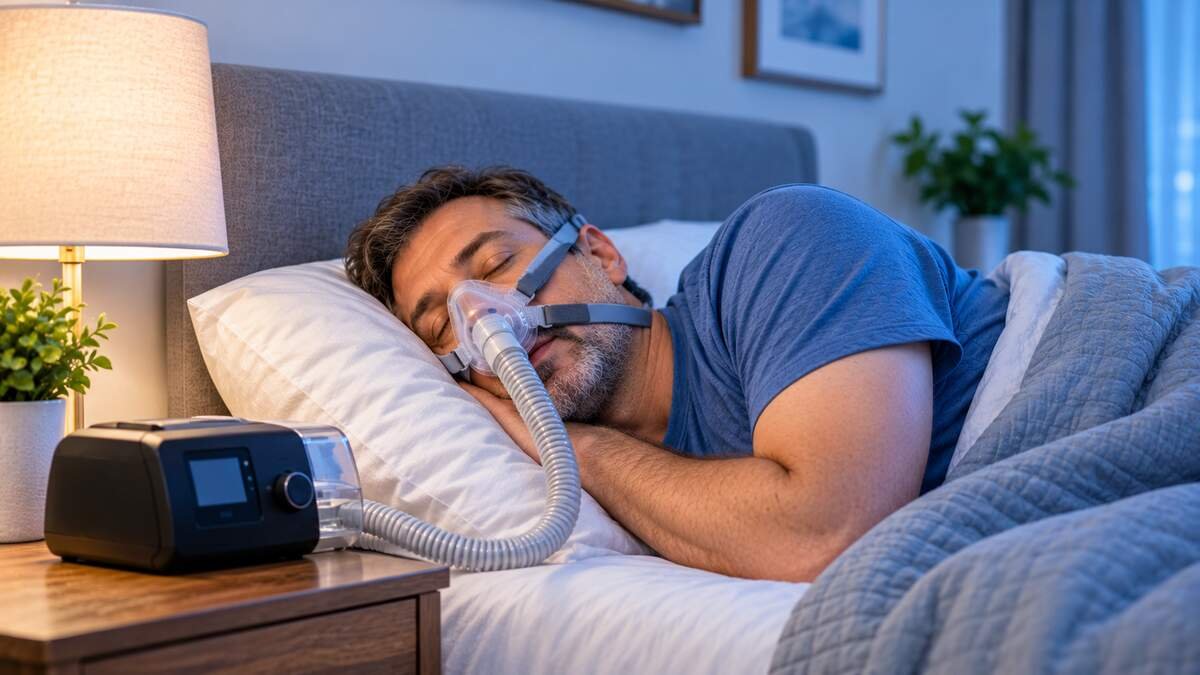

You spend a full night in bed, yet you wake up feeling as if you barely slept. For many people, this frustrating pattern is linked to sleep apnea, a sleep disorder in which breathing repeatedly stops and restarts during sleep.
Living with sleep apnea can affect much more than your nights. Interrupted sleep may drain your daytime energy, make it harder to concentrate, and wear on your mood, relationships, and overall well-being. The encouraging news is that appropriate treatment and consistent management can make everyday life easier.
This practical guide explains how to manage sleep apnea at home alongside your prescribed treatment. You will learn how to get comfortable with CPAP therapy, build supportive habits, prepare for travel, and stay on top of your long-term health. It offers general information, so your healthcare professional’s advice for your situation comes first.
Understanding Everyday Life With Sleep Apnea
Sleep apnea causes pauses in breathing or periods of shallow breathing while you sleep. These events can lower the amount of oxygen your body receives. Your brain may briefly rouse you to restore normal breathing, often so briefly that you do not remember it.
When this happens again and again, sleep becomes fragmented. You may be in bed for eight hours but still miss out on restful, continuous sleep. That is why symptoms often show up during the day as well as at night.
Common symptoms include:
- Loud snoring
- Gasping, snorting, or choking noises during sleep
- Breathing pauses that someone else notices
- Frequent waking
- Morning headaches
- Daytime sleepiness or tiredness
- Trouble concentrating and mood swings
Not everyone has every symptom, and not everyone who snores has sleep apnea. Our guide to the early signs of sleep apnea covers these clues in more detail. A sleep study is needed to confirm a diagnosis.
Obstructive vs. Central Sleep Apnea
Obstructive sleep apnea (OSA) is the most common type. It happens when the upper airway narrows or becomes blocked during sleep. Central sleep apnea (CSA) happens when the brain does not send the signals needed to breathe, sometimes because of another health condition or certain medicines.
The two types can occur together, and their treatment can differ. Severity, symptoms, anatomy, other health conditions, and personal preferences also shape each person’s experience. You can read more about what causes sleep apnea and its risk factors.
Sleep apnea is a manageable medical condition, but it should not be ignored. It often needs long-term care, even when you start to feel better.
How Sleep Apnea Can Affect Your Everyday Routine
Untreated or inadequately treated sleep apnea can make ordinary tasks feel harder. The effects vary widely, and some people notice them only gradually.
Daytime Fatigue and Low Energy
Persistent tiredness is one of the most familiar challenges. You might struggle to stay alert during meetings, while reading, or while watching TV. Errands, exercise, and social plans may also feel like more effort than they should.
Sleep apnea is only one of many possible causes of fatigue. If tiredness continues, ask your provider to look for other explanations too.
Concentration and Memory Problems
Broken sleep can make it harder to focus on work or studies. You may feel forgetful, lose your train of thought, or react more slowly than usual. Writing down tasks and tackling demanding work when you feel most alert can help while you get treatment established.
Mood and Emotional Well-Being
Poor-quality sleep can leave you irritable, frustrated, or low. There is a close, two-way relationship between sleep and mental health. Tell a healthcare professional if mood changes persist or interfere with daily life.
Relationships and Social Life
Snoring and restless nights can disturb a bed partner’s sleep. Some couples sleep in separate rooms for a while, which can feel discouraging.
Open communication helps. Explain that these symptoms come from a medical condition, and consider inviting your partner to an appointment. Partners and family members can describe what they notice at night and offer support as you adjust to treatment.
Work and Daily Responsibilities
Sleepiness can reduce productivity and raise the risk of mistakes. It matters most during activities that require full attention, such as driving or operating machinery. According to the National Heart, Lung, and Blood Institute (NHLBI), untreated sleep apnea raises crash risk, and you should not drive when you feel tired or sleepy.
Effective treatment can help improve sleep quality and daytime functioning. If excessive sleepiness is affecting your job or safety, raise it with your provider promptly.
Why Consistent Sleep Apnea Treatment Matters
Sleep apnea management depends on the type and severity of your condition, along with your health and circumstances. Your provider can explain which sleep apnea treatment options fit your situation.
Continuous Positive Airway Pressure (CPAP) Therapy
A CPAP machine delivers pressurized air through a hose and mask. The steady pressure helps keep your airway open while you sleep. It is the most widely used treatment for OSA.
CPAP works only while you use it. NHLBI advises people to use their positive airway pressure machine for all sleep, including naps. Follow your prescribed instructions, and do not change pressure settings without professional guidance.
Compared with no treatment, positive airway pressure can reduce disease severity, sleepiness, and blood pressure and improve sleep-related quality of life. Individual results vary.
APAP and BPAP Devices
Other positive airway pressure devices work a little differently:
- CPAP provides a set, continuous pressure.
- APAP (auto-adjusting positive airway pressure) automatically adjusts pressure as you sleep.
- BPAP (bilevel positive airway pressure) uses different pressures for breathing in and breathing out.
A healthcare professional determines which device is appropriate. The American Academy of Sleep Medicine (AASM) recommends either CPAP or APAP for ongoing treatment of OSA in adults.
Oral Appliances
Custom-fit oral devices can help keep the airway open, usually by holding the lower jaw or tongue forward. A provider may suggest one for some people with OSA, including some who cannot tolerate CPAP.
Professional fitting and follow-up are important. NHLBI advises a dental check about six months after starting, then at least yearly. Report jaw discomfort, a poor fit, or symptoms that do not improve.
Other Treatment Options
Depending on your case, a specialist may discuss:
- Positional therapy to help you avoid sleeping on your back
- Exercises for the mouth and facial muscles
- Surgery, such as tonsil removal or jaw surgery
- An implanted device that stimulates the hypoglossal nerve, which controls tongue movement
- Medication for certain people
The U.S. Food and Drug Administration (FDA) has approved tirzepatide (Zepbound) for moderate to severe OSA in adults with obesity, along with a reduced-calorie diet and increased physical activity. It has important warnings and side effects, and it is not suitable for everyone. For example, people with a personal or family history of medullary thyroid cancer should not use it.
CSA may call for a different plan, such as treating an underlying cause or using specific breathing therapies. People with heart failure need particularly careful specialist assessment. Lifestyle changes alone may not adequately treat every case of sleep apnea.
How to Adjust to Using a CPAP Machine
Feeling awkward at first is common. A few practical CPAP therapy tips can make the adjustment smoother.
Find a Mask That Fits
Common styles include nasal pillows that rest at the nostrils, nasal masks that cover the nose, and full-face masks that cover the nose and mouth. The best choice depends on your breathing, facial shape, comfort, and sleep position. Ask your sleep team or equipment supplier to check the fit.
Get Used to It Gradually
Try wearing the mask while awake, for example while watching TV. At bedtime, check the fit while lying down with the machine running.
If the air pressure bothers you as you fall asleep, ask about a ramp feature, which raises pressure gradually. Putting on your mask at the same point in your nightly routine can also turn it into a habit.
Troubleshoot Common Problems
| Problem | What may help |
|---|---|
| Dry mouth | Ask about humidification or a different mask style. |
| Stuffy or runny nose | Ask about a humidifier or whether a nasal spray is appropriate. |
| Air leaks | Wash your face before bed, keep the mask clean, and have the fit checked. |
| Claustrophobia or noise | Ask about another mask or machine, or a gradual pressure ramp. |
| Trouble falling or staying asleep | Tell your provider so they can review your settings and sleep habits. |
Many machines offer heated humidification. Follow the manufacturer’s instructions for filling, emptying, and cleaning the water chamber.
Clean and Maintain Your Equipment
The FDA advises following your manufacturer’s cleaning instructions. Masks, hoses, and water tanks can usually be washed with mild soap and water and then air-dried. Never submerge the powered part of the machine.
Be cautious with products that promise to sanitize CPAP equipment using ozone or ultraviolet light. The FDA notes that these methods can damage parts, and ozone can irritate your lungs. Replace filters, masks, and tubing as recommended.
Featured tip: If CPAP feels uncomfortable, do not simply stop using it. Contact your sleep specialist about adjustments or alternative treatments. One important exception: if you develop stomach discomfort or bloating, NHLBI advises that you stop using the device and contact your provider.
Healthy Lifestyle Habits for Managing Sleep Apnea
Sleep apnea lifestyle changes can support your treatment plan. They complement medical care and do not replace prescribed therapy. For practical ideas, see how to manage sleep apnea at home.
Keep Consistent Sleep Habits
Go to bed and wake up at about the same times each day, including weekends. A regular sleep schedule and fewer nighttime disruptions give your body more opportunity to rest. NHLBI also suggests limiting caffeine as part of healthy living with sleep apnea.
Stay Physically Active
Regular activity supports heart health, mood, sleep, and weight management. Start at a level that feels manageable, such as short walks, and build gradually. Check with your provider first if you have heart disease, significant breathing problems, or other limitations.
Learn more about the benefits of exercise.
Eat a Balanced Diet and Discuss Weight
A balanced diet built around vegetables, fruits, whole grains, and protein sources supports overall health. No single food cures sleep apnea.
If you have overweight or obesity, losing weight may reduce OSA severity. People at any body size can have sleep apnea, however. Ask your provider about a realistic approach to weight management, and keep using your treatment unless they advise otherwise.
Avoid Smoking
Smoking irritates the airways and harms lung and heart health. Quitting is worthwhile for many reasons. A healthcare professional can recommend counseling, medicines, or a quitline.
Limit Alcohol, Especially Before Bed
Alcohol can relax the throat muscles and worsen obstructive sleep apnea. The NHS advises against drinking too much, particularly close to bedtime.
It also cautions that sleeping pills can worsen sleep apnea. Review sleep aids, sedatives, and opioid pain medicines with your prescriber, but do not stop a prescribed medicine on your own.
Discuss Your Sleep Position
Sleeping on your back may worsen symptoms for some people. Side sleeping may help if your provider recommends it. It is not a substitute for CPAP or another prescribed treatment.
How to Make Your Bedroom More Sleep-Friendly
A comfortable bedroom supports better sleep habits, although it does not treat sleep apnea on its own. Small, practical changes are a good place to start:
- Keep it dark and quiet. Try blackout curtains, and reduce avoidable noise.
- Set a comfortable temperature. Many people sleep better in a slightly cool room.
- Choose supportive bedding. Pick pillows that suit your preferred position and do not push your mask out of place.
- Arrange your equipment. Place the machine on a stable, level surface where you can reach the controls. Follow the manufacturer’s placement guidance, and route the hose and cords to limit tangles and trips.
- Reduce distractions. Put screens away and dim bright lights before bed.
- Create a wind-down routine. Reading, gentle stretching, or calm breathing can signal that it is time to rest.
If you share a bed, talk about noise, light, and space together. For more ideas, read our guide on how to improve sleep.
If you often lie awake despite these changes, tell your provider. Insomnia can occur alongside sleep apnea and may need its own treatment.
Traveling With Sleep Apnea
With some planning, you can usually keep treatment consistent away from home. Take your machine or oral appliance with you, even for short trips.
For air travel, keep your CPAP in your carry-on to reduce the risk of loss or damage. The Transportation Security Administration (TSA) may require you to remove it from your bag during standard screening. Check your airline’s rules before using it on board, because approval and battery requirements apply and you may not be able to rely on seat power.
Use this travel checklist before leaving home:
- Machine, mask, headgear, and tubing
- Power cord, plug adapter, and extension cord
- Spare filters and supplies
- A copy of your prescription and provider contact details
- Cleaning items and any water supplies recommended by the manufacturer
- Battery backup, if you will lack reliable power
For international trips, confirm that your power supply works with local voltage. A plug adapter changes the plug shape but does not necessarily convert voltage.
Ask your hotel or cruise line about bedside outlets. Before long journeys, camping, or high-altitude travel, ask your healthcare professional whether you need any changes to your plan.
Why Regular Sleep Apnea Follow-Ups Matter
Treatment needs can change over time. Regular checkups help confirm that your plan is still working and comfortable enough to use consistently.
Before each visit, note any changes in snoring, breathing pauses, headaches, mood, or daytime sleepiness. Bring questions about side effects, and take your machine or mask if your care team asks.
Many devices record usage, mask leaks, and breathing events. Your provider can review this data, and your insurer may use it when making coverage decisions. Treat app scores as helpful clues, not as a complete assessment of your health.
You may need another sleep study, for example after significant weight gain or loss, if symptoms return, or after certain treatments. Persistent sleepiness despite regular use also deserves review.
Tell your surgeon, anesthesia team, and dentist that you have sleep apnea before any procedure involving sedation or anesthesia. Mention it before taking pain medicine after surgery too. Ask whether you should bring your CPAP machine with you.
What Happens When Sleep Apnea Is Left Untreated?
Sleep apnea complications can reach beyond tiredness. Untreated sleep apnea is associated with several health problems, including:
- High blood pressure
- Heart disease and other cardiovascular problems
- A higher chance of stroke
- Type 2 diabetes
- Depression or mood changes
- Difficulty concentrating and accidents related to tiredness
- Reduced quality of life, including strain on relationships
These are potential risks, not inevitable outcomes. Your overall risk also depends on factors such as age, severity, blood pressure, weight, smoking, and other conditions.
It is also important to be realistic about what treatment can do. In a large randomized trial of adults with moderate to severe OSA and existing heart or blood vessel disease, adding CPAP to usual care did not reduce major cardiovascular events. Average use was only about 3.3 hours per night, and the findings do not apply to everyone.
CPAP in that trial did improve daytime sleepiness and quality of life. Keep following your treatment, and manage blood pressure, cholesterol, and blood sugar as your provider advises.
When to Seek Medical Advice
Contact your healthcare professional or sleep specialist if you notice:
- Daytime sleepiness that continues despite treatment
- Trouble tolerating your CPAP machine or oral appliance
- Worsening snoring, gasping, or breathing pauses
- Frequent morning headaches
- Ongoing sleep disturbances
- Significant weight change
- New or worsening health concerns
Call 911 for emergencies such as chest pain, severe trouble breathing, fainting, or signs of stroke. Signs of stroke include sudden face drooping, arm weakness, or speech difficulty.
If you are significantly sleepy, do not drive or operate machinery until you are alert and safe to do so. Ask your provider when it is appropriate to resume, and check any rules that apply to your license or job.
FAQs About Living With Sleep Apnea
Can you live a normal life with sleep apnea?
Many people manage sleep apnea successfully and stay active at work and at home. Consistent treatment and regular follow-ups are key. If symptoms still limit your daily life, ask your provider to review your plan.
How can I sleep better if I have sleep apnea?
Start by using your prescribed treatment as directed. Keep consistent sleep and wake times, make your bedroom dark and quiet, and limit alcohol and caffeine. Tell your provider if discomfort or insomnia keeps you awake.
Do you have to use a CPAP machine every night?
If you have been prescribed CPAP, follow your provider’s instructions. NHLBI generally advises using it every time you sleep, including naps. If that feels difficult, ask for help instead of stopping on your own.
Can lifestyle changes improve sleep apnea?
Yes, for some people. Physical activity, weight loss when appropriate, less alcohol, quitting smoking, and side sleeping may help manage symptoms. The effect varies, and many people still need medical treatment.
Does sleep apnea go away permanently?
Some cases improve substantially, for example after major weight loss or treatment of an anatomical cause. Sleep apnea can also persist or return. Do not stop treatment without medical advice and any recommended retesting. Read more about how long sleep apnea lasts.
Is sleep apnea dangerous if left untreated?
It can be. Untreated sleep apnea is linked to high blood pressure, heart disease, stroke, type 2 diabetes, and daytime sleepiness that raises accident risk. These outcomes are not certain, but diagnosis and treatment are important.
Can you travel with sleep apnea?
Yes, most people can travel with preparation and access to their prescribed equipment. Pack your supplies, check power and airline requirements, and keep your device in your carry-on when flying. Ask your provider about long or high-altitude trips.
Living Well With Sleep Apnea
Sleep apnea can affect your sleep quality, energy, and long-term health. An individualized treatment plan gives you a practical path forward.
Use CPAP consistently if it has been prescribed, support your treatment with healthy habits, and keep your follow-up appointments. If something is not working, speak up. Mask discomfort, side effects, and lingering sleepiness are worth discussing rather than ignoring.
Living with sleep apnea may require adjustments to your daily routine, but the right treatment and consistent care can make a meaningful difference. Work with your healthcare professional to find an approach that supports healthier sleep and long-term well-being.
Sources
- National Heart, Lung, and Blood Institute: What Is Sleep Apnea?
- National Heart, Lung, and Blood Institute: Living With Sleep Apnea
- National Heart, Lung, and Blood Institute: Sleep Apnea Treatment
- NHS: Sleep Apnoea
- American Academy of Sleep Medicine: Clinical Practice Guideline for PAP Treatment of Adult OSA (2019)
- American Academy of Sleep Medicine: Systematic Review of PAP Treatment for OSA (2019)
- American Academy of Sleep Medicine: New Guideline for Treating Central Sleep Apnea in Adults
- New England Journal of Medicine, via PubMed: CPAP for Prevention of Cardiovascular Events in OSA (2016)
- U.S. Food and Drug Administration: First Medication for Obstructive Sleep Apnea
- U.S. Food and Drug Administration: CPAP Machine Cleaning
- Transportation Security Administration: Nebulizers, CPAPs, BiPAPs, and APAPs
- Delta Air Lines: Medical Devices and Medication
Medical Disclaimer: This article is for general education only. It does not replace advice, diagnosis, or treatment from a qualified healthcare professional. Talk with your provider about your symptoms and treatment, and do not stop or change prescribed therapy without guidance, except as directed for urgent side effects. If you think you have a medical emergency, call 911.