
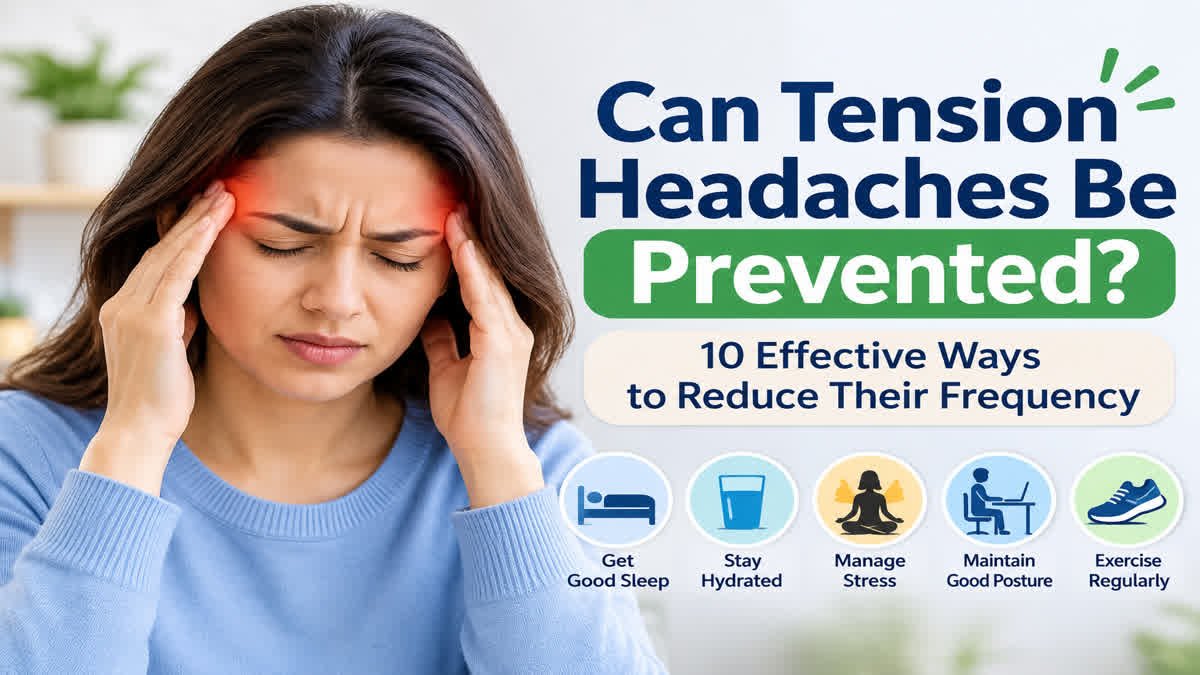

It often starts as a dull, tight pressure across your forehead, temples, or the back of your head. Maybe it shows up after a stressful workday, a long stretch at the computer, or a night of poor sleep. This pattern is typical of a tension headache, the most common type of headache.
Most people will have at least one tension headache in their lifetime, and many wonder whether the next one can be stopped before it starts. Prevention is not always possible, because the exact cause is still not fully understood. Still, learning your personal triggers and building steady daily habits can help reduce how often these headaches happen.
In this guide, you will learn what a tension headache is, which factors may trigger it, and 10 practical ways to lower your risk. You will also see when it is time to talk with a healthcare professional. The short answer to the main question: often yes, tension headaches can be reduced, but they cannot be prevented for everyone.
Can Tension Headaches Be Prevented? The Short Answer
Yes, tension headaches can often be prevented or reduced through healthy lifestyle habits and trigger management. Maintaining a consistent sleep schedule, staying hydrated, managing stress, exercising regularly, eating balanced meals, and practicing good posture may help reduce headache frequency. People experiencing frequent or chronic tension headaches should consult a healthcare professional for an appropriate prevention plan.
Many tension headaches can be made less frequent and less intense. Prevention focuses on managing personal triggers and supporting your overall physical and mental well-being, rather than chasing a single cure.
It helps to keep a realistic view. Prevention does not mean you will never have another headache. Some episodes may still happen even when you follow healthy habits, and that does not mean you did something wrong.
People with frequent or chronic headaches may need professional care and, in some cases, preventive treatment. If you want to understand the broader picture first, our guide on what causes headaches explains the main headache types.
What Is a Tension Headache?
A tension-type headache causes mild to moderate pain that is often described as a tight band around the head, according to Mayo Clinic. It is the most common primary headache type. Cleveland Clinic notes that researchers estimate more than 70% of people have episodic tension headaches, and that females are more likely to get them.
The exact cause is not known. Experts once blamed muscle contractions in the scalp, neck, and face, but current research does not support that as the cause. A common theory is that people with tension-type headaches have increased sensitivity to pain, and the muscle tenderness many people feel may be linked to that sensitivity.
Tension headaches are usually not dangerous, but you should not assume every headache is one. Our article on whether a tension headache is serious covers this in more detail.
Common symptoms of tension headaches
Tension headaches vary from person to person. Common features include:
- Dull, aching head pain
- A feeling of tightness or pressure across the forehead or on the sides and back of the head
- Tenderness in the scalp, neck, and shoulder muscles
- Pain that often affects both sides of the head
- Discomfort that is usually mild to moderate
Unlike migraine, a tension headache does not usually cause nausea or vomiting, and routine physical activity typically does not make the pain worse. Some people have mild sensitivity to light or sound, but this is less common. If you want to learn more about how these headaches begin, see our guide to the early signs of a tension headache.
Episodic vs. chronic tension headaches
Doctors classify tension-type headaches by how often they occur. The headache classification used by specialists comes from the International Headache Society.
| Type | How often it occurs | What it means for prevention |
|---|---|---|
| Infrequent episodic | Less than 1 day a month | Lifestyle habits and trigger awareness are often enough |
| Frequent episodic | 1 to 14 days a month for at least 3 months | Consistent habits, a headache diary, and a medical check-in are worthwhile |
| Chronic | 15 or more days a month for at least 3 months | Medical assessment and a structured prevention plan are recommended |
This distinction matters. Someone with occasional headaches may do well with simple lifestyle changes, while someone with frequent headaches may need a medical assessment and a more structured plan. Frequent episodic headaches can also become chronic over time.
What Causes Tension Headaches? Common Triggers to Know
Triggers differ from person to person, and no single trigger explains every case. The factors below are potential triggers or associated factors that may contribute to a headache, not proven direct causes. For a deeper look, read our guide to tension headache causes and tension headache risk factors.
Stress and emotional tension
Stress is the most commonly reported trigger for tension-type headaches. Work pressure, family responsibilities, anxiety, and long stretches without relaxation may all play a part. Many people also notice tight neck and shoulder muscles during stressful times, although tight muscles are not thought to be the sole cause.
Poor posture and prolonged screen time
Sitting in one position for too long, leaning the head forward, and using a poorly set up workstation may contribute to neck and shoulder discomfort. For some people, that discomfort seems to go along with headaches. Our guide to what causes poor posture explains common habits behind it.
Sleep disturbances and fatigue
Irregular sleep schedules, too little sleep, and poor sleep quality are commonly linked with headaches. Heavy physical or mental fatigue may also play a role.
Dehydration and irregular meals
Not drinking enough fluids, skipping meals, or going long periods without eating may trigger headaches in some people. This does not apply to everyone.
Other possible contributing factors
Other factors that may be associated with tension headaches include:
- Eye strain, which you can read about in our guide to what causes eye strain
- Jaw clenching and teeth grinding
- Too much caffeine, or caffeine withdrawal
- Certain environmental or lifestyle factors, such as noise or poor lighting
If you want to know which habits may keep headaches going once they start, see what makes tension headaches worse.
10 Effective Ways to Prevent Tension Headaches
These strategies are general lifestyle suggestions. Evidence for each one varies, and what works for one person may not work for another. You do not need to try all of them at once.
1. Manage Stress Through Relaxation Techniques
Because stress is a common trigger, finding ways to unwind is one of the most useful steps you can take. Mayo Clinic lists relaxation techniques such as deep breathing, yoga, meditation, and progressive muscle relaxation. Cognitive behavioral therapy and biofeedback training may also help some people.
Try setting aside 10 to 15 minutes a day for a relaxation activity. Short breaks during demanding tasks can help too. Our guides to how to reduce stress and the benefits of deep breathing offer simple places to start.
2. Maintain a Consistent Sleep Schedule
Regular sleep habits support your overall health and may reduce headache triggers. The CDC advises that adults get at least seven hours of sleep per night, and many people do well with seven to nine.
Try to go to bed and wake up at about the same time each day. Reduce screens before bedtime, keep your bedroom quiet and comfortable, and avoid caffeine late in the day. If sleep problems persist, talk with a healthcare professional. Our tips on how to improve sleep can help you get started.
3. Stay Hydrated Throughout the Day
Not drinking enough fluid may contribute to headaches in some people. Mayo Clinic includes drinking plenty of water among its healthy lifestyle tips for headache prevention.
Sip water regularly, keep a bottle within reach at work, and drink more when you sweat or exercise. Pay attention to thirst and to signs such as dark urine. Extra water will not prevent every tension headache, so treat it as one helpful habit among several. See our article on the benefits of hydration for more.
4. Maintain Proper Posture and Ergonomics
Long periods in a poor position may add to neck and shoulder strain. Cleveland Clinic notes that how you sit, especially for hours at a desk, can contribute to muscle stress.
A few adjustments can help:
- Keep your monitor near eye level
- Support your lower back and keep your feet flat on the floor
- Relax your shoulders and avoid pushing your head forward
- Adjust your chair and desk height to fit your body
Change positions often rather than staying seated for long stretches. Our guide to the benefits of good desk posture has more detail.
5. Take Regular Breaks From Screens
Long computer and phone sessions can lead to eye strain and muscle tension, which may contribute to discomfort. Many eye doctors recommend the 20-20-20 rule: every 20 minutes, look at something about 20 feet away for at least 20 seconds, as described by the American Academy of Ophthalmology.
Be aware that the 20-20-20 rule is an eye-comfort habit. It has not been proven as a tension headache treatment. Still, it is a simple prompt to blink more, look away, stretch your neck and shoulders, and adjust screen brightness and room lighting.
6. Exercise Regularly
Mayo Clinic states that regular exercise can help prevent tension-type headaches. Physical activity may also support stress management, sleep quality, and general health.
Good options include walking, swimming, cycling, light aerobic exercise, gentle yoga, and neck and shoulder mobility exercises. The CDC recommends at least 150 minutes of moderate-intensity activity per week for most adults. Start gradually and choose activities you enjoy, because consistency matters more than intensity. Our guide on the benefits of regular exercise can help you get moving.
7. Eat Regular Meals and Avoid Skipping Food
Irregular meals or long gaps without food may trigger headaches in some people. Mayo Clinic advises eating regular, balanced meals as part of a healthy lifestyle.
Aim for meals that include protein, whole grains, fruits, and vegetables, and try to eat at similar times each day. Keep a healthy snack handy for busy days. If you notice that long fasting windows bring on headaches, consider avoiding unnecessary prolonged fasting.
8. Monitor Caffeine Consumption
Caffeine can affect headaches in more than one way. Too much may disrupt sleep or contribute to headaches, while sudden withdrawal can cause headaches as well. Mayo Clinic suggests limiting caffeine along with alcohol and sugar.
If you drink caffeine daily and want to cut back, reduce your intake gradually. Caffeine sensitivity varies, and you do not necessarily need to eliminate it. Watching how your body responds is the most useful guide.
9. Address Neck, Shoulder, and Jaw Tension
Muscle tenderness around the neck, shoulders, and jaw often goes along with tension headaches. Helpful habits include:
- Gentle neck stretches and shoulder rolls
- Consciously relaxing your jaw and avoiding unnecessary teeth clenching
- Using a pillow that keeps your neck comfortable
- Applying a warm or cold compress to the neck and shoulders, which Cleveland Clinic says may help
Cleveland Clinic also points out that clenching or grinding your teeth, especially at night, can strain head and neck muscles, so ask a dentist about suspected grinding. Persistent muscle pain may call for an evaluation by a healthcare professional or physical therapist.
10. Keep a Headache Diary and Identify Personal Triggers
A headache diary helps you spot patterns that are hard to notice day to day. The NHS suggests that people with regular tension headaches keep a diary of how often headaches happen, how long they last, how painful they are, possible causes, and any medicines taken.
You may also record:
- Date, time, duration, and severity
- Sleep quality and stress levels
- Food, fluid, and caffeine intake
- Screen time and physical activity
- Medication use
Review your diary with a healthcare professional to look for patterns and build a prevention plan that fits you. Our guide on how to manage tension headaches at home offers more everyday strategies.
Build a Daily Routine to Help Prevent Tension Headaches
Putting these tips together is easier when you turn them into a simple routine. Here is an example you can adapt.
| Time | Suggested habit |
|---|---|
| Morning | Wake up at a consistent time, drink water, and eat breakfast |
| Work hours | Maintain good posture and take regular screen breaks |
| Afternoon | Take a short walk or do gentle stretching |
| Evening | Eat a balanced meal and limit excessive caffeine |
| Before bed | Practice relaxation and keep a consistent sleep schedule |
You do not need to change everything at once. Pick two or three manageable habits, practice them for a few weeks, and add more when they feel natural. Small, steady changes are easier to keep than a complete overhaul.
When Should You See a Doctor About Tension Headaches?
Occasional mild headaches often improve with lifestyle changes and simple self-care. Recurring or worsening headaches should not be ignored. Our guide on when to see a doctor for tension headache explains this further.
Signs that you should schedule a medical appointment
Make an appointment if you notice any of the following:
- Headaches that occur often or keep getting worse
- Headaches that interfere with work, sleep, or daily activities
- Needing pain medicine regularly (Mayo Clinic advises seeing a healthcare professional if you need medicine for tension-type headaches more than twice a week)
- A noticeable change in your usual headache pattern
- Headaches on 15 or more days a month
A clinician can confirm the type of headache and rule out other causes. You can read about how tension headaches are diagnosed to know what to expect.
Emergency warning signs
Get emergency care right away (call 911 or your local emergency number) if you have:
- A sudden, very severe headache
- A headache with weakness, numbness, confusion, fainting, seizures, or trouble speaking
- A headache with fever and a stiff neck
- A headache after a significant head injury, especially if it is getting worse
- A new severe headache with double vision, vision loss, or other serious neurological symptoms
These signs are listed by Mayo Clinic as reasons for emergency care. They should not automatically be blamed on a tension headache.
Can Medication Help Prevent Tension Headaches?
It helps to separate treating a headache that has started from preventing future ones. Over-the-counter pain relievers such as acetaminophen, aspirin, ibuprofen, or naproxen may ease occasional tension headaches when used as directed.
Using pain medicine too often can backfire. Frequent use may lead to rebound headaches, also called medication-overuse headaches, which can be hard to treat. If you find yourself reaching for pain relievers often, talk with a healthcare professional.
People with chronic tension-type headaches may be offered a daily preventive medicine. The NHS notes that amitriptyline, an antidepressant, is sometimes recommended to help prevent tension headaches. The right choice depends on headache frequency, medical history, other medications, and individual risks, so preventive medicine should only be used under medical supervision. For a wider look at care options, see our guide to tension headache treatment options.
Frequently Asked Questions About Tension Headache Prevention
1. Can tension headaches be prevented completely?
No method can guarantee complete prevention. Healthy habits and trigger management can reduce how often headaches occur and how intense they feel. If your headaches are frequent, a healthcare professional can help build a personalized plan.
2. What is the fastest way to prevent a tension headache?
There is no guaranteed instant prevention method. When you feel early tension, taking a break, relaxing your neck and shoulders, drinking water, and eating if you have skipped a meal may help some people. Pay attention to your own triggers over time.
3. Does drinking water help prevent tension headaches?
Staying hydrated may help when mild dehydration is a contributing factor. Water alone cannot prevent every tension headache, though. Mayo Clinic includes drinking plenty of water in its healthy lifestyle advice.
4. Can stress cause daily tension headaches?
Ongoing stress may contribute to frequent headaches, since stress is the most commonly reported trigger. However, daily or near-daily headaches need a medical evaluation, because other causes should be considered. Medication overuse can also play a role.
5. Does exercise help prevent tension headaches?
Regular moderate exercise may help some people have fewer headaches by supporting stress management, sleep, and overall well-being. Mayo Clinic lists regular exercise as a way to help prevent tension-type headaches. Start gradually and choose activities you enjoy.
6. When do tension headaches become chronic?
A tension-type headache is considered chronic when it occurs on 15 or more days a month for at least three months. At that point, a medical assessment and a structured prevention plan are recommended. This threshold comes from Mayo Clinic and the headache classification system.
Conclusion: Take Small Steps to Prevent Tension Headaches
Tension headaches are very common, and their frequency can often be reduced even though prevention is never guaranteed. Identifying your triggers is a strong first step. Consistent sleep, hydration, regular meals, exercise, good posture, and stress management can all support prevention.
Frequent or persistent headaches deserve professional attention. This week, start a simple headache diary and choose two or three habits from this guide. Small changes, repeated over time, can add up.
For more on daily coping, see our article on living with tension headache.
Sources
- Mayo Clinic: Tension headache, symptoms and causes
- Mayo Clinic: Tension headache, diagnosis and treatment
- Mayo Clinic: Tension headache overview and prevention
- Cleveland Clinic: Tension headaches
- Cleveland Clinic Health Essentials: Easing your tension headaches
- Cleveland Clinic Health Essentials: 10 ways to help prevent tension headaches
- NHS: Tension headaches
- International Headache Society: ICHD-3, tension-type headache
- American Academy of Ophthalmology: Computer usage and eye strain
- CDC: About sleep
- CDC: Physical activity guidelines for adults
Medical Disclaimer: This article is for general educational purposes only and is not medical advice. It does not diagnose, treat, or replace care from a qualified healthcare professional. Headaches can have many causes, and your situation may be different from what is described here. Talk with your doctor about your symptoms, medications, and prevention options. If you have a sudden, severe headache or other warning signs, seek emergency medical care right away.