
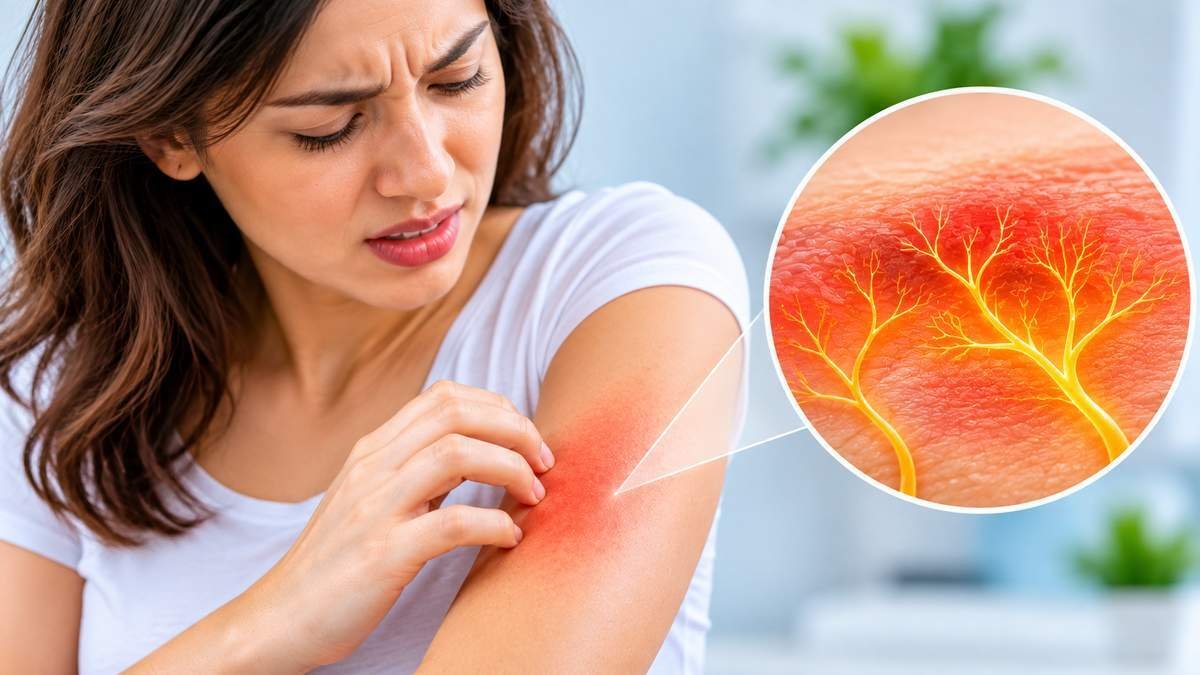

When your skin feels hot, stinging, or painfully sensitive, you want relief quickly. Burning skin can come from dryness, irritation, sun exposure, inflammation, or a problem with the nerves, and each cause calls for a different approach. The good news is that mild cases often settle with gentle, simple self-care.
The most reliable first steps are to move away from whatever is irritating the skin, cool it gently with a clean, damp cloth, and use a fragrance-free moisturizer. These measures may ease mild discomfort, but they are comfort measures rather than cures. They will not treat an infection, a serious allergic reaction, or nerve-related pain.
This guide walks through 10 home-care methods, what to avoid, and how to match your approach to the likely cause. It also explains how long relief can take and when to see a doctor. If your burning skin is persistent, unexplained, or getting worse, do not rely on home remedies alone. Our guide to what causes burning skin explains why a proper evaluation matters.
What Causes Burning Skin?
It helps to know the likely cause before choosing a remedy. A moisturizer may help dryness, but it will not treat a bacterial infection or nerve damage. Burning skin is a symptom, not a diagnosis. For a full breakdown, read our causes guide, and see what burning skin feels like if you want help describing your symptoms.
Common Skin-Related Causes
Dry or irritated skin, contact dermatitis, allergic reactions, eczema and other inflammatory conditions, sunburn, and skin infections can all cause burning. Several of these respond to gentle skincare and trigger avoidance. Infections and serious allergic reactions need medical care.
Nerve-Related Causes
Peripheral neuropathy, nerve irritation or compression, shingles-related nerve pain, and other conditions affecting sensory nerves can produce burning, often with no visible change. According to Mayo Clinic, people with peripheral neuropathy commonly describe burning, stabbing, or tingling pain. Skincare products do not treat the underlying problem in these cases.
Other Possible Contributors
Medication side effects, certain vitamin deficiencies, hormonal changes, and stress or anxiety can contribute. Different causes need different treatments, which is why persistent symptoms deserve a clinician’s input.
How to Relieve Burning Skin at Home: 10 Safe Methods
These methods are best suited to mild burning from dryness, irritation, or sunburn. Stop any step that makes the discomfort worse. If you are unsure what is behind your symptoms, check with a healthcare professional before relying on self-care.
1. Apply a Cool, Damp Compress
A cool compress may temporarily calm irritated skin. Mayo Clinic notes that a cool, wet cloth can help soothe the skin in contact dermatitis, and the American Academy of Dermatology (AAD) suggests one for sunburn.
How to do it:
- Wet a clean, soft washcloth with cool (not cold) water.
- Place it gently over the area.
- Leave it for about 10 to 15 minutes.
- Repeat as needed if it feels soothing.
Never put ice directly on the skin. Do not rub or scrub the area, and stop if cooling increases the discomfort.
2. Use a Gentle, Fragrance-Free Moisturizer
Dryness and a weakened skin barrier can add to irritation. The AAD recommends thick creams or ointments over thinner lotions for eczema-prone skin, because lotions contain more water. It also advises fragrance-free products and warns that items labeled “unscented” may still contain masking fragrance.
What to look for:
- Fragrance-free creams or ointments
- Simple formulas made for sensitive skin
- Ingredients such as ceramides or glycerin
To apply, clean the skin gently, pat it dry, and put on a thin layer while the skin is still slightly damp. Reapply when it feels dry. Heavily fragranced lotions can worsen symptoms. For more on dryness, see our guide to dry skin.
3. Try Pure Aloe Vera Gel When Appropriate
Some people find aloe vera gel soothing, especially for mild sun-related irritation. The AAD lists moisturizers with aloe vera among its sunburn care tips. The National Center for Complementary and Integrative Health says topical aloe gel is generally well tolerated, but that it can occasionally cause burning, itching, or rash. It also says there is not enough reliable evidence to judge aloe for eczema.
Choose a simple product without added fragrance or alcohol, and test a small patch first. Do not put it on deep or open burns without medical guidance, and stop using it if it irritates your skin. Aloe is a comfort measure, not a treatment for every cause of burning skin.
4. Take a Lukewarm or Cool Shower
Hot water can strip natural oils and aggravate sensitive skin. The AAD advises short, lukewarm baths and showers of about 5 to 10 minutes for eczema-prone skin. For sunburn, it suggests cool baths or showers followed by gentle patting dry.
Use mild cleanser only where needed and skip harsh soaps and exfoliants. Moisturize right after drying, while the skin is slightly damp.
5. Avoid Products That Irritate Your Skin
An already sensitive skin barrier can react to products it normally tolerates. Possible irritants include:
- Fragranced lotions and strong perfumes
- Alcohol-based toners
- Strong exfoliating acids
- Retinoid products
- Harsh cleansers
- Certain laundry detergents
Simplify your routine for a while and stop products you suspect are causing the reaction. Mayo Clinic notes that treating contact dermatitis depends on identifying and avoiding what triggered it, and that the rash often clears in two to four weeks once the trigger is gone.
6. Wear Loose, Breathable Clothing
Friction and trapped heat can make sensitive skin feel worse. Soft cotton, loose-fitting shirts and trousers, and breathable fabrics are good choices. Avoid tight elastic bands and change out of sweaty clothes promptly.
The AAD also recommends loose, 100% cotton clothing and washing new clothes in a fragrance-free, dye-free detergent for people with eczema.
7. Protect Your Skin From Sun Exposure
Ultraviolet (UV) light can intensify burning, especially with sunburn. Stay in the shade, wear protective clothing, and avoid direct sun during peak hours. The AAD recommends a broad-spectrum, water-resistant sunscreen with SPF 30 or higher, reapplied about every two hours.
Keep sunburned skin covered until it heals, as the NHS advises. Do not apply sunscreen to open or severely damaged skin without guidance from a clinician.
8. Stay Hydrated
Drinking enough fluids supports normal body function, and the AAD notes that sunburn can contribute to dehydration. Drink water regularly, drink more when you sweat heavily, and eat water-rich foods. The NHS also advises avoiding alcohol after sun exposure.
Water does not directly cure burning skin or treat nerve-related symptoms. For general background, see our article on the benefits of hydration.
9. Consider a Colloidal Oatmeal Bath
Colloidal oatmeal is finely ground oatmeal made for bathwater. The AAD lists it as a home option to ease dry, itchy skin, and it also appears in the AAD’s sunburn tips.
How to use it:
- Choose a product made for bathing.
- Follow the directions on the label.
- Use lukewarm water and avoid long soaks.
- Pat the skin dry gently.
- Apply a suitable moisturizer soon afterward.
The bath can become slippery, so take care getting in and out. Skip this method if you have a known oat allergy.
10. Identify and Avoid Your Triggers
Recognizing what makes your skin burn can prevent repeat flares. Common triggers include new skincare products, laundry detergents, fragrances, excessive heat, sun exposure, sweating, friction, and certain fabrics.
Keep a simple symptom diary. Note the products you used, your activities, the weather, and how your skin felt. The pattern can help you and your clinician work out the cause.
How to Relieve Burning Skin Without a Rash
Burning with no visible redness or bumps is common, and it does not mean the problem is imaginary. Because the skin looks normal, the sensation may involve the nerves rather than the skin surface. Possible contributors include peripheral neuropathy, nerve irritation, medication effects, and other underlying conditions.
Moisturizers and topical home remedies are unlikely to resolve nerve-related burning, so avoid piling on products. Try not to rub or scratch the area, and skip unnecessary skincare steps. A cool compress may bring temporary comfort if it feels good to you.
Persistent, worsening, or recurring burning without a rash should be evaluated by a healthcare professional. A clinician can look for treatable causes such as diabetes-related nerve problems or low vitamin B12. You can read more in our overview of type 2 diabetes and vitamin B12 food sources.
What Home Remedies Should You Avoid for Burning Skin?
Some popular remedies can do more harm than good. This is especially true if the skin is truly burned rather than just irritated.
Avoid Applying Ice Directly to Skin
Ice can injure sensitive skin and worsen tissue damage. The NHS lists ice and ice packs among things to avoid for sunburn. Use a cool, damp cloth instead.
Do Not Apply Toothpaste or Baking Soda Pastes
Toothpaste is not a recognized treatment for burns, and Mayo Clinic and the World Health Organization both say to avoid it on burns. Pastes made at home can also irritate skin.
Avoid Lemon Juice and Undiluted Essential Oils
These can irritate the skin, trigger allergic reactions, and make skin more sensitive. Neither is a proven treatment for burning skin.
Avoid Scrubbing or Exfoliating
Friction and exfoliation can damage an already irritated skin barrier. Wash gently and pat dry.
Do Not Pop Blisters
Blisters help protect the skin underneath. Mayo Clinic and the AAD both advise against popping them. If one breaks, clean it gently and ask a clinician if you are unsure how to care for it.
Do Not Apply Butter or Cooking Oils to Fresh Burns
Mayo Clinic says butter and oil can trap heat and irritate a burn, and WHO also lists them as things not to use. For an actual thermal burn, follow proper first aid: cool the area with cool running water (Mayo Clinic suggests about 10 minutes, while WHO commonly advises around 20 for smaller burns) and cover it with a clean, loose bandage. Seek care for larger or deeper burns.
How to Relieve Burning Skin Based on Its Cause
Matching the remedy to the likely cause matters more than the remedy itself. The table below is a general guide, not a diagnosis.
| Possible cause | Home-care focus |
|---|---|
| Dry skin | Gentle cleansing and a fragrance-free moisturizer |
| Mild irritation | Stop suspected irritants and use cool compresses |
| Sunburn | Get out of the sun, cool the skin, moisturize, drink fluids |
| Eczema | Short lukewarm baths, regular moisturizing, avoiding triggers |
| Contact dermatitis | Identify and avoid the suspected substance |
| Nerve-related burning | Medical assessment and management of the underlying cause |
| Suspected infection | Prompt medical evaluation, not home remedies alone |
If you are not sure which row fits, that is a good reason to ask a healthcare professional.
How Long Does Burning Skin Take to Go Away?
It depends on the cause. Mild irritation may improve within days after you remove the triggering product, and contact dermatitis often clears in two to four weeks once the trigger is avoided. Mild sunburn commonly improves over several days.
Inflammatory skin conditions such as eczema often need ongoing management rather than a single fix. Nerve-related burning may persist until the underlying condition is addressed. Infections can worsen without proper treatment.
If your symptoms last, get worse, or keep returning, have them checked.
When Should You See a Doctor for Burning Skin?
Home care is for mild symptoms. Use this list as general guidance, and trust your instincts if something feels wrong.
Schedule a Medical Appointment If:
- Burning persists or frequently returns
- Home-care measures do not help
- Symptoms spread to other areas
- Unexplained numbness or tingling develops
- A rash or swelling appears
- Symptoms interfere with sleep or daily activities
Seek Urgent Medical Attention If:
- Skin becomes increasingly red, hot, swollen, or painful, especially with fever
- There are signs of a spreading skin infection, such as those described by Mayo Clinic
- Painful blisters or a new rash appear around the eyes
- A skin reaction is significant or worsening quickly
For sunburn, the AAD says a high fever, chills, nausea, pus, or swelling can signal infection.
Seek Emergency Help If:
- Burning skin comes with difficulty breathing or swelling of the tongue or throat, which can signal a severe allergic reaction (Mayo Clinic on anaphylaxis)
- There is a serious chemical, electrical, or deep burn
- Sudden neurological symptoms suggest a possible stroke
If you think you are having an emergency, call 911 or your local emergency number. For related concerns, see our guide on what causes swelling.
Frequently Asked Questions About Relieving Burning Skin
What is the fastest way to relieve burning skin?
For mild irritation, a cool, damp compress is often the quickest way to feel better. It offers temporary relief, not a cure. The best treatment depends on the underlying cause.
Does aloe vera help burning skin?
Simple, fragrance-free aloe products may soothe some mild sun-related irritation, and the AAD includes aloe among its sunburn tips. They are not right for every skin problem. NCCIH notes it can occasionally cause burning, itching, or rash, so test a small area first.
Is a cold compress good for burning skin?
A cool, damp cloth can temporarily reduce discomfort without exposing skin to extreme cold. Avoid ice directly on the skin. Stop if the cooling makes things worse.
What moisturizer is best for burning skin?
Choose a simple, fragrance-free cream or ointment made for sensitive skin. The AAD prefers thick creams or ointments to lotions and suggests applying them while the skin is still damp after bathing. A dermatologist can recommend a product for your skin.
How do you soothe burning skin without a rash?
Avoid irritants, use gentle skincare, and skip rubbing or scratching. A cool cloth may help briefly. Because nerve-related causes are possible, get evaluated if it lasts.
Can drinking water stop burning skin?
Staying hydrated supports normal body function, but it does not directly treat most causes of burning skin. It is more relevant after sun exposure, when dehydration can add to discomfort, per the AAD.
Should I put ice on burning skin?
No. Ice can injure the skin, and the NHS advises against it for sunburn. Use a cool, damp cloth for ordinary irritation, or cool running water for a true burn.
Can stress make burning skin worse?
It may make you more aware of uncomfortable sensations, and stress can influence how the nervous system processes them. It should not be assumed as the only cause. See our guides on what anxiety is and how to reduce stress.
How long does burning skin last?
It depends on the cause and severity. Mild irritation may settle in days, while nerve-related or inflammatory conditions can last longer. Burning that keeps returning deserves evaluation.
When are home remedies not enough for burning skin?
Home care is not enough when symptoms persist, worsen, or spread, or when you suspect an infection, a severe allergic reaction, a true burn, or a nerve-related problem. These need medical evaluation. Review the warning signs above if you are unsure.
Final Thoughts
Burning skin can have several causes, and the best remedy depends on which one is at work. Cool compresses, gentle fragrance-free moisturizers, lukewarm bathing, and avoiding irritants may help mild discomfort. Avoid harsh ingredients and unverified treatments such as toothpaste, lemon juice, or butter.
Home care has limits. Burning that is persistent, unexplained, or getting worse needs a medical evaluation. Safe skincare and understanding the underlying cause are your best steps toward lasting relief, and a healthcare professional can help you take them.
Sources
- American Academy of Dermatology. How to treat a sunburn
- American Academy of Dermatology. How to treat eczema at home
- American Academy of Dermatology. Eczema home remedies
- NHS. Sunburn
- Mayo Clinic. Burns: First aid
- Mayo Clinic. Contact dermatitis: Symptoms and causes
- Mayo Clinic. Peripheral neuropathy: Symptoms and causes
- Mayo Clinic. Cellulitis: Symptoms and causes
- Mayo Clinic. Anaphylaxis: Symptoms and causes
- National Center for Complementary and Integrative Health. Aloe vera
- World Health Organization. Burns
Medical Disclaimer: This article is for general educational purposes only and is not medical advice. It cannot diagnose any condition or replace a visit with a doctor or other qualified healthcare professional. Always talk with a healthcare professional about your symptoms, medications, and treatment choices, and never ignore or delay care because of something you read here. If you think you are having a medical emergency, call 911 or your local emergency number right away.