
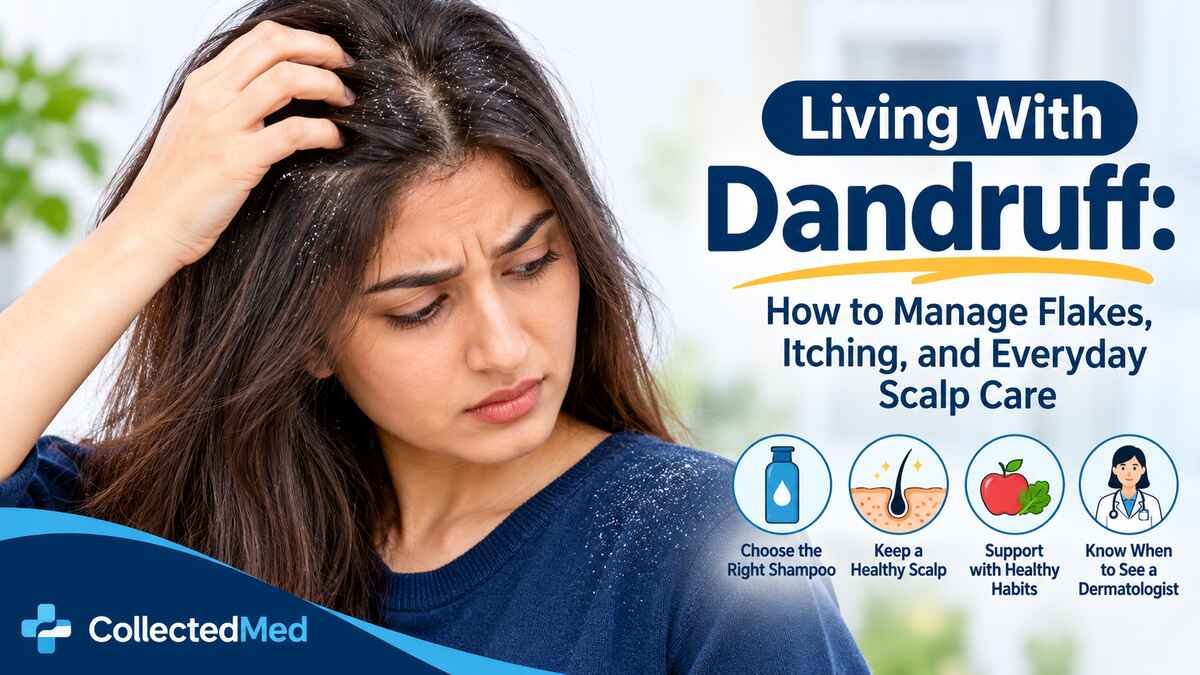

You put on your favorite dark sweater, glance in the mirror, and notice a dusting of white flakes on the shoulders. Or maybe it is the itch that gets you, the kind that shows up in the middle of a meeting and makes it hard to focus. If this sounds familiar, you are in good company. Dandruff is a common scalp condition that can affect people of any age, hair type, or lifestyle.
Dandruff is not dangerous, but it can chip away at your comfort and confidence. Many people feel self-conscious about visible flakes or spend time brushing off their clothes and checking their hair. The good news is that dandruff is usually manageable, and it does not reflect poor hygiene. For a broader overview of the condition itself, see our dandruff guide.
Managing dandruff involves more than simply washing your hair more often. In this article, you will learn what causes dandruff, how it affects daily life, how to build a realistic scalp care routine, which shampoo ingredients may help, and how habits and seasons play a role. You will also find common myths, treatment options, and clear guidance on when to see a dermatologist.
Understanding Dandruff and Why It Happens
Before building a routine, it helps to understand what is going on at the scalp. Knowing the basics makes it easier to choose products and set realistic expectations.
What Is Dandruff?
Dandruff is a common scalp condition marked by flaking skin, and it often comes with itching. Your scalp skin naturally sheds dead cells all the time, usually without you noticing. With dandruff, that shedding becomes more visible, and the flakes can appear on your hair, neck, and shoulders.
Dandruff is often linked to mild scalp inflammation and to Malassezia, a yeast that lives on the skin of most adults. In some people, the scalp reacts to this yeast, which can speed up skin cell turnover and lead to flaking. The Mayo Clinic and the American Academy of Dermatology (AAD) both describe dandruff as common and generally easy to treat.
Common Causes and Triggers of Dandruff
Researchers are still learning about the exact causes, and they appear to be complex. Several factors can play a part:
- Oil production: An oily scalp can create an environment where Malassezia thrives.
- Yeast sensitivity: Some people have a stronger skin reaction to Malassezia than others.
- Seborrheic dermatitis: This inflammatory skin condition causes redness, scaling, and sometimes greasy-looking flakes. Dandruff is often considered a mild form of it, according to Harvard Health.
- Dry or irritated scalp: Cold air, harsh products, or over-washing may cause flaking. Our guide to dry skin explains how this differs from dandruff.
- Product sensitivity: Some hair products can irritate the scalp.
- Individual and environmental factors: Genetics, hair texture, climate, and overall health can all contribute.
You can read more about how widespread the problem is in our article on how common dandruff is.
Is Dandruff a Long-Term Condition?
For many people, dandruff comes and goes. It may improve for months and then return, often during colder weather or stressful periods. Harvard Health describes dandruff as a chronic condition that can flare and fade over time.
That does not mean you have to live with constant flakes. With consistent scalp care and a suitable shampoo, symptoms can often be controlled. Many people simply need to keep up a light maintenance routine, even when their scalp looks clear.
How Dandruff Affects Everyday Life
Dandruff is a physical condition, but its effects are often practical and emotional too. Recognizing this can make it easier to approach management with patience.
Dealing With Visible Flakes
Flakes tend to show up most on dark clothing, collars, and shoulders. It is common to find yourself checking your sleeves before a meeting or brushing off your shoulders in the car. That constant monitoring can be tiring.
A few small adjustments may help while your treatment takes effect. You might choose mid-tone or patterned tops on days when you feel self-conscious, and keep a lint roller handy. These are comfort tips, not substitutes for scalp care, but they can ease the daily stress.
Managing Scalp Itching and Discomfort
An itchy scalp can interrupt concentration, work, and even sleep. The urge to scratch is strong, but scratching can irritate the skin further and may worsen redness or flaking.
Try to avoid aggressive scratching with your nails. Instead, use a suitable medicated shampoo as directed and keep your nails short. If itching is intense, our guide to itchy scalp causes and treatments can help you explore other possible reasons.
Dandruff and Self-Confidence
Visible flakes can make some people uncomfortable in social or professional settings. Some avoid dark clothing, close conversations, or even certain hairstyles. These feelings are understandable.
It helps to remember that dandruff is not a sign of poor hygiene. The AAD notes that many people mistakenly believe this, but it is not true. Dandruff is a common scalp condition, and there is nothing to be embarrassed about.
Living Normally With Dandruff
Dandruff does not need to stop you from exercising, socializing, traveling, or working. A simple, consistent routine is often more effective than constant worry about flakes.
Think of dandruff care as a habit, similar to brushing your teeth. Once it becomes part of your week, it takes up very little mental space. Our article on managing dandruff at home offers more everyday ideas.
Building a Daily Hair Care Routine When You Have Dandruff
A realistic routine is the most useful tool for living with dandruff. The goal is a scalp that is clean and comfortable, without being stripped or irritated.
How Often Should You Wash Your Hair?
There is no single schedule that works for everyone. Washing frequency depends on how oily your scalp is, your hair type, and how your scalp responds. People with oily scalps often do better with more frequent washing, since oil and flakes can build up quickly.
Washing too aggressively, using very hot water, or choosing harsh products may increase irritation in some people. The AAD suggests that hair type matters. For example, people with straight hair may need to use a dandruff shampoo more often than people with curly or coily hair, who may find that these products dry their hair.
Start with the directions on your product, then watch how your scalp responds over a few weeks. Adjust gradually rather than making big changes all at once.
Choosing the Right Shampoo
Anti-dandruff shampoo is the foundation of most routines. Different active ingredients work in different ways, so it can take some trial and error to find what suits you. According to the AAD, effective dandruff shampoos typically contain at least one of these ingredients:
- Ketoconazole: An antifungal ingredient that helps control Malassezia.
- Selenium sulfide: Helps reduce yeast on the scalp and slows flaking.
- Zinc pyrithione: Found in many over-the-counter products, with availability depending on local regulations.
- Salicylic acid: Helps loosen and remove built-up scales from the scalp.
- Coal tar: May slow excessive skin cell turnover. It can have a strong odor and may stain light-colored hair.
- Sulfur: Another ingredient the AAD lists for dandruff control.
The Mayo Clinic notes that some of these ingredients help kill or slow the fungus that may contribute to dandruff. If one shampoo stops working well, the AAD suggests trying a product with a different active ingredient.
How to Use Anti-Dandruff Shampoo Correctly
Using the product well matters as much as choosing it. Here is a simple approach:
- Read and follow the label directions on your shampoo.
- Apply the shampoo to your scalp, not just the hair lengths, and massage gently with your fingertips.
- Leave it on for the time stated on the label. The AAD notes that some products need to sit for about 5 to 10 minutes.
- Rinse thoroughly with lukewarm water.
- Use it consistently as directed, even when your scalp starts to improve.
If you have curly or coily hair, apply the product only to the scalp, since the active ingredients can dry out the hair. Some dandruff shampoos are made to be more hydrating for textured hair.
Caring for Your Hair Between Washes
What you do between washes also affects how your scalp feels. A few habits can help:
- Avoid scratching with your nails.
- Choose gentle hair care products and rinse away product buildup when needed.
- Skip heavy oils or thick styling products on an irritated scalp if they seem to make symptoms worse.
- Clean combs, brushes, and hair accessories regularly.
Lifestyle Habits That Can Help Manage Dandruff
Everyday habits cannot replace medicated shampoo for most people, but they may support overall scalp and skin health. The research on lifestyle and dandruff is limited, so it is best to treat these as general wellness steps rather than guaranteed fixes.
Managing Stress
Stress does not directly cause dandruff, but it may trigger flare-ups or make existing inflammatory skin conditions feel worse in some people. Many people notice their scalp acting up during busy or anxious periods.
Helpful strategies include regular physical activity, relaxation practices, and protecting time for rest. Our guides on how to reduce stress and the benefits of exercise offer practical starting points.
Eating a Balanced Diet
Good nutrition supports overall skin health. Nutrients such as zinc, B vitamins, and essential fatty acids play roles in normal skin function. However, there is little evidence that eating specific foods or taking supplements will treat or cure dandruff.
A varied, balanced diet is a sensible goal. If you want ideas, read our overview of what a balanced diet is. Talk with a healthcare professional before starting supplements, especially if you take medications.
Getting Enough Sleep
Sleep supports general health, including how your skin repairs itself. Consistent sleep habits may also help you cope better with stress, which can in turn support your scalp. Our guide on how to improve sleep can help you build a steady routine.
Avoiding Scalp Irritation
Some habits can irritate an already sensitive scalp. Consider the following:
- Limit excessive heat styling, since very hot tools can dry the scalp and hair.
- Be cautious with strongly fragranced products if you notice stinging or redness.
- Brush gently and avoid tight hairstyles that pull on the scalp.
- Resist the urge to pick at flakes.
Managing Dandruff in Different Situations and Seasons
Your scalp may behave differently depending on the weather, your activity level, and your surroundings. Planning ahead can make flare-ups easier to handle.
Living With Dandruff in Hot and Humid Weather
Heat and humidity can lead to more sweat, oil, and product buildup on the scalp. For some people, this makes itching and flaking more noticeable. Washing after heavy sweating can help when needed.
The aim is a clean scalp without over-washing. If you find yourself washing more and more, check whether a different shampoo or a gentler routine feels better.
Managing Dandruff During Colder or Drier Weather
Dry air and indoor heating can dry out the scalp and make flakes more visible. Many people notice that dandruff worsens in winter. Harvard Health also notes that symptoms may ease in warmer months.
It is worth telling dry scalp and dandruff apart, because they are managed a little differently. Dry scalp tends to produce small, dry flakes with little redness, while dandruff flakes may look larger and oilier. Use gentle products and continue your anti-dandruff routine if you are not sure.
Managing Dandruff During Exercise and Travel
After a hard workout, rinse or wash your scalp if you have been sweating a lot. Wearing a clean hat or headband can also help, since sweaty fabric may hold oil against the scalp.
When you travel, pack your usual anti-dandruff shampoo in a travel size. Hotel shampoos and changes in water can disrupt a routine that was working. Keeping your habits consistent can help you avoid unexpected flare-ups.
Treatment Options for Persistent Dandruff
If everyday care is not enough, treatment can help. Most people start with over-the-counter options and move to professional care only if needed. For a deeper look at options, see our guide to dandruff treatment options.
Over-the-Counter Dandruff Treatments
Medicated shampoos are the most common first step. Each active ingredient has a different purpose, such as reducing yeast, loosening scales, or slowing skin cell turnover. Using the product exactly as directed on the label gives it the best chance to work.
If one product does not help after a few weeks of correct use, try another with a different active ingredient. Some people find that alternating between two types works better than using one alone. The AAD supports this approach.
When to Consider Prescription Treatments
If over-the-counter products do not control your symptoms, a dermatologist may suggest prescription options. These can include stronger antifungal shampoos or topical anti-inflammatory medicines, such as a steroid lotion. The Mayo Clinic notes that a healthcare professional can often diagnose dandruff by examining the scalp.
The right treatment depends on the underlying scalp condition. Prescription medicines should only be used after a medical assessment, and not shared or borrowed from others.
Can Natural Remedies Help With Dandruff?
Many people are curious about natural options. Commonly mentioned remedies include aloe vera, tea tree oil, coconut oil, and apple cider vinegar. The evidence for most of these is limited, and results vary from person to person.
Natural does not always mean safer. Some products can cause irritation or allergic reactions, and essential oils such as tea tree oil should never be applied undiluted. Natural products are also not necessarily more effective than clinically tested treatments. If you want to try one, patch test first and stop if you notice burning, redness, or swelling.
You can learn more about one common option in our article on coconut oil health benefits.
Common Dandruff Myths You Should Stop Believing
Misinformation about dandruff is widespread, and it can add to frustration. Here are some of the most common myths.
Dandruff Means You Have Poor Hygiene
This is not true. Dandruff is not simply caused by being unclean. Even people who wash their hair regularly can have it, and the AAD specifically notes that this belief is a misconception.
Dandruff Is Contagious
Ordinary dandruff does not spread from person to person. You cannot catch it from or give it to someone else, and sharing a room or a pillow will not pass it on. Keeping combs and brushes clean is still good practice.
Washing Your Hair Every Day Always Cures Dandruff
Frequent washing helps some people, especially those with oily scalps, but it is not a universal cure. The right frequency depends on your scalp and hair type, and many people also need a medicated shampoo to control symptoms.
Oiling Your Scalp Always Helps
Heavy oils can make some people feel better, but they may aggravate symptoms in others. Because Malassezia feeds on certain oils, thick oil layers on the scalp may worsen flaking in some people. If oiling seems to make things worse, it is reasonable to stop.
Dandruff Only Affects People With Dry Hair
Dandruff can occur with oily, normal, or dry hair. In fact, an oily scalp is a common contributor. Flakes do not automatically mean a dry scalp.
When Should You See a Dermatologist About Dandruff?
For most people, dandruff does not require medical attention. Still, there are times when self-care is not enough. Consider seeing a dermatologist if you notice:
- Severe or persistent scalp itching.
- Significant redness or inflammation.
- Thick, widespread, or stubborn scaling.
- Pain, swelling, or crusting.
- Bleeding, oozing, or signs of infection.
- Hair loss along with scalp symptoms.
- No improvement after using appropriate over-the-counter treatments as directed for several weeks.
Other conditions can look like dandruff. These include psoriasis, eczema, contact dermatitis, and fungal infections. The AAD notes that flaking and itching that seems like dandruff can sometimes be a different medical condition.
A dermatologist can examine your scalp and recommend the right treatment. This is often more helpful than repeatedly trying new products on your own. If you notice hair thinning, our guide to hair loss may also be useful.
Frequently Asked Questions About Living With Dandruff
Can You Live a Normal Life With Dandruff?
Yes. Dandruff is generally manageable and should not stop you from working, exercising, or socializing. A simple routine with a suitable shampoo can keep symptoms in check for most people. If dandruff is affecting your quality of life, a dermatologist can help.
How Can I Stop Dandruff From Coming Back?
There is no guaranteed way to prevent dandruff, but consistent scalp care can reduce flare-ups. Using a suitable anti-dandruff shampoo regularly, even after symptoms improve, often helps. Paying attention to personal triggers such as stress, weather, or certain products can also be useful. Harvard Health notes that regular shampoo use can control the problem.
Should I Wash My Hair Every Day If I Have Dandruff?
Not necessarily. The best frequency depends on how oily your scalp is, your hair type, and your product directions. People with oily scalps may benefit from more frequent washing, while those with dry or textured hair may need less. Watch how your scalp responds and adjust gradually.
Does Stress Make Dandruff Worse?
Stress may contribute to flare-ups, particularly in people who are prone to inflammatory scalp conditions. It is not the sole cause of dandruff, though. Managing stress can support your overall well-being, but you will usually still need a scalp care routine.
Can Dandruff Cause Hair Loss?
Ordinary dandruff does not usually cause permanent hair loss. However, severe inflammation and repeated scratching may contribute to temporary shedding or hair breakage. If you notice thinning or bald patches, see a healthcare professional to look for other causes.
Is It Possible to Get Rid of Dandruff Permanently?
Dandruff often needs ongoing management rather than a one-time fix. Symptoms can stay under control for long periods with the right routine, and some people can reduce how often they use medicated shampoo. If you stop treatment and flakes return, that is common and does not mean something is wrong.
Final Thoughts on Living With Dandruff
Dandruff is common, and it does not reflect poor hygiene. It can be frustrating, but it is often manageable with consistent scalp care and an appropriate treatment. A steady routine can reduce visible flakes and itching so they take up less of your day.
Try to keep a balanced approach. Avoid excessive washing and unproven remedies, and give each treatment enough time to work. If your symptoms are persistent, severe, or unusual, a dermatologist can help. With patience and the right plan, you can manage dandruff with confidence.
Sources
- American Academy of Dermatology. How to treat dandruff
- Mayo Clinic. Dandruff: Symptoms and causes
- Mayo Clinic. Dandruff: Diagnosis and treatment
- Harvard Health Publishing. Dandruff A to Z
- MedlinePlus. Dandruff, Cradle Cap, and Other Scalp Conditions
- NHS. Dandruff
Medical Disclaimer: This article is for general information and education only. It is not medical advice and does not replace care from a doctor or other qualified healthcare professional. Do not use it to diagnose or treat any condition. If you have severe, persistent, or unusual scalp symptoms, please talk with a dermatologist or your healthcare provider.
2 thoughts on “Living With Dandruff: How to Manage Flakes, Itching, and Everyday Scalp Care”
Comments are closed.