
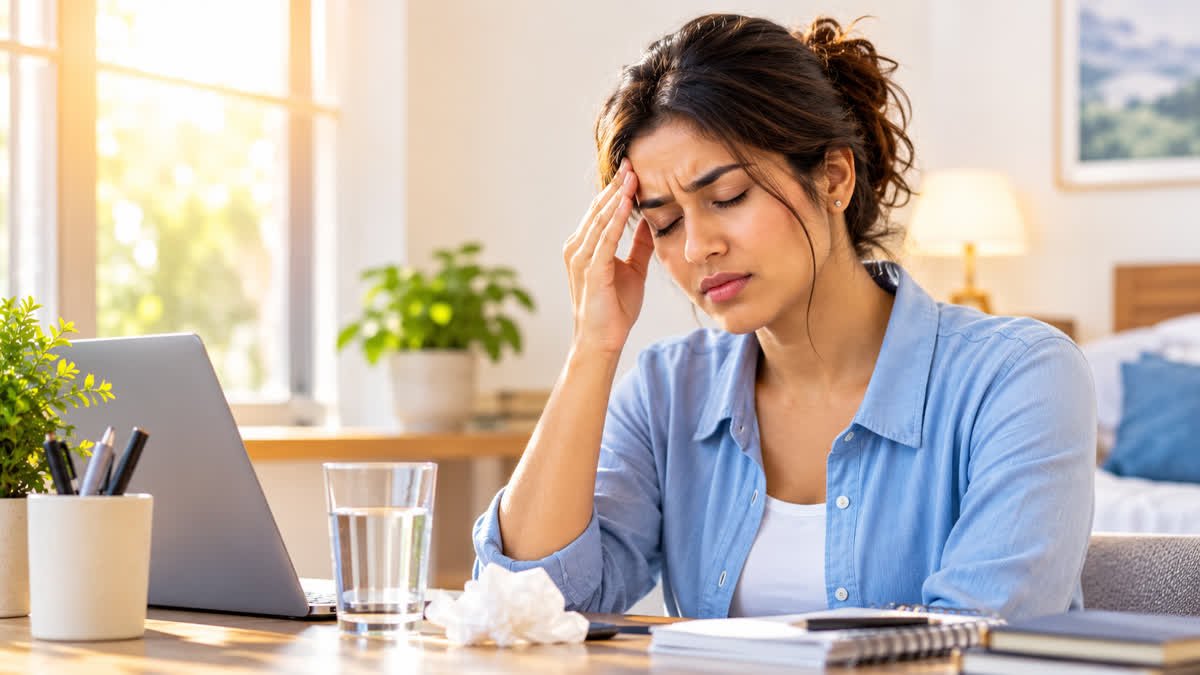

Why does a migraine seem to strike after a stressful day, a poor night’s sleep, or a change in routine? Migraine is a neurological condition, and it can cause far more than a headache. Nausea, sensitivity to light and sound, and other symptoms often come along for the ride.
Certain habits, environmental conditions, and physical changes may trigger an attack or make symptoms harder to manage. Commonly reported migraine triggers include stress, irregular sleep, dehydration, skipped meals, hormonal changes, and sensory stimulation. Triggers are highly individual, though, and several factors often combine rather than act alone.
This guide covers 15 factors that people commonly report, how lifestyle habits fit in, how to find your own patterns, and when to get medical help. It is general education, not individual medical advice. For background on the underlying biology, see our guide to what causes migraine.
What Makes Migraine Worse?
It helps to separate a few ideas. A cause explains why a person has migraine at all, such as inherited susceptibility and how the nervous system processes signals. A trigger is something that may make an attack more likely in someone already susceptible. Other factors may make an attack that is already underway feel worse or harder to manage.
A review in the Cleveland Clinic Journal of Medicine puts it plainly: triggers do not cause migraine. Stress, for example, does not cause migraine but can worsen it.
Many clinicians describe a migraine threshold. In this model, several small influences, such as poor sleep, a skipped meal, and stress, can add up and tip the balance. The same factor may trigger an attack one day and do nothing on another day. The threshold is a helpful explanatory model, not a measurable number.
Identifying triggers does not mean avoiding every possible one. Also, early symptoms can be mistaken for triggers. A food craving, for instance, may be part of the early phase of an attack rather than its original cause. Our guide to the early signs of migraine explains this further.
15 Common Factors That Make Migraine Worse
The factors below are commonly reported. None of them affects everyone, and evidence varies. Use the list to guide observation, not to create a long list of restrictions.
1. Stress and Emotional Pressure
Physical and emotional stress is one of the most commonly reported triggers. Pressure from work, school, family, or emotional strain can all play a part. Stress can also disrupt sleep, meals, and routines, adding more potential triggers.
Some people notice attacks after a stressful period ends, such as on a weekend or vacation. This is often called a let-down migraine. Anxiety and muscle tension may also contribute to symptoms. Our guides on how to reduce stress and anxiety offer useful context.
2. Poor Sleep or Irregular Sleep Patterns
Not enough sleep, too much sleep, and shifting bedtimes can all trigger attacks in some people. Staying up late or changing your routine may matter as much as total hours. The same Cleveland Clinic review notes that sleep disorders, including sleep apnea and insomnia, are associated with migraine.
Consistent sleep and wake times may help reduce attacks for some people. If you snore loudly or feel unrefreshed, consider discussing sleep apnea with a clinician. See also our guide on how to improve sleep.
3. Dehydration
Not drinking enough fluid may contribute to migraine in some people. It can happen in hot weather, during illness, or with exercise. Possible signs include thirst and dark-colored urine.
Keep in mind that increased thirst can also be an early symptom of an approaching migraine, so it is not always a cause. Drinking fluids regularly through the day is a sensible habit. Read more about the benefits of hydration.
4. Skipping Meals and Going Too Long Without Eating
Fasting and missed meals are associated with migraine attacks. The Cleveland Clinic review notes that migraine is more common when meals are skipped, particularly breakfast, though how fasting lowers the threshold is unclear.
Busy schedules often cause missed meals, and skipped meals can also reduce energy and activity, compounding other triggers. Regular, balanced meals are a reasonable goal. See our guides on meal timing and a healthy diet.
5. Certain Foods and Food Additives
Some people report that certain foods bring on attacks. Commonly mentioned examples include aged cheese, processed or cured meats, foods with MSG, artificial sweeteners such as aspartame, and chocolate. Mayo Clinic lists aged cheeses, salty and processed foods, and additives such as aspartame and MSG among reported triggers.
Food triggers are not universal, and the evidence is mixed. Ordinary foods are not inherently harmful. Avoid cutting out many foods without a clear pattern, since that can limit nutrition without helping. The Cleveland Clinic review also notes that cravings during the early phase can lead people to wrongly blame a food.
6. Caffeine and Sudden Changes in Caffeine Intake
High or inconsistent caffeine intake can affect migraine for some people. Caffeine withdrawal, for example when you skip your usual morning coffee, can itself cause headache. Sudden changes in daily coffee, tea, or energy drink habits may be a problem.
For many people, keeping caffeine low or at least consistent is a practical approach. Read more in our guide on black coffee benefits.
7. Hormonal Changes
Changes in estrogen are linked to migraine in many people. Mayo Clinic notes that estrogen fluctuations seem to trigger headaches before or during periods, and during pregnancy and menopause. Migraine patterns may also shift during puberty.
Hormonal medicines, such as oral contraceptives, can worsen migraine for some people, while others find attacks become less frequent. If you notice a recurring hormone-related pattern, discuss it with a healthcare professional.
8. Bright Lights and Screen Exposure
Bright sunlight, glare, flashing or flickering lights, and harsh indoor lighting can trigger attacks or make symptoms worse. Computer, TV, and phone screens may also play a role. Light sensitivity (photophobia) is both a common migraine symptom and a possible trigger.
If screens bother you, take regular breaks. Our guides on what causes eye strain and screen fatigue may help.
9. Loud Noises and Strong Smells
Loud music, traffic, and sudden noises can worsen an attack. So can strong perfumes, cleaning products, smoke, and paint fumes. Mayo Clinic lists perfume, paint thinner, and secondhand smoke as possible triggers.
Sound sensitivity (phonophobia) is a common symptom during attacks. Reducing unnecessary sensory stimulation may be helpful when an attack is underway.
10. Weather Changes and Temperature Extremes
Some people link attacks to sudden weather shifts, high heat and humidity, cold, or changes in barometric pressure. Mayo Clinic notes that weather or pressure changes can prompt a migraine in some people.
However, responses vary, and weather is not a trigger for everyone. If you suspect a weather link, track it in a diary before drawing conclusions.
11. Intense Physical Activity and Overexertion
Sudden increases in exercise intensity, exhaustion, or exercise without enough food or fluid may trigger attacks. Unaccustomed strenuous activity can also be a factor. The key difference is between regular, appropriate activity and sudden overexertion.
Regular physical activity is generally beneficial for overall health and may help migraine management. The Cleveland Clinic review recommends graded moderate exercise, noting that any exercise is better than none. If exercise seems to bring on attacks, discuss it with a clinician rather than stopping altogether. See our guide on the benefits of exercise.
12. Changes in Daily Routine
Irregular sleep and meal times, weekend schedule changes, long trips, and shifts in work or study hours can all contribute. Travel often combines several issues at once, such as lost sleep, skipped meals, and dehydration.
Keeping daily habits reasonably consistent may help some people. You do not need a perfect routine, only enough stability to avoid big swings.
13. Alcohol and Tobacco Smoke Exposure
Alcohol, especially wine, is a commonly reported trigger, though responses differ between people. Secondhand tobacco smoke and strong smoke odors may also bother susceptible individuals.
Avoiding harmful exposures is a good idea for general health anyway. If you notice a clear link between alcohol and your attacks, limiting it is a reasonable choice.
14. Medication Overuse or Certain Medications
Medication-overuse headache can develop when acute headache medicines are used too often. It can create a cycle in which headaches become more frequent. Mayo Clinic gives general thresholds, such as using aspirin or ibuprofen for more than 14 days a month or triptans for more than 9 days a month.
Some prescribed medicines can also affect migraine patterns, such as certain vasodilators and hormonal medicines. Never stop or change a prescribed medicine on your own. If headaches are becoming more frequent, talk with your clinician about your treatment plan. Our guide to migraine treatment options explains the approaches clinicians use.
15. Illness, Fatigue, and Physical Exhaustion
Viral infections, fever, and general exhaustion can complicate migraine. Illness often disrupts sleep, eating, and hydration, which may lower the threshold for an attack.
Recurring or unusually severe headaches during illness deserve medical assessment. Headache with fever and a stiff neck can be serious and needs urgent care. See the section on when to get help below.
How Lifestyle Habits Affect Migraine
Everyday habits can influence how often attacks occur and how severe they are. Lifestyle changes are not a cure, and many people also need medical treatment. Still, they are a useful foundation.
The American Migraine Foundation promotes a framework called SEEDS, described in the Cleveland Clinic Journal of Medicine. It stands for sleep, exercise, eat, diary, and stress.
- Sleep: Keep regular sleep and wake times, and use standard sleep hygiene practices.
- Exercise: Aim for consistent, appropriate activity. The review notes general guidance of moderate exercise for 30 to 60 minutes, 3 to 5 times a week, while light activity is still beneficial for people who are sedentary.
- Eat: Choose balanced meals at consistent times, stay hydrated, and keep caffeine low or stable.
- Diary: Track headaches, symptoms, and possible patterns.
- Stress: Build healthy ways to manage stress. Approaches with evidence include cognitive behavioral therapy, mindfulness, relaxation, and biofeedback. Learn more about therapy and deep breathing.
Much of the evidence behind these habits is limited, so treat them as supportive steps, not guarantees. They work best alongside care from a healthcare professional.
How to Identify What Makes Your Migraine Worse
Guessing at triggers is unreliable. Tracking is better. A migraine diary helps you see patterns that are easy to miss.
Consider recording:
- The date and approximate time of each attack
- Sleep patterns and meal timing
- Stress levels, hydration, and caffeine
- Environmental exposures, such as bright light, strong smells, or weather
- Symptoms and how long the attack lasted
- Any treatment you used and how well it worked
For example, someone may notice that attacks often follow poor sleep combined with skipped meals and a stressful day. That points to a possible pattern. It does not prove that any one factor caused the attack.
Share recurring patterns with a healthcare professional. Our article on the benefits of journaling can help you build the habit.
How to Reduce Common Migraine Triggers
You do not need to eliminate every suspected trigger. Focus on meaningful patterns and changes you can realistically keep. Helpful steps may include:
- Keeping a reasonably consistent sleep schedule
- Eating balanced meals at regular times
- Drinking enough fluids throughout the day
- Identifying and managing personal stressors
- Taking regular breaks from bright screens
- Limiting unnecessary exposure to strong smells and loud noise
- Staying regularly active in ways that suit you
- Discussing recurring attacks and medication use with a clinician
Small, steady changes usually work better than dramatic ones. If a change seems to make attacks worse, tell your clinician. Our guide on healthy habits offers more ideas.
When Should You See a Doctor About Worsening Migraine?
Make an appointment with a healthcare professional if:
- Attacks are becoming more frequent
- Headaches are more severe or last longer than usual
- Symptoms interfere with school, work, sleep, or daily activities
- Your treatments are becoming less effective
- You notice new or unusual symptoms
- Headaches keep returning and are hard to manage
A clinician can assess your symptoms, confirm the diagnosis, and recommend treatment or preventive care.
Seek urgent care right away for a sudden, extremely severe headache; a new headache with weakness or trouble speaking; loss of vision; confusion; a seizure; or headache with fever and a stiff neck. Mayo Clinic and the NHS both list these as warning signs. New neurological symptoms should not automatically be assumed to be migraine aura. If something feels sudden or serious, call 911 or your local emergency number.
Frequently Asked Questions About What Makes Migraine Worse
What is the most common thing that makes migraine worse?
Stress, disrupted sleep, hormonal changes, and irregular eating are among the most commonly reported factors. However, no single trigger affects everyone. Triggers differ between people and often combine, so personal tracking is more useful than a general list.
Can dehydration make migraine worse?
Dehydration may contribute to attacks in people who are susceptible to migraine. It is not a cause of the condition itself. Drinking fluids regularly is a low-risk habit, and the Cleveland Clinic review recommends adequate hydration as part of healthy eating habits.
Can certain foods make migraine worse?
Some people report food-related triggers, such as aged cheese or processed meats, but reactions differ and evidence is mixed. Focus on identifying your own patterns instead of cutting out whole food groups. A diary can help, since early cravings can be mistaken for triggers.
Does sleeping too much make migraine worse?
It can for some people. Both too little sleep and big changes from your usual schedule may contribute to attacks. A consistent sleep and wake time is generally more helpful than trying to catch up on sleep on weekends.
Can stress make an existing migraine worse?
Yes, it may. Stress and changes in stress levels can contribute to attacks or intensify symptoms, though stress does not cause migraine on its own. Stress-management approaches such as relaxation techniques and cognitive behavioral therapy may help some people.
Why is my migraine getting worse over time?
Possible reasons include more frequent attacks, medication overuse, disrupted routines, and changes in overall health. Any of these may play a role. Because the cause is hard to judge on your own, see a healthcare professional rather than assuming one trigger is responsible.
Understanding What Makes Migraine Worse
Migraine can be influenced by many lifestyle, environmental, and physical factors. Stress, poor sleep, dehydration, skipped meals, hormonal changes, and sensory stimulation are among the most commonly reported. Triggers differ from person to person, and tracking your patterns can reveal which ones matter for you.
Consistent habits and appropriate medical care can support better migraine management. If your attacks are recurring or getting worse, talk with a healthcare professional rather than relying only on trigger avoidance.
To learn more about the underlying biology, read our guide on what causes migraine.
Sources
- Mayo Clinic. Migraine: Symptoms and causes
- Cleveland Clinic Journal of Medicine. SEEDS for success: Lifestyle management in migraine (2019;86(11):741-749)
- NHS. Migraine
- MedlinePlus Genetics. Migraine
- American Migraine Foundation. Migraine resources
Medical Disclaimer: This article is for general educational purposes only and is not medical advice. It does not diagnose, treat, or replace care from a qualified healthcare professional. Always talk with your doctor or another licensed clinician about your symptoms. If you think you may be having a medical emergency, call 911 or your local emergency number right away.