
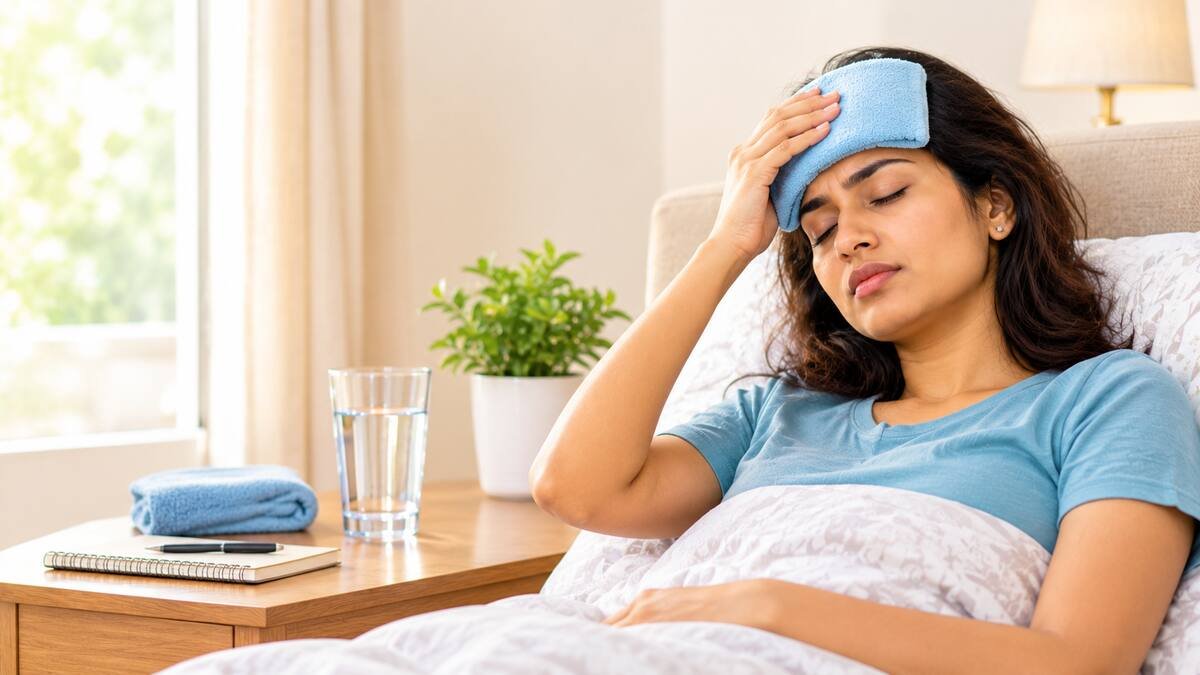

Migraine is more than an ordinary headache. It can bring throbbing head pain, nausea, and sensitivity to light and sound, and it can disrupt work, school, sleep, and family life. When an attack starts, knowing what to do at home can make it easier to get through.
No single home remedy works for everyone, and home care does not cure migraine. Still, simple steps such as resting somewhere comfortable, staying hydrated, and following your care plan may help you cope. Consistent daily habits may also help reduce the impact of future attacks for some people.
This guide covers what to do when a migraine begins, how to create a comfortable environment, how food, sleep, and stress fit in, and how to build a simple home plan. It also explains when home care is not enough. This is general education, not personal medical advice. For background, see our guides on what causes migraine and how migraine is diagnosed.
Understanding Migraine and Home Management
Migraine is a neurological condition, not simply a severe headache. Common symptoms include throbbing or pulsing head pain, nausea, and sensitivity to light and sound, as Mayo Clinic describes. Some people also have aura, such as flashing lights or tingling.
Experiences vary a great deal. A strategy that helps one person may do nothing for another, and what helps may change over time. That is why personal observation matters.
It also helps to separate two goals. Managing an attack means easing symptoms and coping while it lasts. Reducing future attacks means building habits, tracking patterns, and sometimes using preventive treatment. Home care should complement an appropriate medical plan, not replace it.
Our guide to migraine treatment options explains what clinicians may offer.
What to Do When a Migraine Starts
MedlinePlus advises trying to treat symptoms right away, since that may help make the headache less severe. The steps below are common, practical starting points. They may improve comfort, but they do not reliably stop every attack.
Recognize your early migraine symptoms
Many people notice warning signs before the pain begins, such as unusual tiredness, yawning, food cravings, mood changes, or neck stiffness. Some also have aura. Recognizing your own familiar pattern may help you follow your care plan sooner. Our guide to the early signs of migraine explains these in detail.
Pause activities and find a comfortable place
If you can, step away from demanding tasks. Continuing to push through can leave you feeling worse. If you are away from home, consider making plans to get home soon, and let a trusted person know what is happening so they can support you.
Drink water regularly
Staying hydrated is a sensible step, especially if you have vomited. MedlinePlus recommends drinking water to avoid dehydration. If drinking a full glass feels hard because of nausea, try small, steady sips. Water will not cure a migraine, but dehydration can make symptoms worse for some people.
Read more about the benefits of hydration.
Try a cool compress
Some people find a cool cloth or a wrapped cold pack on the forehead or neck soothing. The Migraine Trust notes that some people find cold compresses reduce migraine-associated pain, though they may not work for everyone. Use a thin cloth between the pack and your skin, and limit use to about 10 to 20 minutes at a time. Never place ice directly on the skin.
Rest or sleep if possible
Lying down in a quiet room or taking a nap helps some people. The NHS suggests trying to sleep or lie down in a darkened room during an attack. Fatigue is common during migraine, so rest may be what your body needs. If you take prescribed medicine for attacks, follow your clinician’s instructions and take it as directed.
Creating a Migraine-Friendly Environment
A calmer space can ease some of the symptoms that make attacks hard to bear. The goal is comfort, not perfection. Not everyone needs complete darkness or silence.
Reduce bright light
Light sensitivity is common. Dim overhead lights, use a lamp instead, close curtains or blinds, and lower screen brightness or step away from screens. If screens bother you often, our guides on eye strain and how to relieve eye strain at home may help.
Reduce noise and strong smells
Loud sounds, perfumes, smoke, and strong cleaning product odors can feel overwhelming during an attack. Mayo Clinic lists perfume, paint thinner, and secondhand smoke as possible triggers for some people. Open a window for fresh air if it helps, or move to a quieter room.
Make your resting space comfortable
Choose a cool, quiet, comfortable spot. Keep water nearby, along with a cool cloth, a bucket or basin if you feel sick, and any prescribed medicine. Having what you need within reach makes it easier to stay put.
Hydration and Nutrition
Maintain regular hydration
Drinking fluids consistently through the day may help reduce dehydration-related headaches. There is no single fluid target that suits everyone, so aim for regular drinking and adjust for heat, illness, and activity.
Avoid skipping meals
Irregular meals and long gaps without food are associated with attacks for some people. A Cleveland Clinic Journal of Medicine review notes that migraine is more common when meals are skipped, particularly breakfast. See our guide on meal timing for more.
Choose balanced, regular meals
Build meals from familiar foods such as vegetables, fruit, whole grains, protein sources, and healthy fats. If you cannot eat much during an attack, simple foods in small amounts may be easier to tolerate. Our healthy diet guide offers general ideas.
Identify possible food-related patterns
Some people link certain foods or drinks to attacks, but there is no universal migraine diet. Evidence is mixed. Avoid cutting out large food groups without a clear reason. Early cravings can also be mistaken for triggers, so track your patterns in a diary before making changes.
Be mindful of caffeine
Caffeine affects people differently. High intake and sudden changes, such as skipping your usual coffee, may play a role for some. MedlinePlus suggests avoiding caffeinated drinks at the start of an attack, while many people find that keeping intake steady works best. Talk with a clinician before making major changes.
See our article on black coffee benefits for general background.
Sleep and Daily Routines
Keep a consistent sleep schedule
Regular bedtimes and wake times may support migraine management. Both too little and too much sleep can trigger attacks for some people, according to Mayo Clinic. Our guides on how to improve sleep and how to build a sleep schedule offer practical ideas.
Avoid major sleep disruptions
Late nights, shift changes, travel, and irregular schedules can all disrupt sleep. If you snore loudly or wake unrefreshed, consider discussing sleep apnea with a clinician.
Build a predictable daily routine
Regular meals, steady hydration, rest breaks, and a manageable schedule can reduce the chance that several small stressors pile up. You do not need a perfect routine. A little stability goes a long way.
Return to normal activities gradually
After an attack, you may not feel fully recovered right away. Fatigue and trouble concentrating can linger for a day or so, as described in our guide on how long migraine lasts. Ease back into your usual activities instead of pushing through significant symptoms.
Managing Common Migraine Triggers
Understand individual triggers
Triggers vary widely. Something linked to an attack for one person may not affect another, and triggers do not cause the underlying condition. They may make an attack more likely in someone already susceptible. For a fuller list, see what makes migraine worse.
Track patterns instead of guessing
A migraine diary turns guesses into patterns. Consider recording:
- When symptoms began and ended
- The symptoms you had
- Sleep patterns
- Meals and fluid intake
- Stress and daily activities
- Possible environmental factors, such as light, smells, or weather
- Any treatment used and whether it helped
Share your diary with your clinician. The Migraine Trust notes that it can help with getting the right diagnosis and the most appropriate treatment. Our article on the benefits of journaling may help you start.
Avoid unnecessary restrictions
You do not need to eliminate every suspected trigger. Look for repeated patterns, make manageable changes, and discuss what you find with a healthcare professional. Over-restriction can make life harder without clear benefit.
Relaxation and Stress Management
Try gentle breathing exercises
Slow, comfortable breathing is a relaxation technique. It is not a guaranteed migraine treatment, but it may help some people cope with discomfort and tension. See our guide to deep breathing benefits.
Make time for relaxing activities
Quiet hobbies, calming music if sound feels comfortable, and gentle stretching when appropriate can help you unwind between attacks. Our guide on how to reduce stress offers more ideas.
Build manageable breaks into the day
Short breaks from screens, schoolwork, or work can reduce strain. Regular pauses are a simple habit that may help you cope with stress.
Consider professional support
A healthcare professional may recommend structured approaches such as cognitive behavioral therapy or relaxation training. The Cleveland Clinic review notes that CBT, biofeedback, mindfulness, and relaxation techniques have evidence for managing stress in people with migraine. Learn more about therapy.
Medication and Professional Guidance
This section is general information only. It does not include doses, and you should not start, stop, or combine medicines without professional advice.
Follow your prescribed migraine treatment plan
Some people have prescribed medicines for attacks. Follow your clinician’s instructions, including when to take them. Many acute treatments work best when taken early in an attack, but timing guidance depends on the medicine.
Ask before using over-the-counter medicines
Nonprescription pain relievers are not suitable for everyone. Check with a healthcare professional or pharmacist about options that are right for your age, other medicines, allergies, and health conditions. Young people should involve a parent, guardian, or trusted adult before taking any medicine.
Understand medication-overuse headaches
Using acute headache medicines too often can contribute to medication-overuse headache, a pattern where headaches become more frequent. Mayo Clinic gives general thresholds, such as using aspirin or ibuprofen for more than 14 days a month or triptans for more than 9 days a month. If you need acute medicine often, talk with a clinician instead of increasing the dose or frequency yourself.
Ask whether preventive treatment is appropriate
People with frequent, severe, or disruptive attacks may benefit from preventive treatment. The 2026 AAN and AHS guideline suggests offering prevention to adults with four or more migraine days per month or substantial migraine-related disability. Ask your clinician whether it applies to you.
Building a Home Migraine Management Plan
A simple plan helps you act quickly when an attack starts. It might include:
- A quiet place to rest
- Water and a comfortable room temperature
- A cool cloth or wrapped cold pack
- A record of symptoms and possible triggers
- Any prescribed medicine and your clinician’s instructions
- Contact details for a caregiver or healthcare professional
- Clear guidance on when to seek urgent help
Discuss your plan with a healthcare professional, especially if attacks are recurring or your symptoms are changing. Update it as you learn what helps.
When to Seek Medical Help
Not every severe headache is a routine migraine. Home care is for typical, previously diagnosed attacks, and it should never delay care for warning signs.
Arrange a medical appointment
See a healthcare professional if:
- Attacks are becoming more frequent or severe
- Symptoms are changing or lasting longer than usual
- Home strategies are not giving enough relief
- Attacks interfere with school, work, sleep, or daily activities
- You need medicine frequently
The NHS advises seeing a doctor if attacks are severe, getting worse, or lasting longer than usual, or if you are finding them hard to control.
Know when urgent care is needed
Seek urgent medical help for a sudden, extremely severe headache; new weakness or numbness; difficulty speaking; confusion; a seizure; vision loss; fever with a stiff neck; or headache after a head injury. An attack lasting longer than 72 hours, or aura symptoms lasting longer than an hour at a time, also needs prompt medical advice, according to the NHS. Pregnancy or a recent birth is another reason to get advice quickly.
New or unusual neurological symptoms should not automatically be assumed to be migraine. If something feels sudden or serious, call 911 or your local emergency number.
Frequently Asked Questions About Managing Migraine at Home
What is the first thing to do when a migraine starts?
Follow your care plan, rest somewhere comfortable, reduce light and noise, and sip water. MedlinePlus advises treating symptoms right away. If you have prescribed medicine, take it as directed.
Does lying in a dark room help migraine?
It can help many people, especially those with light sensitivity. The NHS suggests lying down or sleeping in a darkened room. You do not need total darkness if a dimly lit, quiet room feels more comfortable.
Can drinking water help with migraine?
Staying hydrated may help, particularly if dehydration is contributing, and it matters if you have been vomiting. Water is not a cure. Take small sips if you feel nauseated.
What foods should I avoid if I have migraine?
Triggers differ, and no single list applies to everyone. A diary can help you spot personal patterns without unnecessary restrictions. Skipping meals can be a trigger for some people, so regular eating is a good place to start.
Can sleep help relieve migraine?
Rest or sleep helps some people cope with an attack, and The Migraine Trust notes it may even stop an attack for some. Consistent sleep habits may also support long-term management. It does not work for everyone.
When should I see a doctor about migraine?
See a clinician if attacks are frequent, worsening, changing, prolonged, or hard to control. Seek urgent care for warning signs such as a sudden severe headache, weakness, trouble speaking, confusion, or fever with a stiff neck.
Conclusion: Managing Migraine at Home
Managing migraine at home means responding early, making your environment comfortable, keeping routines steady, tracking patterns, and following guidance from a healthcare professional. No single remedy works for everyone, and home care is meant to complement medical care.
If your attacks are recurring or disruptive, talk with a clinician about a personalized plan. To learn more, read our guides on what causes migraine and how long migraine lasts.
Sources
- MedlinePlus. Managing migraines at home
- NHS. Migraine
- NHS. Migraine: Symptoms and when to get help
- The Migraine Trust. Coping with a migraine attack
- Mayo Clinic. Migraine: Symptoms and causes
- Cleveland Clinic Journal of Medicine. SEEDS for success: Lifestyle management in migraine
- American Academy of Neurology. AAN and AHS issue updated guideline on migraine prevention medications for adults
Medical Disclaimer: This article is for general educational purposes only and is not medical advice. It does not diagnose, treat, or replace care from a qualified healthcare professional. Always talk with your doctor or another licensed clinician about your symptoms and before using any medicine. If you think you may be having a medical emergency, call 911 or your local emergency number right away.
1 thought on “How to Manage Migraine at Home: Practical Tips for Relief”
Comments are closed.