
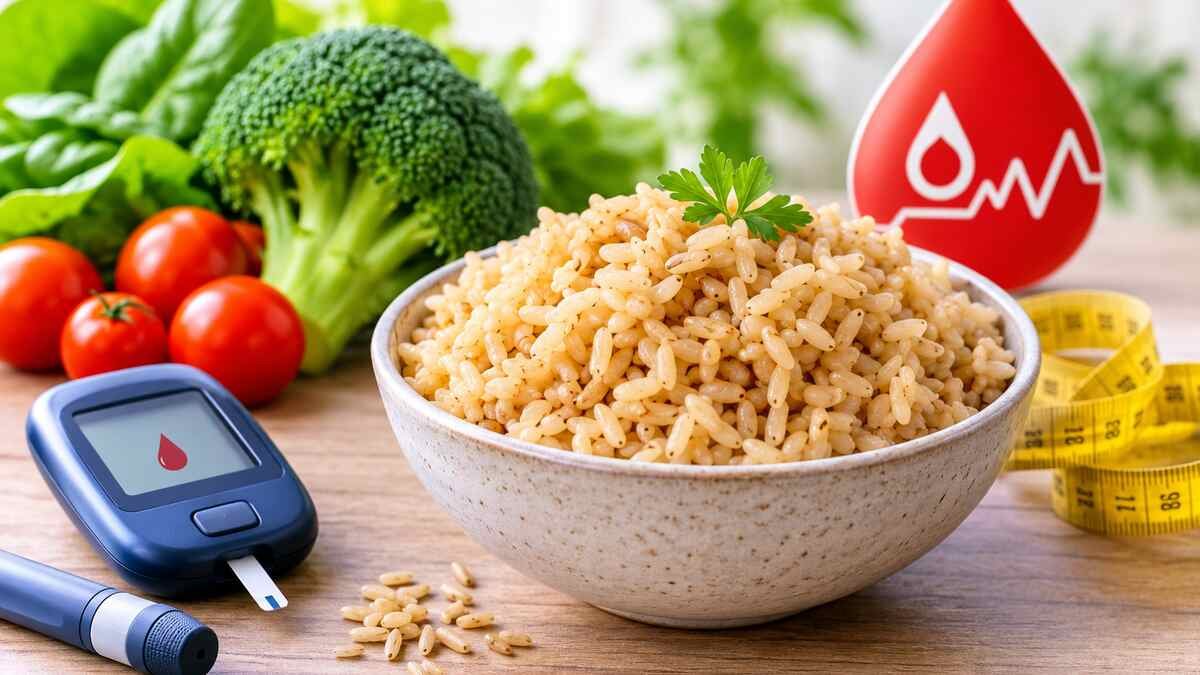

Rice is a daily staple for millions of people, so it is natural to wonder whether it can still fit on the plate after a type 2 diabetes diagnosis. Many people are told to switch to brown rice, but few hear why or what to expect from the change. The answer is more nuanced than “brown is good, white is bad.”
Brown rice is a whole grain that keeps its bran and germ, while white rice is milled to remove them. As a result, brown rice generally provides more fiber, magnesium, and other nutrients. It still contains carbohydrate, though, and carbohydrate raises blood glucose no matter which type of rice it comes from.
This guide explains what the research does and does not show, how brown rice compares with white rice, and how glycemic index and glycemic load fit in. You will also find practical meal ideas, possible drawbacks, and answers to common questions. For a broader overview of eating well with this condition, see our guide to healthy eating with diabetes.
Is Brown Rice Good for Type 2 Diabetes?
Brown rice can be part of a balanced eating pattern for people with type 2 diabetes. Its whole-grain structure and higher fiber content make it a more nutritious choice than refined white rice. However, it is not a low-carbohydrate food, and it does not automatically prevent blood sugar from rising after a meal.
The American Diabetes Association (ADA) encourages people with diabetes to choose quality carbohydrates, including whole grains, legumes, and non-starchy vegetables. Brown rice fits that general guidance. How it fits your own plan depends on your portions, your other foods, and your health goals.
Why Brown Rice Can Be a Better Grain Choice
Several features set brown rice apart from refined rice:
- Bran and germ are retained. These outer layers hold most of the grain’s fiber and many of its micronutrients.
- Higher fiber. Brown rice generally has more dietary fiber than white rice.
- Naturally occurring magnesium. Brown rice generally provides more magnesium than white rice.
- Whole-grain status. It counts as a whole grain, a food group linked with better overall diet quality.
Does Brown Rice Help Control Type 2 Diabetes?
Choosing a nutritious grain is not the same as directly improving diabetes outcomes. That distinction matters here.
A 2021 meta-analysis in PeerJ pooled seven trials involving 417 adults with prediabetes or type 2 diabetes. It found that swapping white rice for brown rice did not change HbA1c or fasting blood glucose. The authors noted that the evidence was of low to moderate quality and that short trials may miss longer-term effects.
The same analysis reported modest differences in body weight and HDL cholesterol that favored brown rice. So brown rice may be a useful dietary choice, but its direct blood sugar benefit is not firmly established. For a narrower look at this question, read our article on whether brown rice lowers blood sugar.
How Brown Rice Affects Blood Sugar Levels
During digestion, your body breaks carbohydrates down into glucose, which enters the bloodstream. In type 2 diabetes, the body has trouble moving that glucose into cells, so blood sugar can stay higher after meals. Rice, like other starchy foods, contributes to that rise.
Brown Rice Contains Dietary Fiber
Fiber is the part of plant foods that your body does not fully digest. It supports regular bowel movements and can influence how quickly food moves through the digestive tract. Brown rice generally has more fiber than white rice because its bran layer stays intact.
Brown rice contains both soluble and insoluble fiber. It is a helpful source of fiber, but it is not an exceptionally rich source of soluble fiber compared with foods like oats, barley, or beans. For more fiber ideas, see our list of high-fiber foods for digestive health.
Carbohydrates Still Raise Blood Glucose
Whole grains still deliver carbohydrate. The CDC notes that carbohydrates can raise blood sugar faster and higher than protein or fat. That is why the total carbohydrate in a meal matters, even when it comes from a nutritious whole grain.
To understand your own numbers, it helps to know how your blood sugar behaves around meals and what your A1C test results mean.
How Meal Combinations Influence Blood Sugar
What you eat with rice can shape your glucose response. Pairing carbohydrate foods with protein, fiber, and healthy fats may slow how quickly blood sugar rises after a meal. Some balanced pairings include:
- Brown rice with lentils
- Brown rice with vegetables and tofu
- Brown rice with fish and leafy greens
- Brown rice with beans and vegetables
Brown Rice vs. White Rice for Type 2 Diabetes
Brown rice and white rice start as the same grain. The difference comes from processing. White rice has its bran and germ removed, which lowers its fiber and some of its nutrients.
Nutritional Differences
| Nutritional feature | Brown rice | White rice |
|---|---|---|
| Grain type | Whole grain | Refined grain |
| Bran and germ | Retained | Removed |
| Dietary fiber | Generally higher | Generally lower |
| Magnesium | Generally higher | Generally lower |
| Processing | Less refined | More refined |
Which Rice Is Better for Blood Sugar?
Brown rice often has a lower glycemic index than white rice. One widely cited review, discussed in the PeerJ meta-analysis, reported mean values of about 55 for brown rice and 64 for white rice. Actual responses vary with the rice variety, cooking method, and what else is on the plate.
Long-term research points in a similar direction, with important limits. A 2022 systematic review in BMJ Open found that higher white rice intake was associated with a higher risk of developing type 2 diabetes, while higher brown rice intake was associated with a lower risk. The brown rice finding rested on only three cohort studies, all among U.S. health professionals, and the trials comparing the two rice types showed inconsistent results for cardiometabolic risk factors. The review’s trials also involved people without diabetes.
This is an important distinction. Those findings concern the risk of developing diabetes. They do not prove that brown rice improves blood sugar control in people who already have it.
Does This Mean People With Diabetes Must Avoid White Rice?
No. White rice does not need to be treated as a forbidden food. Overall diet quality, carbohydrate awareness, and individual meal planning matter more than labeling any single food as good or bad.
Some people prefer white rice, and some cultural dishes are built around it. A dietitian can help you fit the foods you love into a plan that supports your glucose goals.
Nutritional Benefits of Brown Rice
Brown rice offers several nutrients that make it a useful whole-grain option. Our full guide to brown rice health benefits covers its nutrition profile in more depth.
Dietary Fiber for Digestive Health
Fiber supports normal digestion and adds bulk to meals. The ADA’s nutrition guidance highlights dietary fiber as part of a healthy eating pattern for people with diabetes. Brown rice contributes to daily fiber intake alongside vegetables, legumes, and fruit.
Magnesium for Normal Body Function
Magnesium supports normal muscle and nerve function and takes part in many metabolic processes. Brown rice contains more of this mineral than white rice. It should be seen as one dietary source among many, not as a treatment for insulin resistance.
B Vitamins for Energy Metabolism
Brown rice provides B vitamins, including thiamin and niacin. These help the body use energy from food.
Naturally Occurring Plant Compounds
The bran layer contains phenolic compounds and other plant substances. Researchers are still studying what these compounds do in the body. No evidence shows they independently reverse insulin resistance or treat diabetes.
How to Eat Brown Rice With Type 2 Diabetes
Practical choices at the table often matter more than the grain itself. These ideas can help you build balanced meals.
Pair Brown Rice With Non-Starchy Vegetables
Vegetables add fiber, volume, and variety. Good partners include broccoli, spinach, cabbage, cauliflower, green beans, and bell peppers. Our guides to the best vegetables for diabetes and broccoli for type 2 diabetes offer more ideas.
Include Protein-Rich Foods
Protein helps make a meal more satisfying and balanced. Good options include lentils, chickpeas, fish, eggs, tofu, and chicken. Legumes also add fiber, as covered in our article on the health benefits of legumes.
Be Mindful of Overall Carbohydrate Intake
Rice is only one source of carbohydrate in a meal. Bread, potatoes, fruit, and sweet sauces all count too. Carbohydrate needs differ from person to person, so there is no single serving size that suits everyone. Your care team can help you set a target that fits your medications, activity level, and goals.
Try Balanced Brown Rice Meal Combinations
- Brown rice with lentil curry and mixed vegetables
- Brown rice with grilled fish and spinach
- Brown rice with chickpeas, cucumber, and vegetables
- Brown rice with tofu and steamed broccoli
Use the Diabetes Plate Method
The CDC’s diabetes plate method offers a simple visual guide:
- Half the plate: non-starchy vegetables
- One quarter: protein foods
- One quarter: carbohydrate foods, such as brown rice or another grain
This is a general planning tool, not an individualized prescription. The ADA also promotes the plate method as an approachable way to build meals. For a broader overview of balanced eating, see our guide to what a balanced diet looks like.
Glycemic Index and Glycemic Load of Brown Rice
These two measures can help you think about carbohydrate quality, but neither tells the whole story.
What Is the Glycemic Index (GI)?
The glycemic index ranks carbohydrate foods by how quickly they raise blood glucose compared with a reference food. Brown rice varieties can have different GI values depending on the grain type, milling, and cooking. Because of this wide range, no single GI number applies to every brown rice product.
What Is Glycemic Load (GL)?
Glycemic load considers both the GI and the amount of available carbohydrate in a serving. A food with a moderate GI can still add a lot of glucose if you eat a large portion. That is why portion awareness belongs alongside GI.
Why These Measurements Matter
GI and GL can help you compare carbohydrate choices. However, neither predicts your individual glucose response. Your meal composition, activity, medications, and body all play a role. If you use a glucose meter or continuous glucose monitor, your own readings are often the most useful guide.
Potential Drawbacks and Considerations
Brown Rice Still Contains Carbohydrates
Whole grains can raise blood glucose. Brown rice should be counted within your overall meal plan, not treated as a “free” food. Our article on eating brown rice every day explores regular intake in more detail.
Arsenic Exposure
Rice can absorb inorganic arsenic from soil and water as it grows. Because brown rice keeps its bran, it can contain more arsenic than white rice. The FDA has encouraged people to eat a varied diet with a range of grains instead of relying on one food. Rotating rice with oats, barley, quinoa, or bulgur is a simple way to do that.
Digestive Discomfort
If you are not used to high-fiber foods, a quick jump to brown rice may cause gas, bloating, or loose stools. Increasing fiber gradually and drinking enough fluids can help your body adjust.
Individual Blood Sugar Responses
Two people can eat the same bowl of rice and see different glucose readings. If you monitor your glucose, share your readings and meal patterns with your diabetes care team. They can help you interpret what you see.
Other Whole Grains to Consider
Brown rice is not your only whole-grain option. Variety adds different nutrients and keeps meals interesting.
| Whole grain | Nutritional benefit |
|---|---|
| Oats | Contains beta-glucan fiber |
| Barley | Provides soluble fiber |
| Quinoa | Provides fiber and plant protein |
| Whole wheat | Offers fiber and B vitamins |
| Bulgur | Provides fiber and complex carbohydrates |
The ADA’s nutrition guidance supports eating patterns that include whole grains, vegetables, fruits, legumes, nuts, and seeds. Our guide to healthy foods to eat every day has more ideas for building varied meals.
Frequently Asked Questions
Can people with type 2 diabetes eat brown rice?
Yes, brown rice can fit into a balanced eating pattern for people with type 2 diabetes. It has more fiber than white rice, but it still contains carbohydrate that affects blood glucose. The CDC’s meal planning guidance offers a helpful framework.
Does brown rice lower blood sugar?
Brown rice does not directly lower blood glucose. A 2021 meta-analysis found no difference in HbA1c or fasting glucose when brown rice replaced white rice in people with prediabetes or type 2 diabetes. It may still be a more nutritious alternative to refined grains.
Is brown rice better than white rice for diabetes?
Brown rice generally provides more fiber and nutrients than white rice. Observational research links brown rice with a lower risk of developing type 2 diabetes, although trial results are mixed. Individual responses and overall meal composition matter as well.
Can I eat brown rice every day with type 2 diabetes?
It can be included regularly if it fits your nutritional needs and meal plan. Varying your grains, adding vegetables and protein, and watching portions can help create balanced meals. Because rice may contain arsenic, rotating grains is also a reasonable approach.
How much brown rice can someone with diabetes eat?
There is no single amount that works for everyone. The right portion depends on your total carbohydrate goals, medications, activity level, and glucose readings. A registered dietitian can help you set a portion that suits you.
Does brown rice have a low glycemic index?
Brown rice generally has a lower glycemic index than many refined rice varieties. Values still differ by variety and cooking method, so no single number applies to all brown rice.
Conclusion
Brown rice can be a nutritious whole-grain choice for people with type 2 diabetes. It provides fiber, magnesium, B vitamins, and plant compounds that refined white rice lacks. Observational studies also suggest a link between eating brown rice and a lower risk of developing type 2 diabetes.
Even so, brown rice still contains carbohydrate and does not guarantee better blood sugar control. The most useful approach is to look at your overall meal composition, carbohydrate intake, food variety, and personal glucose responses. To explore the condition further, visit our overview of type 2 diabetes. Talk with a registered dietitian or your healthcare professional about a plan that fits your needs.
Sources
- Abdul Rahim AF, Norhayati MN, Zainudin AM. The effect of a brown-rice diet on glycemic control and metabolic parameters in prediabetes and type 2 diabetes mellitus: a meta-analysis of randomized controlled trials and controlled clinical trials. PeerJ. 2021.
- Yu J, Balaji B, Tinajero M, et al. White rice, brown rice and the risk of type 2 diabetes: a systematic review and meta-analysis. BMJ Open. 2022.
- Haghighatdoost F, et al. The effect of brown rice compared to white rice on adiposity indices, lipid profile, and glycemic markers: a systematic review and meta-analysis of randomized controlled trials. Crit Rev Food Sci Nutr. 2022.
- Centers for Disease Control and Prevention. Diabetes Meal Planning.
- American Diabetes Association. Facilitating Positive Health Behaviors and Well-being to Improve Health Outcomes: Standards of Care in Diabetes, 2026. Diabetes Care. 2026.
- American Diabetes Association. Nutrition and Wellness: Meal Patterns.
- American Diabetes Association. Eating Healthy.
- U.S. Food and Drug Administration. Arsenic in Rice and Rice Products Risk Assessment.
Medical Disclaimer: This article is for general educational purposes only and is not a substitute for professional medical advice, diagnosis, or treatment. Nutrition needs differ from person to person, especially for people with diabetes. Always talk with your doctor, diabetes care team, or a registered dietitian before changing your diet, and never stop or change prescribed medication without medical guidance.