
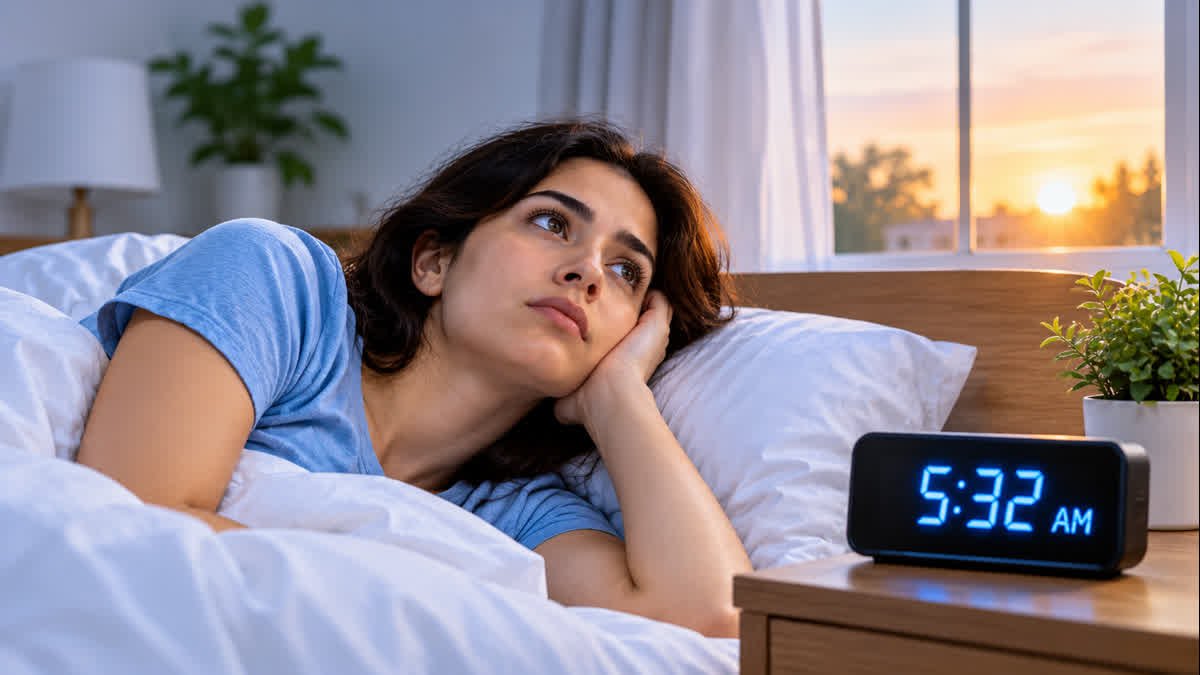

You wake up at 4 or 5 a.m., feel tired, and cannot drift off again. Or you stay awake through the night, and by the time you try to sleep, the sun is already up. Both situations involve trouble falling asleep, and both can be deeply frustrating.
These two experiences are not quite the same. Waking too early and being unable to return to sleep is called early-morning awakening. Trying to sleep after sunrise, often because of night-shift work or an irregular schedule, is a different problem with different causes. Stress, anxiety, circadian rhythm changes, and everyday habits can play a role in either one.
Occasional sleep difficulty is common, and one rough morning is not usually a reason to worry. Recurring problems, however, may deserve medical attention. This article explains why morning sleep trouble happens, how to tell the two patterns apart, what may help, and when to talk with a healthcare professional.
Why Do I Have Trouble Falling Asleep in the Morning?
Trouble falling asleep in the morning can happen because of circadian rhythm changes, stress, irregular sleep schedules, or night-shift work. Morning light and natural wake-up signals can make returning to sleep difficult. If early waking happens regularly or affects your daily activities, consider speaking with a healthcare professional.
Your body runs on an internal clock called the circadian rhythm, which follows a roughly 24-hour cycle. According to the National Heart, Lung, and Blood Institute (NHLBI), this clock helps tell you when it is time for sleep, and it stays in sync with cues from the environment, especially light.
As morning approaches, the same system that helped you fall asleep begins preparing you to wake up. Light exposure and hormone changes raise alertness. If you wake at 4 a.m., your body may already be moving toward wakefulness, which can make it hard to drift back off.
People on delayed or irregular schedules face the opposite problem. Their bodies may be signaling “daytime” just when they want to sleep. Neither situation automatically means you have insomnia.
Consider the difference. Someone who sleeps at 10 p.m. and wakes at 4 a.m. is dealing with a different pattern than someone who works overnight and tries to sleep at 7 a.m. Knowing which describes you is the first step toward the right solution.
Understanding Early-Morning Awakening vs. Morning Sleep Difficulties
Early-Morning Awakening
Early-morning awakening means waking earlier than you intended and being unable to fall back asleep. You may wake several hours before your alarm, feel tired but alert, and keep checking the clock. Daytime tiredness often follows because you did not get enough sleep.
Persistent early waking can be associated with insomnia, mood disorders, aging, or changes in circadian rhythm. It can also be linked to stress. One occasional early wake-up is common and usually not meaningful on its own.
Trying to Fall Asleep After Sunrise
Some people try to sleep in the morning because of:
- Night-shift employment
- Staying awake throughout the night
- Irregular bedtime routines
- Delayed sleep timing
- Travel across time zones
Morning light and the body’s natural wake signals can make daytime sleep harder. In this case, the main issue is often a mismatch between your sleep schedule and your body clock, rather than a problem with sleep itself.
Common Causes of Trouble Falling Asleep in the Morning
Several factors can contribute. You may recognize more than one. For a broader look, see our guide to the common causes of poor sleep.
1. Circadian Rhythm Changes
Your internal clock regulates sleep and wakefulness. Light reaching your eyes in the morning encourages alertness, which can make it hard to return to sleep. The timing of your clock also shifts with age, and the NHLBI notes that normal aging can make it harder for older adults to stay asleep.
2. Stress and Anxiety
Racing thoughts after waking, worries about work or daily responsibilities, and heightened alertness during stressful periods can keep you awake. Worrying about not getting enough sleep can make it even harder to doze off again. Our overview of anxiety explains how worry affects the body.
3. Irregular Sleep Schedules
Changing your bedtime often, staying up late, sleeping at different times on weekends, or rotating shifts can make your sleep-wake cycle less predictable. Your body may not know when to expect sleep.
4. Night-Shift Work
People who work overnight often struggle to sleep after sunrise. Common obstacles include:
- Daylight exposure on the way home
- Noise and household activity during the day
- Difficulty keeping a consistent sleep schedule
- Conflict between work hours and the body’s natural clock
5. Caffeine and Other Stimulants
Coffee, tea, energy drinks, nicotine, and some medications can interfere with sleep. Caffeine consumed late in your waking period can still affect the sleep that follows, even if you do not feel jittery.
6. Medical and Mental Health Conditions
Insomnia, depression, anxiety disorders, chronic pain, restless legs syndrome, and sleep apnea can all contribute to sleep disturbances. Trouble sleeping in the morning does not, by itself, establish any of these diagnoses. A healthcare professional can help sort out the cause.
Is Waking Up Too Early a Sign of Insomnia?
Sometimes. Early-morning awakening is a recognized symptom of insomnia. Insomnia can involve difficulty falling asleep, staying asleep, or waking earlier than intended despite having enough time in bed.
Occasional early waking does not necessarily mean you have insomnia. The picture changes when the pattern persists and you notice daytime effects, such as fatigue, trouble concentrating, or low mood.
Clinicians generally describe chronic insomnia disorder as sleep difficulty at least three nights per week for at least three months, despite adequate opportunity to sleep, with daytime consequences. The American Academy of Sleep Medicine (AASM) uses this definition, and NHLBI describes it similarly. Short-term insomnia lasts less than three months.
You do not need to wait three months to ask for help. Stress, medical conditions, medication effects, and sleep habits can all contribute, and a healthcare professional can help you look at each one.
How Your Circadian Rhythm Affects Morning Sleep
Understanding the biology can make morning sleep trouble feel less mysterious.
Understanding Your Internal Body Clock
The circadian rhythm is your body’s roughly 24-hour timing system. It influences sleep and wakefulness, body temperature, hormone release, and alertness throughout the day. The NHLBI notes that this rhythm affects cells, tissues, and organs throughout the body.
The Role of Melatonin
Melatonin is a hormone that helps signal that it is time to prepare for sleep. Your body tends to release it as it gets dark. The NHLBI explains that melatonin levels start rising in the evening and peak in the early morning, and that exposure to artificial light can interfere with this process.
Why Morning Light Makes Sleeping Difficult
Light reaching your eyes helps keep your internal clock matched to the day-night cycle. Morning light encourages wakefulness, particularly if you are trying to sleep later than your usual biological schedule.
The Role of Cortisol
Cortisol is a hormone that naturally helps prepare your body to wake up. As the NHLBI describes, your body releases it as the sun rises. The practical takeaway is that your body may be sending wake-up signals even when you want to keep sleeping. Sleep pressure, the drive to sleep that builds the longer you are awake, also matters, and napping can lower it.
Symptoms That May Accompany Morning Sleep Problems
When sleep is cut short or poorly timed, you may notice:
- Feeling tired right after waking
- Difficulty concentrating
- Irritability or mood changes
- Daytime sleepiness
- Reduced energy
- Frequent yawning
- Headaches after poor sleep
- Difficulty completing normal daily activities
Our guide to the early signs of poor sleep can help you see how these fit together.
Warning Signs That Deserve Medical Attention
Pay attention to:
- Persistent early-morning awakening
- Repeated sleep difficulty despite enough time in bed
- Loud snoring with gasping or breathing interruptions
- Significant daytime sleepiness
- Persistent low mood or anxiety
- Sleep problems that interfere with work, relationships, or daily functioning
These symptoms can have several explanations. They call for appropriate evaluation rather than self-diagnosis.
How to Fall Asleep Again After Waking Up Early
These steps may help, though results vary and none is guaranteed. Try them in this order:
- Avoid checking the clock. Clock-watching can increase frustration and worry about lost sleep. Turn the clock away from view.
- Keep the bedroom dark and quiet. Blackout curtains, reduced outside noise, and a comfortable temperature can help. Avoid unnecessary light.
- Practice relaxation. Try slow breathing, progressive muscle relaxation, gentle mindfulness, or quiet, calming audio.
- Do not force sleep. If you stay awake and frustrated for about 15 to 20 minutes, get up and do something quiet in dim light. Return to bed when you feel sleepy.
- Stay off your phone. Messages, social media, and videos can raise alertness and expose your eyes to light.
Please avoid alcohol, sedatives, or unprescribed sleep medication as ways to get back to sleep. They carry risks and are not suitable for everyone. For more ideas at bedtime, see our guide on how to relieve trouble falling asleep at home.
How to Improve Your Sleep Schedule
Longer-term habits can help your body clock settle into a steadier pattern.
Maintain Consistent Sleep and Wake Times
Try to keep regular sleep and wake times, including weekends. If you are unsure where to begin, read about how to build a sleep schedule.
Get Appropriate Daytime Light Exposure
Natural light during the day helps regulate circadian timing. Night-shift workers may need a different light strategy, such as limiting bright light before sleep, and should ask a healthcare professional what fits their schedule. Our guide on building a habit of sunlight exposure offers practical ideas for day workers.
Limit Caffeine Before Sleep
Avoid caffeine in the hours leading up to your intended sleep time, whatever time of day that is.
Create a Relaxing Sleep Environment
A dark, quiet, comfortable bedroom supports sleep at any hour. Screens can work against you, so see how screen use and trouble falling asleep are connected.
Adjust Sleep Timing Gradually
If your schedule is delayed or irregular, shifting it slowly is often more manageable than moving your bedtime by several hours at once. Small, steady changes are easier to keep.
Avoid Long Naps
Long or late naps can reduce sleep pressure and make the next sleep period harder. If you nap, keep it short. You can also review habits that make poor sleep worse, or read our broader guide on how to improve sleep.
When Should You See a Doctor?
Consider talking with a healthcare professional if:
- You regularly wake earlier than intended and cannot return to sleep
- Sleep difficulties continue for several weeks
- Daytime fatigue affects your daily functioning
- You have persistent anxiety or low mood
- You suspect a medication is interfering with your sleep
- You have symptoms of another sleep disorder, such as loud snoring with gasping
A healthcare professional may review your sleep habits, medical history, medications, and mental health. A sleep diary can help identify patterns. NHLBI suggests keeping one for one to two weeks before an appointment.
Not everyone with morning sleep difficulty needs a sleep study or medication. If insomnia is diagnosed, cognitive behavioral therapy for insomnia (CBT-I) is a recommended first-line treatment, according to the AASM and the VA/DoD guideline.
If poor sleep comes with ongoing hopelessness, or you ever feel you may harm yourself, call or text 988 (the Suicide and Crisis Lifeline in the U.S.) or seek emergency care right away.
Frequently Asked Questions About Trouble Falling Asleep in the Morning
1. Why do I wake up early and can’t fall back asleep?
Natural circadian rhythm changes, stress, anxiety, insomnia, and environmental disturbances can all cause early waking and difficulty returning to sleep. Because your body begins to move toward alertness as morning approaches, falling back asleep can feel harder. If it happens often, talk with a healthcare professional.
2. Is it normal to have trouble falling asleep in the morning?
It can be, especially for people who work night shifts or follow irregular schedules. Persistent problems that affect daytime functioning deserve attention. Occasional difficulty is common.
3. Can anxiety cause early-morning awakening?
Yes. Anxiety can cause racing thoughts, increased alertness, and trouble returning to sleep after waking. If worry feels hard to manage, consider speaking with a professional.
4. Why can’t I sleep after staying up all night?
Morning light, circadian rhythm signals, and changes in your sleep timing can make it hard to fall asleep even after a night awake. Your body clock may be signaling alertness despite your fatigue. The NHLBI explains how light and your internal clock interact.
5. How can I fall asleep again after waking up at 4 a.m.?
Keep the room dark, avoid clock-watching, and try slow breathing or another relaxation method. If you are still awake after about 15 to 20 minutes, leave the bed for a quiet activity in dim light and return when sleepy.
6. Can waking up too early be a sign of depression?
Early-morning awakening can occur with depression, but it is not enough to diagnose the condition. Persistent low mood, loss of interest, or other emotional symptoms should be discussed with a healthcare professional. Our overview of depression explains more.
7. When should I worry about waking up too early?
Seek medical advice if early waking happens regularly, causes daytime impairment, or occurs alongside other concerning symptoms. You do not have to wait for it to last three months.
Conclusion
Trouble falling asleep in the morning can have several causes, and waking too early is a different experience from trying to sleep after sunrise. Circadian rhythm changes, stress, irregular schedules, and night-shift work can all contribute. Consistent habits and a calm sleep environment may help.
Persistent sleep difficulty should not be ignored. Keep an eye on your sleep patterns, and talk with a healthcare professional if the problem continues or affects everyday life. Better sleep is often possible once the cause is understood.
Sources
- National Heart, Lung, and Blood Institute: Your sleep-wake cycle
- National Heart, Lung, and Blood Institute: What makes you sleep? (body clock)
- National Heart, Lung, and Blood Institute: Insomnia diagnosis
- American Academy of Sleep Medicine: New guideline supports behavioral, psychological treatments for insomnia
- VA/DoD Clinical Practice Guideline for the Management of Chronic Insomnia Disorder and Obstructive Sleep Apnea (2025)
Medical Disclaimer: This article is for general educational purposes only and is not medical advice. It does not diagnose, treat, or replace care from a qualified healthcare professional. If you have ongoing trouble sleeping, daytime symptoms, or other health concerns, please talk with your doctor or another licensed provider. If you think you are having a medical emergency, call 911 or your local emergency number right away.