
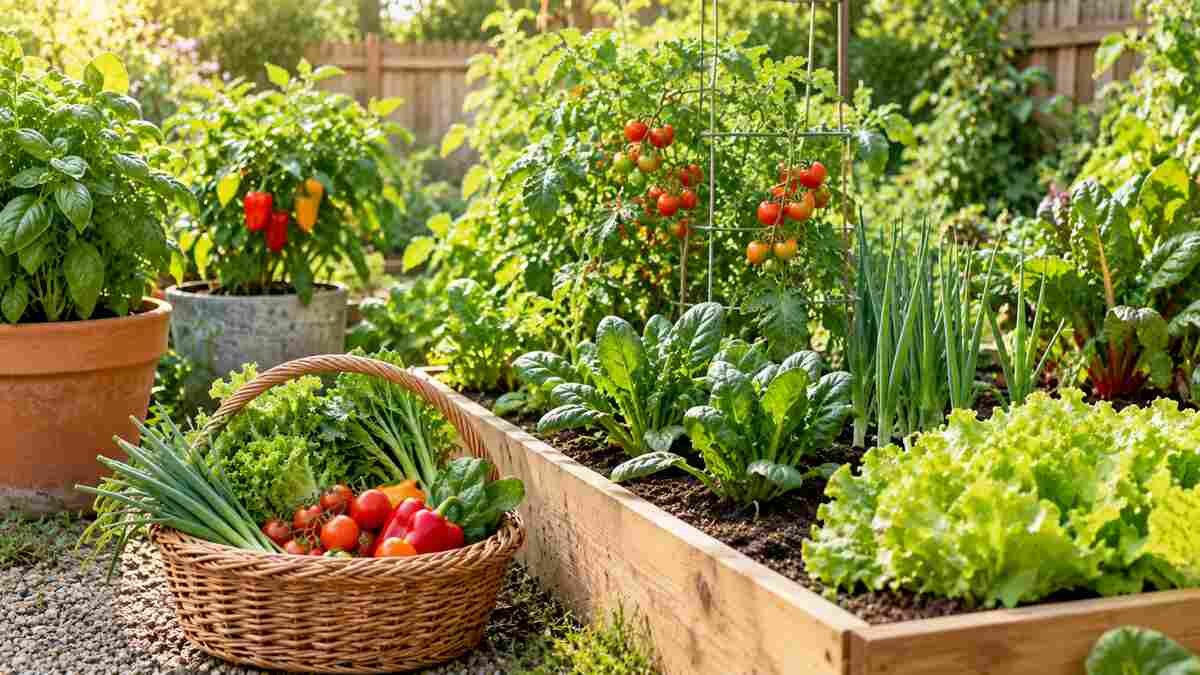

Vegetable gardening benefits go well beyond fresh produce. Tending a few plants can add gentle movement to your day, get you outside, and give you a simple routine to look forward to. For many people, it also changes how they think about the food they eat.
If your days feel stressful, sedentary, or screen-heavy, a small garden can offer a different kind of break. You do not need a large yard or any gardening experience. A few containers on a balcony, patio, or sunny windowsill is enough to start.
Gardening is not a treatment for any health condition, and not everyone will experience the same benefits. This guide covers the potential physical and mental health benefits, then walks through how to start a vegetable garden as a beginner, avoid common mistakes, and stay safe.
What Is Vegetable Gardening, and Why Is It Worth Trying?
Vegetable gardening means growing edible plants for yourself or your household. It can take many forms: outdoor beds, raised beds, containers, balcony planters, or small pots near a bright window. The right setup depends on your space, sunlight, climate, budget, and time.
University of Maryland Extension calls growing in containers one of the best approaches for beginners. Nearly everyone can find a spot to grow something edible in a pot.
Good first crops include leafy greens, radishes, green onions, and suitable tomato varieties. Gardening also connects food to everyday life, because you see where it comes from and decide how to use it. It works best when it feels like something you enjoy, not another chore.
7 Potential Health Benefits of Vegetable Gardening
Research on gardening and health is encouraging but still developing. A 2017 meta-analysis of 22 studies found that gardening was associated with reductions in depression, anxiety, and body mass index. It also found increases in life satisfaction, quality of life, and sense of community.
Keep the limits in mind. The studies varied widely in design and participants, and some included structured horticultural therapy programs, so the results may not apply equally to everyone. Think of the benefits below as possibilities, not promises.
1. May Help Reduce Everyday Stress
Gardening can give you a hands-on break from daily pressures. Watering plants, preparing soil, and tending seedlings can pull your attention to the present moment. It is also an activity away from screens and work.
The WHO Regional Office for Europe reports that green spaces can promote psychological relaxation and stress alleviation. That research covers green spaces in general, not gardening alone.
Someone who spends 10 to 15 minutes tending a few pots after a busy day may find the routine calming. This is a possible benefit, not a guaranteed stress treatment. For other approaches, see our guide on how to reduce stress.
2. Supports Mental Well-Being Through Meaningful Activity
Caring for living plants gives many people a sense of purpose and accomplishment. Planting a seed is a small, achievable goal. Watching it grow gives you visible feedback for regular care.
Watering and checking plants can also create a steady routine. Harvesting adds a rewarding sense of progress. Gardening can be adapted to different energy levels and abilities, which makes it more accessible than many hobbies.
The meta-analysis above linked gardening to improvements in life satisfaction and quality of life. Gardening can complement good care, but it does not replace professional support for depression, anxiety, or other conditions.
3. Encourages Physical Activity
Digging, planting, watering, weeding, and harvesting all involve movement. Gardening can include walking, bending, reaching, and light lifting. How much activity you get depends on the size of your garden and the tasks you do.
The WHO recommends that adults get at least 150 to 300 minutes of moderate-intensity aerobic activity per week, and notes that regular activity benefits both physical and mental health. Gardening may contribute to your total, but it does not automatically meet everyone’s needs.
If you are just starting, begin with short sessions and increase gradually. Raised beds and containers can be easier on the body than ground-level beds. For more on the value of movement, see our guide to the benefits of exercise.
4. Can Encourage Healthier Eating Habits
Growing vegetables gives you a direct connection to your food. Many people become more curious about fresh produce once they have grown it themselves. A harvest can also nudge you to try new ingredients or herbs.
Homegrown tomatoes, spinach, or greens can go into omelets, soups, salads, rice dishes, and curries. Growing food may also build awareness of seasonal produce.
Gardening does not guarantee a better diet, because food preferences, access, cost, and the rest of what you eat still matter. For nutrition basics, see the health benefits of eating vegetables daily.
5. Provides Opportunities to Spend Time Outdoors
Outdoor gardening gives you a reason to step outside and combine light movement with natural surroundings. Watching plants, insects, and the seasons change can make the activity more engaging.
A WHO Europe review found an overall positive relationship between green and blue spaces and mental health. It also found mixed results across space types, with no single kind that works best for everyone.
If you lack a yard, try a balcony, patio, community garden, or sunny indoor spot. Weather, climate, and accessibility will shape your experience. Checking your plants each morning can become a pleasant way to start the day.
6. Creates Opportunities for Social Connection
Gardening can be a shared activity. Families can grow vegetables together. Neighbors can swap seeds, tips, or extra produce, and community gardens offer a chance to learn from experienced growers.
The meta-analysis linked gardening to a greater sense of community. Social benefits depend on access and personal preference, and gardening alone can be just as rewarding.
7. Builds Patience, Confidence, and a Sense of Achievement
Seeds and seedlings need time and steady care. Gardening also involves problem-solving when plants face pests, weather changes, or poor conditions. Small successes can build confidence over time.
A beginner who grows a small pot of leafy greens can build on that experience before trying harder crops. Mistakes are part of learning. Not every person will find that gardening boosts confidence or self-esteem, and that is normal.
How to Start a Vegetable Garden as a Beginner
You do not need expensive equipment or lots of experience. These five steps cover the basics.
1. Choose a Suitable Growing Space
A garden can be a backyard bed, patio, balcony, or set of containers. Consider sunlight, access to water, space, drainage, airflow, and how easy the spot is to reach every day.
University of Maryland Extension suggests an in-ground vegetable garden should get at least 6 hours of full sun a day, ideally more, with easy access to water. Many fruiting vegetables need lots of sun, while some leafy greens tolerate partial shade. Exact needs vary by plant and local conditions.
Start with the space you have. You do not need an ideal garden to begin.
2. Choose Vegetables That Are Relatively Easy to Grow
University of Maryland Extension lists bush beans, tomatoes, cucumbers, peppers, lettuce, summer squash, and leafy greens among the easiest crops to manage. The table below shows a few beginner-friendly options, though results depend on your climate and the variety you choose.
| Vegetable | Why it may suit beginners | General consideration |
|---|---|---|
| Leaf lettuce | Can grow relatively quickly in suitable conditions | Often prefers cooler weather |
| Radishes | Many varieties mature quickly | Need suitable soil and steady moisture |
| Green onions | Can grow in small spaces | Need adequate light and regular watering |
| Leafy greens | Some varieties do well in containers | Heat tolerance varies by variety |
| Cherry tomatoes | Productive in sunny spaces | Need plenty of sun and support |
| Spinach or local leafy greens | Useful for everyday cooking | Choose varieties suited to your climate |
Check local planting calendars, since not every crop thrives in every region. Growing what you actually like to eat also helps you stay motivated.
3. Use Suitable Soil and Containers
Healthy plants need a good growing medium, drainage, and room for roots. For containers, use a quality potting mix rather than garden soil. University of Maryland Extension notes that commercial potting mixes work well for most common garden plants.
Choose containers with drainage holes, and match the container size to the mature plant. Tomatoes, eggplants, and peppers, for example, need larger pots than lettuce or green onions. If you garden in an urban area, see the safety section below about soil.
A few well-prepared containers are often easier to manage than a large plot.
4. Learn Basic Watering and Plant Care
Check soil moisture before you water, and avoid both dry spells and soggy soil. Plant roots dry out faster in containers than in the ground, so containers often need more frequent watering. Hot, windy, or sunny weather increases that need.
There is no single watering schedule that works for every vegetable. Adjust for temperature, rainfall, plant type, and container size. Follow the seed packet for planting depth and spacing.
A short daily check for weeds, pests, and wilting lets you catch problems early.
5. Start Small and Expand Gradually
Begin with two or three plants instead of a whole garden. University of Maryland Extension’s beginner advice is to start small, since plowing up your entire yard can leave you frustrated and exhausted.
A small start keeps costs low and makes care manageable. It also helps you learn your local growing conditions. The best beginner garden is the one that fits your space, time, and interest.
How to Make Gardening a Relaxing Part of Your Lifestyle
Gardening is most helpful when it feels enjoyable, not stressful. These ideas can help you build a habit that lasts.
Create a Simple Gardening Routine
Set aside a short, manageable time to water, check plants, or harvest. Keep the routine flexible enough to fit around work, family, and other responsibilities. For more habit-building ideas, see our healthy living tips.
Focus on the Process, Not Just the Harvest
Gardening is about more than producing food. Watching growth, learning about plants, and enjoying time outside can all be rewarding, even when a crop does not do well.
Choose Tasks That Match Your Energy and Abilities
Start with lighter jobs such as watering or harvesting. Raised beds, containers, and comfortable tools can make gardening easier on your back, knees, and hands.
Make Gardening Social if You Enjoy Company
Garden with family, share your progress with friends, or join a local gardening group if one is available. If you prefer quiet time alone, that works too.
Gardening can support everyday well-being, but it is not a substitute for professional care. If you have ongoing distress or symptoms that affect daily life, consider talking with a therapist or your healthcare provider. If you may be in crisis in the U.S., call or text 988 to reach the Suicide & Crisis Lifeline. For a broader view of healthy routines, see our healthy lifestyle guide.
Common Vegetable Gardening Mistakes Beginners Should Avoid
Beginner mistakes are a normal part of learning, not a sign of failure. These are the ones to watch for.
Planting too many vegetables at once. Too many crops can make watering and upkeep hard to manage. Begin with a few suitable plants.
Choosing vegetables that do not suit your climate. Some plants struggle in extreme heat, humidity, or the wrong season. Check local planting calendars and pick varieties suited to your region.
Overwatering. Too much water can reduce soil aeration and damage roots. Check soil moisture first, and make sure containers drain.
Expecting immediate results. Plants need time to establish and produce. Learn the expected growing time for each variety.
Ignoring sunlight and soil needs. Plants in the wrong conditions can struggle even with regular watering. Match each vegetable to an appropriate location and growing medium.
Vegetable Gardening Safety Tips
A few basic habits keep gardening safe and enjoyable:
- Wash your hands after handling soil, compost, or garden chemicals.
- Use clean containers and suitable growing media.
- Rinse harvested vegetables well under running water before eating. See our tips on washing and storing vegetables.
- Follow label directions for any fertilizers or pest-control products.
- Wear sturdy footwear and gloves when helpful.
- Take breaks and avoid long stretches of outdoor work in extreme heat.
- Lift with good technique, and skip tasks beyond your abilities.
- Store tools safely.
Soil in some urban areas may contain contaminants such as lead, especially near older painted buildings or busy roads. Not every urban soil is contaminated, and homegrown vegetables are not inherently unsafe. If you are concerned, University of Illinois Extension suggests testing the soil and growing in raised beds or containers with clean soil or media, and washing hands after gardening. Check with your local extension office or health department for guidance.
Frequently Asked Questions
What are the main benefits of vegetable gardening?
Vegetable gardening can offer physical activity, time outdoors, relaxation, social connection, and fresh produce. A meta-analysis of gardening studies found associations with better well-being and lower depression and anxiety. Results vary by person, setting, and how gardening fits into daily life.
Can gardening help with stress?
It may help some people relax by offering a hands-on activity, time in natural surroundings, and a break from daily demands. The WHO links green spaces with stress alleviation and relaxation. Gardening is not a guaranteed treatment for stress or a mental health condition.
What is the easiest vegetable to grow for beginners?
Leafy greens, lettuce, radishes, green onions, tomatoes, and peppers are common starting points. University of Maryland Extension lists lettuce, tomatoes, peppers, cucumbers, and leafy greens among the easier crops. The best choice depends on your climate, sunlight, and space.
Can I grow vegetables without a backyard?
Yes. Many vegetables grow well in containers on balconies, patios, or other bright spots with good drainage. Indoor growing depends on how much light the crop needs, so a sunny window may suit leafy greens and herbs better than fruiting plants.
How much time does a beginner vegetable garden require?
It depends on garden size, plant type, weather, and conditions. A small container garden may need only a few minutes of daily checking. Watering and upkeep often increase in hot weather, especially for containers.
Start Small and Grow Your Own Healthy Habit
The vegetable gardening benefits discussed here include gentle movement, time outdoors, a calming routine, and a closer link to the food you eat. They are possibilities, not guarantees, and they look different for everyone.
You do not need a big garden or perfect conditions. Choose one or two suitable vegetables, find an accessible spot, and learn as you go. A few containers and regular attention can be enough to begin exploring the rewards of growing your own food.
Sources
- Soga M, Gaston KJ, Yamaura Y: Gardening is beneficial for health: A meta-analysis (Preventive Medicine Reports, 2017)
- World Health Organization, Regional Office for Europe: Physical activity fact sheet
- World Health Organization, Regional Office for Europe: Urban green spaces and health
- World Health Organization, Regional Office for Europe: Green and blue spaces and mental health: new evidence and perspectives for action
- University of Maryland Extension: Planning a vegetable garden
- University of Maryland Extension, Grow It Eat It: Welcome to the Year of Container Gardening
- University of Maryland: Ten best tips for beginning gardeners
- University of Illinois Extension: Urban soil lead exposure
Medical Disclaimer: This article is for general educational purposes only and is not a substitute for professional medical advice, diagnosis, or treatment. Gardening may support everyday well-being, but it does not replace care from a doctor or mental health professional. If you have a health condition, physical limitations, or ongoing emotional distress, talk with a qualified healthcare provider before starting a new activity.