
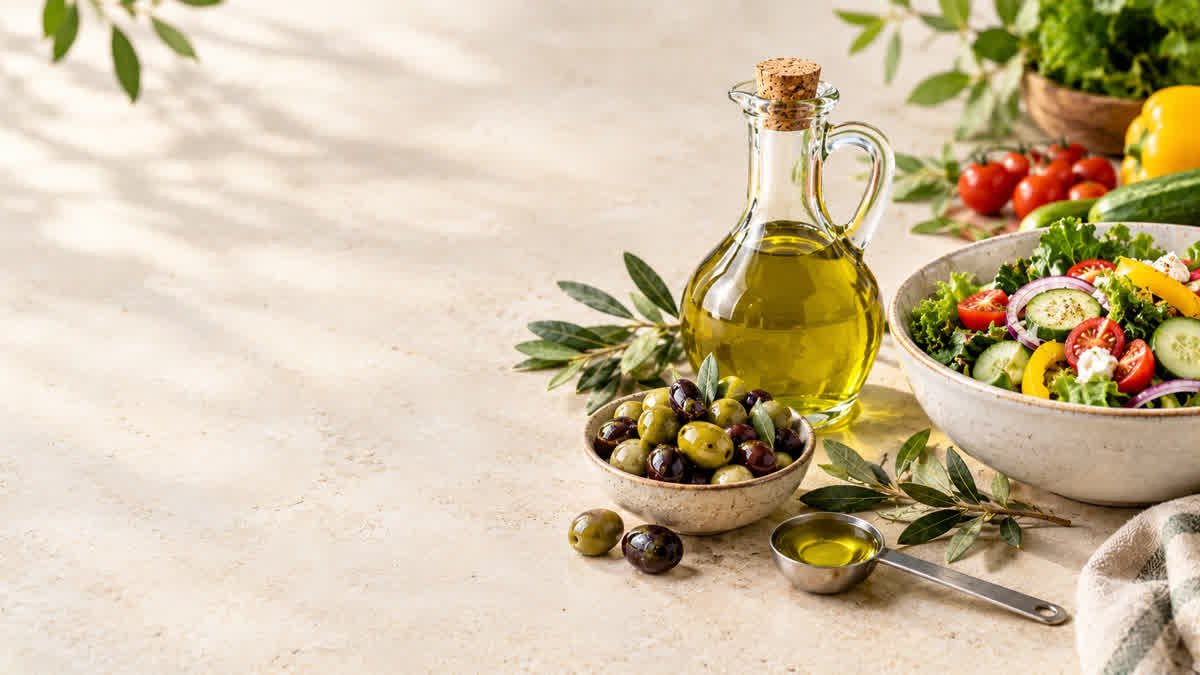

Many people wonder whether adding olive oil to their meals can help them lose weight. The short answer is that olive oil can be part of a healthy weight-management plan, but it is not a fat-burning food or a weight-loss supplement. How you use it, and what it replaces in your diet, makes the biggest difference.
Olive oil is a source of mostly monounsaturated fat, and extra virgin olive oil also provides polyphenols and other plant compounds. Those qualities help explain why it is central to Mediterranean-style eating. However, it is also energy-dense, with about 119 calories in a single tablespoon. Adding large amounts without adjusting other foods can raise your total calorie intake.
This article explains what the research suggests about olive oil and body weight, how many calories it contains, and how portion size matters. You will also learn how extra virgin olive oil compares with regular olive oil, how to include it in balanced meals, common mistakes to avoid, and answers to frequently asked questions.
Is Olive Oil Good for Weight Loss?
Olive oil may support a healthy eating pattern that helps with weight management, but evidence does not establish it as a weight-loss treatment on its own. Studies of Mediterranean-style diets that include olive oil suggest these patterns can support cardiometabolic health, and they may help with weight management when they are well structured. Those findings describe a whole diet, not olive oil alone.
Here are the main points to keep in mind:
- Olive oil contains mostly unsaturated fat, including oleic acid.
- Dietary fat can contribute to satisfaction after meals.
- Replacing some saturated fat with unsaturated fat may improve overall dietary quality.
- Olive oil provides about 119 calories per tablespoon, according to USDA FoodData Central, so portions matter.
The most important distinction is between using olive oil instead of another fat and adding it on top of what you already eat. The first can improve the quality of your diet without changing calories much. The second can quietly add hundreds of calories over a day.
Healthy fats still count toward your energy intake. Olive oil’s nutritional value does not make its calories disappear.
How Olive Oil May Support Weight Management
Olive oil is not a shortcut, but it can play a supportive role in a balanced approach. Here is how.
It Provides Unsaturated Fats
Olive oil is rich in monounsaturated fat, particularly oleic acid. The Harvard T.H. Chan School of Public Health describes olive oil as a primarily monounsaturated fat that works well as a replacement for fats higher in saturated fat. Unsaturated fats can fit into a balanced dietary pattern that supports heart health.
Remember that unsaturated fats are still calorie-dense. Choosing them over saturated fats is about fat quality, not about eating unlimited amounts.
It May Help Make Meals More Satisfying
Fat contributes to the flavor, texture, and feeling of fullness after eating. A little olive oil can make vegetables, legumes, and whole grains taste better, which may help you enjoy and finish nutritious meals.
Responses vary from person to person. Olive oil should not be treated as a guaranteed appetite suppressant.
It Can Help Make Healthy Meals Easier to Enjoy
Practical uses make a difference. Olive oil can dress a salad, coat roasted vegetables, or add richness to beans and grains. Meals built around vegetables, fiber-rich carbohydrates, and protein tend to be more filling and balanced than meals built around isolated ingredients.
Our guides to high-fiber foods and protein-rich foods offer ideas for building meals that keep you satisfied.
It Fits Into a Mediterranean-Style Eating Pattern
The Mediterranean diet commonly uses olive oil alongside vegetables, fruit, legumes, whole grains, nuts, and fish. These foods contribute fiber, protein, and a wide range of nutrients.
The benefits associated with this pattern cannot be credited to olive oil alone. To learn more, see our overview of the Mediterranean diet.
What Does the Research Say About Olive Oil and Weight Loss?
The research most often looks at Mediterranean-style eating patterns rather than olive oil by itself. Some studies suggest these patterns can support weight management and overall health. Others show modest or mixed effects on body weight, depending on how the diet was designed.
Several factors influence the results:
- Study design: Observational studies can show associations but cannot prove cause and effect. Randomized trials test dietary changes more directly.
- Duration and calorie intake: A diet that includes olive oil but reduces total calories may lead to different results than one that does not.
- What olive oil replaces: Swapping it for butter or processed fats is different from adding it to an unchanged diet.
- Individual differences: Genetics, activity, sleep, medications, and health conditions all affect weight.
Findings about an entire dietary pattern do not prove that olive oil alone causes weight loss. Weight change depends largely on sustained energy balance and personal circumstances, as outlined by the National Institute of Diabetes and Digestive and Kidney Diseases.
When you read claims online, favor systematic reviews, randomized controlled trials, and reputable public-health or academic sources. Be cautious about testimonials, animal-only studies, and any claim that a single food “melts fat.” If you want to review the evidence on fat quality more broadly, the American Heart Association advisory on dietary fats is a good starting point.
How Many Calories Are in Olive Oil?
Olive oil is calorie-dense, so portion size matters even though most of its fat is unsaturated. These approximate values come from standard food-composition data such as USDA FoodData Central.
| Serving | Approximate calories |
|---|---|
| 1 teaspoon | 40 |
| 1 tablespoon | 119 |
| 2 tablespoons | 238 |
Values are approximate and may vary slightly by serving size and measurement.
A generous pour is often more than you expect. When you dress a salad, roast vegetables, or cook without measuring, it is easy to use two or three tablespoons without noticing.
A few practical strategies can help:
- Measure when calorie awareness matters. Use a teaspoon or tablespoon instead of pouring from the bottle.
- Use just enough to coat. A small amount can cover a pan or a tray of vegetables.
- Consider a spray applicator. It can help with portion control, although sprays still contain calories.
- Count all sources. Include oil in dressings, marinades, sauces, and cooking.
- Avoid treating it as unlimited. A food being heart-friendly does not make it calorie-free.
Calorie needs differ from person to person, so there is no single target that suits everyone. For a deeper look at reading food labels, see our nutrition facts guide.
Does Olive Oil Burn Belly Fat?
There is no strong evidence that olive oil specifically targets belly fat or causes fat loss in one area of the body. The body does not reliably burn fat from a chosen region because of a particular food. This idea, often called spot reduction, is a common misconception.
Changes in abdominal fat generally follow broader changes in body weight and lifestyle. The habits that matter most include:
- An overall energy intake that suits your needs
- Regular physical activity
- Nutritious, balanced meals
- Adequate sleep
Olive oil can contribute to a healthy dietary pattern, but it should not be marketed as a belly-fat remedy. Our articles on the benefits of exercise and healthy sleep habits explain how these other factors support long-term health.
Extra Virgin Olive Oil vs. Regular Olive Oil for Weight Loss
Extra virgin and refined olive oils differ in how they are produced and in their flavor and minor compounds. For weight management, the key point is that both are calorie-dense.
Extra Virgin Olive Oil
Extra virgin olive oil is produced by mechanical methods without chemical refining. It generally retains more naturally occurring polyphenols and other minor compounds. Its flavor is more distinctive, often fruity, bitter, or peppery, which works well in dressings, dips, and many cooked dishes.
Regular or Refined Olive Oil
Regular or refined olive oil undergoes additional processing. It usually has a milder taste and can be useful in cooking when you prefer a more neutral flavor.
Both types provide about the same calories and fat per tablespoon. Extra virgin olive oil is often valued for its flavor and natural compounds, but there is no sound basis for claiming it produces more weight loss than regular olive oil.
Choose the option that fits your taste, cooking needs, and budget. You can read more about quality and production in our guide to extra virgin olive oil, and about general health effects in our article on olive oil benefits.
How Much Olive Oil Should You Use for Weight Loss?
There is no universal daily amount of olive oil for everyone trying to lose weight. The right portion depends on your total energy needs, the rest of your diet, your cooking habits, your health, and whether olive oil replaces another fat or is added to what you already eat.
Instead of a rigid rule, consider these practical steps:
- Start with a measured amount. Try a teaspoon or a tablespoon per serving when you prepare a dish.
- Substitute where possible. Use olive oil in place of some butter or other fats rather than automatically adding it.
- Pair it with whole foods. Combine modest portions with vegetables, beans, whole grains, and protein sources.
- Look at the whole day. Count the oil you use across all meals, not just one.
- Avoid a “dose” mindset. No specific number of tablespoons is a guaranteed weight-loss amount.
If you have a medical condition, take medication that affects your diet, or follow a prescribed eating plan, talk with a registered dietitian or another qualified healthcare professional. They can help you set an amount that fits your situation.
Healthy Ways to Include Olive Oil in a Weight-Loss Diet
These ideas can help you enjoy olive oil while keeping portions in check.
Make a Measured Salad Dressing
Whisk olive oil with lemon juice or vinegar, herbs, pepper, and a small amount of mustard. Measure the oil rather than pouring freely, then taste before adding more.
Roast Vegetables With a Light Coating
Toss broccoli, carrots, cauliflower, or other vegetables with a measured amount of olive oil before roasting. Greens also work well, and our guide to the health benefits of leafy green vegetables offers more ideas.
Add Flavor to Beans and Lentils
A modest amount of olive oil, combined with herbs and vegetables, can turn beans and lentils into a filling, flavorful meal. These foods also provide fiber and plant protein.
Use Olive Oil Instead of Another Fat
Where it suits the recipe, use olive oil in place of butter or another cooking fat. The goal is to swap, not stack.
Build Balanced Meals
Pair olive oil with protein sources, fiber-rich foods, and a variety of vegetables. These combinations support overall nutrition and may make meals more satisfying.
For more guidance, see our articles on what a balanced diet looks like, nutrient-dense foods, and the healthiest foods to eat every day.
Common Olive Oil and Weight-Loss Mistakes to Avoid
Small habits can quietly work against your goals. Here are common ones, along with kinder ways to approach them.
- Adding oil without adjusting anything else. Extra calories can accumulate across meals. Try replacing another fat instead.
- Assuming healthy fats are calorie-free. Olive oil is nutritious but energy-dense.
- Drinking olive oil as a weight-loss remedy. There is not enough evidence that taking it as a shot leads to meaningful weight loss.
- Expecting spot reduction. Olive oil does not selectively burn abdominal fat.
- Ignoring the rest of the diet. One ingredient cannot make up for an overall eating pattern that does not meet your needs.
- Following overly restrictive diets. Realistic, balanced habits tend to be easier to sustain than extreme rules.
Weight is influenced by many things, including genetics, health conditions, medications, sleep, stress, and environment. It is not determined by willpower alone, so be patient with yourself as you build routines that work.
Are There Any Downsides to Using Olive Oil for Weight Loss?
Olive oil is suitable for many people, but its calorie density can make portion management harder if you use it liberally. A few tablespoons across a day can add several hundred calories.
Large amounts may also cause digestive discomfort in some people, such as bloating or loose stools. If this happens, reduce the amount or spread it across meals. For persistent symptoms, speak with a healthcare professional.
Olive oil also does not replace other nutritious foods. It supplies fat but little protein or fiber, so it works best as one part of a varied diet that also includes other sources of healthy fats, such as nuts and fish.
Storage matters for quality. Keep the bottle tightly closed and away from heat, light, and air to help preserve its flavor.
Frequently Asked Questions About Olive Oil and Weight Loss
Can I eat olive oil every day and still lose weight?
Yes. Daily olive oil can fit into a weight-management plan when your total food intake and portion sizes suit your needs. Eating it every day does not automatically lead to weight loss or weight gain. Our guide on eating olive oil every day covers regular intake in more detail.
Is a spoonful of olive oil in the morning good for weight loss?
There is no convincing evidence that taking olive oil first thing in the morning independently causes weight loss. It is more useful to consider how olive oil fits into your overall diet. Including it with meals is a practical alternative.
Is olive oil better than butter for weight loss?
Both contain calories. Olive oil is rich in unsaturated fats, while butter contains more saturated fat. Replacing butter with olive oil may improve the fat profile of your diet, as supported by the American Heart Association, but calories and portion size still matter.
Does olive oil help reduce belly fat?
Olive oil has not been shown to selectively reduce belly fat. Changes in abdominal fat depend on broader factors, including overall weight change, physical activity, and individual biology.
Can I cook with olive oil while trying to lose weight?
Yes. Olive oil can be used for sautéing, roasting, and other methods suited to the oil and the temperature. Measure the amount you use, and avoid repeatedly overheating or reusing oil that has degraded.
Which olive oil is best for weight loss?
Neither extra virgin nor refined olive oil is a proven weight-loss product. Choose the type you enjoy and can use appropriately within your overall eating pattern.
Conclusion: Can Olive Oil Be Part of a Weight-Loss Plan?
Olive oil can fit into a healthy, balanced diet for weight management, but it does not independently burn fat or guarantee weight loss. Its value comes from the role it plays in an overall eating pattern.
Three principles can guide you. First, use measured portions, because olive oil is calorie-dense. Second, favor substitution over simply adding extra oil to meals. Third, build meals around a variety of vegetables, protein sources, fiber-rich foods, and healthy fats.
Sustainable weight management depends on consistent habits and individual circumstances, not a single ingredient. For more ideas on everyday habits that support your health, explore our guide to healthy lifestyle habits.
Sources
- Harvard T.H. Chan School of Public Health, The Nutrition Source. Olive Oil
- U.S. Department of Agriculture. FoodData Central
- Sacks FM, et al. American Heart Association. Dietary Fats and Cardiovascular Disease: A Presidential Advisory. Circulation.
- National Institute of Diabetes and Digestive and Kidney Diseases. Weight Management
Medical Disclaimer: This article is for general educational purposes only and is not a substitute for professional medical advice, diagnosis, or treatment. Nutrition and weight-management needs vary from person to person. Always talk with your doctor, registered dietitian, or another qualified healthcare professional before making changes to your diet, especially if you have a medical condition, take medication, or are pregnant or breastfeeding.
Never ignore professional medical advice or delay seeking it because of something you read on this website.