
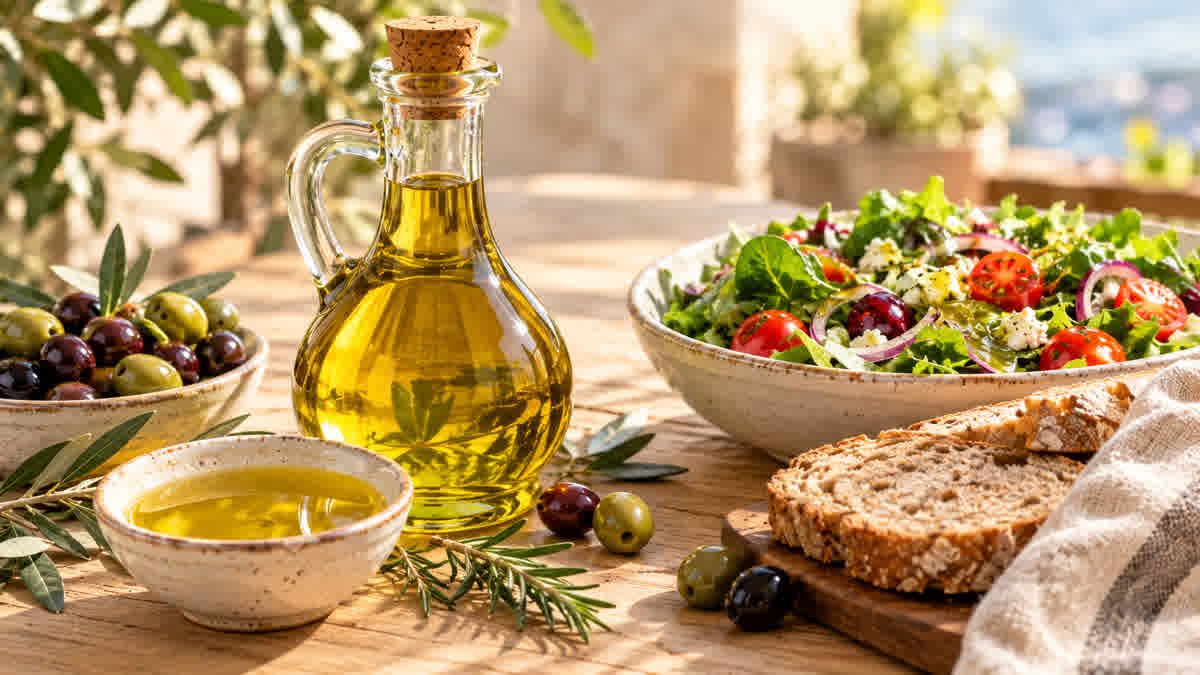

Extra virgin olive oil is more than a cooking ingredient. It is a flavorful, minimally processed oil made mostly of monounsaturated fat, and it is a defining feature of Mediterranean-style eating. For people building a balanced, heart-conscious diet, it is one of the more practical fat sources to keep in the kitchen.
What makes extra virgin olive oil (EVOO) nutritionally interesting is the combination of its fat profile and its naturally occurring plant compounds. Oleic acid makes up most of its fat, and phenolic compounds give the oil its characteristic bitterness and peppery bite. Researchers continue to study how these components may influence heart health, inflammation, and metabolism, although no single food works in isolation.
This guide explains what EVOO is, what is in a tablespoon, and what the research does and does not show. You will also find practical advice on choosing, storing, and cooking with it, along with answers to common questions. The goal is a clear, balanced picture, without promises that olive oil can prevent or cure disease on its own.
What Is Extra Virgin Olive Oil?
Extra virgin olive oil is the highest grade of olive oil. It comes from olives and is not chemically refined, which helps it keep much of its natural flavor, aroma, and minor plant compounds.
How Extra Virgin Olive Oil Is Made
EVOO is produced by pressing or crushing olives and separating the oil using mechanical or other permitted physical processes. No chemical solvents or high-heat refining are used. To earn the extra virgin label, the oil must also meet chemical and sensory standards set by regulators and industry bodies, and it must be free of taste defects.
Quality depends on many steps. The olive variety, ripeness at harvest, how quickly olives are processed, and how the oil is handled and stored all influence flavor and composition. Olives that are bruised or left waiting too long before pressing tend to produce lower-quality oil.
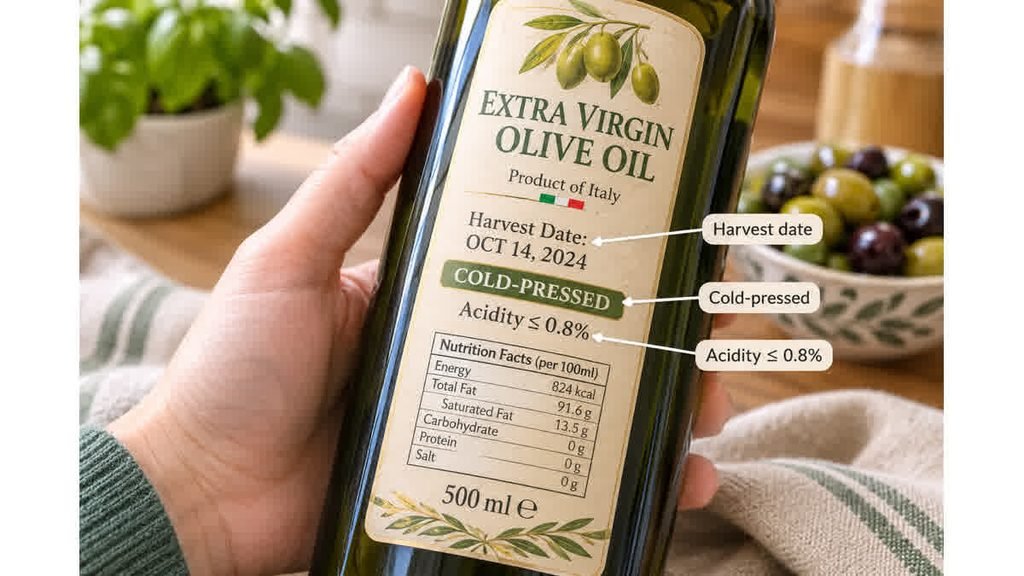
You may see acidity listed on a label. Acidity (free fatty acid content) is a chemical measure of quality, and extra virgin oil must fall below a set limit. It does not describe how sour the oil tastes, and it is not a direct measure of health value.
Extra Virgin vs. Virgin vs. Refined Olive Oil
The main grades differ in how they are made and how strict their quality requirements are:
- Extra virgin olive oil: Unrefined oil that meets the applicable chemical and sensory standards.
- Virgin olive oil: Also obtained mechanically, but with less stringent quality requirements and a slightly higher allowed acidity.
- Refined olive oil: Oil that has been refined to remove flaws, which typically gives a milder flavor and fewer naturally occurring minor compounds. It is often blended with some virgin oil for taste.
These categories are not nutritionally identical, but refined olive oil is not without value. It still provides mostly monounsaturated fat. The main difference is that EVOO generally retains more phenolic compounds and flavor.
Extra Virgin Olive Oil Nutrition Facts
Extra virgin olive oil is a concentrated source of fat and energy. A typical serving contributes calories and fatty acids, but very little else in the way of protein, carbohydrates, or fiber.
Calories and Macronutrients
The table below shows approximate values for one tablespoon (about 13.5 grams), based on USDA data. Exact numbers vary by product and serving size, and you can check specific values in USDA FoodData Central.
| Nutrient | Approximate amount per tablespoon |
|---|---|
| Calories | 119 |
| Total fat | 13.5 g |
| Saturated fat | 1.9 g |
| Monounsaturated fat | 9.8 g |
| Polyunsaturated fat | 1.4 g |
| Protein | 0 g |
| Carbohydrates | 0 g |
Because EVOO is almost pure fat, its calories add up quickly. That is worth remembering when you pour rather than measure. For more background on reading labels and understanding serving sizes, see our guide to nutrition facts.
Oleic Acid and Polyphenols
Oleic acid is the main monounsaturated fatty acid in olive oil and typically accounts for the majority of its fat. Replacing some saturated fat in the diet with unsaturated fat is a core feature of many heart-healthy eating patterns.
EVOO also contains varying amounts of phenolic compounds, including hydroxytyrosol-related compounds and oleuropein derivatives. These compounds contribute to the oil’s bitterness and the peppery sensation you may feel at the back of your throat. Their concentration depends on the olive variety, harvest timing, processing, and storage.
It helps to keep expectations realistic. EVOO provides fat, along with small amounts of vitamin E and vitamin K, but it is not a meaningful source of protein, fiber, or most vitamins and minerals. It works best as part of meals that supply those nutrients elsewhere.
9 Potential Health Benefits of Extra Virgin Olive Oil
Much of the research on olive oil comes from observational studies and from trials of the Mediterranean diet as a whole. That means many findings describe associations, not proof that olive oil alone causes a benefit. A 2024 umbrella review of olive oil and health outcomes found potential benefits across several areas while also noting limitations in the underlying evidence. The sections below reflect that balance.
1. Supports Heart Health
Heart health is the best-studied area for olive oil. Public health guidance generally recommends replacing some saturated fat with unsaturated fat, and EVOO is a convenient way to do that. In the U.S., the FDA has allowed a qualified health claim linking oleic acid-rich oils to a reduced risk of coronary heart disease. The claim is qualified because the supporting evidence is limited, and it applies when these oils replace saturated fat without increasing total calories.
A 2025 systematic review also examined EVOO and cardiovascular outcomes and possible mechanisms. Even so, the overall diet matters more than any one ingredient. EVOO is most useful as part of an eating pattern rich in vegetables, legumes, whole grains, and fish.
The strongest trial evidence comes from PREDIMED, a randomized trial of 7,447 adults at high cardiovascular risk. Participants who followed a Mediterranean diet supplemented with extra virgin olive oil had fewer major cardiovascular events than those advised to follow a reduced-fat diet, as summarized by the American College of Cardiology. Because the trial tested a whole dietary pattern, the results cannot be credited to olive oil alone. The American Heart Association also advises replacing saturated fat with unsaturated fat.
2. Provides Antioxidant Compounds
The phenolic compounds in EVOO can act as antioxidants in laboratory settings. They may help limit oxidative stress, a process in which unstable molecules called free radicals damage cells.
A meta-analysis of 26 randomized trials found that high-polyphenol olive oil improved some oxidative stress markers, such as malondialdehyde and oxidized LDL, compared with low-polyphenol olive oil. These are laboratory markers, not disease outcomes.
Laboratory activity does not always translate into clinical outcomes in people, though. Antioxidant effects seen in test tubes or small studies do not prove that eating olive oil prevents disease. To learn more about these compounds in general, read what antioxidants are and browse our list of antioxidant-rich foods.
3. May Help Support a Healthy Inflammatory Response
Researchers are studying whether the fatty acids and phenolic compounds in EVOO influence markers of inflammation in the body. Some studies report favorable changes in certain markers, while others find little difference, so results are mixed.
The same meta-analysis of high-polyphenol olive oil trials reported improvements in inflammatory markers in subgroup analyses and individual studies. A separate systematic review of olive oil and markers of inflammation and endothelial function has also examined this question.
EVOO is not a treatment for inflammatory conditions such as arthritis or inflammatory bowel disease. It is better viewed as one component of an eating pattern that emphasizes whole, minimally processed foods. For more ideas, see our guides to anti-inflammatory foods and the 15 best anti-inflammatory foods.
4. May Support Healthy Cholesterol Levels
The effect of olive oil on cholesterol depends largely on what it replaces. Swapping butter or other saturated-fat-rich ingredients for EVOO may help improve the balance of blood fats. Simply adding more oil on top of an unchanged diet is less likely to help and adds calories.
In the same meta-analysis of 26 randomized trials, high-polyphenol olive oil was linked to small improvements in total and HDL cholesterol compared with low-polyphenol olive oil. The American Heart Association stresses that replacing saturated fat with unsaturated fat, not with refined carbohydrates, is what lowers cardiovascular risk.
Responses also vary from person to person. EVOO does not reliably lower LDL cholesterol in everyone, and it is not a substitute for cholesterol-lowering medication prescribed by a clinician. The Dietary Guidelines for Americans recommend limiting saturated fat and favoring unsaturated oils within an overall healthy pattern.
5. May Support Healthy Blood Sugar Regulation
Some research has examined olive oil in relation to glucose metabolism and type 2 diabetes risk. Much of it looks at Mediterranean-style eating, which also includes fiber-rich foods, legumes, and whole grains that independently affect blood sugar.
A 2017 meta-analysis of cohort studies and trials found that people with the highest olive oil intake had a 16% lower risk of type 2 diabetes than those with the lowest. The authors noted that this applies to olive oil as a food, and cohort data cannot prove cause and effect.
Because of this, it is hard to attribute any benefit to EVOO alone. People who manage diabetes or prediabetes should follow the plan set by their healthcare team and discuss dietary changes with them.
6. May Contribute to Brain Health as Part of a Healthy Diet
Emerging research has explored links between olive oil consumption, aging, and cognitive outcomes. Some observational studies suggest that people who eat more olive oil as part of a Mediterranean-style diet may have better cognitive outcomes later in life.
One large example is a Harvard study that followed 92,383 U.S. adults for 28 years. Those who consumed at least 7 grams of olive oil per day (about half a tablespoon) had a 28% lower risk of dementia-related death than those who rarely or never used it, according to the Harvard T.H. Chan School of Public Health.
Observational findings cannot prove cause and effect, and people who eat more olive oil often differ in other lifestyle ways. Olive oil has not been shown to prevent dementia or reverse cognitive decline. Regular physical activity, good sleep, and managing blood pressure also play important roles in brain health.
7. May Support Healthy Aging
EVOO fits well into nutrient-rich eating patterns built around vegetables, legumes, whole grains, nuts, and other unsaturated-fat sources. These patterns are associated with better health outcomes in older adults.
In an analysis of the PREDIMED study, higher extra virgin olive oil intake was associated with lower cardiovascular disease and mortality risk among adults at high cardiovascular risk. The finding is an association within a specific population, so it should not be read as proof of a longer life.
Longevity claims deserve caution. An association between olive oil intake and longer life does not establish that EVOO alone extends lifespan. For a broader look at diet and aging, see our article on antioxidants for healthy aging.
8. Helps the Body Absorb Fat-Soluble Nutrients
Dietary fat helps the body absorb fat-soluble vitamins, including vitamins A, D, E, and K. Adding olive oil to vegetable-based meals may also improve the absorption of certain carotenoids, the pigments found in colorful produce such as carrots, tomatoes, and leafy greens.
The NIH Office of Dietary Supplements notes, for example, that vitamin E needs some fat for the digestive system to absorb it. In a laboratory digestion study, carotenoid availability was two to three times higher with unsaturated-fat-rich oils, including olive oil, than with saturated fats.
This does not mean olive oil is a rich source of these vitamins. It simply helps your body use the nutrients in the foods you eat alongside it. Pairing it with leafy green vegetables is an easy way to do this, and you can find vitamin D sources in our list of foods high in vitamin D.
9. Can Make a Balanced Eating Pattern More Enjoyable and Sustainable
One of the most practical benefits of EVOO is flavor. A small drizzle can make vegetables, beans, whole grains, fish, and salads taste better, which makes nutritious meals easier to enjoy and repeat.
This fits the Dietary Guidelines for Americans, which encourage eating more vegetables and choosing oils in place of solid fats.
Sustainable habits tend to matter more than short-term fixes. If olive oil helps you eat more vegetables and legumes, that is a real advantage. For more ideas, explore our guides to healthy foods and the healthiest foods to eat every day.
Extra Virgin Olive Oil and the Mediterranean Diet
Extra virgin olive oil is the main added fat in traditional Mediterranean eating. This pattern emphasizes vegetables, fruit, legumes, nuts, whole grains, and fish, with moderate amounts of dairy and limited red meat and sweets.
In practice, using EVOO often means replacing some butter or other fats high in saturated fat. You might sauté vegetables in olive oil instead of butter, or dress a bean salad with it instead of a creamy store-bought dressing.
It is important to credit the whole pattern, not just the oil. Large trials of Mediterranean-style diets supplemented with extra virgin olive oil have reported favorable cardiovascular findings, but participants changed many aspects of their diet at once. Olive oil is one piece of a larger picture that also includes plants, fish, and regular physical activity.
To learn how this way of eating works day to day, read our overview of the Mediterranean diet.
How to Choose High-Quality Extra Virgin Olive Oil
Shopping for olive oil can be confusing, and quality varies widely. A few simple checks can help you choose a good bottle.
Check the Label
Look for an explicit “extra virgin” designation and a producer you can identify. A harvest date is more useful than a “best by” date alone, because fresher oil generally tastes better and retains more of its flavor compounds. Origin information and recognized certification seals may also help you judge a product, although labeling conventions differ by country and brand.
Choose Suitable Packaging
Light and heat speed up oil degradation. Dark glass, opaque containers, or suitable metal tins help protect the oil better than clear bottles. Smaller bottles can also be a good choice if you do not use oil quickly, since a large bottle that stays open for months is more likely to go stale.
Understand Freshness and Flavor
Fresh EVOO may taste fruity, grassy, bitter, or peppery. These traits vary with the olive variety, harvest, processing, and storage. A bitter or peppery oil is not automatically healthier, and no single flavor guarantees a particular benefit.
Oil that smells waxy, musty, or like crayons may be rancid. Price is not a perfect guide either: a higher price does not automatically mean better nutritional quality, so rely on freshness, storage, and taste.
How to Use Extra Virgin Olive Oil in Everyday Cooking
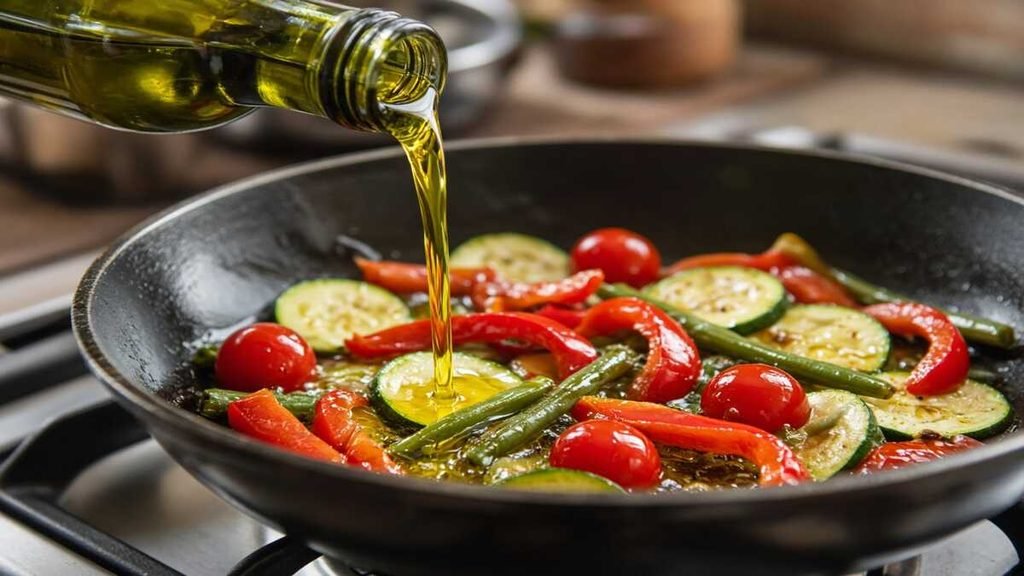
EVOO is versatile and easy to work into daily meals. Here are some simple ideas:
- Drizzle it over roasted or steamed vegetables.
- Whisk it into salad dressings with lemon juice or vinegar.
- Stir it into beans, lentils, and whole-grain dishes.
- Use it for sautéing and ordinary home cooking.
- Finish soups or cooked vegetables with a small amount for flavor.
EVOO is suitable for many common cooking methods, including sautéing and roasting, when used appropriately. You do not need to eat it raw to benefit from its unsaturated fat. Some phenolic compounds and aromas decline with heat, so many cooks save their best, most flavorful bottle for finishing and use a more economical one for everyday cooking.
Repeated overheating degrades any cooking oil, and so does prolonged exposure to air, light, and heat. Avoid reusing oil that has been heated many times or that smells off. Store the bottle in a cool, dark cupboard away from the stove, and close the cap tightly after each use.
How Much Extra Virgin Olive Oil Should You Consume Daily?
There is no universal amount of olive oil that guarantees a health benefit. Research studies have used a range of intakes, and the right amount for you depends on your energy needs, health goals, and the rest of your diet. More oil does not necessarily mean greater benefit.
One tablespoon contains roughly 119 calories, so portions matter. Measuring with a spoon, at least occasionally, can help you see how much you are actually using.
Think in terms of substitution. Using EVOO in place of some butter or other saturated-fat-rich ingredients is more useful than adding extra oil on top of what you already eat. The FDA’s qualified claim for oleic acid-rich oils, for example, refers to about 1.5 tablespoons (20 grams) per day, but only when these oils replace saturated fat and do not increase total calories.
If you have a medical condition or follow a specific dietary plan, ask a registered dietitian or your healthcare provider what amount fits your needs.
Potential Downsides and Precautions
For most people, reasonable amounts of olive oil fit well into a balanced diet. Still, a few points are worth keeping in mind.
- High calorie density: Oil is energy-dense, so large amounts can add up and contribute to weight gain if they are not balanced with the rest of your diet.
- Digestive discomfort: Some people experience stomach upset or loose stools when they eat large amounts of added fat at once.
- Total fat needs: People with certain conditions, such as gallbladder or pancreatic problems, or those following a medically supervised low-fat diet, may need different guidance.
- Storage: Oil exposed to light, heat, and air can oxidize and turn rancid, which affects taste and quality.
- Not a replacement for care: EVOO does not replace medication or medical treatment.
Individual needs differ. If you are unsure how much fat is right for you, talk with your healthcare provider or a registered dietitian.
Extra Virgin Olive Oil vs. Regular Olive Oil
Both extra virgin and regular (refined) olive oil provide mostly monounsaturated fat. They differ in how they are made, how they taste, and how many minor plant compounds they retain.
| Feature | Extra virgin olive oil | Refined/regular olive oil |
|---|---|---|
| Processing | Unrefined, subject to quality standards | Refined oil, often blended with virgin oil |
| Flavor | Often fruity, bitter, or peppery | Usually milder |
| Minor plant compounds | Generally retains more naturally occurring phenolics | Refining reduces many minor compounds |
| Culinary use | Dressings, finishing, and cooking | Everyday cooking and uses needing a milder flavor |
Labeling conventions differ by market, so terms such as “pure” or “light” may not mean the same thing everywhere. For a broader look at the general benefits of olive oil, see our companion article on olive oil benefits.
Frequently Asked Questions
Is extra virgin olive oil healthier than regular olive oil?
EVOO is unrefined and generally retains more phenolic compounds and flavor than refined olive oil. Both types provide mostly monounsaturated fat. For most people, the bigger dietary factor is what the oil replaces, such as butter or other sources of saturated fat.
Can you cook with extra virgin olive oil?
Yes. EVOO works well for many common cooking methods, including sautéing and roasting. Temperature, cooking time, and oil quality all matter, and repeatedly overheating any oil can degrade it. Research on cooking with olive oil generally supports its use in ordinary home cooking.
Is it okay to eat extra virgin olive oil every day?
For most people, yes, in reasonable portions as part of a balanced diet. Total calorie intake and what the oil replaces are the key considerations. If you have a medical condition that affects fat digestion or intake, check with your healthcare provider first.
Does extra virgin olive oil reduce inflammation?
EVOO is being studied for possible effects on inflammatory markers, but results are mixed. The evidence does not establish it as a treatment for any inflammatory disease. It is best seen as one part of an overall anti-inflammatory style of eating, such as the one described in our guide to anti-inflammatory foods.
Does extra virgin olive oil contain omega-3 fatty acids?
It contains only small amounts of omega-3 fat. Fatty fish, walnuts, and flaxseed are much richer sources. Learn more in our guide to omega-3 fatty acids.
Conclusion
Extra virgin olive oil provides monounsaturated fat and naturally occurring plant compounds, and it can be a useful part of a balanced dietary pattern. Its potential benefits are best understood alongside the overall quality of your diet, sensible portions, and other healthy habits such as regular physical activity and good sleep.
A practical approach is simple. Choose a fresh, quality product, store it away from heat and light, and use it in place of less favorable fat sources where appropriate. Small, consistent swaps tend to matter more than any single ingredient.
Sources
- Olive oil and health outcomes: umbrella review (2024), PubMed Central
- Extra virgin olive oil and cardiovascular health: systematic review (2025), PubMed Central
- PREDIMED trial summary, American College of Cardiology
- Olive oil intake and risk of cardiovascular disease and mortality in the PREDIMED Study, PubMed
- Effect of high-polyphenol extra virgin olive oil on cardiovascular risk factors: systematic review and meta-analysis, PubMed
- Effects of olive oil on markers of inflammation and endothelial function: systematic review and meta-analysis, Nutrients
- Olive oil in the prevention and management of type 2 diabetes: meta-analysis, Nutrition & Diabetes, PubMed Central
- Olive oil may reduce risk of death from dementia, Harvard T.H. Chan School of Public Health
- American Heart Association: replacing saturated fat with healthier fat
- NIH Office of Dietary Supplements: Vitamin E fact sheet for consumers
- Carotenoid micellarization and dietary fat type, Journal of Food Science and Technology
- U.S. Food and Drug Administration: Qualified health claim for oleic acid and coronary heart disease
- U.S. Department of Agriculture: FoodData Central
- Dietary Guidelines for Americans
Medical Disclaimer: This article is for general educational purposes only and is not medical advice. It does not diagnose, treat, or prevent any condition, and it should not replace guidance from a qualified healthcare professional. Talk with your doctor or a registered dietitian before making changes to your diet, especially if you have a health condition or take medication.