
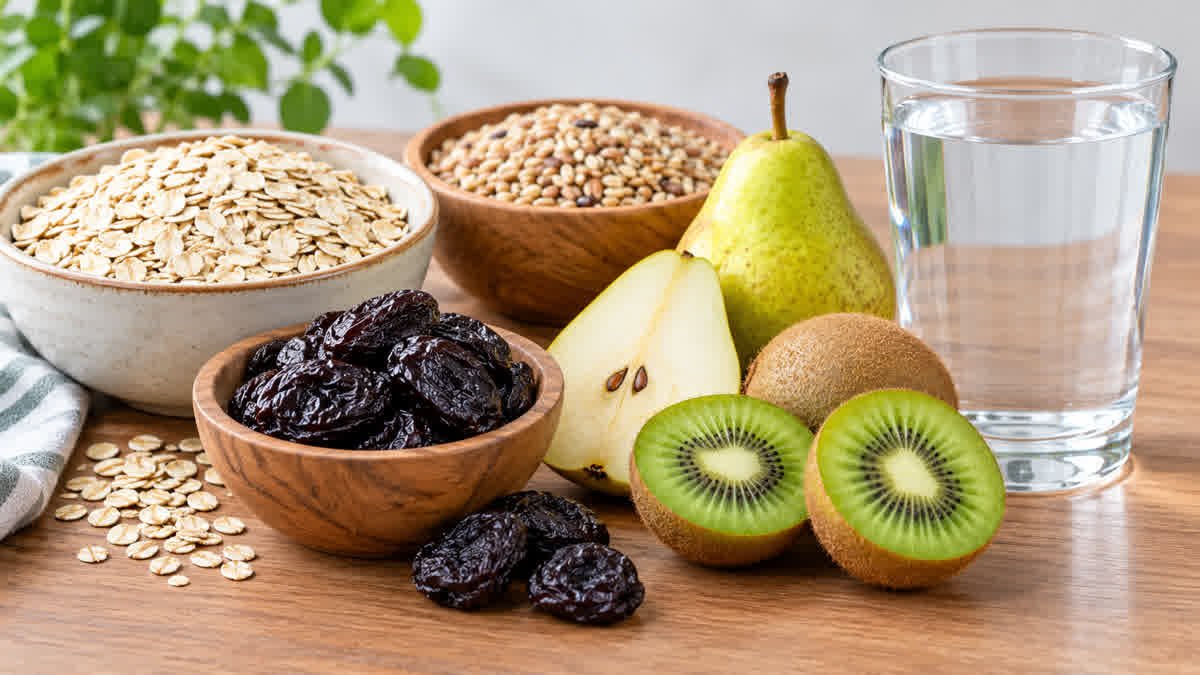

Hard stools, straining, a bloated belly, or going far less often than usual: constipation is one of the most common digestive complaints, and it can make an ordinary day feel uncomfortable. Most people deal with it at some point, whether after a trip, a change in diet, a stressful week, or a new medicine.
Constipation is not defined by frequency alone. Fewer than three bowel movements a week is commonly considered a sign of it, according to the NIDDK, but difficulty passing stool, hard or lumpy stools, and the feeling of not fully emptying your bowels count too. What is normal varies from person to person, so a change from your usual pattern matters.
This guide explains common causes and walks through 10 natural home remedies for constipation, from fiber and fluids to movement and toilet habits. These tips are meant mainly for occasional constipation. They do not replace medical care, and the warning signs described below always deserve prompt attention.
When to seek medical help: Get urgent care for severe or worsening belly pain, vomiting with a swollen abdomen, inability to pass gas or stool, significant rectal bleeding, black tarry stools, or faintness. See when to seek medical care for abdominal pain and the full list in the “When Should You See a Doctor for Constipation?” section below.
The short answer: Gradually increasing fiber, drinking enough fluids, staying active, and building a regular toilet routine can help many people with occasional constipation. Results vary, and some changes take several days to show an effect.
What Causes Constipation?
Constipation usually has more than one contributing factor. Understanding yours can help you choose the right fix. According to the National Institute of Diabetes and Digestive and Kidney Diseases (NIDDK), common causes include:
- Not eating enough fiber-rich foods
- Not drinking enough fluids, especially when dehydrated
- Low physical activity
- Ignoring the urge to have a bowel movement, or a disrupted daily routine
- Travel, stress, and changes in eating habits
- Certain medications, including opioid pain relievers and some iron supplements
- Medical conditions such as hypothyroidism, diabetes, and pelvic floor disorders
If you take a prescribed medicine that may be causing constipation, do not stop it on your own. Talk with your doctor or pharmacist about options. Constipation that keeps coming back may also need evaluation for an underlying cause.
For a broader look at gut-related problems, see our guide to common digestive problems.
10 Natural Home Remedies for Constipation
The remedies below are practical, low-risk options for most healthy adults. Start with one or two that fit your routine rather than trying everything at once. Individual results differ, and no single remedy works for everyone.
1. Eat More Fiber-Rich Foods
Fiber adds bulk to stool and helps it hold water, which can make it easier to pass. Good sources include oats, whole grains, beans, lentils, vegetables, fruit, nuts, and seeds. You can find more ideas in our list of foods high in fiber for digestive health.
Increase fiber gradually, adding it a little at a time as NIDDK recommends. Adding too much too fast can cause gas, cramping, and bloating. Drink enough fluids as you go, because fiber works best with adequate water.
Some people with certain bowel conditions, such as irritable bowel syndrome or a history of bowel narrowing, may need individualized fiber advice. If that sounds like you, check with your clinician first. The NHS also recommends gradual increases in fiber and fluids as a first step.
2. Try Prunes or Prune Juice
Prunes are a well-known food for constipation relief. They contain fiber and sorbitol, a natural sugar alcohol that can draw water into the bowel and soften stool. In a small randomized trial of adults with chronic constipation, dried plums improved bowel movement frequency and stool consistency compared with psyllium fiber (see this American Family Physician summary). The trial was small, so results are not guaranteed.
Start with a modest serving, such as a few prunes, and adjust based on how your body responds. Larger amounts can cause gas, bloating, or loose stools. Keep in mind that prune juice contains less fiber than whole prunes, so whole prunes may offer more benefit.
3. Eat Fruits That May Help Relieve Constipation
Whole fruit supplies fiber, water, and other plant compounds. Pears, apples (with the skin on), kiwifruit, and berries are all useful options. Our overview of kiwi health benefits covers why this fruit is often discussed for digestion. In one randomized trial, eating two green kiwifruit a day increased complete bowel movements more than psyllium in adults with constipation (American College of Gastroenterology summary).
Some fruits also contain naturally occurring sugars, such as sorbitol and fructose, that can loosen stool in some people. A variety of fruits works better than relying on one “miracle” choice. Tolerance differs, especially in people with irritable bowel syndrome, who may find certain fruits trigger gas or discomfort.
4. Drink Enough Water and Other Fluids
Fluids help prevent dehydration and support normal stool consistency. Sip water or other suitable drinks regularly throughout the day rather than all at once. NIDDK recommends drinking plenty of liquids to help fiber work better. This matters most when you are raising your fiber intake. Learn more about drinking enough water as part of everyday health.
Drinking far more water than you need will not necessarily fix constipation if you are already well hydrated. If you have heart or kidney disease, or have been told to limit fluids, follow your clinician’s advice on how much to drink.
5. Consider Warm Drinks in the Morning
A warm drink can become part of a morning routine that encourages a bowel movement. Warm water, or a caffeine-free herbal drink, are simple options. Some people find that a warm beverage after waking feels settling and helps them get into a regular rhythm.
There is no strong evidence that warm water cleanses the colon or reliably relieves constipation by itself. Overall fluid intake and consistent habits matter more than the temperature of the drink.
6. Add Chia Seeds or Ground Flaxseed Carefully
Chia seeds and ground flaxseed are good sources of dietary fiber and can easily be added to oatmeal, yogurt, smoothies, or soups. Fiber helps support regular bowel movements, and adding these seeds to your meals is a simple way to increase your fiber intake. Ground flaxseed is generally easier to digest than whole flaxseed, allowing your body to access its nutrients more effectively, according to Mayo Clinic.
Start with a small amount, such as one teaspoon, and gradually increase it as tolerated to help minimize gas and bloating. Drink plenty of fluids when increasing your fiber intake, as adequate hydration helps fiber work effectively. The American Heart Association also emphasizes the importance of consuming enough fluids alongside fiber-rich seeds.
Avoid swallowing dry chia seeds by themselves because they absorb liquid and expand, potentially causing choking or an obstruction in the esophagus. Instead, mix them into moist foods or soak them in liquid before eating. According to the Harvard T.H. Chan School of Public Health, people with swallowing difficulties or certain digestive conditions should take particular care when consuming chia seeds. Those with swallowing difficulties or a known narrowing of the digestive tract should consult a healthcare professional before adding these seeds to their diet.
7. Walk or Exercise Regularly
Physical activity can support normal bowel function by helping the muscles of the digestive tract move stool along. Walking, gentle cycling, swimming, or other activities suited to your ability are all reasonable choices, and NIDDK lists regular physical activity among home steps for constipation. Our guide to walking for health offers easy ways to build the habit.
Regular, moderate movement is better than occasional, very strenuous exercise. Keep in mind that exercise alone may not resolve constipation caused by a medication or an underlying medical condition.
8. Establish a Regular Toilet Routine
Try sitting on the toilet at about the same time each day, ideally 15–45 minutes after breakfast. Eating stimulates the gastrocolic reflex, a natural response that signals your colon to move stool. Establishing a regular toilet routine can help encourage bowel movements and support healthy digestion, according to the National Institute of Diabetes and Digestive and Kidney Diseases (NIDDK).
For more tips, explore this guide to improving gut health.
9. Improve Toilet Positioning
Resting your feet on a small, stable footstool raises your knees above your hips, which may help some people adopt a more comfortable position for passing stool. Lean forward slightly, keep your back straight, and relax your abdominal muscles.
Avoid forceful or prolonged straining, which can contribute to hemorrhoids and anal fissures. Research on toilet posture is still limited (see this scoping review of toilet postures), so treat this as a potentially helpful habit rather than a guaranteed treatment.
10. Try Gentle Abdominal Massage or Relaxation
Some people find that a gentle belly massage helps, although research is limited and results vary. Lie on your back and use light pressure to make slow, clockwise circles around your belly button. Stop if you feel pain.
Stress can also worsen digestive symptoms, so relaxation techniques such as slow breathing may be worth trying. See our tips on how to reduce stress.
Do not massage your abdomen if you have severe or unexplained pain, marked swelling, vomiting, or suspected bowel obstruction. These situations may need urgent assessment.
What Should You Avoid When You Have Constipation?
Some habits and products can make constipation worse or delay proper care. Try to avoid the following:
- Eating very little fiber while relying heavily on highly processed foods
- Ignoring the urge to pass stool
- Increasing fiber too quickly, which can worsen bloating and gas
- Using herbal “detox” teas, harsh cleanses, or unverified remedies
- Taking laxatives frequently, or combining products without professional guidance
- Ignoring persistent symptoms or relying on home remedies despite warning signs
Some over-the-counter laxatives can be appropriate for short-term use. The right option depends on your age, symptoms, other medicines, and medical history. A pharmacist or clinician can help you choose a suitable product and tell you how long it is safe to use. MedlinePlus offers additional background on treatment options.
How Quickly Do Natural Remedies for Constipation Work?
The timeline depends on the cause, how severe the constipation is, and which remedy you try. Dietary changes and routine adjustments often take several days to make a noticeable difference, and consistency matters more than any single dose of fiber or fluid.
Some foods, such as prunes, may help sooner for certain people, but results are not guaranteed. A warm drink or a walk might help you feel more comfortable, but neither is a quick fix for everyone.
If relief does not come, avoid piling on more fiber or combining many remedies at once. This can backfire and cause more gas, cramping, and discomfort. Instead, give changes a few days to work, and seek medical advice if constipation persists despite self-care, keeps returning, or marks a significant change from your normal bowel habits.
Severe pain, vomiting, significant swelling, or inability to pass gas should never be managed by waiting for home remedies to work.
When Should You See a Doctor for Constipation?
Knowing which symptoms are urgent and which call for a routine visit can help you act at the right time. Constipation is not always harmless, and not every case is suitable for home treatment. The NHS also outlines when to seek medical advice.
Seek urgent medical care for:
- Severe or worsening abdominal pain
- Vomiting together with abdominal swelling
- Inability to pass gas or stool, which may signal a bowel obstruction
- Significant rectal bleeding, black tarry stools, or feeling faint
Arrange a medical appointment for:
- Blood in the stool
- Unexplained weight loss or persistent fatigue
- Constipation that keeps returning
- A sudden change in bowel habits
- Symptoms that do not improve with appropriate self-care
Children, older adults with new symptoms, pregnant people, and people taking medicines that can cause constipation may need individualized guidance. The National Institute on Aging notes that constipation is common in older adults but should not be ignored when it is new or severe. To understand possible reasons for belly discomfort, read what causes abdominal pain.
Frequently Asked Questions About Constipation
What is the fastest natural way to relieve constipation?
No single method works fastest for everyone. Fluids, an appropriate amount of fiber, prunes, movement, and regular toilet habits may help, depending on the cause. Constipation that does not improve within a few days is worth discussing with a clinician, per NHS guidance.
Which foods help relieve constipation?
Prunes, pears, kiwifruit, beans, lentils, oats, vegetables, and whole grains are fiber-rich or otherwise potentially helpful choices. Variety usually works better than relying on one food. Add them gradually and drink enough fluids.
Does drinking warm water relieve constipation?
A warm drink may be part of a helpful morning routine. However, there is limited evidence that warm water itself works better than other suitable fluids. Total daily hydration and consistent habits matter more.
How much fiber should I eat for constipation?
Needs vary by age and sex. Adults commonly need roughly 22 to 34 grams of fiber a day, according to NIDDK. Increase intake gradually and follow personalized medical advice if you have a bowel condition.
When is constipation serious?
Severe abdominal pain, vomiting, marked swelling, inability to pass gas, significant bleeding, black stools, and faintness need prompt medical assessment. A sudden change in bowel habits, unexplained weight loss, or constipation that persists also warrants a visit with a healthcare professional.
Conclusion: Build Healthy Habits for Better Bowel Regularity
The most useful steps for occasional constipation are simple: gradually increase fiber, drink adequate fluids, stay active, respond to the urge to use the toilet, and keep a consistent routine. Choose a few manageable changes rather than trying every remedy at once.
For wider habits that support digestion, see our guide on how to live a healthy lifestyle. If constipation is persistent, keeps returning, or comes with warning signs, talk with a healthcare professional.
Sources
- National Institute of Diabetes and Digestive and Kidney Diseases: Constipation
- NIDDK: Eating, Diet, and Nutrition for Constipation
- NIDDK: Treatment for Constipation
- NIDDK: Eating, Diet, and Nutrition for Irritable Bowel Syndrome
- NHS: Constipation
- MedlinePlus: Constipation
- National Institute on Aging: What to Know About Constipation
- American Family Physician: Dried Plums for Chronic Constipation
- American College of Gastroenterology: Kiwifruit vs. Psyllium Summary
- BMC Public Health: Sitting vs. Squatting Scoping Review
Medical Disclaimer: This article is for general information and education only. It is not medical advice and does not replace care from a doctor or other qualified healthcare professional. Do not use it to diagnose or treat a health problem. If you have severe symptoms or think you may have a medical emergency, call 911 or seek urgent care right away. Always talk with your healthcare provider before changing your diet, supplements, or medicines.