
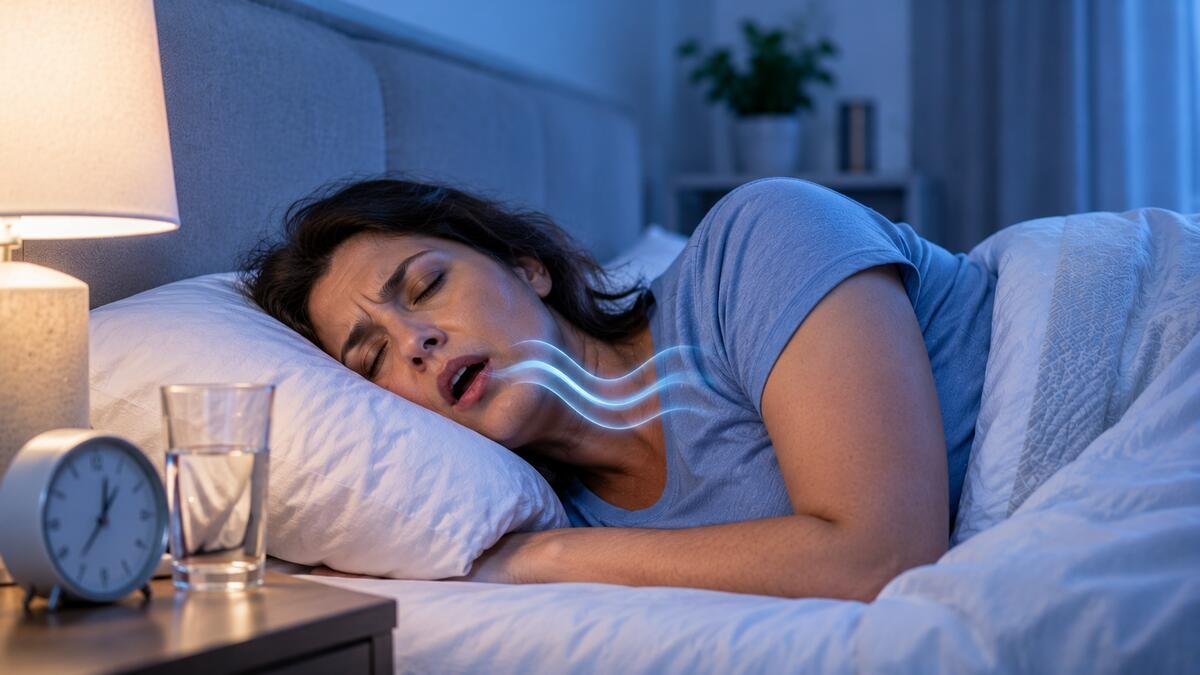

You give yourself enough time in bed, yet you still wake up tired, foggy, or with a dry mouth. If you have sleep apnea, repeated interruptions in breathing may be breaking up your rest, even when you do not remember waking. Some nights can also be harder than others.
Certain habits, sleeping positions, medicines, and health conditions can make symptoms worse. Some of these factors are manageable with everyday changes, while others need medical evaluation or a change in treatment. Not every factor affects every person, and worsening symptoms are not a personal failing.
This guide explains what makes sleep apnea worse, from back sleeping and alcohol to nasal congestion, medicines, aging, and skipped treatment. It also covers management steps and warning signs to watch for. Understanding your own triggers can help you make informed decisions with your healthcare professional.
Why Does Sleep Apnea Become Worse?
During normal sleep, your brain keeps signaling your breathing muscles, and air moves freely through your upper airway. Your throat muscles relax, but the airway stays open enough for steady breathing.
In obstructive sleep apnea (OSA), relaxed throat muscles let the airway narrow or close again and again. In central sleep apnea (CSA), the brain does not properly signal the breathing muscles. Because the causes differ, the factors that worsen each type can differ too.
Symptoms can vary from night to night with sleep position, alcohol use, congestion, or medicines. Several factors may also add up.
A risk factor raises the chance of having sleep apnea or having more severe disease. A trigger is something that aggravates breathing or symptoms, sometimes for a single night. Some things, such as alcohol, can be both.
Worsening symptoms are not automatically the result of your habits. A new health problem, an equipment fault, or a different sleep disorder may be responsible. Our guides to what causes sleep apnea and sleep apnea risk factors cover the underlying picture.
1. Sleeping on Your Back Can Make Sleep Apnea Worse
Sleeping position and sleep apnea are closely connected for many people with OSA. The American Thoracic Society notes that sleep apnea is often worse during back sleeping.
When you lie on your back, gravity can pull the tongue and soft tissues toward the back of your throat. This narrows the upper airway and may lead to more frequent breathing interruptions.
Some people have positional OSA, in which breathing events are much more frequent on the back than in other positions. Side sleeping may help them. Options include supportive pillows or a wearable device that prompts you to turn.
Side sleeping does not control every case. A healthcare professional can use your sleep study to judge whether positional therapy is appropriate, either alone or with another treatment. Do not stop CPAP just because you have changed positions.
2. Alcohol Can Worsen Sleep Apnea Symptoms
Alcohol and sleep apnea are a difficult combination. Alcohol relaxes the throat muscles, and reduced muscle tone makes the airway more likely to narrow. It can also suppress breathing.
The result may be louder snoring and more breathing interruptions. Drinking close to bedtime is especially problematic because the effects are active as you fall asleep.
Alcohol can also fragment sleep later in the night. You may feel less alert the next day, even if it seemed to help you doze off.
Avoiding alcohol is worth considering if you have sleep apnea. If you do drink, the American Thoracic Society advises avoiding it for at least four hours before bed. Alcohol can aggravate existing sleep apnea, but it is rarely the whole explanation. If cutting back feels hard, a healthcare professional can help without judgment.
3. Weight Gain May Increase Sleep Apnea Severity
Extra tissue around the neck and upper airway can narrow the space for breathing. Changes in body composition can also affect the tongue and lungs.
For some people, weight gain increases the likelihood or severity of OSA. Weight loss may improve it, and when excess weight is the main cause, OSA may even resolve. That outcome is not guaranteed, so keep using treatment until your provider reassesses you.
Weight is only one factor. Jaw shape, tonsil size, family history, age, and other features matter, and people of different body sizes can have sleep apnea.
Not everyone with sleep apnea needs to lose weight. If it is a goal for you, your care team can suggest a realistic weight management plan. A significant weight change in either direction is a good reason to review your treatment.
4. Nasal Congestion Can Aggravate Sleep Apnea
A blocked nose makes nighttime breathing more difficult. It may lead to mouth breathing and snoring, and it can make a CPAP mask harder to tolerate.
Common causes include:
- Allergic rhinitis (hay fever)
- Sinus problems and colds
- Nasal polyps
- A deviated nasal septum (an off-center wall between the nostrils)
Trouble breathing through the nose is linked to a higher risk of OSA. However, clearing the nose does not reliably treat the apnea itself. A review found that nasal surgery alone produced only a slight change in breathing events, although daytime sleepiness often improved. Nasal dilator strips and inserts have generally not improved OSA.
Treating the underlying condition can still improve comfort and help you use CPAP. See a healthcare professional if congestion persists, affects one side, comes with frequent nosebleeds or facial pain, or disrupts your treatment. Ask before using decongestants regularly, since some can cause rebound congestion or raise blood pressure.
5. Smoking Can Make Sleep Apnea More Difficult to Manage
Smoking irritates the lining of the nose and throat. The resulting airway inflammation and fluid buildup may narrow the passages you breathe through.
Mayo Clinic reports that people who smoke are about three times as likely to have OSA as people who have never smoked. This is an association, and other factors can contribute.
Smoking can also aggravate coughing and other lung problems that disturb sleep. Quitting supports respiratory and heart health, but it does not by itself cure sleep apnea.
Quitting is often difficult, and many people need more than one attempt. Counseling, quitlines, and approved medicines can help, so ask your provider what fits you.
6. Some Medications Can Worsen Sleep Apnea
Medicines that slow activity in the central nervous system can influence breathing during sleep. The concern differs by drug and by type of sleep apnea.
| Medicine group | Main concern |
|---|---|
| Sedatives and some sleeping pills | May relax throat muscles and worsen OSA |
| Benzodiazepines (some anxiety, sleep, and seizure medicines) | Sedation and slowed breathing, especially combined with opioids |
| Opioid pain medicines | Can disrupt the brain’s breathing control; long-term use raises CSA risk |
| Gabapentin and pregabalin | Serious breathing problems in people with respiratory risk factors or who also take sedating drugs |
Not every medicine in these groups affects every person the same way. Dose, other drugs, alcohol, age, and lung health all matter.
Tell your prescriber and pharmacist that you have sleep apnea. Share a list of everything you take, including over-the-counter sleep aids and antihistamines. Never stop or change a prescribed medicine without medical guidance, because stopping some drugs suddenly can be dangerous.
Call 911 if someone is very hard to wake, is unresponsive, or has slow or difficult breathing.
7. Poor Sleep Habits Can Make Symptoms Harder to Manage
Too little sleep reduces alertness, attention, and mood. If you also have sleep apnea, short nights can add to the fatigue you already feel.
Sleep deprivation and sleep apnea are different problems. Sleep deprivation means not getting enough sleep, while sleep apnea disrupts breathing during the sleep you get. Short sleep does not directly cause every form of sleep apnea.
Irregular bedtimes can also lower sleep quality. Try to go to bed and wake up at consistent times, and allow enough time for sleep. Most adults need at least seven hours. Our guide to building a sleep schedule can help.
You need both adequate sleep and appropriate treatment. One does not replace the other.
8. Certain Health Conditions Can Contribute to Sleep Apnea Problems
The relationship between sleep apnea and other conditions varies. Some conditions may contribute to it, some may result partly from it, and some influence each other.
Heart Failure
Heart failure raises the risk of CSA by affecting how the body regulates breathing. Breathing may cycle between deeper breaths, shallow breaths, and pauses. Heart failure can also cause fluid buildup in the neck that contributes to OSA. New breathlessness when lying down or sudden swelling needs prompt medical attention.
High Blood Pressure
OSA is associated with high blood pressure. Repeated drops in oxygen can raise blood pressure and strain the heart. Both conditions deserve attention, and treating one does not remove the need to manage the other. Learn more about high blood pressure.
Diabetes
Sleep apnea is linked with insulin resistance and type 2 diabetes. Shared factors, such as weight, explain part of the connection. If you have diabetes, tell your healthcare team about snoring, breathing pauses, or daytime sleepiness.
Hormonal and Endocrine Conditions
Low thyroid hormone, polycystic ovary syndrome, and high growth hormone levels can raise sleep apnea risk. Menopause is also associated with a higher risk of OSA.
Chronic Respiratory Conditions
Long-term lung diseases, such as chronic obstructive pulmonary disease or poorly controlled asthma, can complicate nighttime breathing. Having one alongside sleep apnea may call for closer monitoring of oxygen levels and a coordinated treatment plan.
9. Age-Related Changes Can Increase Sleep Apnea Risk
Sleep apnea becomes more common with age, although it can affect people at any age, including children. For OSA, Mayo Clinic notes that the rise in risk appears to level off after the 60s and 70s.
Several changes may play a part. Fatty tissue can build up in the neck and tongue, and changes in muscle tone may make the upper airway less stable. Age-related changes in breathing control and conditions such as heart disease or stroke can also contribute.
Persistent snoring or daytime fatigue should not be dismissed as normal aging. Older adults may mainly notice poor concentration, nighttime urination, or unrefreshing sleep, so mention these to a provider.
10. Inconsistent Sleep Apnea Treatment Can Worsen Symptoms
Continuous positive airway pressure (CPAP) is a common treatment for OSA. It uses steady air pressure through a mask to help keep the airway open.
CPAP controls breathing events while you use it. In a small trial of people established on treatment, stopping effective CPAP brought OSA back within a few days, along with sleepiness. NHLBI advises using your device for all sleep, including naps.
Mask discomfort, air leaks, dryness, and congestion can make consistent use harder. Clean your equipment and replace masks, tubing, and filters as the manufacturer recommends.
Your sleep team can adjust the mask, humidity, or settings, or discuss other treatments. For practical adjustment tips, read our guide to living with sleep apnea.
Featured tip: If your CPAP equipment feels uncomfortable, contact a sleep specialist. Do not change machine settings on your own or abandon treatment. If you develop stomach discomfort or bloating, NHLBI advises stopping use and contacting your provider.
How to Manage Factors That Make Sleep Apnea Worse
These sleep apnea management tips support medical treatment. They do not replace prescribed therapy.
- Follow the treatment plan your healthcare professional recommends.
- Keep consistent sleeping and waking times.
- Ask whether side sleeping or positional therapy suits you.
- Avoid alcohol, and discuss any substance-related concerns openly.
- Seek care for persistent nasal congestion.
- Do not smoke, and get support if you want to quit.
- Eat a balanced diet and stay physically active at a level that is safe for you.
- Review your medicines with a qualified professional.
- Attend follow-up appointments.
- Track changes in nighttime symptoms and daytime alertness.
A simple sleep diary can show how to prevent sleep apnea symptoms from worsening in your own case. Note your bedtime, alcohol use, congestion, medicines, CPAP hours, and how you feel the next day. Bring it to your appointments. You can also read how to manage sleep apnea at home.
Warning Signs That Your Sleep Apnea Needs Attention
Talk with your provider if you or a bed partner notices:
- Louder or more frequent snoring
- More noticeable pauses, gasping, or choking
- Frequent nighttime awakenings
- Waking up unrefreshed
- Persistent morning headaches
- Increasing daytime sleepiness
- Difficulty concentrating
- Continued symptoms despite prescribed treatment
Symptoms alone cannot show whether sleep apnea has become more severe. A healthcare professional may review your treatment and device data or recommend repeat sleep testing.
If you are significantly sleepy, do not drive or do other activities that require alertness until it is safe.
When to Seek Medical Advice
Arrange a medical evaluation if:
- Symptoms become more frequent or disruptive
- CPAP no longer seems to work well
- Daytime fatigue continues despite treatment
- New breathing problems develop during sleep
- Congestion or another condition interferes with treatment
- A medication change raises concerns about nighttime breathing
A sleep specialist can assess your symptoms, check whether treatment is effective, and recommend adjustments. Call 911 for chest pain, severe shortness of breath, fainting, signs of stroke, or if someone cannot be woken.
FAQs About Factors That Worsen Sleep Apnea
What makes sleep apnea worse at night?
Sleeping on your back, drinking alcohol, nasal congestion, and certain medicines can aggravate sleep apnea in some people. Skipping prescribed treatment also allows breathing interruptions to return. Your own triggers may differ.
Does sleeping on your back make sleep apnea worse?
It often does for people with OSA, because gravity can move the tongue and soft tissues toward the throat. Side sleeping may help some people. Ask your provider before relying on it as treatment.
Can nasal congestion make sleep apnea worse?
Yes, a blocked nose can make nighttime breathing more difficult, contribute to snoring, and make CPAP less comfortable. Treating congestion may help you breathe and sleep more comfortably, but it usually does not replace sleep apnea treatment.
Can certain medications worsen sleep apnea?
Yes. Some sedatives, sleeping medicines, and opioids can affect breathing during sleep. Discuss concerns with your prescriber, and do not stop a medicine on your own.
Does weight gain make sleep apnea worse?
It can. Added tissue around the airway may increase narrowing during sleep. The effect varies, and weight is not the only cause of OSA.
Can sleep apnea get worse over time?
It can, although it does not for everyone. Severity may change with age, weight, health conditions, medicines, and treatment consistency. New or returning symptoms are a reason to be reassessed.
Can CPAP prevent sleep apnea from getting worse?
CPAP controls OSA while you use it, but it does not permanently change the causes. Severity can still change over time, so regular follow-up matters even if you use your device consistently.
Understanding What Makes Sleep Apnea Worse
Back sleeping, alcohol, smoking, some medicines, nasal congestion, weight changes, health conditions, aging, short sleep, and inconsistent treatment can all play a part. Different people experience different triggers.
Understanding what makes sleep apnea worse is an important step toward managing the condition effectively. While some contributing factors can be addressed through everyday health habits, others require professional medical care. By recognizing changes in symptoms, following prescribed treatment, and attending regular checkups, people with sleep apnea can take meaningful steps toward better sleep and overall health.
Sources
- National Heart, Lung, and Blood Institute: Sleep Apnea Causes and Risk Factors
- National Heart, Lung, and Blood Institute: Living With Sleep Apnea
- National Heart, Lung, and Blood Institute: Sleep Apnea Treatment
- Centers for Disease Control and Prevention: About Sleep and Your Heart Health
- Mayo Clinic: Sleep Apnea: Symptoms and Causes
- Mayo Clinic: Obstructive Sleep Apnea: Symptoms and Causes
- American Thoracic Society: What Is Obstructive Sleep Apnea in Adults?
- Journal of Clinical Sleep Medicine: Assessment of a Neck-Based Treatment and Monitoring Device for Positional Obstructive Sleep Apnea (2014)
- Brain Sciences: The Role of Isolated Nasal Surgery in Obstructive Sleep Apnea Therapy, a Systematic Review (2022)
- PubMed: Nasal Dilators for OSA, a Systematic Review
- University of Oxford Research Archive: CPAP Withdrawal, a Randomized Controlled Trial
- U.S. Food and Drug Administration: Opioids Combined With Benzodiazepines
- U.S. Food and Drug Administration: Breathing Problems With Gabapentin and Pregabalin
Medical Disclaimer: This article is for general education only. It does not replace advice, diagnosis, or treatment from a qualified healthcare professional. Talk with your provider about your symptoms, medicines, and treatment before making changes. If you think you have a medical emergency, call 911.