
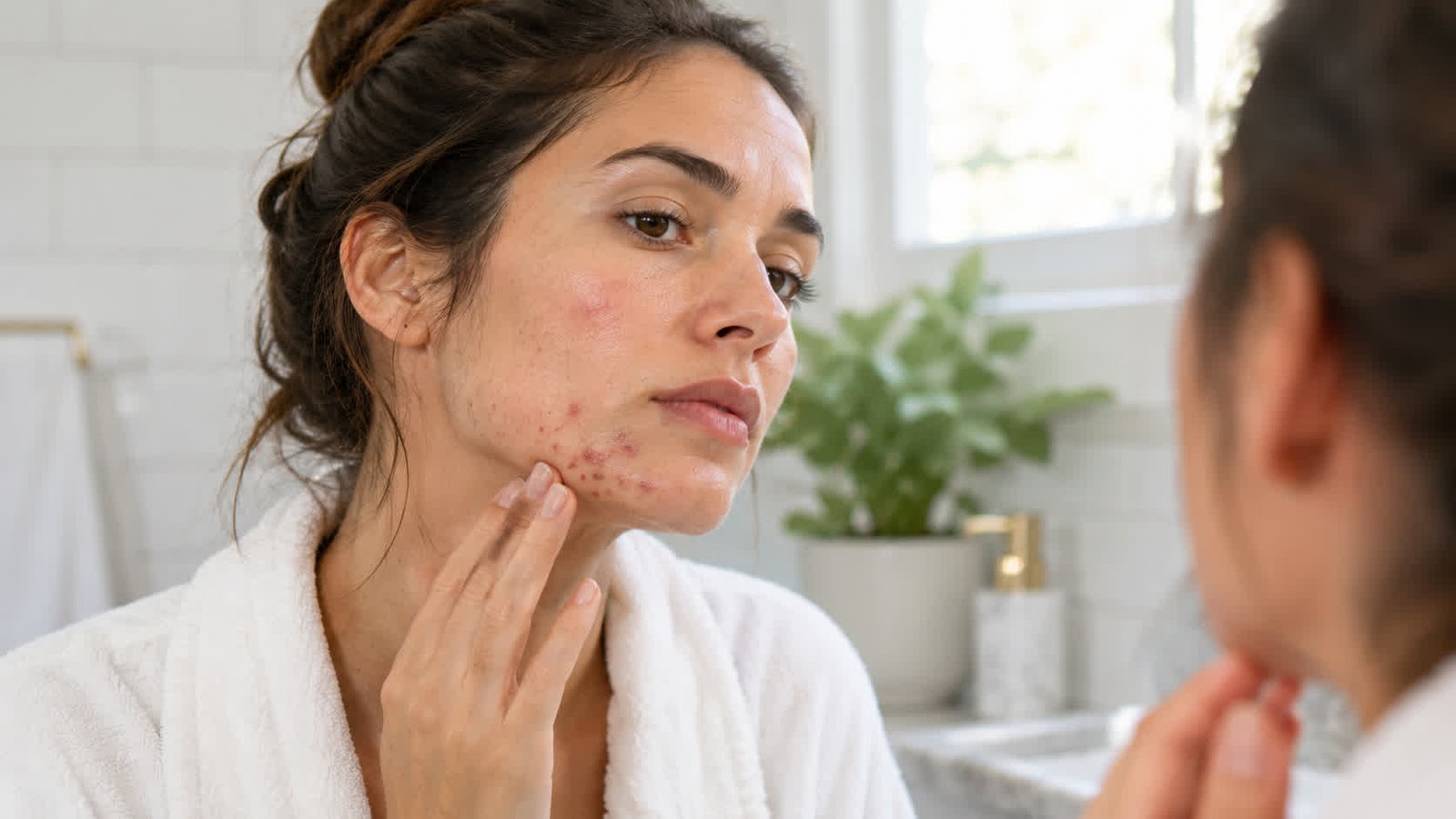
Acne in your 30s can be frustrating, especially if you thought breakouts would disappear after your teenage years. Yet adult acne is common and can develop because of hormonal fluctuations, genetics, stress, certain medications, and other contributing factors. Understanding what may be triggering your breakouts can help you choose a more effective skin-care routine and decide when to seek professional treatment.
Some adults carry acne forward from their teen years, while others develop it for the first time later in life. Breakouts can appear on the chin, jawline, cheeks, forehead, chest, and back. Adult skin can also be dry or sensitive, which makes managing acne more complicated than simply drying out pimples.
This guide explains why acne may appear or persist in your 30s, walks through seven common contributing factors, and outlines a realistic routine and treatment overview. A consistent approach can help many people, although some cases need medical treatment. If your acne is painful, persistent, or leaving scars, getting professional advice sooner is reasonable.
Is It Normal to Get Acne in Your 30s?
Yes. Acne is not limited to teenagers. It can continue from adolescence or appear for the first time in adulthood, and it does not mean you have poor hygiene or a hormonal disorder. The American Academy of Dermatology (AAD) describes acne as a common skin condition that affects people of many ages.
Acne develops when hair follicles become clogged with oil and dead skin cells, and inflammation can follow. For a deeper explanation, see our guide on what causes acne.
What Does Adult Acne Look Like?
Adult acne can include several types of lesions, and more than one can occur at once:
- Blackheads and whiteheads
- Small red, inflamed pimples
- Pus-filled pustules
- Deep, tender nodules in more severe cases
- Dark marks or scars left after breakouts
Adult acne often affects the lower face, jawline, and chin, but it can also occur on the forehead, chest, shoulders, and back. Location alone does not confirm a hormonal cause. Many people first notice the early signs of acne as clogged pores or small bumps. Patterns can differ by sex, so you may also find our guides on acne symptoms in women and acne symptoms in men helpful.
Adult Acne Versus Other Skin Conditions
Some conditions can look like acne. Rosacea causes persistent facial redness and bumps (NHS: Rosacea), folliculitis is inflammation of hair follicles (Mayo Clinic), and some skin-care products can cause irritation that resembles breakouts. Persistent redness, itching, or an unusual eruption may need a clinical assessment rather than another acne product.
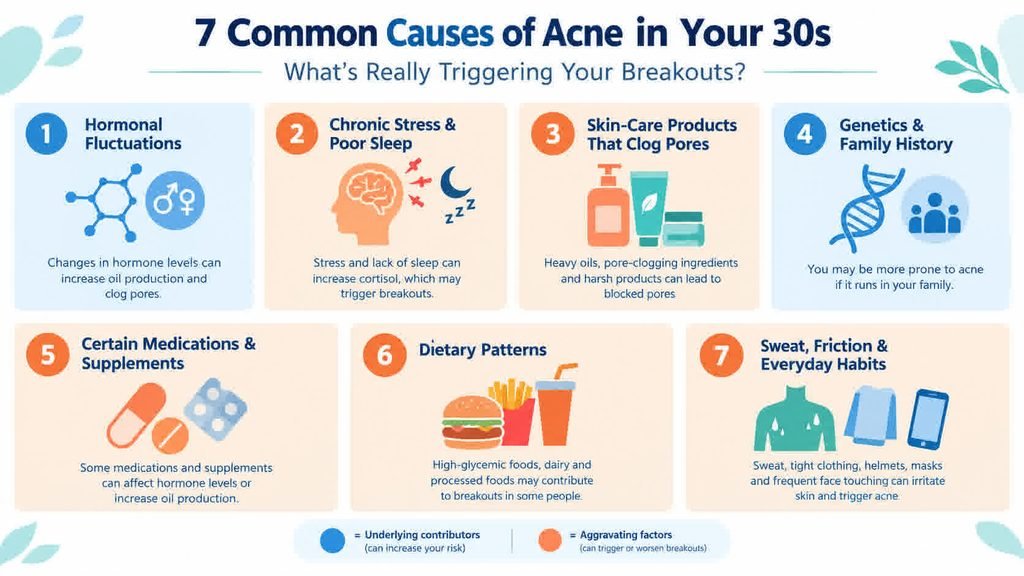
7 Common Causes of Acne in Your 30s
Acne usually results from a combination of factors rather than one cause. Some of the items below are underlying contributors, such as genetics and follicle blockage. Others are aggravating factors, such as friction, stress, and certain products, which may worsen breakouts in susceptible people without causing acne on their own.
1. Hormonal Fluctuations
Androgens, a group of hormones that includes testosterone, can stimulate the skin’s oil glands. More oil can contribute to clogged pores and inflammation. Hormonal changes linked to the menstrual cycle, pregnancy, and certain medical conditions may affect acne in some adults. Men and women can both be affected by hormone-related acne.
Breakouts along the chin and jawline are often associated with hormonal fluctuations, but that pattern is not proof of a hormone imbalance. Many adults with acne have normal hormone levels.
Tracking when flares happen can help you notice patterns. Use gentle, non-comedogenic products (labeled as unlikely to clog pores) and talk with a clinician if acne is persistent or comes with symptoms such as irregular periods or increased facial hair. Learn more about factors that increase acne risk.
2. Chronic Stress and Poor Sleep
Psychological stress may worsen existing acne in some people. The proposed explanations include stress-related biological pathways, as well as behavior changes such as disrupted sleep, skipped skin care, or more frequent picking. Stress is not believed to cause every breakout on its own.
Busy work schedules, caregiving, and family responsibilities can make steady sleep and routines hard to maintain in your 30s. When that happens, skin care often becomes inconsistent, which can make acne harder to control.
Aim for regular sleep habits, a stress-management practice you can realistically keep, and a skin-care routine that is simple enough to follow. These changes complement acne treatment; they do not replace it. If sleep is an issue, review these habits that support better sleep.
3. Skin-Care Products That Clog Pores or Irritate Skin
Some heavy creams, oily cosmetics, and hair products may clog pores in people who are prone to acne. At the other extreme, over-exfoliating or layering several strong active ingredients can irritate the skin and make breakouts harder to manage.
Not every oil-based product causes acne, and dry skin can occur alongside it. This is why adult acne can be tricky: a product that calms breakouts may also dry or sting.
Choose products labeled non-comedogenic when possible, introduce active ingredients gradually, and simplify your routine if irritation develops. For ideas, see our guides to a simple at-home acne routine and managing dry or irritated skin.
4. Genetics and a Family History of Acne
Inherited traits can influence how much oil your skin makes, how follicles become blocked, and how strongly your skin reacts with inflammation. A family history of persistent acne can make it more likely that you will have acne as an adult.
Genetics are not a personal failing, and cleansing more often cannot change them. In fact, washing too much can irritate the skin.
If acne runs in your family, consistent prevention and earlier treatment may serve you better than repeatedly switching products or blaming hygiene. You can read more in our overview of what causes acne.
5. Certain Medications and Supplements
Some medicines can cause acne-like eruptions or worsen existing acne in certain people. Examples include corticosteroids and testosterone products. Other medicines may also be involved, depending on the situation.
A new eruption that starts after a medication change deserves review, especially if it looks different from your usual breakouts. Acne-like rashes caused by medications can differ from typical acne, which is one reason a professional opinion helps.
Review the timing of your symptoms with your healthcare professional or pharmacist. Do not stop a prescribed medicine, or a supplement recommended for a medical condition, without advice. To understand how clinicians assess acne, including the role of medication history, see our diagnosis guide.
6. Dietary Patterns That May Influence Breakouts
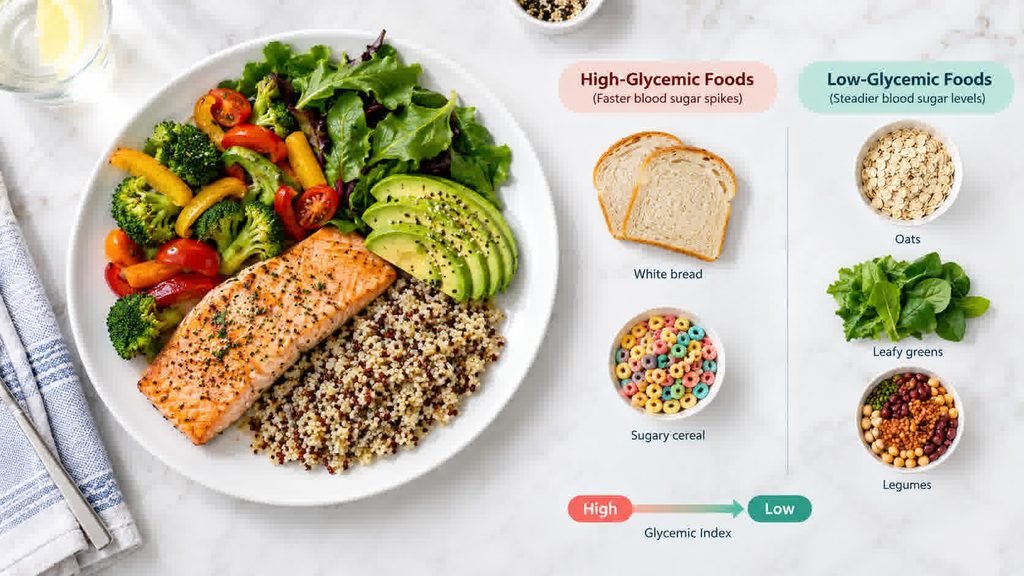
Research suggests that diets with a high glycemic load may worsen acne in some people. Evidence about dairy is mixed, and dietary effects vary from person to person. No single food has been shown to trigger acne in everyone.
No food or supplement is proven to cure acne, and restrictive diets are not necessary for everyone with breakouts. Cutting out whole food groups without a clear reason can also leave nutritional gaps.
A balanced eating pattern that includes vegetables, whole grains, protein sources, and healthy fats supports overall health. If you suspect a certain food is linked to your skin, talk with a healthcare professional about a practical approach that stays nutritionally adequate. Our guides on a balanced eating pattern and building a healthy diet can help you get started.
7. Sweat, Friction, and Everyday Habits
Friction from tight clothing, helmets, backpack straps, and some sports or work equipment can worsen acne in the areas they touch. Sweat is not a universal cause of acne, but leaving sweaty clothing against the skin and using irritating products afterward may aggravate breakouts in some people.
If you exercise regularly or notice breakouts under straps or waistbands, a few habits may help. Change out of sweaty clothes soon after activity, shower when practical, choose breathable fabrics, and avoid scrubbing or squeezing lesions.
You do not need to give up exercise because of acne. Small adjustments are often enough, and you can find additional ways to help prevent acne in our prevention guide.
How to Manage Acne in Your 30s
Once you have a sense of possible triggers, a practical routine can make a difference. The goal is a plan you can follow consistently, not a long list of products. This section offers general information, not individualized medical advice.
Follow a Consistent Morning Skin-Care Routine
Start with a gentle cleanser, then apply a non-comedogenic moisturizer suited to your skin type. Finish with a broad-spectrum sunscreen of SPF 30 or higher, since some acne treatments can make skin more sensitive to the sun and sunscreen also helps dark marks fade.
Adults with acne may also have dry or sensitive skin, so aggressive cleansing is not recommended. If your face feels tight or looks red after washing, scale back.
Choose Appropriate Acne Treatments
Several over-the-counter ingredients are commonly used for mild acne, as described by the AAD and NHS:
| Ingredient | Main purpose |
|---|---|
| Benzoyl peroxide | Helps reduce acne-causing bacterial activity and inflammatory lesions |
| Salicylic acid | Helps remove dead skin cells and manage clogged pores |
| Topical retinoids | Help unclog pores and reduce new acne lesions; suitability varies, and some products require a prescription |
Introduce one active ingredient at a time and follow the product directions. Irritation is possible, and using more products does not necessarily give better results.
If you are pregnant or planning a pregnancy, speak with a healthcare professional before using any acne medication, especially retinoids. Some acne medicines are not recommended during pregnancy.
To see what else is available, explore adult acne treatment options.
Make Evening Skin Care Simple
In the evening, cleanse gently to remove sunscreen, sweat, and dirt. Follow with a suitable moisturizer and any acne treatment that is appropriate for you.
Avoid picking at pimples, abrasive scrubbing, and switching treatments frequently before they have had time to work. These habits can inflame the skin and increase the chance of marks or scars.
Be Patient and Track Your Progress
Acne treatments commonly take several weeks to show improvement, and some take longer. Jot down your breakouts, new products, and possible triggers rather than judging your routine by one bad skin day.
For step-by-step guidance, see how to manage acne at home, and review ways to help prevent future breakouts.
When Should You See a Dermatologist for Adult Acne?
Professional care is appropriate when acne is persistent, painful, severe, or leaving scars. You do not need to try every over-the-counter product first. The AAD also offers guidance on when to see a dermatologist.
Warning Signs That Need Assessment
Consider making an appointment if you notice any of the following:
- Deep, tender nodules or cyst-like lesions
- Developing scars or persistent skin discoloration
- Widespread or rapidly worsening breakouts
- Acne that does not improve with an appropriate treatment routine
- Significant distress or reduced confidence that affects daily life
- Sudden acne-like symptoms after a medication change
A dermatologist or other qualified clinician can assess whether the problem is acne, identify contributing factors, and recommend prescription options when appropriate. Learn more about getting an accurate acne diagnosis.
Seek prompt care if inflamed skin comes with fever, severe pain, rapidly spreading redness, or feeling generally unwell, since these symptoms may point to an infection or another problem.
Frequently Asked Questions About Acne in Your 30s
Why Am I Suddenly Getting Acne in My 30s?
Adult acne can develop because of hormonal fluctuations, genetics, stress-related changes, certain medications, or pore-clogging products. A sudden or unusual eruption may have another cause, so persistent symptoms deserve assessment. The Mayo Clinic lists several of these contributing factors.
Does Acne in Your 30s Mean You Have a Hormonal Imbalance?
No. Hormonal fluctuations can contribute to acne, but breakouts alone do not establish a hormonal disorder. If acne occurs alongside irregular periods, increased facial hair, or other concerning symptoms, discuss them with a healthcare professional.
How Long Does Adult Acne Take to Clear?
Many acne treatments need several weeks to show improvement, and some take longer (NHS). The response depends on acne severity, the treatment used, and individual skin characteristics. Persistent or scarring acne warrants professional advice.
Can Diet Cause Acne in Your 30s?
Diet may influence acne in some people, particularly eating patterns with a high glycemic load. Evidence about dairy is mixed, and no single food universally causes acne. A balanced diet is generally preferable to unnecessary restrictive eating.
Should I Use Anti-Aging Products if I Have Acne?
Often you can, but choose carefully. A gentle cleanser, moisturizer, and sunscreen can support skin health. Introduce potentially irritating ingredients gradually, and seek advice if your skin becomes dry, red, or inflamed.
Conclusion
Acne in your 30s can be frustrating, but understanding its potential triggers is an important first step toward managing it. Hormonal fluctuations, genetics, stress, medications, skin-care products, dietary patterns, and friction may all play a role. A gentle skin-care routine, suitable acne treatments, and realistic expectations can help you manage breakouts.
If acne becomes painful, persistent, or starts leaving scars, consult a qualified healthcare professional. For more practical guidance, explore CollectedMed’s guide to acne treatment options and learn which approaches may be appropriate for your skin.
Sources
- American Academy of Dermatology Association. Acne: Overview, symptoms, causes, and treatment
- NHS. Acne
- NHS. Rosacea
- Mayo Clinic. Acne: Symptoms and causes
- Mayo Clinic. Folliculitis: Symptoms and causes
Medical Disclaimer: This article is for general educational purposes only and is not medical advice. It cannot diagnose or treat any condition. Always talk with a qualified healthcare professional about your symptoms or before starting or changing any treatment. If you are pregnant or planning a pregnancy, ask a healthcare professional before using any acne medication. If you have severe pain, rapidly spreading redness, fever, or feel very unwell, seek urgent medical care.
1 thought on “Acne in Your 30s: 7 Common Causes & How to Manage It”
Comments are closed.