
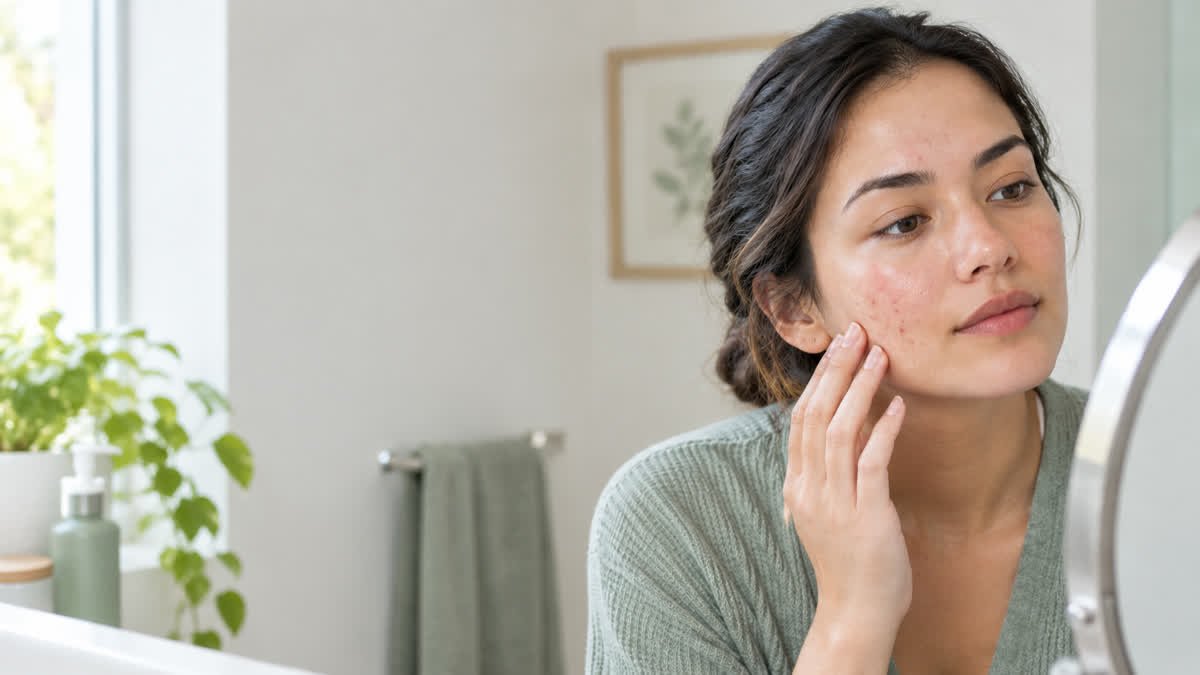
Do your breakouts seem to get worse even when you follow a regular skin-care routine? You are not alone. Acne is a common skin condition, and it can flare, settle, and flare again for reasons that are not always obvious. The American Academy of Dermatology (AAD) notes that acne can affect teenagers and adults alike.
Many factors can influence breakouts, including hormones, stress, skin-care habits, certain products, friction from clothing or equipment, and dietary patterns. Not every suspected trigger has strong scientific support, and responses vary from person to person. Acne is also not a sign of poor hygiene or personal failure. To understand the basics first, see what causes acne.
This guide explains seven common factors that may make acne worse in people who are prone to it, along with practical steps to reduce flare-ups. You will also learn how to tell when home care is not enough. Often, consistent, gentle skin care and a few targeted changes can help, although some acne needs professional treatment.
What Makes Acne Worse? Understanding the Basics
Acne usually develops when several processes overlap inside hair follicles. Knowing these processes makes it easier to see how certain habits may worsen breakouts.
- Excess oil (sebum): Oil production can contribute to clogged pores.
- Dead skin cells: These can build up inside follicles and form blackheads and whiteheads.
- Bacteria and inflammation: A skin bacterium called Cutibacterium acnes takes part in acne development, alongside other inflammatory processes.
- Hormones: Androgens can stimulate oil glands, which helps explain some teen and adult breakouts.
- Individual susceptibility: Genetics, medications, and skin characteristics affect how severe acne becomes (Mayo Clinic).
Triggers generally aggravate an underlying tendency toward acne. They do not independently cause every breakout. Our guide to the risk factors for acne goes deeper, and you can read about the early signs of acne if you are just noticing changes.
Understanding these mechanisms makes it easier to recognize which habits or circumstances may be contributing to your flare-ups.
1. Hormonal Changes and Fluctuations
Hormonal changes are among the most common contributors to acne flare-ups. During puberty, rising androgen activity increases oil production. In adults, hormone shifts linked to the menstrual cycle, pregnancy, perimenopause, and menopause may affect acne in some people.
Adult acne can also appear in people who had little acne as teenagers. In some cases, persistent acne is linked to a hormonal condition, but this is not true for everyone, and hormone testing is not necessary for everyone with acne.
A few steps may help:
- Track your breakouts alongside menstrual cycles or other patterns you notice.
- Keep your skin-care routine consistent during recurring flares.
- Seek medical advice if acne persists, especially with irregular periods, excess facial hair, or other signs of a hormonal problem.
- Avoid self-prescribing hormonal medications or supplements.
To learn how patterns can change with age, see our guides on acne in your 30s, acne in your 50s, and acne symptoms in women.
2. Stress and Poor Sleep
Stress may aggravate existing acne in susceptible people. Proposed explanations include stress-related effects on inflammation and oil production. Stress can also change behavior; people may touch their faces more, skip skin care, or pick at blemishes.
Poor sleep may affect general health and make healthy routines harder to keep. The relationship between stress, sleep, and acne is complex, and neither is a guaranteed cause of breakouts.
It may help to:
- Keep a regular sleep schedule and improve your sleep where you can.
- Try relaxation activities, breathing exercises, or regular physical activity.
- Keep your skin care simple during stressful periods.
These habits support overall well-being. Reducing stress alone is unlikely to clear acne, so they work best alongside appropriate skin care and treatment.
3. Harsh Skin-Care Products and Overwashing
Skin-care mistakes are common, and they are often fixable. Washing too often, scrubbing hard, or using abrasive exfoliants can irritate the skin. So can layering several strong active ingredients at once, or relying on alcohol-heavy products that leave the skin very dry.
Irritation can cause redness and peeling that looks like worsening acne. Dryness does not mean a product is working better, and clean skin does not require harsh scrubbing.
A gentle approach tends to work better:
- Use a gentle cleanser, a non-comedogenic moisturizer, and a sunscreen suited to your skin.
- Introduce new products one at a time and follow the directions.
- Use acne ingredients only as needed.
Benzoyl peroxide, salicylic acid, and topical retinoids may be appropriate depending on the type and severity of acne. They can irritate the skin if overused (NHS). Retinoids need particular caution during pregnancy, so ask a healthcare professional before using them if you are pregnant or planning a pregnancy.
For a simple routine, see how to manage acne at home. If your skin feels tight or sore, our guide to dry skin and skin-barrier irritation may help. For stronger options, review the acne treatment options.
4. High-Glycemic Foods and Certain Dietary Patterns
Diet is a possible contributor to acne, not a universal explanation. Some research suggests that diets with a high glycemic load, such as those heavy in sugary drinks, sweets, and refined carbohydrates, may worsen acne in some people.
The link between dairy and acne has also been studied. Findings are mixed, and they do not show that dairy causes acne in everyone. A possible dietary association is not the same as a proven personal trigger.
If you want to experiment, keep it practical:
- Build meals around vegetables, whole grains, protein, and healthy fats, as described in our guide to a balanced diet.
- Swap sugary drinks for water more often.
- Notice whether certain eating patterns coincide with your breakouts.
- Avoid cutting out whole food groups without a clear reason or professional guidance.
Chocolate and oily foods have not been shown to inevitably cause acne. Detox diets, gut cleanses, and supplements are not proven acne cures.
5. Comedogenic Makeup, Sunscreen, and Hair Products
Some products can clog pores or irritate the skin, especially around the hairline, forehead, cheeks, and jaw. Heavy cosmetics, oily hair products that transfer to the forehead, and moisturizers or sunscreens that do not suit your skin may all play a role.
Residue can also build up on pillowcases, hats, and other items that touch your face. Makeup that is not removed gently at night may add to the problem.
To reduce risk:
- Look for products labeled non-comedogenic when possible.
- Remove makeup before bed.
- Keep hair products away from acne-prone areas.
- Clean makeup brushes and applicators regularly.
- Change one product at a time so potential triggers are easier to identify.
Labels are helpful, but they cannot guarantee that a product will suit every person. For more ideas, read about preventing acne flare-ups.
6. Sweat, Friction, and Tight Clothing
Sweat itself is not necessarily a direct cause of acne. Friction, pressure, trapped heat, and occlusive equipment, however, can contribute to acne mechanica, which is acne triggered by repeated rubbing or pressure.
Common sources include tight sportswear, helmets, backpack straps, masks, and headwear. Staying in sweaty clothing, or waiting a long time to cleanse after exercise, may also aggravate breakouts in susceptible skin.
A few changes can help:
- Wear breathable clothing when practical.
- Change out of sweaty clothes after exercise.
- Wash gently after workouts.
- Clean equipment that regularly touches acne-prone skin.
- Reduce repeated rubbing and pressure where possible.
Not every bumpy rash in these areas is acne. Folliculitis, which is inflammation of hair follicles, can look similar and may need different treatment (Mayo Clinic). You do not need to give up exercise, and building healthy daily habits is still worthwhile.
7. Picking, Squeezing, and Frequently Touching Pimples
Manipulating pimples can damage inflamed follicles and make them redder, more swollen, and more tender. It can also raise the chance of infection and increase the risk of lasting marks or scars. The risk varies with the type of lesion and your skin, so not every squeezed pimple will scar.
Many people pick during stress or while looking in a mirror. Awareness is a good first step.
Try these alternatives:
- Leave whiteheads, blackheads, and inflamed pimples alone.
- Consider hydrocolloid patches for suitable superficial blemishes. Many mainly protect a lesion and absorb fluid, and they do not necessarily treat the underlying acne.
- Keep your nails clean and reduce unnecessary face-touching.
- Seek professional treatment for painful nodules or cysts instead of trying to drain them.
If you are unsure what type of lesion you have, learn how acne is diagnosed.
How to Reduce Acne Flare-Ups and Protect Your Skin
You do not need to change everything at once. These steps cover the most practical actions:
- Cleanse gently twice daily and after heavy sweating.
- Choose suitable non-comedogenic skin-care products.
- Avoid scrubbing, squeezing, and excessive exfoliation.
- Introduce acne treatments gradually and follow directions.
- Keep balanced eating habits without unnecessary restrictions.
- Look for personal patterns in stress, products, and recurring breakouts.
- Give a treatment time to work instead of switching products every few days.
Acne improvement usually takes several weeks, and many treatments need around six to eight weeks or longer before results are noticeable (NHS). Follow your clinician’s instructions, and ask for a review if treatment is ineffective or irritating. To set expectations, see how long acne lasts, and find more routine ideas in our guide to home acne care.
When Should You See a Dermatologist?
Home care is not always enough. Consider professional evaluation if you have any of the following:
- Deep, painful nodules or cysts
- Acne that leaves scars or persistent discoloration
- Worsening or widespread breakouts
- No improvement after a consistent, appropriate treatment trial
- Significant emotional distress caused by acne
- Suspected medication-related acne, or symptoms that may point to a hormonal condition
A clinician can recommend prescription topical treatments, oral medications, or hormonal therapies when appropriate. Not everyone needs prescription medication, and you should not stop a prescribed medicine without talking with your clinician. The AAD offers guidance on when to see a dermatologist. You can also review the professional acne treatment options in our guide.
Frequently Asked Questions About Acne
What Makes Acne Worse Overnight?
Acne lesions generally develop over days to weeks, even when they seem to appear overnight. Oil buildup, irritation, occlusive products, and picking can make existing blemishes look more inflamed by morning.
Does Washing Your Face More Often Help Acne?
Not usually. Gentle cleansing twice daily and after heavy sweating is generally enough. Excessive washing and scrubbing can irritate the skin without addressing the processes behind acne (AAD).
Can Stress Cause Acne Breakouts?
Stress may aggravate acne in susceptible people, but it is one factor among several. Managing stress supports overall well-being, though it should not replace effective acne treatment.
Which Foods Should I Avoid if I Have Acne?
No single food needs to be avoided by everyone with acne. Evidence suggests high-glycemic eating patterns may aggravate acne in some people, while findings on dairy are mixed. Balanced eating is generally better than unnecessary restriction.
Why Am I Getting Acne as an Adult?
Adult acne can be linked to hormonal changes, genetics, skin-care products, medications, stress, and other individual factors. Our guides on acne in your 30s and acne in your 50s explain how these factors can differ by age.
How Long Does It Take for Acne to Improve?
Many treatments need six to eight weeks or longer before improvement is noticeable. Consistency matters, and severe, persistent, or scarring acne deserves professional guidance.
Conclusion
Acne flare-ups may be influenced by hormonal changes, stress, skin-care irritation, dietary patterns, unsuitable products, friction, and picking. Triggers vary from person to person, and acne is not a sign of poor hygiene. Making gradual changes, keeping a gentle routine, and seeking professional care when acne is painful, persistent, or scarring can help you protect your skin.
Understanding what makes acne worse can help you make informed choices and find an effective treatment plan without blaming yourself for every breakout.
Sources
- American Academy of Dermatology Association. Acne: Overview, symptoms, causes, and treatment
- NHS. Acne
- Mayo Clinic. Acne: Symptoms and causes
- Mayo Clinic. Folliculitis: Symptoms and causes
Medical Disclaimer: This article is for general educational purposes only and is not medical advice. It cannot diagnose or treat any condition. Triggers differ from person to person. Always talk with a qualified healthcare professional about your symptoms or before starting or changing any treatment. If you are pregnant or planning a pregnancy, ask a healthcare professional before using any acne medication. If you have severe pain, rapidly spreading redness, fever, or feel very unwell, seek urgent medical care.