
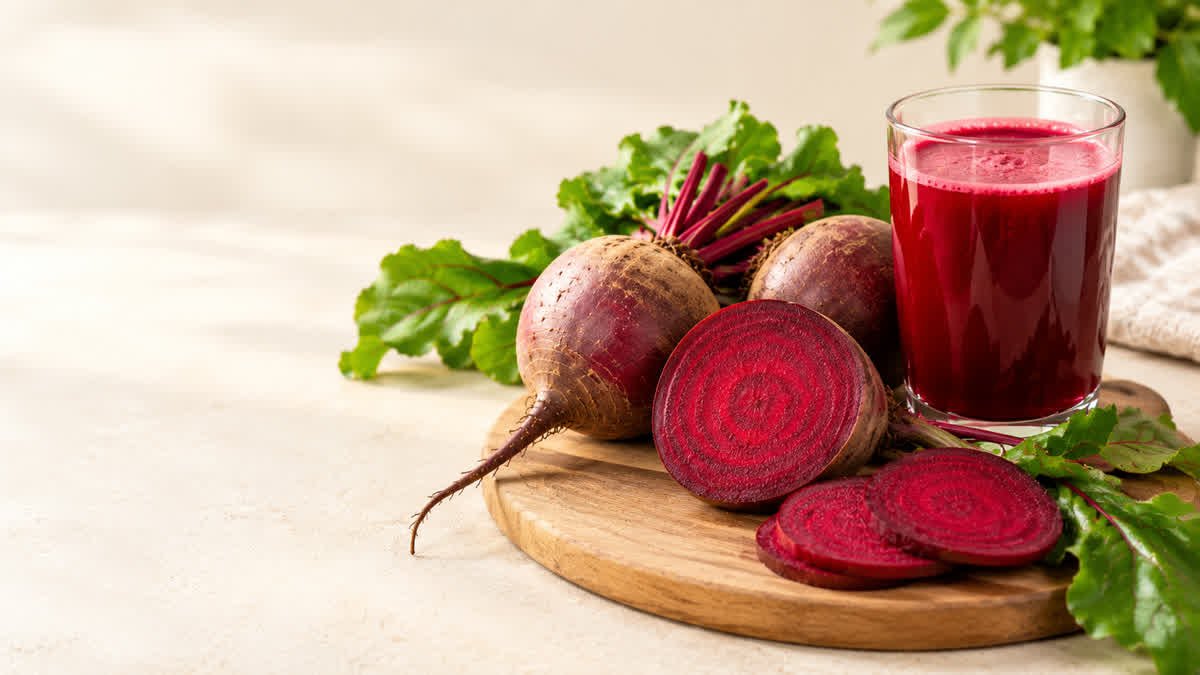

Beetroot may help lower systolic blood pressure in some adults, but the evidence is promising rather than conclusive. It contains dietary nitrate, which the body can convert into nitric oxide, a molecule that helps blood vessels relax. Beetroot can be a useful addition to a heart-healthy diet; it is not a replacement for blood pressure medication.
High blood pressure, also called hypertension, often causes no symptoms, yet it can raise the risk of heart disease and stroke over time. According to the CDC, regular measurement is the only way to know your numbers. Many people look to foods like beetroot as a way to support their blood pressure plan.
This guide explains how beetroot may work, what the research actually found, and how whole beetroot compares with juice. It also covers sensible serving advice, risks and precautions, and the other lifestyle steps with stronger evidence. The information is general and does not replace guidance from your healthcare team.
What Is Beetroot?
Beetroot (also called beets in the U.S.) is a deep red root vegetable that people eat boiled, roasted, pickled, grated raw, or juiced. According to USDA FoodData Central, raw beets provide fiber, folate, and potassium, along with natural carbohydrates. They also contain naturally occurring nitrate and betalain pigments.
The form you eat matters. Whole beetroot provides fiber, juice usually has much less, and concentrated beetroot supplements are a different product altogether. Nitrate exposure can also vary by form and preparation. For more on the vegetable itself, see our guide to beetroot health benefits.
How Does Beetroot Help Lower Blood Pressure?
The proposed mechanism starts with nitrate. After you eat beetroot, your body converts dietary nitrate to nitrite, and nitrite can contribute to the production of nitric oxide. A systematic review of randomized trials describes nitric oxide as a key vasodilator that helps blood vessels relax.
When blood vessels relax and widen, there is less resistance to blood flow, which can lower blood pressure. Beetroot also provides potassium, which helps the body balance sodium, according to the American Heart Association (AHA). That said, beetroot is not an especially high-potassium food, and its effect should not be overstated.
Individual responses vary. A plausible mechanism does not guarantee a clinical benefit for any one person.
What Does Research Say About Beetroot and High Blood Pressure?
The best summary comes from a 2024 systematic review and meta-analysis by Grönroos and colleagues. It pooled 11 randomized trials of beetroot juice in adults with hypertension. Beetroot juice was associated with an average reduction of about 5.3 mmHg in clinic systolic blood pressure compared with controls.
The analysis did not find significant improvements in clinic diastolic blood pressure or in 24-hour blood pressure. The certainty of the evidence was rated low. Limitations included small participant numbers and differences between trials.
An earlier 2022 meta-analysis of beetroot juice nitrate in hypertension also looked at both clinic and 24-hour readings. A review in Advances in Nutrition reported blood-pressure-lowering effects of beetroot juice in a broader group of adults.
Put simply, beetroot may modestly improve systolic blood pressure in some people. It does not cure hypertension, and it does not consistently lower every person’s blood pressure. Short-term trial results also do not prove lasting clinical benefits.
Potential Health Benefits of Beetroot for People With High Blood Pressure
Beyond blood pressure itself, beetroot offers a few related benefits.
- May support healthy blood pressure: Its nitrate content may modestly affect systolic pressure, as described above.
- Provides useful nutrients: It supplies folate, fiber, and potassium.
- Supports a heart-healthy diet: Vegetables contribute to an overall healthy eating pattern. See our list of heart-healthy foods.
- May support exercise performance: Nitric oxide has been studied for exercise efficiency, which is separate from any proven hypertension treatment.
The overall dietary pattern matters far more than any single food. For more on blood pressure and your heart, see our overview of blood pressure and heart health.
Is Beetroot Juice Better Than Whole Beetroot for Blood Pressure?
Direct comparisons are limited, so juice cannot be called definitively better. Here is how they differ.
- Whole beetroot: Contains fiber and fills you up, and it is easy to include in meals.
- Homemade juice: Has less fiber if the pulp is discarded, and the nitrate content depends on the beetroot you use.
- Commercial juice: Nitrate concentration varies with variety, growing conditions, and processing. Check the label for added sugar.
- Pickled beetroot: Can contain a lot of added salt, which works against blood pressure goals.
Most clinical trials used beetroot juice, not typical servings of whole beetroot. A recent systematic review notes that nitrate content in beetroot products can vary widely. Results from juice studies do not automatically apply to every preparation. Our article on eating beetroot every day compares whole beetroot and juice in more detail.
How Much Beetroot Should You Eat for High Blood Pressure?
No therapeutic serving of beetroot for hypertension has been established. Trials have used different amounts and nitrate concentrations, so they do not point to a universal dose.
A practical approach is to include ordinary food portions as part of a balanced diet, based on your preferences and how you tolerate them. Think of beetroot as one of many vegetables, alongside leafy greens, which also contain nitrate.
Do not treat a daily juice dose like a medication. If you are thinking about using concentrated juice or supplements regularly to help manage your blood pressure, talk with a healthcare professional first.
Best Ways to Include Beetroot in Your Diet
- Add boiled or roasted beetroot to salads.
- Blend beetroot with other fruits and vegetables in a smoothie.
- Make homemade beetroot juice without added sugar.
- Combine beetroot with beans, leafy greens, whole grains, and other nutritious foods.
- Choose low-sodium options, and go easy on salty pickled preparations.
If you like pairing foods that support heart health, you might also look at olive oil and blood pressure, garlic and blood pressure, and Greek yogurt and blood pressure.
Risks and Precautions When Eating Beetroot
Most people tolerate beetroot well. A few considerations apply.
Low Blood Pressure
If you take blood pressure medicine, ask your healthcare professional before regularly drinking concentrated beetroot juice. Combined effects on blood pressure are possible.
Beeturia
Beetroot pigments can turn urine or stool pink or red. This is often harmless, as Medical News Today explains. Persistent or unexplained blood in urine or stool needs medical assessment.
Kidney Stones
Beetroot contains oxalates, which may matter for people prone to calcium oxalate kidney stones. Ask your clinician if that is you.
Kidney Disease and Potassium
Some people with impaired kidney function need individualized potassium advice, according to the NIH Office of Dietary Supplements and the NIDDK. Medicines such as ACE inhibitors, ARBs, and potassium-sparing diuretics can also raise potassium.
Sugar Content
Juice contains naturally occurring sugars and is less filling than whole beetroot. If you manage blood sugar, see our article on beetroot and blood sugar.
Other Ways to Manage High Blood Pressure Naturally
Beetroot should be a small part of a larger plan. Steps with stronger evidence include:
- following a DASH-style eating pattern that emphasizes fruits, vegetables, whole grains, legumes, and nuts,
- reducing excess sodium and limiting heavily salted processed foods,
- eating a variety of fruits, vegetables, legumes, and whole grains,
- staying physically active and maintaining a healthy weight when appropriate (see our benefits of exercise guide),
- limiting alcohol and avoiding tobacco, and
- monitoring your blood pressure and taking prescribed medicines as directed.
The American Heart Association’s 2025 guideline summary outlines current recommendations. For practical ideas, read our guide on how to lower blood pressure and our overview of high blood pressure.
Frequently Asked Questions
Can Beetroot Lower Blood Pressure Quickly?
Some short-term studies suggest effects within hours, but timing and size vary, and the overall evidence is low in certainty (Grönroos 2024). Do not rely on beetroot for rapid blood pressure control.
Is It Safe to Drink Beetroot Juice Every Day?
Ordinary food intake suits many people. Concentrated juice used daily for blood pressure management deserves individualized advice, especially if you take medicines, have kidney issues, or are prone to kidney stones.
What Is the Best Time to Drink Beetroot Juice?
No universal best time has been established for managing hypertension. If you use it, consistency and your clinician’s guidance matter more than timing.
Can Beetroot Replace Blood Pressure Medication?
No. Beetroot should not replace prescribed medication or medical monitoring. Never stop or reduce a blood pressure medicine without talking with your healthcare professional.
Is Raw or Cooked Beetroot Better for Blood Pressure?
Both can fit a healthy diet. Nitrate content varies with the beetroot and how it is prepared, and there is no clear winner for blood pressure.
Can People Taking Blood Pressure Medicine Eat Beetroot?
Usually, ordinary food portions fit into a balanced diet. Discuss regular use of concentrated juice with your clinician, because combined effects are possible.
The Bottom Line: Should You Eat Beetroot for High Blood Pressure?
Beetroot may modestly improve systolic blood pressure in some people, mainly based on studies of beetroot juice. The current evidence has limitations, including small trials and low certainty. Whole beetroot makes a sensible part of a balanced diet, and it works best alongside a lower-sodium, DASH-style eating pattern, regular activity, and appropriate medical care.
Continue monitoring your blood pressure and following the treatment plan your healthcare team recommends. Beetroot is a helpful food, not a treatment.
Sources
- Grönroos R, et al. Effect of beetroot juice on lowering blood pressure in hypertension: a systematic review and meta-analysis. Clinical Nutrition ESPEN, 2024.
- Benjamim CJR, et al. Nitrate Derived From Beetroot Juice Lowers Blood Pressure in Patients With Arterial Hypertension: A Systematic Review and Meta-Analysis. Frontiers in Nutrition, 2022.
- The Nitrate-Independent Blood Pressure-Lowering Effect of Beetroot Juice: A Systematic Review and Meta-Analysis. Advances in Nutrition.
- The impact of inorganic nitrate consumption on endothelial function measured by flow-mediated dilatation: a systematic review of randomised controlled trials. Proceedings of the Nutrition Society, 2021.
- Beetroot Juice Supplementation as a Healthy Aging Strategy Through Improving Physical Performance and Cognitive Functions: A Systematic Review. Nutrients.
- American Heart Association. How Potassium Can Help Control High Blood Pressure
- American Heart Association. 2025 High Blood Pressure Guideline: Top Things to Know
- National Heart, Lung, and Blood Institute. DASH Eating Plan
- Centers for Disease Control and Prevention. About High Blood Pressure
- NIH Office of Dietary Supplements. Potassium: Fact Sheet for Health Professionals
- National Institute of Diabetes and Digestive and Kidney Diseases. Eating and Nutrition for Kidney Failure
- Medical News Today. Beeturia: Why beets can turn urine and stool red
- U.S. Department of Agriculture. FoodData Central
Medical Disclaimer: This article is for general information and education only. It is not medical advice and does not replace care from a doctor or other qualified healthcare professional. Everyone’s health needs are different, so please talk with your healthcare provider before changing your diet or using beetroot juice or supplements, especially if you take blood pressure medicine, have kidney problems, or are prone to kidney stones. Never stop or change blood pressure medicine without medical guidance. If you have chest pain, severe headache, vision changes, weakness, or trouble speaking, seek emergency care right away.