
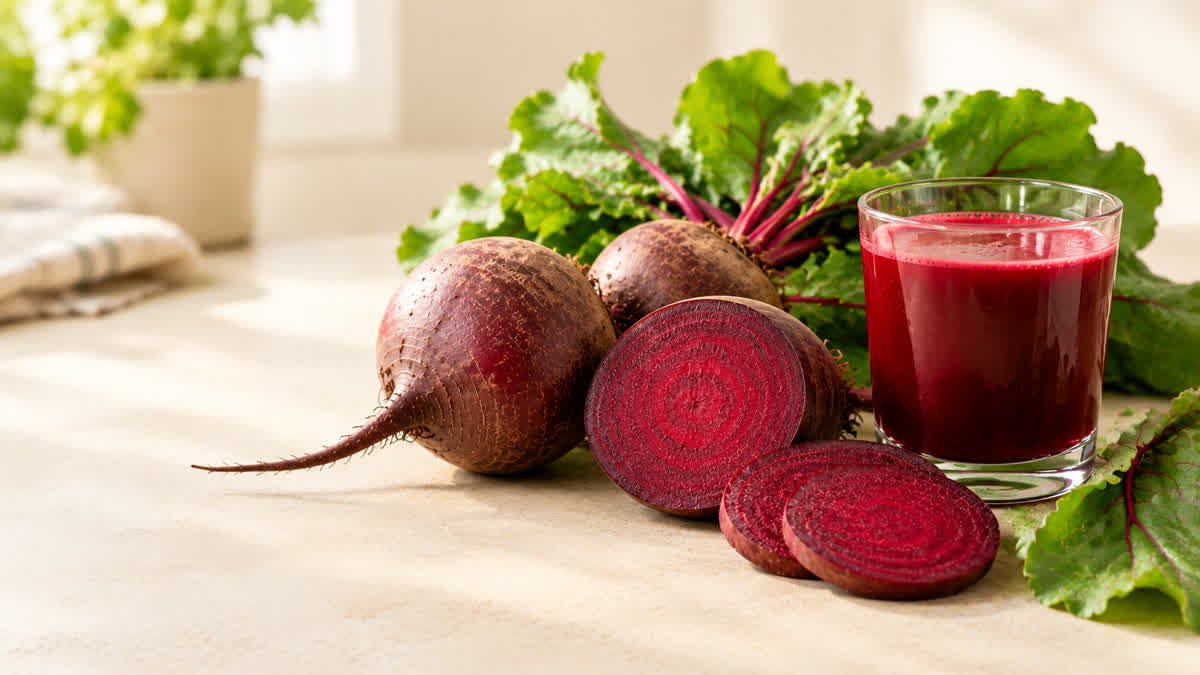

Beetroot is a nutritious vegetable that can fit into a heart-healthy diet, but current research has not established it as an effective way to lower cholesterol. A systematic review of clinical trials found no significant overall improvement in total cholesterol, LDL cholesterol, HDL cholesterol, or triglycerides. For cholesterol management, a balanced diet, regular physical activity, and prescribed treatment when needed matter much more.
High cholesterol can raise the risk of cardiovascular disease, particularly when LDL cholesterol is elevated, according to the American Heart Association (AHA). Because beetroot has a reputation as a heart-friendly food, many people wonder whether it can improve their numbers. The answer is more nuanced than the headlines suggest.
This guide explains what beetroot contains, what the studies show, and how whole beetroot compares with juice. You will also find practical serving ideas, safety considerations, and the dietary habits with stronger evidence for lowering cholesterol. The information is general and does not replace advice from your healthcare team.
What Is Beetroot?
Beetroot (also called beets in the U.S.) is a deep red root vegetable eaten boiled, roasted, pickled, grated raw, or juiced. According to USDA FoodData Central, raw beets provide fiber, folate, and potassium, along with natural carbohydrates.
Beetroot also contains betalains, the pigments that give it its color, along with dietary nitrate and other plant compounds. The form you choose matters. Whole beetroot, juice, powders, extracts, and pickled products differ in fiber, sugar, sodium, and concentration, and cooking or processing changes the nutrient profile.
For more detail, see our guide to beetroot health benefits.
Understanding High Cholesterol and Heart Health
A blood test called a lipid panel measures several types of fat in your blood.
- Total cholesterol: The overall amount of cholesterol in your blood.
- LDL cholesterol: Often called “bad” cholesterol. High LDL can contribute to plaque buildup in arteries.
- HDL cholesterol: Often called “good” cholesterol. It has a different role, and raising HDL alone is not the main treatment goal.
- Triglycerides: Another type of blood fat that is measured on a lipid panel.
Genetics, diet, physical activity, certain medical conditions, and some medicines can all influence these levels. A lipid panel plus an assessment of your overall cardiovascular risk helps your clinician decide what to do.
To learn more, see our articles on LDL vs. HDL cholesterol and high cholesterol.
Can Beetroot Help Lower Cholesterol?
The best available evidence says there is no reliable cholesterol-lowering effect. A systematic review and meta-analysis of randomized clinical trials, titled “Effect of Beetroot Consumption on Serum Lipid Profile,” found no statistically significant overall effects on total cholesterol, LDL, HDL, or triglycerides. A 2025 article in BioMed Research International summarizes that conclusion, noting that results stayed non-significant in subgroup analyses by health status, beetroot form, and type of intervention.
Some individual studies have reported favorable changes. For example, a review of beetroot in cardio-metabolic diseases lists small trials where beetroot juice was associated with lower LDL in some groups. A 12-week randomized trial in people with type 2 diabetes, however, found no significant effect on total cholesterol, LDL, HDL, or triglycerides after adjusting for baseline values.
These mixed findings do not establish a consistent effect. The evidence has limits, including a small number of eligible trials, different study populations, and different beetroot preparations. Animal and lab research may be intriguing, but it is not proof that beetroot lowers cholesterol in people.
Beetroot should not be presented as a proven cholesterol-lowering food or supplement.
Potential Health Benefits of Beetroot for People With High Cholesterol
Beetroot has general nutritional value, even though its effect on cholesterol is unproven.
- Nutrient intake: It supplies folate, potassium, and other nutrients.
- Fiber: Whole beetroot adds fiber, but it is not nearly as rich in cholesterol-lowering soluble fiber as oats, beans, lentils, or barley. See our list of high-fiber foods.
- Plant compounds: Betalains and other compounds show antioxidant activity in laboratory research. That does not prove a cholesterol reduction in humans.
- Cardiovascular wellness: Beetroot can fit into a heart-healthy eating pattern with many other fruits and vegetables. See our list of heart-healthy foods.
- Blood pressure: Beetroot’s nitrate has been studied for blood pressure, where the evidence is better than it is for cholesterol. Read our article on beetroot and high blood pressure.
A healthy food adds to overall diet quality. That is different from treating high cholesterol.
Is Beetroot Juice Good for High Cholesterol?
Beetroot juice is a different product from whole beetroot, and it has not been shown to lower cholesterol reliably.
- Fiber: Straining juice removes most of the fiber.
- Sugar: Juice can deliver more natural sugar per serving and is easy to drink in large amounts.
- Nitrate: Concentration varies between products, and it is not a reliable sign of cholesterol-lowering power.
The trials that looked at beetroot juice and lipids produced mixed results, as described above. If you enjoy unsweetened juice, treat it as an optional drink, not as a cholesterol treatment. No one can promise a specific LDL reduction from drinking it daily. For more on this comparison, see our article on eating beetroot every day.
How Much Beetroot Should You Eat for High Cholesterol?
No therapeutic serving of beetroot for cholesterol has been established. A sensible approach is to eat ordinary food portions according to your appetite and dietary needs.
Variety matters. Beetroot should be one of many vegetables, alongside leafy greens, beans, and others. Concentrated powders and extracts should not be assumed to offer more cholesterol benefit than food. If you are considering supplements, especially when you have a health condition or take medicines, talk with a healthcare professional first.
Best Ways to Eat Beetroot in a Heart-Healthy Diet
How you prepare beetroot, and what you eat with it, can matter as much as the vegetable.
- Add boiled or roasted beetroot to salads.
- Combine beetroot with beans, lentils, or chickpeas.
- Blend beetroot into smoothies with whole fruits and vegetables.
- Serve beetroot as a side with whole grains and lean protein.
- Choose low-sodium preparations instead of heavily salted pickled beetroot.
- Cook with olive oil or other unsaturated plant oils rather than butter. See our guide to olive oil benefits.
The accompanying ingredients and your overall eating pattern matter. A beetroot dish loaded with cream or butter will not help your cholesterol goals.
Risks and Precautions When Eating Beetroot
Most people tolerate beetroot well. A few considerations apply.
Beeturia
Beetroot pigments can turn urine or stool pink or red. Medical News Today explains that this is often harmless. Unexplained or persistent bleeding needs medical evaluation.
Kidney Stones
Beetroot contains oxalates, which may matter for people with a history of calcium oxalate kidney stones. Ask your clinician if this applies to you.
Kidney Disease
Potassium intake may need to be individualized for people with impaired kidney function, as the NIDDK and the NIH Office of Dietary Supplements explain.
Juice and Sugar
Juice may provide less fiber than whole beetroot and can be easy to overdo. If you manage blood sugar, see our article on beetroot and blood sugar.
Concentrated Products
Supplements may differ from ordinary food in concentration and safety considerations. Get individualized medical advice if you have dietary restrictions or relevant conditions.
Foods and Habits That Can Help Lower High Cholesterol
Beetroot is a small piece of the puzzle. Habits with stronger evidence include the following, as described by the CDC and the AHA.
- Soluble fiber: Oats, barley, beans, lentils, apples, and pears are good sources.
- Unsaturated fats: Choose nuts, seeds, olive oil, avocado, and fish in place of foods high in saturated fat. See our guide to healthy fats.
- Whole foods: Eat a variety of fruits, vegetables, and whole grains. The Mediterranean diet is one example.
- Physical activity: Regular exercise supports cardiovascular health (see our benefits of exercise guide).
- Weight management: Sustainable changes may help when appropriate.
- Avoiding tobacco: Quitting smoking is part of reducing cardiovascular risk.
- Medical care: Some people need cholesterol-lowering medication alongside lifestyle changes.
The AHA’s 2026 dietary guidance emphasizes overall eating patterns rather than any single food. For more, read our guides on how to prevent heart disease and cholesterol and heart health.
Frequently Asked Questions
Does Beetroot Lower LDL Cholesterol?
Current clinical evidence does not establish that beetroot consistently lowers LDL. A meta-analysis summarized in 2025 found no significant overall effect. Beetroot can still be part of a balanced diet.
Is Beetroot Juice Good for High Cholesterol?
Beetroot juice provides nutrients and nitrate, but it has not been shown to treat high cholesterol. Whole beetroot generally gives more fiber than strained juice. Choose the form that suits you without counting on it to lower cholesterol.
Can I Eat Beetroot Every Day?
Many people can enjoy ordinary portions regularly as part of a varied diet. People with kidney disease or a history of oxalate kidney stones may need different advice.
What Is the Best Time to Drink Beetroot Juice?
No best time has been established for cholesterol. If you enjoy it, include it in your normal routine, but do not treat timing as a proven strategy.
Is Raw or Cooked Beetroot Better for Cholesterol?
Neither has been shown to be better for cholesterol. Both can be nutritious, and preparation mostly affects texture, flavor, and some nutrient levels.
Can Beetroot Replace Cholesterol Medication?
No. Beetroot is a food, not a substitute for prescribed medication. People with elevated LDL may need medicine depending on their results and overall risk, as the AHA explains. Do not stop or change treatment without talking to your healthcare professional.
The Bottom Line: Should You Eat Beetroot if You Have High Cholesterol?
Beetroot is a nutritious vegetable that provides fiber, folate, potassium, and plant compounds. Current evidence does not establish it as an effective cholesterol-lowering food or supplement, so it is best viewed as one part of a balanced, heart-healthy eating pattern.
Focus on fiber-rich foods, unsaturated fats, regular activity, cholesterol testing, and an individualized risk assessment. If you need medication, take it as prescribed. Enjoy beetroot if you like it, but rely on your overall plan.
Sources
- Effect of Beetroot Consumption on Serum Lipid Profile: A Systematic Review and Meta-Analysis. Current Problems in Cardiology, as summarized in BioMed Research International, 2025.
- Functional properties of beetroot (Beta vulgaris) in management of cardio-metabolic diseases. Nutrition & Metabolism, 2019.
- Effects of concentrated beetroot juice consumption on glycemic control, blood pressure, and lipid profile in type 2 diabetes patients: randomized clinical trial study.
- American Heart Association. Prevention and Treatment of High Cholesterol (Hyperlipidemia)
- American Heart Association. 2026 Dietary Guidance to Improve Cardiovascular Health: Top Things to Know
- Centers for Disease Control and Prevention. Preventing High Cholesterol
- NIH Office of Dietary Supplements. Potassium: Fact Sheet for Health Professionals
- National Institute of Diabetes and Digestive and Kidney Diseases. Eating and Nutrition for Kidney Failure
- Medical News Today. Beeturia: Why beets can turn urine and stool red
- U.S. Department of Agriculture. FoodData Central
Medical Disclaimer: This article is for general information and education only. It is not medical advice and does not replace care from a doctor or other qualified healthcare professional. Everyone’s health needs are different, so please talk with your healthcare provider before changing your diet, using supplements, or changing any medicine. Never stop or change cholesterol medicine without medical guidance. If you have chest pain, shortness of breath, or other signs of a heart emergency, call 911 right away.