
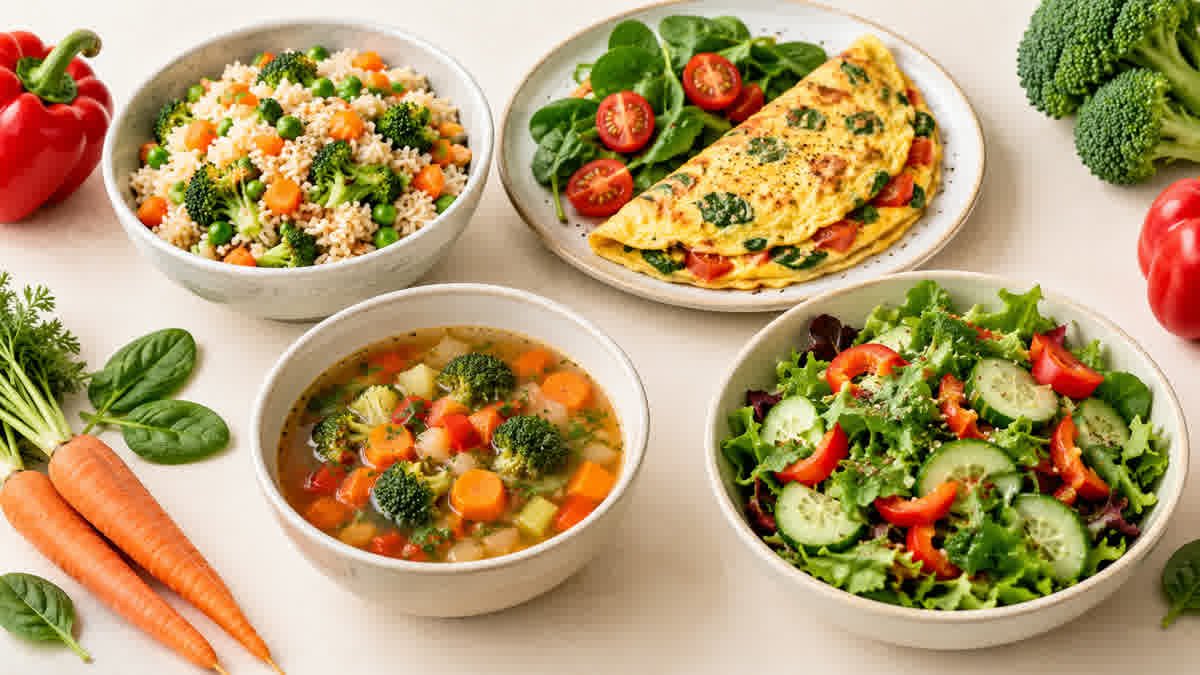

Most people know vegetables are good for them. The hard part is fitting them into a busy day without cooking a separate dish at every meal. The good news is that you can add vegetables to meals you already make, with small changes and ordinary ingredients.
You do not need a new diet, expensive produce, or complicated recipes. A handful of spinach in eggs, grated carrots in rice, or cucumber slices beside a sandwich all count. Vegetables bring fiber, vitamins, minerals, and other beneficial plant compounds to the foods you already enjoy.
This guide shares 10 practical ways to add vegetables to breakfast, lunch, dinner, and snacks. You will also find tips for building the habit, a quick comparison of fresh, frozen, and canned options, and answers to common questions. Pick one idea to try at your next meal and build from there.
Why Is It Helpful to Add More Vegetables to Meals?
Different vegetables supply different nutrients. Bell peppers and broccoli provide vitamin C, carrots provide beta-carotene, and leafy greens provide vitamin K. Eating a mix of types and colors helps you get a wider range of nutrients than relying on one or two favorites.
Vegetables also provide dietary fiber, which supports regular bowel movements and overall digestive function. If you want to go deeper, see our guide to vegetables for gut health.
The World Health Organization (WHO) recommends that adults eat at least 400 grams of fruits and vegetables combined per day. This is a combined target, not 400 grams of vegetables alone, and individual needs vary. Our guide on how many vegetables a day explains the different guidelines.
Research also associates eating more fruits and vegetables with a lower risk of some noncommunicable diseases. The WHO notes that including them in the daily diet may reduce the risk of some conditions, including cardiovascular disease and certain cancers. This is an association, not a guarantee for any one person.
For more on benefits, read our guide to the health benefits of eating vegetables daily.
10 Simple Ways to Add Vegetables to Every Meal
1. Start Your Day by Adding Vegetables to Breakfast
Breakfast is an easy place to start, because you can add vegetables without cooking a new meal. Stir spinach, tomatoes, onions, or bell peppers into scrambled eggs or an omelet. Serve sliced cucumber and tomato beside eggs or toast.
You can also mix grated carrots or pumpkin into savory pancakes, or tuck leftover cooked vegetables into a breakfast wrap. If you do not eat eggs, try savory oats, a tofu scramble, or a vegetable wrap.
An omelet with tomatoes, onions, and spinach is a simple example. Use whatever vegetables you already have on hand.
2. Add Extra Vegetables to Rice Dishes
Rice is a convenient base for vegetables, especially in homes where it is a daily staple. Mix carrots, peas, cabbage, green beans, or bell peppers into fried rice. Stir chopped spinach into a one-pot rice dish.
Familiar dishes like vegetable khichuri and mixed-vegetable pulao are good examples. You can also serve plain rice with a vegetable-rich lentil dish or curry.
Use a mix of vegetables rather than just one for more color and variety. You do not need to replace the rice. The goal is to add to it.
3. Make Soups, Stews, and Curries More Vegetable-Rich
Soups, stews, and curries can hold several vegetables in one pot. Add carrots, pumpkin, cabbage, cauliflower, or leafy greens to soups you already make. Stir spinach or other greens into curries near the end of cooking so they stay tender.
Chopped vegetables also blend well into tomato-based sauces and gravies. Garlic, ginger, onions, herbs, and spices build flavor so the dish stays satisfying.
A lentil curry with spinach, carrots, and tomatoes can serve as a full meal without a separate side dish. This works with bean stews and chicken soups too.
4. Add Vegetables to Sandwiches, Wraps, and Burgers
Sandwiches and wraps are easy places to add vegetables without changing the main filling. Layer in lettuce, cucumber, tomato, and shredded carrots. Add cabbage, peppers, or leafy greens to a wrap.
Roasted eggplant, zucchini, or bell peppers work well in heartier sandwiches. You can also stir finely shredded vegetables into bean patties or homemade burgers.
Crunchy vegetables pair nicely with hummus or yogurt-based sauces. A chicken or chickpea wrap with cabbage, cucumber, tomato, and greens is a good lunch that packs in several vegetables. For more ideas on building your plate, see our list of healthy foods to include in your diet.
5. Mix Vegetables Into Pasta and Noodle Dishes
Pasta and noodles can take on many vegetables while keeping the flavors you like. Add mushrooms, spinach, broccoli, peas, or bell peppers to pasta. Toss shredded carrots or cabbage into noodle dishes.
Chopped vegetables also disappear nicely into tomato sauce. A sauce with mushrooms, carrots, and spinach adds vegetables to a familiar meal.
Frozen vegetables can go straight into the pot during cooking. Pair vegetables with beans, eggs, tofu, or fish to make a more complete meal. Pasta and noodles are not a problem on their own. The idea is to build a more varied, satisfying plate.
6. Keep Ready-to-Eat Vegetables Available for Snacks
Convenience makes a big difference. Washed cucumber, carrots, and bell peppers are far easier to grab when they are already cut and in the fridge. Small containers of chopped vegetables make a quick snack.
Pair them with hummus, a yogurt-based dip, or a bean dip. You do not have to replace every snack. Adding vegetables next to a snack you already enjoy is a good start.
Cucumber slices and carrot sticks with hummus are a simple option. Refrigerate cut produce promptly, and see our tips on washing and storing vegetables.
7. Add Vegetables to Eggs, Lentils, and Other Everyday Protein Foods
Protein dishes are an easy way to build balanced meals. Mix spinach, tomatoes, onions, and peppers into egg dishes. Add carrots, pumpkin, or leafy greens to lentils and beans.
Cabbage, mushrooms, and broccoli work well with tofu. You can also serve fish or chicken with a side of cooked vegetables.
A bowl of lentils with spinach and carrots, served with rice or another staple, combines vegetables, protein, and carbohydrates. Keep in mind that vegetables complement protein foods. They do not replace the protein, energy, and other nutrients a meal needs. For a bigger picture, see our guide to what a balanced diet looks like.
8. Use Frozen or Canned Vegetables When Fresh Produce Is Inconvenient
Fresh vegetables are great, but frozen and canned ones can make vegetable-rich meals much easier. Keep frozen peas, spinach, broccoli, and mixed vegetables on hand. Add them to soups, rice dishes, noodles, and curries without washing or chopping.
Canned tomatoes work well in sauces and stews. Canned corn, peas, and beans are useful in many dishes.
The Dietary Guidelines for Americans include frozen, dried, and canned vegetables among their recommended options. The American Heart Association suggests choosing vegetables without salty sauces. Check labels for added sodium and other ingredients.
9. Roast, Steam, or Stir-Fry Vegetables for Better Flavor and Texture
How you prepare vegetables can make them more appealing. Roast carrots, cauliflower, pumpkin, or broccoli until tender and lightly browned. Steam green beans or broccoli. Stir-fry cabbage, peppers, and mushrooms with seasonings you like.
Garlic, ginger, herbs, spices, and a squeeze of lemon go a long way. Roasted carrots and cauliflower are an easy side for rice, potatoes, fish, or beans.
No single cooking method is best for every vegetable. Preparation can affect taste, texture, and nutrient retention. Mixing raw and cooked vegetables is a good approach. For more on this, see our guide to raw vs. cooked vegetables.
10. Prepare Vegetables in Advance to Make Weekday Meals Easier
A little planning can save time on busy days. Wash and cut suitable vegetables ahead of time. Cook a batch of vegetables to use in several meals. Make a pot of vegetable-rich soup or curry for leftovers.
Frozen vegetables are a good backup for days when you have no time. Chopped carrots, cabbage, and bell peppers can go into rice one day, noodles the next, and soup later in the week.
Treat prep as an option, not a rule. Start with one or two ingredients. Store produce properly, and prepare only what you can use within a few days.
Tips for Making Vegetables a Regular Part of Your Diet
Once you have a few go-to ideas, these habits help them stick.
Start With Vegetables You Already Enjoy
Begin with vegetables you like instead of forcing yourself to eat ones you dislike. If you enjoy tomatoes, add them to eggs, sandwiches, and rice dishes first. Once that feels easy, try a new vegetable.
Focus on Variety Rather Than Perfection
Different vegetables provide different nutrients, so rotate leafy greens, orange vegetables, cruciferous vegetables, and others across the week. You do not need to eat every color at every meal. Our guide to cruciferous vegetables is a good place to explore one group.
If you take a blood thinner such as warfarin, keep your leafy green intake fairly consistent and ask your healthcare team about it.
Make Use of Seasonal Produce
Seasonal vegetables are often more affordable and easier to find. Depending on where you live and the time of year, options may include spinach, okra, eggplant, pumpkin, cabbage, cauliflower, gourds, carrots, and green beans.
Use Flavor to Make Vegetables More Enjoyable
Vegetables do not have to be bland. Roasting, steaming, stir-frying, and cooking them into curries or soups can all bring out flavor. Familiar seasonings make new combinations feel comfortable.
Increase Variety Gradually
Make one small change at a time. You might add a vegetable to breakfast first, then work on lunch or dinner. If you eat few vegetables now, increasing fiber gradually and drinking enough fluids can help limit bloating. Sustainable habits matter more than a perfect meal plan.
For a broader view of eating well, see our guide to nutrient-dense foods and how to eat more vegetables.
Fresh, Frozen, or Canned Vegetables: Which Should You Choose?
All three can fit into a varied eating pattern, so the best choice depends on cost, availability, preference, and the dish.
Fresh vegetables offer variety in flavor and texture. They work well in salads, stir-fries, and soups, but they need proper storage to keep their quality.
Frozen vegetables are convenient and keep for a long time. They need little preparation, and plain frozen products without heavy sauces are good everyday choices. Read more in our guide on whether frozen vegetables are healthy.
Canned vegetables are affordable and easy to store. They suit soups, stews, and sauces. Some contain added sodium, so check the label, choose lower-sodium options, and rinse and drain them when appropriate.
Frequently Asked Questions
What is the easiest way to add vegetables to meals?
Start by adding vegetables to foods you already make. Put spinach in eggs or lentils, carrots in rice, and chopped vegetables in soups, sandwiches, or noodles. Small additions are easier to keep up than new recipes.
How can I eat more vegetables if I am short on time?
Use frozen vegetables, prewashed greens, and canned tomatoes. Adding vegetables to a dish you are already cooking often takes less time than making a separate side. The Dietary Guidelines count frozen and canned options.
Can I add vegetables to breakfast?
Yes. Tomatoes, spinach, onions, mushrooms, and bell peppers work well in omelets, savory oats, and breakfast wraps. You can also serve sliced vegetables beside an existing breakfast.
Are frozen vegetables as healthy as fresh vegetables?
Frozen vegetables can be similarly nutritious to fresh ones, although the exact nutrient content varies by vegetable, processing, and storage. They are a practical option for everyday meals. Choose plain products without heavy sauces or extra salt.
How can I make vegetables more appealing?
Experiment with cooking methods, seasonings, and textures. Roasting, steaming, stir-frying, or blending vegetables into familiar dishes can help you find preparations you enjoy. Giving a new vegetable several tries in different forms often helps.
Final Thoughts
You do not need a complicated diet or a complete change in cooking habits to add vegetables to meals. Small, familiar additions, like tomatoes in your eggs or peas in your rice, add up over time. Convenience, variety, and consistency matter more than perfection.
Choose one idea from this list and try it at your next meal. For a fuller picture of balanced eating, see our guide to what a healthy diet looks like.
Sources
- World Health Organization: Healthy diet fact sheet
- World Health Organization: Increasing fruit and vegetable consumption to reduce the risk of noncommunicable diseases (eLENA)
- U.S. Department of Health and Human Services and USDA: Dietary Guidelines for Americans, 2025 to 2030
- American Heart Association: Suggested Servings From Each Food Group
Medical Disclaimer: This article is for general educational purposes only and is not a substitute for professional medical advice, diagnosis, or treatment. Your nutrition needs depend on your age, health, medications, and lifestyle. Talk with your doctor or a registered dietitian before making major changes to your diet, especially if you have a medical condition.