
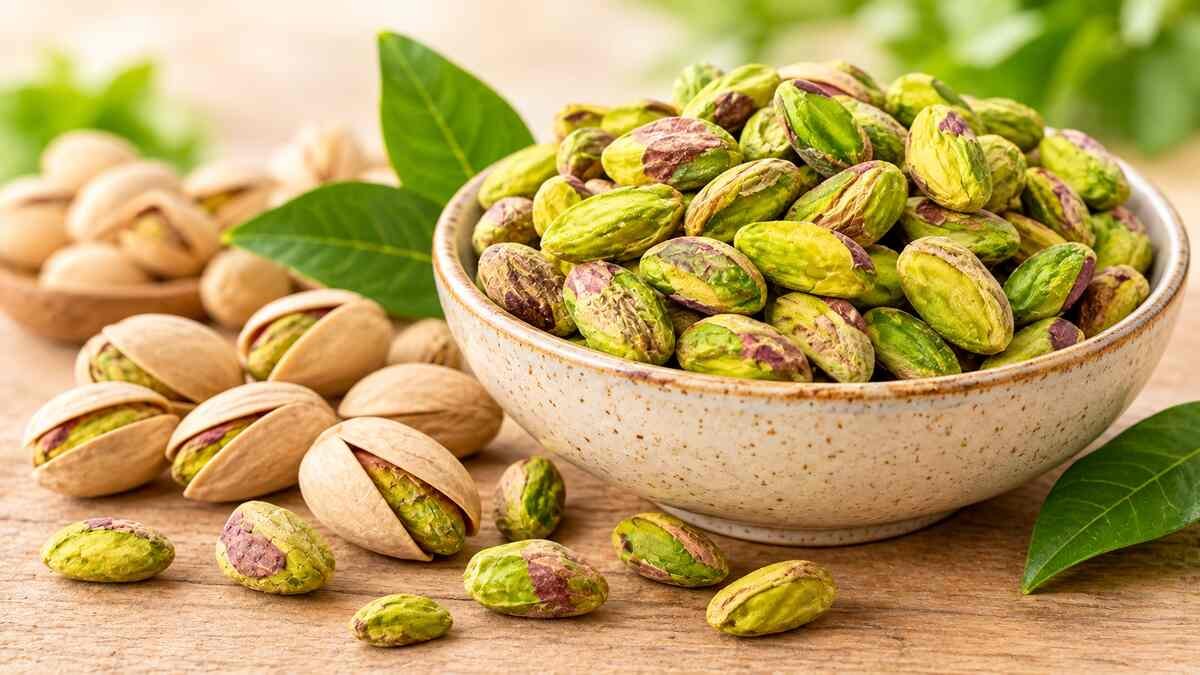

Yes, pistachios are good for you. These nutrient-dense nuts provide plant-based protein, fiber, unsaturated fats, antioxidants, and several vitamins and minerals. For most people without a nut allergy, a moderate serving fits well into a balanced eating pattern.
Research also suggests that eating pistachios may support heart health, blood sugar management, and overall metabolic health. The evidence is encouraging but not definitive, and much of it comes from short trials that measure risk markers rather than long-term outcomes. Pistachios are a helpful food, not a treatment for any condition.
But how healthy are they really, and how many should you eat? This guide covers nutrition facts, the science behind the main benefits, serving sizes, salted versus unsalted options, and possible side effects. It is general information, not individualized medical advice. For a wider look at this food group, see our guide to the health benefits of nuts.
Are Pistachios Good for You?
Yes, pistachios are good for you. They are nutrient-dense, providing protein, fiber, unsaturated fats, and antioxidants, and they can be part of a healthy eating pattern. Portion size and preparation matter, especially if you choose salted varieties.
Their nutrients may support cardiovascular and metabolic health. Because they contain both protein and fiber, they can also make a snack more satisfying. Compared with many processed snacks, pistachios offer more nutrition per bite.
Still, they are energy-dense, and no single food determines your health. The benefits described below depend on your overall diet, your portions, and your individual circumstances.
Pistachios Nutrition Facts: What’s Inside These Nuts?
The table below shows approximate values for a 1-ounce (28-gram) serving of raw pistachios, based on USDA FoodData Central. Exact numbers vary by product and preparation.
| Nutrient | Approximate amount per 1 oz (28 g) |
|---|---|
| Calories | 158 kcal |
| Protein | 5.8 g |
| Total fat | 12.6 g |
| Carbohydrates | 7.9 g |
| Dietary fiber | 2.9 g |
| Potassium | 291 mg |
| Magnesium | 34 mg |
| Vitamin B6 | 0.48 mg |
| Iron | 1.18 mg |
| Vitamin E | 0.65 mg |
Several nutrients stand out:
- Protein: Provides amino acids the body uses to maintain tissues.
- Fiber: Supports digestive health and contributes to fullness.
- Healthy fats: Mostly unsaturated fats, which can fit into a heart-conscious diet.
- Vitamin B6: Supports normal protein metabolism and nervous system function, according to the NIH Office of Dietary Supplements.
- Potassium: Helps regulate normal muscle and nerve function. See the NIH potassium fact sheet.
- Antioxidants: Pistachios contain carotenoids such as lutein and zeaxanthin, along with polyphenols.
It is this combination, rather than any single nutrient, that makes pistachios a valuable addition to a balanced diet. If you are comparing nuts, our article on the health benefits of almonds is a useful companion read.
7 Science-Backed Health Benefits of Pistachios
The benefits below are described as possibilities supported by research. Many of the studies are small or short, and several were funded in part by the pistachio industry, which is worth keeping in mind.
1. May Support Heart Health
Most of the fat in pistachios is unsaturated. Swapping some snacks high in saturated fat for nuts can improve the overall quality of the fats you eat. The American Heart Association also discusses nuts as part of a heart-healthy diet.
A meta-analysis of 17 randomized controlled trials involving 940 adults found that pistachio consumption was linked to modest improvements in systolic blood pressure, triglycerides, and HDL cholesterol. A separate meta-analysis on blood lipids reported small reductions in total and LDL cholesterol. Pistachios are not a treatment for high cholesterol or heart disease. For other options, see our guide to the best nuts for heart health.
2. May Help Support Healthy Blood Sugar Levels
Pistachios contain protein, fiber, and unsaturated fats, which can slow digestion and influence how quickly carbohydrates are absorbed. Their relatively modest carbohydrate content also makes them an interesting snack option.
A 2023 systematic review and meta-analysis of randomized trials found lower fasting blood glucose and insulin in people at higher risk of cardiovascular disease. The authors noted that few trials included people with diabetes and that sample sizes were small.
A 2025 randomized trial in Asian Indian adults with prediabetes reported a significant drop in HbA1c after 12 weeks of eating pistachios before meals. Pistachios do not replace diabetes medication or individualized dietary advice. Our guide to the best nuts for type 2 diabetes has more context.
3. Supports Digestive Health
Dietary fiber helps support regular bowel movements and a healthy digestive system. A 1-ounce serving of pistachios provides nearly 3 grams, which adds to your daily total. Fiber and plant compounds in nuts may also influence gut bacteria, although research on pistachios specifically is still developing.
Pistachios are not a cure for constipation or digestive disorders. Some people with irritable bowel syndrome find them hard to tolerate. For more fiber ideas, see our list of high-fiber foods for digestive health.
4. May Help With Weight Management
Protein and fiber contribute to feelings of fullness, and healthy fats make pistachios a satisfying snack. Eating them in place of highly processed snacks may improve overall diet quality.
The 17-trial meta-analysis above found no effect of pistachios on body mass index or waist circumference. In other words, adding them did not cause weight gain in those trials, but it did not cause weight loss either. They are calorie-dense, so portions still matter. Read more in our article on nuts and weight management.
5. Provide Antioxidants That Help Protect Cells
Pistachios contain lutein, zeaxanthin, and polyphenolic compounds. Antioxidants help protect cells against oxidative damage, a process associated with several chronic disease pathways.
Eating antioxidant-containing foods contributes to a varied, nutrient-rich diet. It does not detoxify the body, and it is not proven to prevent cancer or other diseases.
6. May Support Eye Health
Lutein and zeaxanthin are carotenoids found in the retina, where they help filter light and limit oxidative stress. Pistachios are one of the few nuts that provide them.
A 2025 randomized trial in healthy adults, published in the Journal of Nutrition, reported increased macular pigment optical density after pistachio consumption (study summary). That is a measure of carotenoid levels in the eye. It does not show that pistachios prevent eye disease.
7. Provide Nutrients for Overall Metabolic Health
Pistachios contribute several nutrients that support everyday metabolism. Vitamin B6 supports normal energy and protein metabolism. Potassium and magnesium support muscle and nerve function, protein supports tissue maintenance, fiber supports digestion, and unsaturated fats fit into a heart-conscious diet.
The benefits come from this combined profile rather than one isolated nutrient. Pistachios work best alongside vegetables, fruit, whole grains, and other protein sources.
What Does Scientific Research Say About Pistachios?
The research is promising, but it is easier to interpret when grouped by topic.
Cardiovascular research. Systematic reviews of randomized controlled trials report modest improvements in some risk markers, including triglycerides and systolic blood pressure. Results vary between studies, and the changes are small.
Blood sugar research. The 2023 meta-analysis and the 2025 trial in Asian Indian adults with prediabetes are encouraging. In that trial, adults ate about 60 grams of pistachios daily (30 grams before breakfast and 30 grams before dinner) for 12 weeks, compared with a control group that avoided nuts. HbA1c fell significantly, but fasting and post-meal glucose did not change significantly. The study was supported by a pistachio industry group, involved a specific population, and does not establish pistachios as a diabetes treatment.
What remains uncertain. Researchers still need to clarify several points:
- The long-term effects of regular pistachio consumption.
- Whether benefits differ by serving size.
- How results differ between healthy adults and people with existing metabolic conditions.
- Whether improvements in biomarkers translate into fewer heart attacks or other major outcomes.
The most accurate summary is that pistachios appear to be a promising part of a healthy dietary pattern, not a food with guaranteed medical benefits.
How Many Pistachios Should You Eat a Day?
A commonly used serving is about 1 ounce (28 grams), or roughly 49 pistachio kernels. That provides about 158 calories.
The right amount depends on your energy needs and overall diet. Eating very large portions can add many calories without adding much benefit. There is no universally established pistachio dose for preventing disease or reaching a specific health outcome.
A manageable serving, included as part of a balanced diet, is a sensible approach. Our guide on how many nuts to eat every day offers broader guidance. The Dietary Guidelines for Americans also include nuts and seeds in healthy eating patterns.
Raw vs. Roasted vs. Salted Pistachios: Which Is Healthier?
Raw pistachios generally contain no added salt and offer their naturally occurring nutrients. They are a minimally processed option.
Dry-roasted pistachios are flavorful and convenient, and they keep many of their nutritional benefits. Check the ingredient list for added salt or flavorings.
Salted pistachios still provide protein, fiber, and healthy fats. However, they can contain substantial added sodium, which may be a concern for people managing high blood pressure. Our article on high blood pressure explains why sodium matters.
Unsalted or lightly salted pistachios are sensible everyday choices, particularly if you need to monitor sodium intake.
What Happens If You Eat Pistachios Every Day?
When pistachios replace less nutritious snacks, a daily serving can increase your intake of plant-based protein, fiber, unsaturated fats, antioxidants, and micronutrients. It can also make a snack more satisfying.
Outcomes depend on your overall diet, your serving size, and your health conditions. Eating pistachios daily will not lower cholesterol, cause weight loss, or prevent diabetes for everyone. Think of them as one useful piece of a larger pattern.
Are There Any Disadvantages or Side Effects of Eating Pistachios?
For most people, pistachios are well tolerated. These are the main concerns:
- Tree nut allergy: Pistachios can trigger serious allergic reactions in people with pistachio allergy, and cross-reactivity with cashews is common. See Food Allergy Research & Education for details.
- High calorie density: Large portions can add significant calories.
- Added sodium: Salted varieties can contribute excess sodium.
- Digestive discomfort: Large amounts may cause bloating or discomfort in some people.
- Food quality: Sweetened or heavily flavored products may contain unnecessary added ingredients.
If you have a known tree nut allergy, avoid pistachios and talk with a healthcare professional about your diet.
Who Should Eat Pistachios and Who Should Be Careful?
Pistachios may be a good fit for:
- Adults seeking nutritious snack options.
- People who want more plant-based protein.
- People who want to increase fiber intake.
- People looking to replace snacks high in saturated fat.
Exercise caution if you:
- Have a pistachio or related tree nut allergy.
- Need to restrict sodium.
- Follow a medically prescribed diet with restrictions.
Pistachios should not be used as a treatment for any medical condition. Ask your healthcare professional what is appropriate for you.
How to Add Pistachios to Your Daily Diet
Plain or unsalted pistachios in reasonable portions are the easiest place to start. Here are some practical ideas:
- Eat a small handful as a snack.
- Add chopped pistachios to oatmeal.
- Sprinkle them over plain yogurt.
- Mix them into salads.
- Blend them into homemade smoothies.
- Use crushed pistachios as a topping for roasted vegetables.
- Pair them with fruit for a balanced snack.
Final Verdict: Are Pistachios Good for You?
Pistachios are nutrient-dense nuts that provide protein, fiber, healthy fats, antioxidants, and essential micronutrients. Research suggests potential benefits for cardiovascular and metabolic health, and they can support a balanced dietary pattern. Portion size, preparation, and your individual health conditions all matter.
For most people without a pistachio allergy or a relevant dietary restriction, a moderate serving can be a nutritious addition to everyday meals and snacks. For more ideas, explore our nutrition and healthy eating section, or see how pistachios compare with walnuts.
Frequently Asked Questions
Are pistachios good for you every day?
Yes. A moderate daily serving can provide protein, fiber, healthy fats, and important micronutrients. Choose a reasonable portion and, preferably, unsalted varieties.
How many pistachios should you eat a day?
About 1 ounce (28 grams), or roughly 49 kernels, is a commonly used serving size. Individual needs vary with calorie requirements and health conditions.
Are pistachios good for weight loss?
They may support weight management because protein and fiber contribute to fullness. However, a meta-analysis of randomized trials found no significant effect on body mass index or waist circumference (source). Portion control and overall calorie intake remain important.
Are pistachios good for your heart?
Pistachios contain unsaturated fats and other nutrients linked with cardiovascular health. Clinical trials suggest small improvements in some heart-related risk markers, such as triglycerides and systolic blood pressure (source). They are not a treatment for heart disease.
Are salted pistachios healthy?
Salted pistachios still provide protein, fiber, and healthy fats, but their sodium content can be high. Unsalted or lightly salted options are better for limiting sodium.
Do pistachios raise blood sugar?
Pistachios contain some carbohydrate, but they also contain protein, fiber, and fat. Research suggests they may support glycemic control in certain dietary settings, though results are not conclusive (source). People managing diabetes should follow their care team’s guidance.
Sources
- U.S. Department of Agriculture. FoodData Central.
- Meta-analysis of 17 randomized controlled trials: The effect of pistachio supplementation on metabolic syndrome and its components in adults. Summary at Examine.
- Consumption of pistachio nuts positively affects lipid profiles: a systematic review and meta-analysis of randomized controlled trials. Summary.
- Hadi A, et al. Effects of pistachios on glycaemic control: a systematic review and meta-analysis of randomised controlled trials. British Journal of Nutrition. 2023;129(10):1693-1702.
- Ashwini K, et al. Effect of premeal pistachio supplementation on cardiometabolic risk factors among Asian Indian adults with prediabetes: a randomized controlled trial. Journal of Nutrition.
- Pistachio consumption and macular pigment optical density in healthy adults: a randomized controlled trial. Journal of Nutrition. 2025;155(1):168-174. Reference list.
- National Institutes of Health, Office of Dietary Supplements. Vitamin B6 fact sheet.
- National Institutes of Health, Office of Dietary Supplements. Potassium fact sheet.
- American Heart Association. Nuts and your heart: eating nuts for heart health.
- U.S. Department of Agriculture and U.S. Department of Health and Human Services. Dietary Guidelines for Americans.
- Food Allergy Research & Education. Tree nut allergy.
Medical Disclaimer: This article is for general educational purposes only and is not medical advice. It does not diagnose, treat, or prevent any condition, and it should not replace guidance from a qualified healthcare professional. Talk with your doctor or a registered dietitian before changing your diet, especially if you have a food allergy, diabetes, high blood pressure, or take medication. If you have symptoms that worry you, seek professional care promptly.