
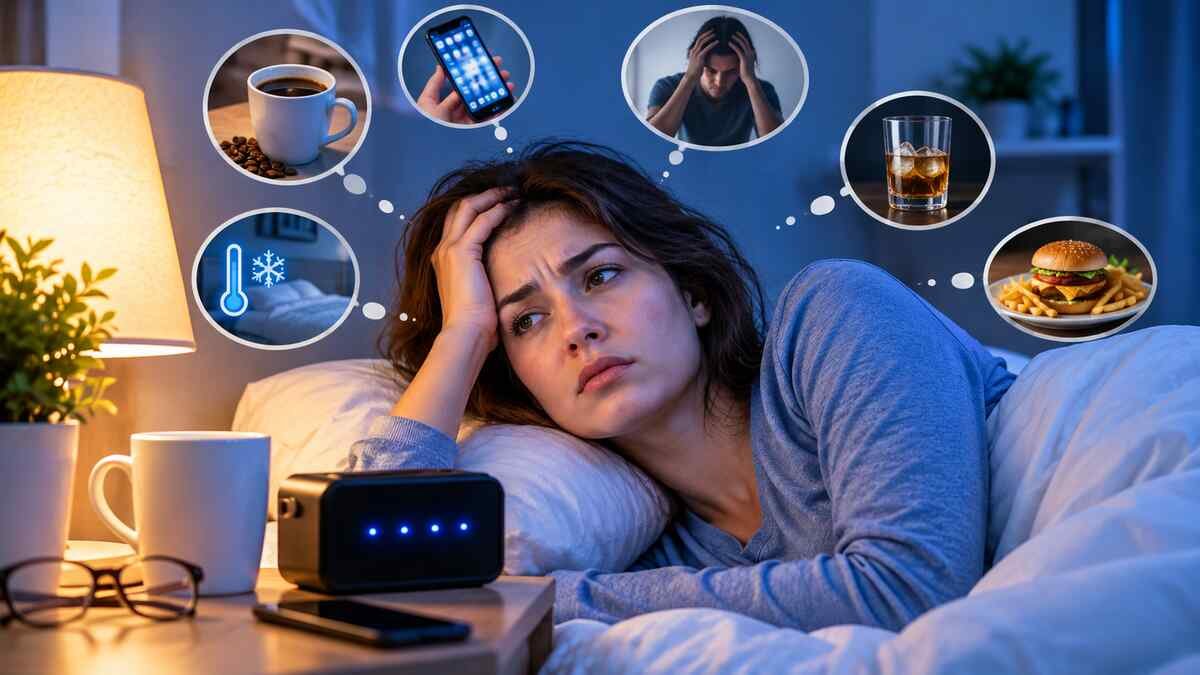

You go to bed tired, yet you wake up several times, lie awake for what feels like hours, or get up the next morning feeling just as worn out. If you already deal with poor sleep, it can be discouraging to notice that things seem to be getting worse instead of better.
The reason is often not a single problem. Everyday habits such as late caffeine, evening screen use, and an irregular schedule can add up, and so can stress, a noisy or warm bedroom, certain medications, and underlying health conditions. Many of these factors are easy to overlook, and some are outside your control.
This article focuses on what can make existing sleep problems worse, rather than what causes them to begin. If you want that background first, see our guide on what causes poor sleep. Here, you will find the habits and factors that may be working against you, practical ways to respond, and signs that it is time to talk with a healthcare professional.
Understanding Poor Sleep and Why It Can Get Worse
Poor sleep involves more than a low number of hours. The Centers for Disease Control and Prevention (CDC) explains that healthy sleep depends on both enough sleep and good sleep quality. Poor sleep quality can mean trouble falling asleep, repeated awakenings, waking too early, or feeling unrefreshed.
It helps to separate two patterns. Insufficient sleep means not allowing enough time for sleep. Disrupted sleep means spending enough time in bed but waking often or sleeping lightly. Waking repeatedly can leave you tired even when the total time in bed looks adequate. Poor sleep is also different from insomnia, which is a specific sleep disorder (see our overview of early signs of poor sleep).
Occasional bad nights are normal. Persistent problems are different, and they can feed on themselves. The National Heart, Lung, and Blood Institute (NHLBI) notes that insomnia can continue even after the original trigger is gone, because of habits formed to cope with poor sleep, such as napping, worrying about sleep, or going to bed early.
One possible pattern, the sleep disruption cycle, looks like this:
- You have a night of poor sleep.
- You feel tired and stressed the next day.
- You change your routine, for example by drinking more caffeine, napping, or going to bed very early.
- Those changes interfere with sleep the following night.
- The problem continues or gets worse, and the cycle repeats.
This is only one pattern, and it does not happen to everyone. Knowing it exists can help you spot habits that may be keeping the cycle going.
10 Everyday Habits That Can Make Poor Sleep Worse
These habits are common, and most are easy to fall into when you are tired. The evidence behind each one varies, and people respond differently, so treat this as a guide to experiment with rather than a list of rules.
1. Drinking Caffeine Too Late in the Day
Caffeine stimulates the central nervous system and can make it harder to fall asleep. It is found in coffee and espresso, black and green tea, energy drinks, cola, and chocolate. It can stay in the body for several hours, and sensitivity varies from person to person.
In a small controlled study, 400 mg of caffeine taken even six hours before bedtime reduced total sleep time, and participants often did not notice the effect. If your sleep is already poor, try tracking your caffeine and moving your last cup earlier. Some people need a cutoff earlier than others.
2. Using Phones and Screens Before Bed
Evening screen use can interfere with sleep in several ways: bright light, notifications, and stimulating content such as social media, videos, or games. It can also push your bedtime later without you noticing. A 2024 systematic review and meta-analysis found that electronic media use was significantly linked with lower sleep quality, although most of this research shows association rather than proven cause.
Blue light is only part of the picture. Timing and the type of activity matter too. Try winding down with a calmer routine, and keep devices out of bed when you can.
3. Drinking Alcohol Before Bedtime
Alcohol can make you feel sleepy at first, but it tends to disrupt sleep later in the night. A research review describes more wakefulness in the second half of the night after bedtime drinking, which can mean more awakenings and lighter sleep. Alcohol may also worsen snoring and sleep-disordered breathing in people prone to it.
For these reasons, alcohol is not a good sleep aid, especially if your sleep is already disrupted.
4. Following an Irregular Sleep Schedule
Going to bed at different times, sleeping in on weekends, or changing wake-up times often can confuse your body’s circadian rhythm. The CDC recommends going to bed and getting up at the same time every day, including weekends.
You do not need perfect consistency. Aim for a steady wake-up time and a reasonably regular bedtime throughout the week.
5. Taking Long or Late Afternoon Naps
Naps can reduce your sleep drive, which is your body’s need for sleep at night. According to the Sleep Foundation, short naps earlier in the day are less likely to disrupt nighttime sleep, while long or late-afternoon naps may make it harder to fall asleep, and people who already have trouble sleeping may be more sensitive.
If you nap, consider keeping it to 20 to 30 minutes and avoiding late afternoon. If you need frequent naps despite enough nighttime sleep, mention it to your doctor.
6. Eating Heavy Meals Too Close to Bedtime
Large, spicy, or fatty meals late at night can cause discomfort, heartburn, or acid reflux when you lie down. The NHS advises not eating a big meal late at night. Going to bed hungry can also be distracting for some people.
If reflux is a problem for you, see our guide to managing acid reflux at home and talk with a healthcare professional if it is frequent.
7. Smoking and Using Nicotine Products
Nicotine is a stimulant. In a study published in the journal CHEST, smokers spent less time in deep sleep and more time in light sleep than nonsmokers, and researchers suggested that nightly nicotine withdrawal may also disturb sleep. This applies to cigarettes, and nicotine vaping may have similar stimulant effects.
The NHLBI advises avoiding caffeine, nicotine, and alcohol close to bedtime. If you smoke and want to quit, ask your healthcare professional about cessation support, since sleep can be temporarily affected during withdrawal.
8. Exercising Too Close to Bedtime
Regular exercise generally supports better sleep. For some people, though, vigorous workouts late in the evening raise alertness and body temperature and make winding down harder. The NHS suggests not exercising within about four hours of bedtime, though individual responses differ.
Try experimenting with workout timing and see our guide on sleep and exercise.
9. Spending Too Much Time Awake in Bed
Watching TV, working, scrolling, or lying there watching the clock can teach your brain to link your bed with wakefulness and frustration. The NHLBI notes that monitoring the clock and worrying about whether you will get enough sleep can raise the risk of insomnia or make it worse.
Stimulus control is a technique used in cognitive behavioral therapy for insomnia (CBT-I). A common version suggests using the bed only for sleep and, if you are awake and frustrated after about 20 to 30 minutes, getting up and doing something relaxing until you feel drowsy. It is not a substitute for individualized treatment, so ask a clinician before using it for long-term insomnia.
10. Ignoring Early Signs of Sleep Problems
Brushing off sleep problems can delay proper care. Warning signs include frequent nighttime awakenings, regular daytime exhaustion, loud snoring with gasping, growing reliance on sleep aids, and ongoing trouble despite changing your habits.
The NHLBI notes that loud snoring, gasping, and daytime sleepiness are signs of sleep apnea, which needs medical evaluation. Keeping a simple sleep log can help you and your clinician see patterns.
Psychological and Environmental Factors That Make Poor Sleep Worse
Habits are only part of the story. Your state of mind and your surroundings can also push sleep in the wrong direction.
1. Chronic Stress and Overthinking
Ongoing worries about work, relationships, money, or responsibilities can keep your mind alert at bedtime. The NHLBI lists stress or worrying about school, work, relationships, or money as a risk factor for insomnia.
Sleep-related anxiety can build its own loop. Poor sleep increases worry about tomorrow, worry makes it harder to relax, frustration grows, and the resulting anxiety disrupts sleep further. Relaxation techniques, stress management, and support from a mental health professional may help. Our guide to reducing stress is a good place to start.
2. Anxiety and Depression
Mental health conditions can contribute to long-lasting sleep problems. They may show up as racing thoughts, trouble falling asleep, frequent waking, early-morning awakening, or changes in how long you sleep.
The relationship goes both ways: sleep problems can worsen mood and anxiety, and mood and anxiety can worsen sleep. This does not mean that everyone with poor sleep has a mental health condition. You can read more about sleep and mental health on CollectedMed.
3. Excessive Noise and Light
Traffic, loud neighbors, a television left on, bright bedroom lighting, or unwanted nighttime interruptions can all fragment sleep. The NHLBI includes noise or light during the night among environmental risk factors. Thick curtains, an eye mask, or earplugs can help some people.
4. Uncomfortable Bedroom Temperature
A room that is too hot or too cold can make it harder to fall asleep and stay comfortable through the night. Breathable bedding and a cooler, comfortable room are often worth trying. Preferences differ, so adjust to what works for you.
5. Night Shifts and Frequent Travel
Shift work, rotating schedules, and jet lag can disrupt your internal clock. The NHLBI notes that shift or night work and frequent travel across time zones can raise the risk of insomnia. Frequent changes in when you sleep make it harder to keep a steady rhythm, even when you have time to rest.
Medical Conditions and Medications That Can Worsen Poor Sleep
If you have changed your habits and your sleep is still not improving, an underlying medical issue may be involved. This is not your fault, and it is a good reason to talk with a healthcare professional.
1. Sleep Apnea and Breathing Problems
Sleep apnea causes breathing to stop and start during sleep, which fragments rest. The NHLBI lists breathing that starts and stops, frequent loud snoring, gasping for air, and daytime sleepiness among its symptoms. Morning headaches can also occur. You may not notice these signs yourself, so a bed partner’s observations can help.
2. Chronic Pain and Physical Discomfort
Conditions such as arthritis, back pain, and acid reflux can make it hard to fall asleep or stay asleep. The NHS includes long-term pain among the things that can keep you from a good night’s sleep. Treating the underlying problem may help sleep as well. See our guide to acid reflux treatment options for one common example.
3. Hormonal Changes and Other Medical Conditions
Hormone changes during pregnancy and menopause can cause sleep problems, according to the NHLBI. The NHS also lists an overactive thyroid and menopause as conditions that can cause insomnia. Many other health conditions can affect sleep, and symptoms vary widely.
4. Medications That Affect Sleep
Some medications can interfere with sleep as a side effect. Harvard Health lists common examples, including certain antidepressants, beta blockers, oral decongestants, and corticosteroids. Some asthma medications may also play a role for some people. Effects differ from person to person.
Do not stop or change a prescribed medication on your own to improve your sleep. Talk with your doctor or pharmacist first. They may be able to adjust the dose, change the timing, or suggest another option.
Signs That Your Poor Sleep Is Getting Worse
How often symptoms occur, how long they last, and how much they affect your day all matter. A single rough week is different from a pattern that keeps building.
Nighttime warning signs:
- Taking longer to fall asleep
- Waking up more often
- Having trouble returning to sleep
- Waking earlier than intended
- Restless or fragmented sleep
Daytime warning signs:
- Persistent tiredness
- Excessive daytime sleepiness
- Difficulty concentrating
- Increased irritability
- Reduced energy and productivity
- Headaches or feeling unrefreshed after waking
Persistent symptoms that interfere with work, driving, relationships, or daily functioning should not be ignored. Our article on whether poor sleep is serious can help you think through what these signs may mean.
How to Stop Poor Sleep From Getting Worse
These steps will not fix every sleep problem, but they can help keep things from slipping. For a fuller plan, see our evidence-based guide on how to improve sleep quality.
1. Establish a Consistent Sleep Routine
Keep your sleep and wake times as regular as you can, including on weekends. A steady wake-up time is often the most useful anchor.
2. Create a Sleep-Friendly Bedroom
Aim for a dark, quiet, comfortable, and fairly cool room. Remove or silence devices that light up or buzz during the night.
3. Reduce Stimulants and Alcohol
Limit caffeine and nicotine, especially later in the day, and avoid using alcohol as a sleep aid. The NHLBI advises avoiding caffeine, nicotine, and alcohol close to bedtime.
4. Manage Stress Before Bedtime
A calming routine can help: reading, gentle relaxation exercises, journaling, or mindfulness. If worry or low mood feels hard to manage, consider talking with a mental health professional (see our overview of therapy).
5. Track Your Sleep Patterns
A simple sleep diary can reveal triggers. Note your bedtime, wake time, naps, caffeine and alcohol, medications, and nighttime awakenings for a week or two. Bring it to your appointment if you decide to seek help.
6. Seek Professional Help When Necessary
If poor sleep persists, ask a healthcare professional for an assessment. For chronic insomnia, the American Academy of Sleep Medicine says CBT-I by itself is the most efficacious first-line treatment. Suspected sleep apnea or other medical conditions need their own evaluation and treatment. You can also read about poor sleep treatment options.
If you feel very drowsy while driving, do not drive, and seek medical advice promptly.
Frequently Asked Questions About What Makes Poor Sleep Worse
What makes poor sleep worse at night?
Common contributors include late caffeine, alcohol, nicotine, stress, evening screen use, irregular schedules, and a noisy, bright, or uncomfortable bedroom. Medical conditions and some medications can also play a part. The NHLBI lists stress, shift work, noise, light, and temperature extremes among known risk factors.
Does drinking coffee make poor sleep worse?
It can. Caffeine increases alertness and may delay sleep, and one study found that caffeine taken six hours before bedtime still reduced sleep time. Sensitivity varies, so some people need to stop earlier in the day than others.
Can stress make existing sleep problems worse?
Yes. Stress can increase mental alertness, make it harder to relax, and contribute to recurring sleep difficulties. Worrying about sleep itself can add to the problem, as the NHLBI notes.
Does sleeping during the day affect nighttime sleep?
Sometimes. Long or late naps can reduce sleep pressure at night, and people who already struggle to sleep may be more sensitive. Short, early naps are less likely to cause problems.
What should you avoid before bedtime if you have poor sleep?
Try to avoid late caffeine, nicotine, alcohol, heavy meals, and stimulating screen activities. The NHLBI recommends avoiding caffeine, nicotine, and alcohol close to bedtime. If problems continue despite these changes, talk with a healthcare professional.
Conclusion
Poor sleep can become harder to manage when habits, stress, noise or light, medications, and medical conditions keep interfering with nighttime rest. Try to identify your own sleep disruptors, make realistic changes, and seek professional guidance if problems persist.
Sources
- About Sleep, Centers for Disease Control and Prevention
- About Sleep and Your Heart Health, CDC
- Insomnia Causes and Risk Factors, National Heart, Lung, and Blood Institute
- Insomnia Risk Factors, NHLBI
- Sleep Apnea Symptoms, NHLBI
- Insomnia Podcast Transcript, NHLBI (archived)
- Insomnia, NHS
- Insomnia, NHS 111 Wales
- Combination Treatment for Chronic Insomnia Guideline, American Academy of Sleep Medicine
- CBT for Insomnia, University of Washington PACC
- Caffeine Effects on Sleep Taken 0, 3, or 6 Hours Before Going to Bed, Journal of Clinical Sleep Medicine
- Alcohol and Sleep, PubMed Central review
- Electronic Media Use and Sleep Quality: Updated Systematic Review and Meta-Analysis, Journal of Medical Internet Research
- Smoking and Sleep study, CHEST (American College of Chest Physicians news release)
- Does Napping Impact Sleep at Night?, Sleep Foundation
- Are Your Medications Keeping You Up at Night?, Harvard Health Publishing
Medical Disclaimer: This article is for general educational purposes only and is not medical advice. It does not diagnose, treat, or prevent any condition, and it cannot replace a visit with a qualified healthcare professional. Every person’s health is different, so talk with your doctor about your own symptoms, medications, and treatment options before making changes.
2 thoughts on “What Makes Poor Sleep Worse? Common Habits and Factors to Avoid”
Comments are closed.