
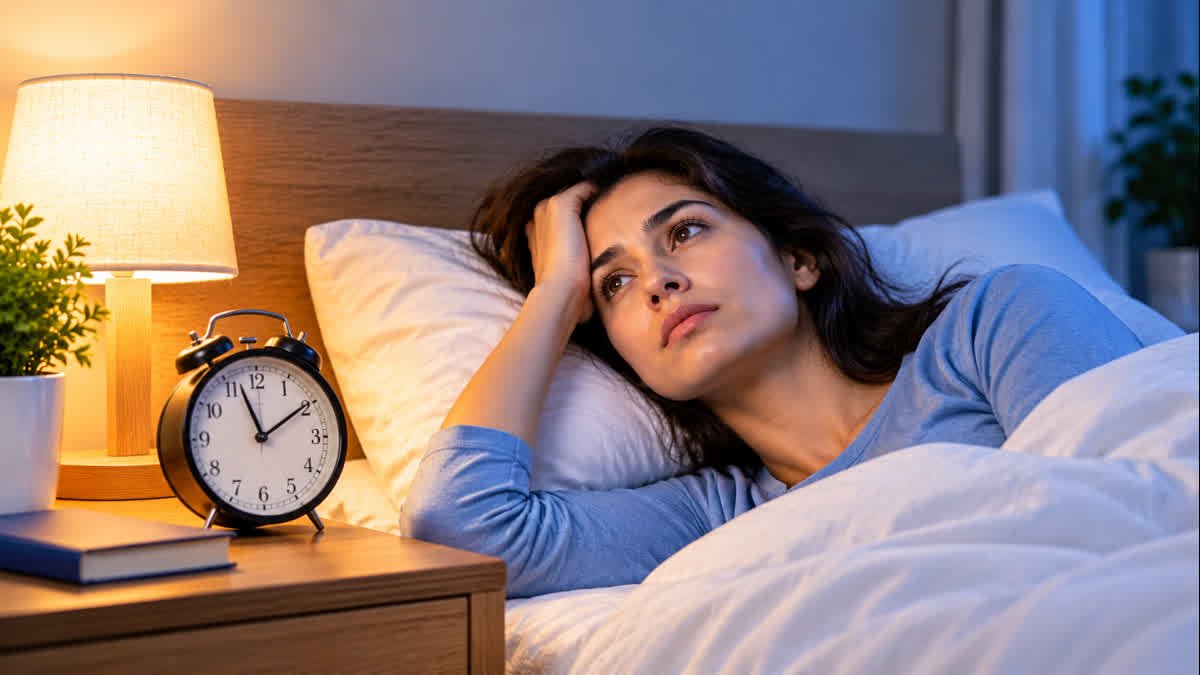

Having trouble falling asleep when you otherwise feel healthy can be confusing. You may feel physically comfortable, have no pain, cough, or breathing problems, and still lie awake long after going to bed. It is natural to wonder what is going on when nothing else seems wrong.
In many cases, sleep is influenced by more than physical health. Daily habits, caffeine, internal body rhythms, light exposure, and your bedroom environment can all affect how easily you drift off. None of these necessarily cause obvious symptoms, which is why the problem can feel puzzling.
Occasional difficulty falling asleep is common. Persistent difficulty can deserve attention even if you have no other symptoms. This article explains what isolated sleep trouble means, what may contribute, how it differs from insomnia, what you can try, and when to talk with a healthcare professional.
What Does Trouble Falling Asleep With No Other Symptoms Mean?
This pattern usually means you have difficulty starting sleep without other obvious signs of illness. You may feel physically comfortable and healthy during the day. The only issue is that sleep takes longer to arrive than you would like.
Understanding Isolated Sleep Difficulties
Isolated sleep difficulty can look like:
- Taking longer than usual to fall asleep
- Feeling physically comfortable but not sleepy
- Having no obvious accompanying physical symptoms
- Struggling occasionally or on a recurring basis
- Sleeping normally on some nights but not others
The lack of other symptoms does not make your sleep difficulty imaginary or unimportant. Sleep problems are real even when nothing else seems wrong. If your pattern changes from night to night, our guide to trouble falling asleep that comes and goes may be useful.
Can You Have Sleep Problems Without Feeling Sick?
Yes. Sleep is regulated by several systems that do not depend on feeling unwell. According to the National Heart, Lung, and Blood Institute (NHLBI), your body clock follows a roughly 24-hour rhythm, and a pressure to sleep builds with every hour you are awake. Other influences include:
- Light exposure
- Daily activity patterns
- The timing of food and stimulants
When any of these are out of step with your bedtime, falling asleep may take longer, even if you feel fine.
Does Having No Other Symptoms Mean It Is Not Insomnia?
Not necessarily. MedlinePlus describes insomnia as trouble falling asleep, staying asleep, or waking too early. Difficulty falling asleep can be a main feature, and you do not need a list of additional physical symptoms.
A diagnosis looks at how often it happens, how long it lasts, whether you have enough opportunity to sleep, and how it affects your days. A healthcare professional can help determine whether your pattern qualifies.
Why Do You Have Trouble Falling Asleep Without Other Symptoms?
Several everyday factors can interfere with falling asleep without producing obvious physical symptoms. These are possible contributors, not a diagnosis. For a wider overview, see our guide to what causes trouble falling asleep.
1. An Irregular Sleep Schedule
Going to bed at different times, waking at inconsistent times, sleeping much later on weekends, or having changing work or school routines can all matter. Frequent shifts in your bedtime routine may do the same. These patterns can affect your body’s natural sleep-wake rhythm, so you may not feel sleepy when you get into bed. Our guide on how to build a sleep schedule offers practical steps.
2. Caffeine Consumption
Caffeine is found in coffee, tea, energy drinks, caffeinated soft drinks, and chocolate. It can interfere with your body’s ability to prepare for sleep, even if you do not feel jittery or wired. Caffeine sensitivity varies a lot between individuals, so a drink that does not bother one person may affect another.
3. Circadian Rhythm Changes
The circadian rhythm is your body’s internal clock, running on roughly a 24-hour cycle. Changes in natural sleep timing, bright light in the evening, inconsistent morning light, shifting routines, or a naturally later sleep timing can all play a part.
You can feel perfectly healthy and still struggle when your desired bedtime does not match your body’s natural timing. The NHLBI notes that exposure to artificial light can interfere with the body’s light-dark signals.
4. Too Much Screen Time Before Bed
Smartphone use, television, gaming, and social media scrolling can keep your brain engaged. Bright screens and stimulating content may make the transition to sleep harder. For more detail, see how screen use and trouble falling asleep are connected.
5. Insufficient Daytime Physical Activity
Spending most of the day sitting, with little movement, may affect your sleep patterns. Regular, age-appropriate daytime activity is generally encouraged, and you do not need to overdo it. Read about trouble falling asleep and a sedentary lifestyle to learn more.
6. An Uncomfortable Sleep Environment
Room temperature, background noise, excess light, uncomfortable bedding, and household interruptions can interfere with sleep. Even small factors can add up, and they may not cause any other noticeable symptoms.
7. Medication and Substance Effects
Some prescription and over-the-counter medicines, and some substances, can affect sleep even when you notice no other side effects. Please do not stop or change a prescribed medication without speaking with a qualified healthcare professional. A pharmacist or doctor can help you review whether a medicine may play a role.
Is Trouble Falling Asleep Without Other Symptoms a Sign of Insomnia?
Sometimes, but not always. It helps to know the difference between occasional trouble, short-term insomnia, and chronic insomnia.
Occasional Difficulty Falling Asleep
Taking longer to fall asleep once in a while, or struggling for a few nights during a schedule change, is common. A noisy environment can also cause a temporary disruption. Sleep often returns to normal afterward. This does not automatically mean insomnia.
Short-Term Insomnia
Short-term insomnia lasts days or weeks. It may be associated with temporary stress, changes in sleeping arrangements, irregular schedules, or environmental disruptions. It often eases when the contributing factors do.
Chronic Insomnia
Chronic insomnia is commonly defined by the following:
- Difficulty sleeping at least three nights per week
- Symptoms lasting at least three months
- Adequate opportunity and circumstances for sleep
- Meaningful daytime effects or distress
The American Academy of Sleep Medicine (AASM) uses these criteria, and NHLBI describes them similarly. A healthcare professional should assess persistent symptoms rather than relying on self-diagnosis.
You do not need multiple symptoms to have a sleep disorder. How often the problem happens, how long it lasts, and how much it affects you are what matter.
Signs and Sleep Patterns to Pay Attention To
Common Sleep-Related Experiences
Even without other symptoms, certain patterns can be informative:
- Taking longer than expected to fall asleep
- Feeling awake despite going to bed at a reasonable time
- Sleeping differently across the week
- Feeling alert late at night
- Falling asleep more easily at some times than others
- Feeling less refreshed after a difficult night
The early signs of poor sleep may help you see how these connect. If you are curious what the experience is like for others, read what trouble falling asleep feels like.
Questions That Can Help Identify Sleep Patterns
Consider asking yourself:
- Does the difficulty happen every night or only occasionally?
- Does it happen after you have caffeine?
- Does it occur when your bedtime changes?
- Is falling asleep easier on weekends?
- Does it happen after late-night screen use?
- Does it affect your daytime concentration or energy?
Observing patterns can help identify possible triggers without assuming a medical diagnosis.
What Can You Do to Improve Sleep When You Have No Other Symptoms?
These strategies are widely recommended. They are not guaranteed to work for everyone, and they do not replace medical advice. Our companion guide on how to relieve trouble falling asleep at home goes deeper.
1. Follow a Consistent Sleep Schedule
Go to bed and wake up at fairly consistent times. Avoid large swings in your schedule, and try to keep your daily routine predictable. Regular timing supports your natural sleep-wake cycle. The NHLBI lists a regular schedule among its healthy sleep habits.
2. Limit Caffeine Later in the Day
Be aware of hidden caffeine sources, and avoid caffeine close to bedtime. Notice whether your sleep improves when you cut back. Because sensitivity differs, there is no single cutoff time that works for everyone.
3. Create a Relaxing Evening Routine
Try reading a book, listening to quiet music, taking a warm bath, or doing gentle breathing or relaxation exercises. Reduce stimulating activities before bed. A predictable wind-down can help prepare your body and mind for sleep.
4. Reduce Evening Screen Exposure
Limit phone use before bedtime, avoid stimulating content, and reduce bright light. Try to keep your bedroom focused on rest.
5. Improve Bedroom Conditions
Aim for a dark room, a comfortable temperature, less background noise, comfortable bedding, and a quiet, consistent environment.
6. Maintain Regular Daytime Activity
Getting natural daylight, taking regular walks, and doing suitable physical activity may help, and so can avoiding long stretches of inactivity. See our guides on building a habit of sunlight exposure and the benefits of a daily step count.
7. Keep a Sleep Diary
Record your sleep for one to two weeks. NHLBI suggests this before seeing a doctor. Here is what to note:
| Information to record | Purpose |
|---|---|
| Bedtime | Identify schedule consistency |
| Wake-up time | Observe sleep timing |
| Estimated time to fall asleep | Track sleep initiation |
| Caffeine intake | Identify possible associations |
| Screen use | Observe evening habits |
| Daytime activity | Identify routine patterns |
| Daytime tiredness | Understand daily effects |
A diary can help you and a healthcare professional understand recurring patterns.
A note on age: sleep needs and sleep timing differ between teens and adults. The advice here is written for adults, and younger readers should talk with a parent or doctor before applying it.
When Should You See a Healthcare Professional?
Having no other symptoms does not mean persistent sleep difficulty should be ignored. Consider seeking advice if:
- Difficulty falling asleep happens regularly
- The problem lasts several weeks or becomes more frequent
- Sleep difficulty interferes with concentration or daily functioning
- You regularly feel unrefreshed despite allowing enough time for sleep
- Problems continue despite reasonable routine changes
- You notice changes in mood, energy, or overall well-being
A clinician may look at your sleep patterns, medication effects, lifestyle factors, and possible underlying conditions. Occasional trouble without other symptoms is generally different from sleep disruption that affects everyday life. There is no need to feel alarmed, but it is reasonable to ask for help when the pattern persists.
How Do Doctors Evaluate Trouble Falling Asleep Without Other Symptoms?
Reviewing Sleep History and Daily Habits
A healthcare professional may ask:
- When the difficulty started and how often it happens
- How long it takes you to fall asleep
- Your typical bedtime and wake-up time
- About caffeine, screen use, and evening habits
- About daytime functioning
- About your medications and health history
Sleep Diary and Possible Testing
A sleep diary may help identify patterns. A physical exam may be appropriate, and blood tests may be considered if a particular medical issue is suspected. A sleep study may be recommended if your symptoms suggest another sleep disorder. It is not routinely necessary for everyone who has trouble falling asleep.
If insomnia is diagnosed, cognitive behavioral therapy for insomnia (CBT-I) is a recommended first-line treatment. The AASM guideline strongly recommends it, and the VA/DoD guideline also recommends offering it.
Frequently Asked Questions About Trouble Falling Asleep With No Other Symptoms
1. Why can’t I fall asleep even though I feel healthy?
Sleep depends on internal rhythms, daily habits, light exposure, caffeine, and your environment. Any of these can delay sleep without making you feel unwell. If it keeps happening, consider a conversation with a healthcare professional.
2. Can you have insomnia without other symptoms?
Yes. Difficulty falling asleep can be a main sleep complaint, and other physical symptoms are not required. Frequency, duration, and daytime effects help determine whether insomnia is present. MedlinePlus lists trouble falling asleep as part of insomnia.
3. Is it normal to have trouble falling asleep occasionally?
Yes. Occasional difficulty starting sleep is common and does not automatically point to a sleep disorder. Our guide to trouble falling asleep at night explores this further.
4. Can caffeine cause trouble falling asleep without other symptoms?
It can. Caffeine may delay sleep even if you do not feel unusually energetic or restless. Sensitivity varies, so your own experience is the best guide.
5. Why am I not sleepy at bedtime even when I feel tired?
Feeling physically tired is not the same as your body being ready for sleep. Circadian timing, evening light, and daily routines can all affect sleepiness. Mornings can be tricky too, so you may also want to read about trouble falling asleep in the morning.
6. When should I worry about trouble falling asleep?
Persistent sleep difficulty, especially when it interferes with daytime activities, deserves evaluation even if you have no other symptoms. You do not need to wait for it to last three months.
Conclusion: Understanding Trouble Falling Asleep Without Other Symptoms
Trouble falling asleep can happen without any obvious accompanying symptoms. Sleep timing, caffeine, screen use, daily activity, and bedroom conditions may all contribute, and observing your own patterns can help you find possible triggers.
Persistent or disruptive sleep difficulty deserves medical evaluation. Sleep problems are worth understanding, even when you otherwise feel healthy.
Sources
- MedlinePlus: Insomnia
- National Heart, Lung, and Blood Institute: What makes you sleep? (body clock)
- National Heart, Lung, and Blood Institute: Your sleep-wake cycle
- National Heart, Lung, and Blood Institute: Insomnia diagnosis
- National Heart, Lung, and Blood Institute: Sleep health resources
- American Academy of Sleep Medicine: New guideline supports behavioral, psychological treatments for insomnia
- VA/DoD Clinical Practice Guideline for the Management of Chronic Insomnia Disorder and Obstructive Sleep Apnea (2025)
Medical Disclaimer: This article is for general educational purposes only and is not medical advice. It does not diagnose, treat, or replace care from a qualified healthcare professional. If you have ongoing trouble sleeping, daytime symptoms, or other health concerns, please talk with your doctor or another licensed provider.