
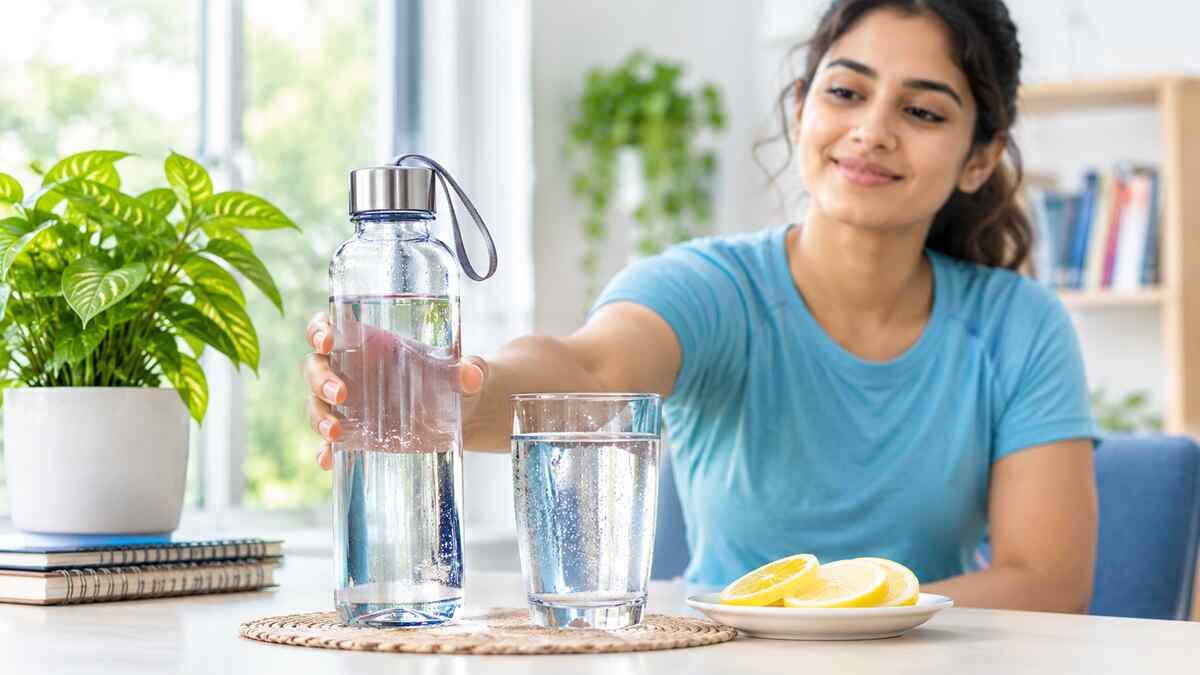

You get through a busy morning of meetings, classes, or errands, and then you realize you have barely had anything to drink. Your head feels a little heavy, your mouth is dry, and the water bottle you filled at breakfast is still sitting full on the counter. It happens to almost everyone, and it is a sign that hydration has not yet become part of your daily routine.
Most people know that drinking water matters. The hard part is remembering to do it. Busy schedules, a bottle that never gets refilled, limited access to drinking water, or simply not enjoying plain water can all get in the way. Trying to change everything at once usually makes a new habit harder to keep.
A better approach is to build hydration into routines you already have, instead of relying on motivation alone. This guide explains why hydration matters, how needs differ from person to person, and how to build a flexible routine with 10 simple tips. You will also find ideas for people who dislike plain water, advice for hot weather and exercise, and guidance on when dehydration needs medical attention.
Why Is Hydration Important for Your Health?
Water supports nearly everything your body does. Mayo Clinic notes that water makes up about 50% to 65% of body weight and helps the body regulate temperature, remove waste, and support digestion. Understanding the basics can make it easier to stay motivated.
Water Supports Normal Body Functions
According to the CDC, water helps regulate body temperature, lubricates and cushions joints, protects the spinal cord and other sensitive tissues, and supports the removal of waste through urine, sweat, and stool. MedlinePlus adds that water helps prevent constipation by keeping things moving through the intestines.
Adequate hydration supports these normal functions. It does not mean that extra water will boost your energy, concentration, or skin in everyone. The benefit comes mainly from avoiding dehydration. For a closer look at the research, see our guide on the benefits of hydration.
What Happens When You Do Not Drink Enough?
Dehydration happens when your body loses more fluid than it takes in. Common early signs include thirst, a dry mouth, darker urine, and headaches. Mayo Clinic also lists reduced physical performance and, in extreme cases, confusion and dizziness.
Symptoms vary, and many of them have other causes. They should not be used as a substitute for a medical assessment. If you often feel dizzy, our guide on what causes dizziness explains other possibilities.
How Much Water Do You Really Need Each Day?
There is no single amount that fits everyone, and that is good news for habit building. You do not need to hit an exact number. You just need regular, comfortable opportunities to drink.
Why Hydration Needs Differ
Fluid needs vary with several factors. The CDC says needs depend on age, sex, pregnancy and breastfeeding, and activity level, and that you need more in hot climates, when you are active, or when you have a fever, vomiting, or diarrhea. Diet, body size, certain medical conditions, and some medications can also matter.
MedlinePlus states that adult intake targets of 91 to 125 fluid ounces (2.7 to 3.7 liters) per day refer to all food and beverages combined, not plain water alone. The popular “eight glasses a day” idea is an easy-to-remember goal, but Mayo Clinic notes that individual needs vary. The NHS suggests about 6 to 8 cups or glasses of fluid a day as a general guide.
If you have been given fluid restrictions or personalized medical instructions, follow your healthcare professional’s advice instead of general targets.
Does All Fluid Have to Come From Plain Water?
No. Plain water is a convenient everyday choice, but other drinks count too. The NHS lists water, lower-fat milk, and lower-sugar drinks, including tea and coffee, as contributing to fluid intake. MedlinePlus notes that alcohol does not add to body water.
Food counts as well. Mayo Clinic says food provides about 20% of daily water needs, and fruits and vegetables such as watermelon, cantaloupe, strawberries, and cabbage are nearly 100% water by weight. Our guide to hydrating vegetables has more ideas. It still makes sense to choose water regularly and keep sugary drinks to a minimum.
How Can You Tell Whether You Are Hydrated?
Thirst and urine color offer useful clues. Mayo Clinic notes that not feeling thirsty often and having colorless or light yellow urine are signs of adequate hydration, and the NHS suggests aiming for pale yellow urine.
Treat urine color as a rough guide, not a perfect test. Foods, vitamins, and medications can change it.
10 Simple Ways to Build a Daily Hydration Habit
These tips work best when you start small and repeat them. You do not need to use all ten.
1. Start With One Small, Realistic Change
Do not try to overhaul your routine overnight. Choose one regular opportunity to drink water, such as a glass with breakfast, and repeat it. Repetition matters more than perfection.
2. Connect Drinking Water to an Existing Routine
This is often called habit stacking: attach a new behavior to something you already do every day. For example, drink some water after you wake up, have a glass with each meal, take a few sips during a regular work or study break, or refill your bottle when you get home.
3. Keep Water Within Easy Reach
Convenience is the biggest driver of any habit. Put a clean bottle or glass where you normally work or study, keep drinking water visible in shared spaces, and fill a bottle before you leave home when you can.
4. Choose a Bottle You Enjoy Using
The CDC suggests carrying a reusable water bottle. Pick one that is comfortable to carry, easy to clean, and sized for your day. A bigger bottle is not always better if it feels heavy or you never finish it.
5. Use Gentle Reminders
A phone reminder, calendar notification, or sticky note near your workspace can help at first. Link reminders to natural breaks instead of setting constant alerts, and reduce them as the habit becomes familiar.
6. Make Water More Appealing
If plain water is boring, change how it tastes or feels. Try chilled or room-temperature water, or add lemon, lime, mint, or cucumber. The CDC also suggests adding a lime or lemon wedge for flavor, or freezing water in bottles to keep it cold all day.
7. Include Water With Meals and Snacks
Serving water with meals is another CDC tip, and it ties hydration to something you already do. Include water-rich foods as part of a varied diet. There is no need to treat every meal as a strict target.
8. Prepare for Busy Days
Fill a bottle before school, work, or travel, and think about where you can refill it. A backup bottle or a plan for refills makes busy days easier.
9. Adjust for Weather and Activity
Drink more regularly in hot weather, and replace fluids when you sweat more than usual. Not everyone needs the same amount, so let your activity, climate, and thirst guide you.
10. Focus on Consistency, Not Perfection
Missing a reminder or forgetting to drink does not mean the habit has failed. Return to your routine at the next convenient chance, and adjust any strategy that feels hard to maintain.
How to Create a Hydration Routine That Fits Your Day
Individual tips are easier to follow when they fit into a daily pattern. The routine below is an example of habit cues, not a medically required drinking schedule or a prescribed amount.
Morning
Keep water available while getting ready, and consider a drink with breakfast or after waking if that suits you. Refill your reusable bottle before leaving home.
During Work or School
Keep water at your desk or in your bag. Use natural breaks between lessons, meetings, or tasks as drinking cues, and have water with meals and snacks.
Afternoon
Check whether you have had chances to drink so far, and refill your bottle if needed. Pay attention to thirst, weather, and activity level.
Evening
Keep water available with dinner and drink according to thirst and your needs. Avoid forcing large amounts right before bed, especially if it disrupts your sleep. For more on rest, see our guide on how to improve sleep.
| Part of the day | Simple hydration cue |
|---|---|
| Morning | Have water with breakfast |
| Before leaving home | Fill your bottle |
| Study or work break | Take a drink |
| Lunch | Keep water with your meal |
| Afternoon break | Refill your bottle if needed |
| Dinner | Have water with your meal |
How to Drink More Water If You Do Not Like Plain Water
You do not have to force yourself to drink water you dislike. Finding an option you enjoy makes the habit easier to keep.
Experiment With Temperature
Some people prefer ice-cold water, while others like it at room temperature. Try both and choose what feels comfortable.
Add Natural Flavor
Lemon, lime, cucumber, mint, or a few pieces of fruit can make water more appealing without sugary flavorings.
Try Other Suitable Drinks
Unsweetened sparkling water can be an alternative, and the NHS lists lower-fat milk, tea, and coffee as drinks that count toward fluid intake. Soups and water-rich foods help too.
Make Water the Convenient Choice
Keep a glass or bottle within reach, have water available when you eat, and choose it more often when deciding what to drink. The CDC notes that water has no calories, so choosing it over sugary drinks can also lower calorie intake.
Common Hydration Mistakes to Avoid
These mistakes are common, and none of them mean you are doing it wrong.
Waiting Until You Feel Extremely Thirsty
Thirst is useful, but it should not be your only guide in heat, during exercise, or when you are ill. MedlinePlus notes that thirst may change with age, so regular chances to drink matter.
Believing Everyone Needs the Same Amount of Water
Fluid needs differ widely, so avoid rigid universal targets.
Drinking Too Much Too Quickly
More is not always better. Mayo Clinic notes that drinking too much water is rare for healthy adults but can lower blood sodium too far, a condition called hyponatremia that can be life-threatening. Some athletes are at risk. Avoid water-drinking contests and extreme hydration challenges.
Thinking Only Plain Water Counts
Other beverages and water-rich foods contribute to your fluid intake, as noted above.
Giving Up After Missing a Day
Habits form through repeated practice, not flawless streaks. Pick up your routine again without guilt.
How to Stay Hydrated During Hot Weather and Physical Activity
You lose more fluid through sweat in hot conditions, and the CDC notes that you need more water in hot climates and when you are physically active. In hot, humid weather, it helps to keep water close during outdoor routines such as commuting, errands, or exercise, and to sip regularly instead of waiting until you feel parched.
For ordinary activity, water is a practical choice. People doing prolonged or intense exercise may need individualized fluid and electrolyte guidance, and sports drinks are not necessary for most everyday situations. For help recovering after a workout, see our guide on workout recovery.
Vomiting, diarrhea, and fever increase fluid loss. If you are ill or have a health condition that affects fluid balance, follow appropriate medical advice.
How to Track Your Hydration Habit Without Becoming Obsessed
Tracking can help, but it should not add pressure.
Use Simple Habit Tracking
Mark whether you remembered to keep water nearby or to drink with a meal. A basic calendar or checklist is enough. Focus on whether the routine is getting easier, not on a perfect score.
Notice Everyday Signals
Pay attention to thirst and how you feel. Notice whether your urine is unusually dark, remembering that color is not a perfect measure. Consider weather, activity, and illness when judging your needs.
Adjust the Routine When Life Changes
Change your cues when your school or work schedule shifts, keep water accessible while traveling, and return to familiar cues after a busy period.
For example, if you forget water during study sessions, place a bottle beside your books and use the break between subjects as your reminder. The habit becomes part of an activity you already do.
When Should You Be Concerned About Dehydration?
Common signs include increased thirst, a dry mouth, darker urine, and urinating less often. Headache, tiredness, and dizziness can also occur. Because these symptoms have other causes, avoid diagnosing yourself from one symptom. Our guide on what causes headaches explains other possibilities.
Vomiting, diarrhea, fever, and long exposure to heat raise the risk. MedlinePlus notes that severe dehydration can be life-threatening. Seek urgent medical attention for confusion, fainting, or difficulty staying awake, and for very little or no urination or an inability to keep fluids down.
Children, older adults, and people with certain health conditions may need extra care. Drinking water at home is not enough for every case of dehydration. Talk with a healthcare professional about persistent symptoms, repeated dehydration, or concerns related to a medical condition or medication.
How to Make Your Hydration Habit Last
Keep the habit small enough to repeat, and use existing activities as reminders. Make drinking water convenient and enjoyable, and adjust for weather, activity, and changes in routine. Avoid guilt when you miss a chance to drink.
Healthy habits are flexible and develop through repetition. For more ideas on building routines, see our guides on healthy habits, healthy living tips, and how to live a healthy lifestyle.
Frequently Asked Questions About Building a Hydration Habit
How can I make drinking water a daily habit?
Connect drinking water with things you already do, such as eating breakfast, taking a study break, or having lunch. Keep water within easy reach and use gentle reminders until the routine feels familiar.
What is the easiest way to remember to drink water?
Keep a reusable bottle somewhere visible and convenient. You can also use regular activities as reminders, such as drinking with meals or taking a drink between tasks.
How much water should I drink every day?
Fluid needs vary with age, activity, climate, health, and diet, so there is no single right amount. Mayo Clinic notes that individual needs vary. Drink regularly, pay attention to thirst, and follow any individualized medical advice.
Does drinking water with meals count toward hydration?
Yes. Water with meals adds to your daily fluid intake. Other beverages and water-containing foods also contribute.
Can fruits and vegetables help keep me hydrated?
Yes. Foods such as watermelon, cucumber, oranges, strawberries, and lettuce contain a lot of water and add to overall fluid intake. Mayo Clinic notes that food provides about 20% of daily water.
Is it better to drink water in the morning or throughout the day?
A morning glass can be a convenient way to start a routine, but hydration is not limited to one time of day. Regular chances to drink through the day are more practical.
How long does it take to build a hydration habit?
There is no fixed timeline. It depends on the person, the routine, and how consistently you repeat it. Focus on making the habit easy to maintain rather than expecting quick results.
Can I drink too much water?
Yes. Drinking excessive amounts in a short time can dangerously lower blood sodium. Mayo Clinic says this can be life-threatening, so avoid forcing water beyond your needs or joining water-drinking challenges.
Start Building a Healthier Hydration Habit Today
Building a hydration habit does not have to be complicated. Small actions, such as keeping water nearby, drinking with meals, and taking regular breaks, can make it easier to remember throughout the day. Start with one change that fits your routine and build from there.
The goal is not to follow a perfect schedule or drink more than your body needs. It is to make adequate hydration a natural, sustainable part of everyday life. For a broader plan, see our guide on how to improve your health.
Sources
- About Water and Healthier Drinks, Centers for Disease Control and Prevention
- Water: How much should you drink every day? Mayo Clinic
- Water, drinks and hydration, NHS
- Water in diet, MedlinePlus
Medical Disclaimer: This article is for general educational purposes only and is not a substitute for professional medical advice, diagnosis, or treatment. Fluid needs vary from person to person, and some medical conditions, including kidney, heart, and liver conditions, and some medications require personalized guidance. Always talk with a qualified healthcare provider about your health. If you or someone else has confusion, fainting, or cannot keep fluids down, seek urgent medical care right away.