
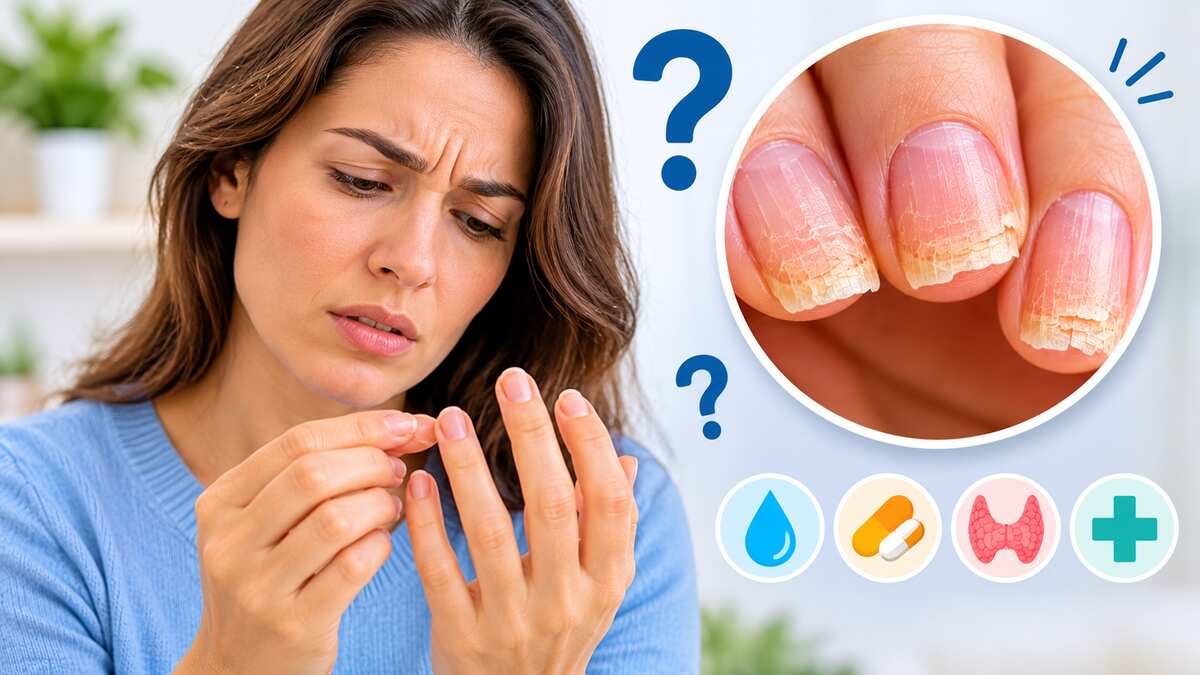

Have your nails started splitting, peeling, or breaking more often than usual? It is easy to wonder whether something is wrong, especially if you have been taking care of your hands. Brittle nails are common and can develop for several everyday reasons.
The short answer is that brittle nails are usually not a reason to panic. Frequent handwashing, repeated water exposure, cleaning products, nail treatments, and aging can all make nails more fragile. However, sudden or persistent changes, pain, discoloration, swelling, or nail separation may need medical evaluation.
This guide explains which nail changes are usually less concerning, which ones deserve attention, and what conditions may sometimes be involved. It also covers vitamin deficiency, practical care steps, and when to talk with a healthcare professional. Brittle nails alone cannot diagnose a disease, so the goal here is to help you tell the difference without needless worry.
Should I Worry About Brittle Nails?
Brittle nails are usually not a serious concern and often result from frequent water exposure, harsh chemicals, aging, or nail-care habits. However, persistent splitting, unusual discoloration, pain, swelling, or nail separation may require medical evaluation.
Occasional nail breakage is common. Nails can become fragile because of environmental exposure, daily activities, aging, and grooming habits. MedlinePlus notes that brittle nails are often a normal result of aging, though they can also be linked to certain diseases and conditions.
It helps to think in three groups. These are general guidelines, not a diagnosis, and the seriousness depends on the pattern, duration, other symptoms, and your health history.
- Usually less concerning: An occasional broken nail, mild peeling after repeated water exposure, or fragility after frequent manicures.
- Worth monitoring: Repeated splitting, several nails becoming weak, or changes that continue despite gentler nail care.
- Needs medical attention: Painful nail changes, swelling, bleeding, significant discoloration, nail separation, or other unexplained symptoms.
Common Reasons Brittle Nails Are Usually Not Serious
Everyday causes explain many cases of nail fragility. For a deeper look, see our guide to the common causes of brittle nails.
Frequent Exposure to Water
Repeated wetting and drying can affect nail structure and make nails more likely to split or peel. Cleveland Clinic notes that nails lose water faster than skin, so frequent handwashing and sanitizing can dry them out.
Cleaning Products and Chemicals
Detergents, household cleaners, and solvents may dry or irritate nails and the skin around them. Mayo Clinic also notes that frequent contact with chemicals, such as those in many cleaning products, may weaken nails.
Frequent Manicures and Artificial Nails
Repeated filing, artificial nail applications, and polish removers can contribute to damage. Acetone in particular can dry nails over time.
Aging
Nails may become more fragile or change in texture with age, which can be a normal part of getting older. Not every nail change should automatically be blamed on age, though, especially if it appears suddenly.
Physical Trauma and Nail-Biting
Biting, picking, repeated pressure, and using nails as tools can all weaken the nail plate. These habits can also irritate the skin around the nail.
None of this means lifestyle explains every case. It simply means these factors are common and often manageable.
Warning Signs of Brittle Nails That Deserve Attention
Some changes go beyond ordinary fragility. For what everyday brittleness typically feels like, see our article on the signs of brittle nails. The signs below are reasons to consider professional assessment, not reasons to assume a serious illness.
Sudden or Unexplained Nail Changes
A noticeable change affecting several nails, especially without an obvious cause such as a new cleaning job, deserves attention if it persists.
Persistent Splitting and Breakage
Nails that keep cracking or peeling despite less chemical exposure and better nail care may need a closer look.
Nail Discoloration
Yellow, green, white, brown, or dark discoloration can have different possible causes, from staining to infection to other conditions. Do not try to self-diagnose from color alone. A new or changing dark band, especially on a single nail, should be assessed promptly by a healthcare professional.
Pain, Swelling, or Bleeding
Pain, redness, swelling, pus, or bleeding around a nail can suggest injury, inflammation, or infection. Cleveland Clinic lists redness, swelling, or soreness of the skin folds around the nail among reasons to call a doctor.
Nails Separating From the Nail Bed
This is called onycholysis: the nail begins to lift away from the skin underneath. It can happen for several reasons, and unexplained or persistent separation should be assessed.
Changes Accompanied by Other Symptoms
Unexplained fatigue, weight changes, skin problems, or other new symptoms may help a clinician judge whether a broader health issue is involved.
| Nail change | Suggested response |
|---|---|
| Occasional nail breakage | Protect nails and monitor |
| Repeated peeling or splitting | Review nail-care habits; seek advice if persistent |
| Unexplained discoloration | Arrange a medical assessment |
| Pain, swelling, or pus | Seek prompt medical advice |
| New or changing dark nail band | Arrange prompt professional evaluation |
| Nail separation without a clear cause | Have it assessed |
Most of these situations are treatable, and seeking an assessment is simply a sensible way to find out what is going on.
Health Problems That May Be Associated With Brittle Nails
Certain health conditions can affect nail growth, structure, or appearance. Brittle nails alone cannot confirm any of them, and most people with brittle nails do not have one of these conditions.
Iron Deficiency
Iron deficiency can sometimes be associated with nail changes, including fragile or spoon-shaped nails, as MedlinePlus notes. Some people with low iron also feel tired or weak, though symptoms vary. See our guide to what causes fatigue for other possibilities.
Thyroid Disorders
Thyroid conditions may affect nail growth and texture in some people. MedlinePlus says hyperthyroidism or hypothyroidism may cause brittle nails or separation of the nail from the nail bed. Other symptoms and medical testing are needed for assessment.
Psoriasis and Eczema
Inflammatory skin conditions can affect the nails or surrounding skin. Mayo Clinic dermatologist Dawn Davis, MD, lists psoriasis, lichen planus, and dermatitis as skin disorders that can show up in the nails. Nail psoriasis may cause pitting, separation, or discoloration.
Fungal Nail Infections
Fungal infections may cause thickened, discolored, crumbly, or distorted nails. Not every brittle or discolored nail is fungal, so a clinician may need to confirm it.
Other Medical Factors and Medications
Some chronic illnesses and medications can affect nails. For example, chemotherapy can affect nail growth, and Cleveland Clinic notes reduced blood flow to the fingers, as in Raynaud’s syndrome, can also cause brittle nails. If you take medications and notice nail changes, ask your prescriber.
Are Brittle Nails a Sign of Vitamin Deficiency?
Sometimes, but not reliably. Nutritional deficiencies can contribute to nail changes in some people, yet brittle nails are not a dependable way to identify a specific deficiency. Most brittle nails have other explanations.
Iron deficiency may be associated with certain nail changes, and inadequate protein or overall nutrition can affect nail health. Cleveland Clinic mentions protein, iron, and B vitamins. Other nutrient shortfalls may matter in specific clinical situations.
Biotin deserves a careful note. Supplements are often marketed for hair and nails, but the NIH Office of Dietary Supplements says there is little scientific evidence for these claims, and high-dose biotin can cause false results on some lab tests, including thyroid hormone tests. Do not start iron, biotin, zinc, or other supplements without an established need and professional guidance. Food sources are a safer starting point; see foods rich in iron.
When Should You See a Doctor for Brittle Nails?
If you are unsure whether to book an appointment, consider a professional evaluation when:
- Nail brittleness is persistent or worsening despite good nail care
- Several nails change unexpectedly
- You notice unexplained discoloration or thickening
- A nail separates from the nail bed
- The surrounding skin becomes painful, swollen, or infected-looking
- Nail changes occur alongside other unexplained health symptoms
Mayo Clinic suggests talking to a doctor or dermatologist if self-care does not help after about a month. A clinician may examine your nails, ask about medications and daily habits, and consider tests if your history or exam points to an underlying condition.
For severe pain, spreading redness, significant swelling, or signs of infection, seek prompt medical care rather than waiting.
What Can You Do About Brittle Nails?
These steps are practical while you monitor your symptoms. Nails grow slowly, so improvement takes time, and no product or habit can promise overnight results.
Protect Your Nails From Water and Chemicals
Wear gloves for dishwashing and cleaning, as the American Academy of Dermatology recommends. Avoid prolonged, unnecessary soaking.
Moisturize Regularly
Use hand cream or a suitable nail moisturizer after washing your hands and whenever nails feel dry. Mayo Clinic advises rubbing lotion into the nails and cuticles too. Our guide to dry skin has more on hydration.
Keep Nails Trimmed and Smooth
Shorter nails are less likely to catch on objects. Use a gentle file and avoid aggressive buffing.
Take a Break From Harsh Nail Treatments
Limit repeated artificial nail applications, excessive filing, and harsh polish removers if they seem to worsen fragility. Choose acetone-free removers when you need one.
Eat a Balanced Diet
A varied diet with adequate protein, fruits, vegetables, whole grains, and other nutrient-rich foods supports overall health, including nails. Start with our guides to a balanced diet and high-protein foods.
How Do Doctors Evaluate Persistent Nail Changes?
An appointment is usually straightforward. A healthcare professional may:
- Ask when the changes began and whether they affect one nail or several
- Ask about work, water exposure, nail products, injuries, and medications
- Examine the nail plate and the surrounding skin
- Consider blood tests if a deficiency or thyroid condition is suspected
- Consider a nail sample if a fungal infection is suspected
MedlinePlus notes that tests depend on the symptoms and may include blood tests or examination of a nail sample. Testing depends on your symptoms and exam, and not everyone with brittle nails needs laboratory tests.
Frequently Asked Questions About Brittle Nails
Are brittle nails a sign of something serious?
Usually, brittle nails relate to everyday exposure, nail-care habits, or aging, according to sources such as MedlinePlus. Persistent or unusual changes, especially with pain or other symptoms, deserve medical evaluation.
Can brittle nails mean I have an iron deficiency?
Iron deficiency may contribute to certain nail changes, but brittle nails alone cannot confirm low iron. A healthcare professional can decide whether blood testing is appropriate. See MedlinePlus for the link between low iron and brittle nails.
When should I see a doctor about brittle nails?
Seek advice if nail changes persist, worsen, affect several nails unexpectedly, or occur with pain, swelling, discoloration, or nail separation. Prompt care is wise for severe pain or spreading redness.
Can stress cause brittle nails?
Stress may affect nails indirectly through habits such as nail-biting, illness, or changes in eating. Brittle nails have many possible causes, so stress should not automatically be assumed to be responsible. Our guide on how to reduce stress may help if habits are a factor.
Do brittle nails get better on their own?
They may improve when the contributing factor is removed, such as repeated exposure to harsh chemicals, though nails grow slowly and recovery takes months. Persistent or unexplained changes may need professional assessment.
Conclusion
Brittle nails are often not serious, but persistent, sudden, painful, or unusual changes should not be ignored. Protect your nails, watch how they change, and seek professional advice when needed. For more everyday guidance, explore our healthy habits resources.
Sources
- American Academy of Dermatology: 11 dermatologists’ tips for healthy nails
- Mayo Clinic: Fingernails: Do’s and don’ts for healthy nails
- Mayo Clinic News Network: Self-care can strengthen weak fingernails
- Cleveland Clinic: What causes brittle nails and how to treat them
- Cleveland Clinic: Brittle nails: 5 tricks to keep your tips in top form
- MedlinePlus: Nail abnormalities
- MedlinePlus: Brittle nails
- NIH Office of Dietary Supplements: Biotin fact sheet for consumers
Medical Disclaimer
This article is for informational purposes only and does not replace professional medical advice, diagnosis, or treatment. Consult a qualified healthcare professional about persistent or concerning nail changes, and before starting any supplement or treatment.
1 thought on “Should I Worry About Brittle Nails? When to Be Concerned”
Comments are closed.