
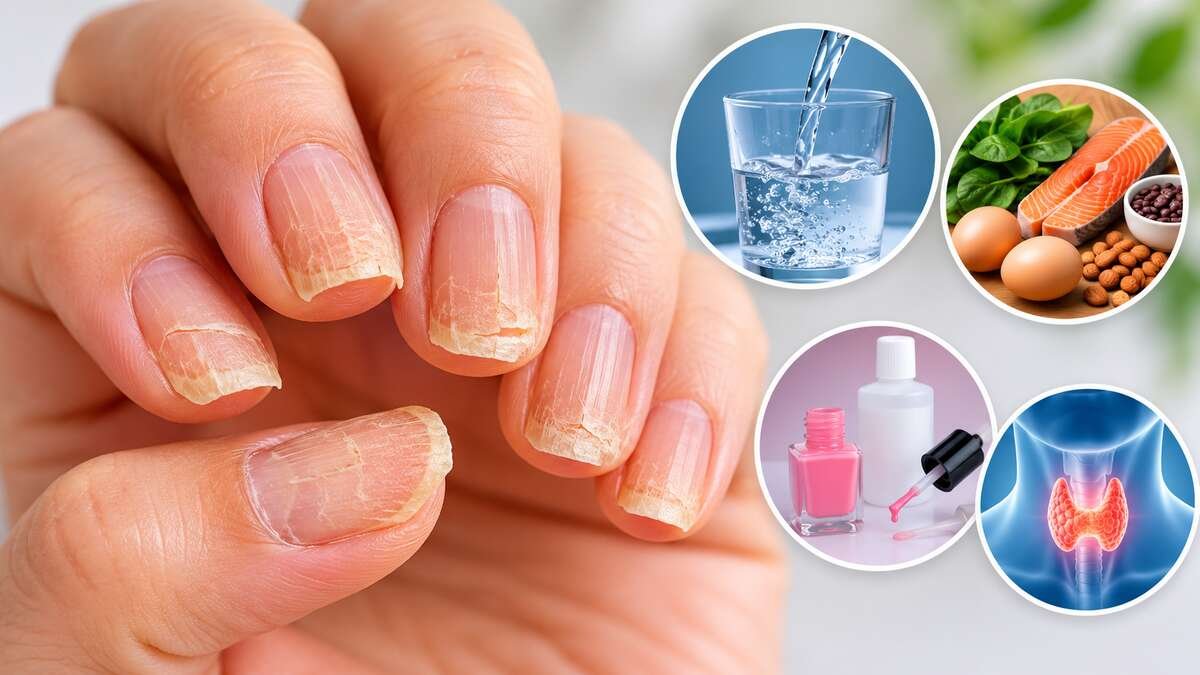

Have you noticed that your fingernails keep breaking, splitting, or peeling, even when you try to take good care of them? Brittle nails are a common nail concern that can change how your hands look, how your nails feel, and how easily you handle everyday tasks such as buttoning a shirt, typing, or opening a can.
In simple terms, brittle nails are nails that become dry, thin, weak, or prone to splitting and breaking. For many people, the cause is everyday wear and tear, such as frequent handwashing, harsh cleaning products, or repeated manicures. Aging, nutritional gaps, and certain medical conditions can also contribute.
Understanding the underlying cause matters because the best solution depends on it. This guide explains what brittle nails are, what causes them, which nutrients may play a role, and how to protect your nail health. You will also learn when brittle nails are worth discussing with a healthcare professional.
What Are Brittle Nails?
Your fingernails are made of layers of a protein called keratin. They grow from the nail matrix, an area at the base of the nail under the cuticle. As new cells form, older cells harden, compact, and are pushed out toward the fingertip, according to Mayo Clinic. The visible part, called the nail plate, is what you see and file.
Healthy nails are generally smooth, even in color, and flexible. Brittle nails lose that flexibility. They may feel dry and rough, look thin or dull, and chip, peel, or split with ordinary use. A review in Dermatology and Therapy describes brittle nails as a common reason people see a dermatologist.
Two medical terms describe the main patterns:
- Onychoschizia is horizontal splitting or peeling of the nail plate, usually at the free edge. The nail separates into thin layers, a bit like pages of a book.
- Onychorrhexis is vertical (lengthwise) ridging and splitting. The nail may look grooved and can crack from the tip toward the base.
Brittle nails are also sometimes grouped as dry and brittle (too little moisture) or soft and brittle (too much moisture), a distinction explained by Healthline. Telling these apart can help point toward the cause. For more on keeping skin and nails from drying out, see our guide to dry skin.
What Causes Brittle Nails?
Brittle nails can develop for several reasons, including frequent exposure to water, harsh chemicals, excessive nail treatments, aging, and nutritional deficiencies. Certain health conditions, such as hypothyroidism and iron deficiency, may also affect nail strength. Identifying the underlying cause can help determine the most appropriate way to protect and improve nail health.
Dermatologists generally find that outside factors are more common culprits than internal disease. Still, the causes of brittle nails often overlap, so more than one may apply to you.
1. Frequent Exposure to Water
Repeated wetting and drying is one of the most common reasons nails weaken. Cleveland Clinic notes that nails lose water faster than skin does, so constant handwashing and sanitizing can dry them out. Mayo Clinic also lists repeated or prolonged contact with water as a contributor to split fingernails.
For example, someone who washes dishes by hand without gloves several times a day may notice their nails becoming thinner and more prone to peeling over a few weeks or months. Swelling when wet and shrinking when dry puts stress on the layers of the nail plate.
2. Excessive Use of Nail Products and Chemicals
Some of the products meant to improve nail appearance can weaken them. Mayo Clinic advises that acetone-based polish removers dry nails and suggests acetone-free formulas when removal is needed. Harsh cleaning products and solvents can have a similar effect.
Frequent gel manicures, acrylic nails, and aggressive filing or buffing can also thin the nail plate, especially when polish or extensions are peeled or scraped off instead of removed properly. Nail damage from these routines tends to build slowly.
3. Nutritional Deficiencies
Nails need a steady supply of nutrients to grow normally. Cleveland Clinic mentions protein, iron, and B vitamins, and MedlinePlus lists low zinc and iron among possible contributors. Nutritional problems are only one possible cause, however, and they are not behind every case of brittle nails.
- Iron: Iron deficiency can be associated with nail changes, including brittle or spoon-shaped nails. See our list of iron-rich foods.
- Biotin (vitamin B7): Biotin helps the body use carbohydrates, fats, and proteins. Evidence that extra biotin improves brittle nails is limited, although some small studies suggest possible benefit, according to the NIH Office of Dietary Supplements.
- Zinc: This mineral supports normal cell growth and tissue repair.
- Protein: Nails are built from keratin, a structural protein, so adequate protein intake matters. Our guide to high-protein foods has ideas.
- Vitamin B12 and folate: Deficiencies in these nutrients may be linked to certain nail changes. Learn more about vitamin B12 sources.
4. Aging and Natural Changes in Nail Growth
Nails often change over time. MedlinePlus describes brittle nails as often a normal result of aging. Cleveland Clinic dermatologist Rosemary Keskinen, MD, explains that nails grow more slowly with age, so each part of the nail has longer exposure to dry air, water, and sanitizers.
Older nails may become thinner or thicker, look duller, feel drier, and split more easily. Even so, brittle nails are not inevitable with age, and protective habits still help. For nutrition that supports older adults, see best foods for healthy aging.
5. Dehydration and Dry Nail Conditions
Drinking enough fluid supports overall health, but the condition of the nail plate depends mostly on what happens at the surface. Dr. Keskinen puts it plainly: you cannot drink your way to more supple nails.
Dry environmental conditions, low humidity, frequent use of drying products, and repeated contact with detergents are more direct causes. Nail moisturizers and cuticle oils may help reduce dryness by limiting water loss from the nail.
6. Thyroid Disorders and Hormonal Changes
Thyroid hormones influence the growth of skin, hair, and nails. MedlinePlus notes that hyperthyroidism or hypothyroidism may cause brittle nails or separation of the nail from the nail bed. In hypothyroidism, nails may grow more slowly and feel dry and fragile.
Other possible symptoms include fatigue, weight changes, and hair thinning. See our articles on what causes fatigue and hair loss. Nail changes alone cannot diagnose a thyroid condition, and only a clinician can do that with proper testing.
7. Fungal Nail Infections
A fungal infection can change how a nail looks and feels. According to MedlinePlus, fungus or yeast can alter the color, texture, and shape of nails. Signs may include thickening, yellow or brown discoloration, crumbling edges, and lifting of the nail from the bed.
Fungal nails can feel fragile, but not every brittle nail is infected. Cracking along with thickening or discoloration is more suggestive of infection and is worth having checked.
8. Physical Trauma and Everyday Nail Damage
Small, repeated injuries add up. Biting nails, picking at polish or cuticles, using nails to pry or scrape, and filing too aggressively can all weaken the nail plate. Mayo Clinic specifically advises against using nails as tools and against picking at cuticles. Repetitive pressure from certain work or hobbies can also play a role.
9. Underlying Medical Conditions and Medications
Skin conditions that affect the nails may cause brittleness. Mayo Clinic dermatologist Dawn Davis, MD, lists psoriasis, lichen planus, and dermatitis among examples. Eczema and chronic inflammation around the nail folds can have similar effects.
Some systemic illnesses, reduced blood flow to the fingers (as in Raynaud’s syndrome), and certain medications can also affect nails. Chemotherapy, for instance, can affect nail growth, as MedlinePlus notes. Persistent or unexplained nail changes deserve professional evaluation.
What Are the Common Signs and Symptoms of Brittle Nails?
Brittle nails usually announce themselves through texture and breakage. Common signs include:
- Nails that break, chip, or tear easily
- Horizontal splitting at the tip
- Peeling layers on the nail surface
- Rough or uneven edges that snag on clothing
- Vertical ridges or lengthwise cracks
- A dry, dull-looking surface
- Nails that feel unusually thin or fragile
Symptoms can vary with the cause. Water damage often shows up as peeling at the tips, while nails affected by dryness or aging may develop ridges and cracks. Some people notice the problem mainly in fingernails, while toenails stay strong, which can suggest an outside factor.
Some changes go beyond ordinary dryness. Mayo Clinic lists changes in nail shape, pits or grooves, thinning or thickening, discoloration, nails pulling away from the surrounding skin, bleeding, swelling or pain around the nails, and nails that fail to grow as signs worth attention. If you notice these, see the section on when to talk with a doctor below.
What Vitamin Deficiency Causes Brittle Nails?
No single vitamin explains every case, but a few nutrients are most often discussed. These links are possibilities, not guarantees.
- Iron: Iron deficiency (with or without anemia) is one of the better-known nutritional associations with brittle or spoon-shaped nails. MedlinePlus lists low iron among possible causes. Foods such as legumes and vegetables high in iron can help meet needs.
- Biotin: True biotin deficiency is rare in the United States, though it can cause brittle nails along with other symptoms, per the NIH Office of Dietary Supplements.
- Zinc: Low zinc may affect normal nail growth, as noted by MedlinePlus.
- Vitamin B12 and folate: Low levels may be linked to certain nail changes. Our guide to vitamin B12 explains food sources.
- Protein: Because nails are made of keratin, inadequate protein intake can affect nail strength.
A deficiency should be confirmed through medical assessment, such as a blood test ordered by a clinician, rather than guessed from how your nails look. Nail changes are too nonspecific for self-diagnosis.
Taking several supplements without knowing whether you are deficient is not recommended. Excess supplementation can cause side effects, and the NIH notes that biotin supplements can cause false results in some lab tests, including tests for thyroid hormones. Tell your healthcare provider about any supplements you take.
How Can You Strengthen Brittle Nails?
There is no quick fix, but consistent, gentle care can help new nail growth come in stronger. Fingernails grow slowly, so give any change in routine several weeks to months before judging results. Mayo Clinic suggests that if self-care does not help after about a month, it is reasonable to talk with a doctor or dermatologist.
Keep Your Nails Moisturized
- Apply hand cream regularly and rub it into your nails and cuticles, as Mayo Clinic recommends.
- Use cuticle oil or a suitable nail moisturizer, especially at night.
- Moisturize after every handwashing, as the American Academy of Dermatology advises.
- Pay attention to the skin around the nails, since dry, cracked cuticles can lead to more damage.
Protect Your Nails from Water and Chemicals
- Wear gloves when washing dishes, as the AAD recommends.
- Use protective gloves when handling cleaning products or solvents.
- Avoid prolonged, unnecessary soaking.
Practice Gentle Nail Care
- Keep nails at a manageable length, since longer nails are more likely to split.
- Trim straight across with sharp clippers, then round the tips slightly, and file gently in one direction.
- Do not cut or push back cuticles aggressively. Mayo Clinic notes that removing them can lead to nail infection.
- Limit nail polish remover and choose an acetone-free formula.
- Take breaks from gel and acrylic manicures, and never peel off polish or artificial nails.
- A nail hardener might help some people, according to Mayo Clinic, though results vary.
Eat a Balanced Diet
A varied diet supplies the building blocks nails need. Our guides to a balanced diet and nutrient-dense foods are good starting points. Helpful choices include:
- Eggs and fish for protein and other nutrients (see salmon health benefits)
- Beans and lentils for iron and protein (health benefits of legumes)
- Nuts and seeds for zinc and other minerals (health benefits of nuts)
- Leafy green vegetables for folate and iron (health benefits of leafy greens)
- Dairy products or fortified alternatives for protein and other nutrients (yogurt health benefits)
What about biotin? Mayo Clinic says some research suggests it might help strengthen weak or brittle nails, while the NIH Office of Dietary Supplements says evidence is limited. It is best to ask a healthcare professional before starting it.
Avoid Harmful Nail Habits
Biting, picking, and using nails to open cans or pry objects can break the nail plate and irritate the surrounding skin. Even a small cut beside the nail can let bacteria or fungi in. If stress drives the habit, our guide on how to reduce stress may help.
When Should You See a Doctor About Brittle Nails?
Most brittle nails improve with better nail care and do not need urgent attention. Consider a medical evaluation if:
- Nail brittleness persists despite appropriate nail care
- Several nails change suddenly
- Nails become unusually thick, discolored, or distorted
- You have pain, swelling, redness, or bleeding around the nails
- Nails separate from the nail bed
- Nail changes occur along with fatigue, unexplained weight changes, or other concerning symptoms
MedlinePlus also advises contacting a provider about new or widening dark streaks, blue or clubbed nails, or horizontal ridges, and seeing a clinician promptly for red lines running the length of the nail (splinter hemorrhages).
A healthcare professional will usually examine your nails, ask about injuries, moisture exposure, and nail habits, and review your medical history. Depending on what they find, they may order blood tests or examine a small nail sample.
Can Brittle Nails Be a Sign of a Health Problem?
Sometimes, yes. Like the skin, nails can reflect what is happening in the body, as MedlinePlus explains. Brittle nails have been associated with iron deficiency, thyroid disorders, nail psoriasis, fungal infections, and certain other nutritional deficiencies.
But brittle nails are usually nonspecific. Everyday water exposure, chemicals, and aging are far more common explanations, and brittle nails alone cannot establish a medical diagnosis. The pattern matters: nails that suddenly change, or that change alongside other symptoms, deserve a closer look. For a broader view of preventive care, see our guide to preventive health.
Frequently Asked Questions About Brittle Nails
What is the most common cause of brittle nails?
Repeated wetting and drying of the hands and exposure to harsh chemicals are among the most common contributors. Cleveland Clinic points to frequent handwashing and sanitizing, and Mayo Clinic notes that prolonged water contact can split nails. Aging also plays a role for many people.
What vitamin deficiency causes brittle nails?
Iron deficiency is the one most often associated with nail changes, and rare biotin deficiency can also cause brittle nails, per the NIH Office of Dietary Supplements. Low zinc, vitamin B12, folate, and protein intake may also affect nail health. A clinician can confirm a deficiency with testing.
Can drinking more water help brittle nails?
Staying hydrated supports overall health, but drinking more water alone is unlikely to fix brittle nails caused by external damage or medical conditions. A Cleveland Clinic dermatologist notes that you cannot drink your way to more supple nails. Moisturizing and protecting nails from water and chemicals tends to be more useful.
How can I strengthen my nails naturally?
Moisturize your nails and cuticles, wear gloves for wet or chemical tasks, avoid harsh nail treatments, and keep nails short and gently filed. Eating a balanced diet also supports nail growth. The American Academy of Dermatology offers more nail care tips.
Are brittle nails a sign of iron deficiency?
They can be associated with iron deficiency, but brittle nails alone are not enough to diagnose it. Other signs may include fatigue and pale skin, and a blood test is needed to confirm low iron. Do not start iron supplements without medical guidance. MedlinePlus lists low iron among possible causes of brittle nails.
How long does it take for brittle nails to improve?
It depends on the cause and how much damage has occurred. Fingernails grow slowly, so replacing a damaged nail can take several months. Mayo Clinic suggests seeing a doctor if there is no improvement after about a month of self-care.
Final Thoughts
Brittle nails can have several causes. Everyday habits, aging, nutritional deficiencies, and medical conditions may all contribute, and often more than one is involved. Gentle nail care, good moisture protection, and a balanced diet can help protect nail health over time.
If your nails change suddenly or do not improve with careful self-care, talk with a healthcare professional. Understanding the cause, rather than relying only on cosmetic treatments, is the most reliable path to stronger nails. Explore more guidance in our healthy living resources.
Sources
- American Academy of Dermatology: 11 dermatologists’ tips for healthy nails
- Mayo Clinic: Fingernails: Do’s and don’ts for healthy nails
- Mayo Clinic News Network: Self-care can strengthen weak fingernails
- Cleveland Clinic: What causes brittle nails and how to treat them
- Cleveland Clinic: Brittle nails: 5 tricks to keep your tips in top form
- MedlinePlus: Nail abnormalities
- MedlinePlus: Brittle nails
- NIH Office of Dietary Supplements: Biotin fact sheet for consumers
- Dermatology and Therapy: Pathogenesis, clinical signs and treatment recommendations in brittle nails: a review
- Healthline: Brittle nails
Medical Disclaimer
This article is for educational purposes only and is not a substitute for professional medical advice, diagnosis, or treatment. Brittle nails can have many causes, and what applies to one person may not apply to another. Always talk with a qualified healthcare professional about your symptoms, test results, and before starting any supplement or treatment. If you notice pain, swelling, bleeding, or sudden nail changes, seek medical care.
3 thoughts on “What Causes Brittle Nails? Common Reasons Your Nails Break, Split, and Peel”
Comments are closed.