
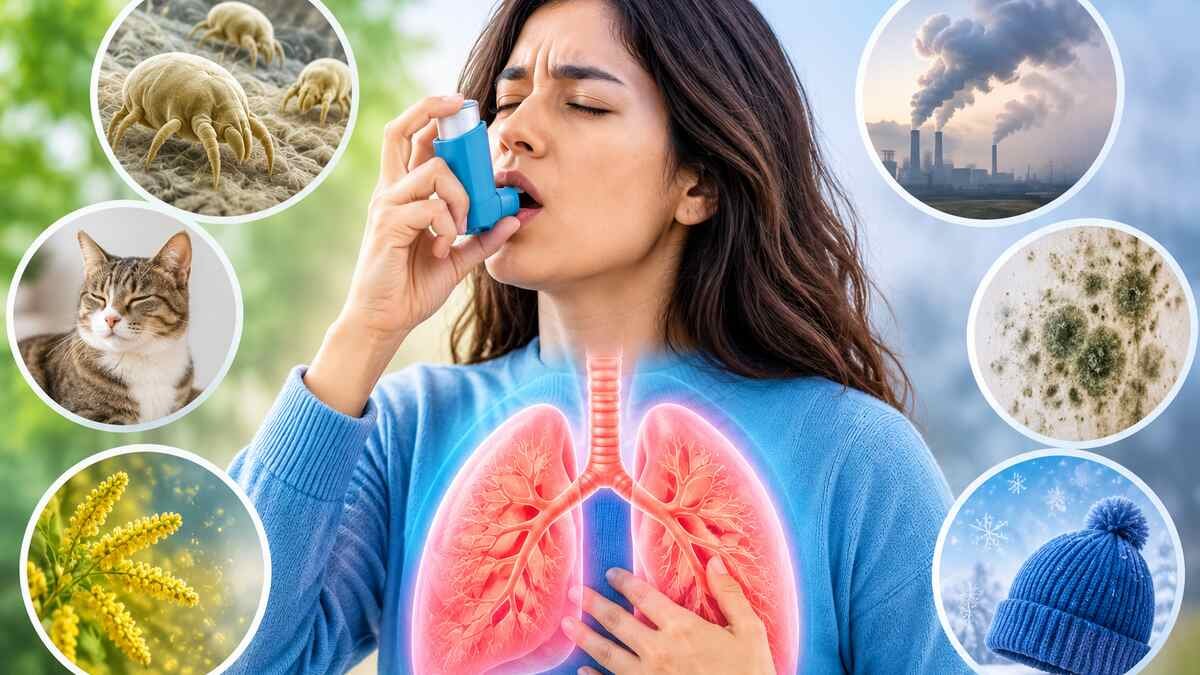

If your asthma feels fine for weeks and then suddenly flares, you are not imagining things. Asthma affects the airways and can cause coughing, wheezing, chest tightness, and shortness of breath, and those symptoms can ramp up quickly when something irritates sensitive airways. Knowing what makes asthma worse is one of the most practical steps toward fewer flare-ups.
The things that set off or worsen symptoms are called asthma triggers, and they differ from person to person. The CDC notes that your triggers can be different from those of someone else with asthma. Common examples include dust mites, smoke, air pollution, pollen, respiratory infections, and cold air.
This guide covers 15 common asthma triggers, other factors that make asthma harder to control, signs that your asthma may be getting worse, practical ways to reduce exposure, and when to get medical help. It is general education, not individualized medical advice, so work with your healthcare professional to build a plan that fits you.
Understanding Asthma and Why Symptoms Get Worse
What Happens Inside the Airways During Asthma?
In asthma, the airways are inflamed and unusually sensitive. When a trigger reaches them, the muscles around the airways can tighten, the lining can swell, and extra mucus can build up. The National Heart, Lung, and Blood Institute (NHLBI) describes this chain reaction as narrowing the airways and producing asthma symptoms.
The result is restricted airflow, which makes breathing harder. If you want a refresher on how the condition starts, see our guide on what causes asthma.
What Is an Asthma Flare-Up?
An asthma flare-up, also called an exacerbation or asthma attack, happens when symptoms become more frequent or more intense. The NHLBI notes that symptoms are sometimes mild and settle on their own, while at other times they continue to get worse.
It helps to separate an occasional symptom from a pattern of worsening control. A single cough after a dusty room is different from needing your quick-relief inhaler more often week after week. Severe flare-ups can require urgent medical attention, and no single cause explains every flare-up.
New to the symptoms themselves? Our article on the early signs of asthma explains what to look for.
15 Common Things That Make Asthma Worse
Not every item below affects every person with asthma. Think of this list as a menu of possibilities to discuss with your healthcare professional, not a checklist of things you must all avoid.
1. Dust and Dust Mites
Dust mites are microscopic organisms found in many homes, especially in mattresses, pillows, carpets, curtains, and upholstered furniture. They can trigger allergic asthma symptoms in sensitive people. The CDC suggests allergen-proof mattress and pillow covers, washing bedding weekly and drying it completely, vacuuming with a HEPA-filter vacuum, and keeping indoor humidity around 30% to 50%.
2. Cigarette Smoke and Secondhand Smoke
Tobacco smoke irritates the airways, whether you breathe it directly or from someone else. The CDC states that people should never smoke near someone with asthma. Smoke exposure can happen at home, in cars, at work, and in public places. If you smoke, a healthcare professional can help you build a quit plan.
3. Air Pollution
Outdoor pollution from traffic, industry, and wildfire smoke can irritate the airways. The CDC advises paying attention to local air quality forecasts. On days when pollution is high, consider limiting strenuous outdoor activity and following your asthma action plan.
4. Pollen and Seasonal Allergies
Pollen from trees, grass, and weeds can trigger allergic asthma in susceptible people, so symptoms may follow the seasons. Reducing exposure during high-pollen periods may help, for example by keeping windows closed and showering after time outdoors. The CDC lists allergies and pollen among common triggers.
5. Mold and Damp Environments
Mold spores can set off symptoms, and the CDC notes that breathing in mold can trigger an attack whether or not you are allergic to it. Common problem spots include bathrooms, damp walls, basements, and poorly ventilated rooms. The CDC recommends fixing leaks quickly, drying wet items within 24 to 48 hours, and keeping indoor humidity under 50%.
6. Pet Dander
Proteins from the skin flakes, saliva, and urine of cats, dogs, and other furry animals can trigger symptoms in people who are allergic. If a pet allergy has been confirmed, practical steps include keeping pets out of the bedroom and cleaning frequently. The CDC points out that trimming a pet’s fur will not help, because the problem is not the fur itself.
7. Respiratory Infections
Colds, flu, RSV, and other respiratory infections can inflame the airways and cause more coughing, wheezing, and breathing difficulty. The CDC lists infections linked to flu, colds, and RSV among common triggers. The NHS recommends vaccinations such as the flu vaccine because viruses can make asthma symptoms worse. Handwashing and staying away from sick people also help. Ask your clinician which vaccines suit you.
8. Cold Air and Sudden Weather Changes
Cold, dry air can irritate sensitive airways. The WHO lists cold air among the factors that can set off asthma symptoms. If you must be outside in cold weather, covering your nose and mouth with a scarf may warm and humidify the air you breathe, though individual responses vary.
9. Exercise and Physical Activity
Exercise can narrow the airways in some people, a response called exercise-induced bronchoconstriction (EIB). Symptoms such as coughing, wheezing, and chest tightness usually appear during or soon after activity. The American College of Allergy, Asthma and Immunology notes that dry air may matter more than cold temperature.
People with asthma should not automatically avoid exercise. With the right treatment and a plan to prevent symptoms before activity, many stay active. Ask your healthcare professional whether preventive treatment before exercise makes sense for you, and see our guide on the benefits of exercise.
10. Strong Perfumes and Cleaning Products
Fragrances, aerosol sprays, air fresheners, and chemical fumes can irritate the airways. The CDC lists breathing in some chemicals or fragrances among triggers. Where practical, try fragrance-free products, open windows when cleaning, and avoid mixing cleaning chemicals.
11. Stress and Strong Emotions
Stress, anxiety, anger, crying, and even hearty laughter can contribute to symptoms in some people, according to the Merck Manual. Strong emotions can change breathing patterns, which may make breathing feel harder.
Stress-management techniques can be a helpful supportive step, but they are not a replacement for asthma treatment. Our guide on how to reduce stress offers general ideas.
12. Smoke From Cooking and Burning Fuels
Wood smoke is listed among common irritant triggers by the Merck Manual. Cooking fumes, charcoal, and other household combustion sources may also irritate the airways in some people, especially indoors with little airflow. Good ventilation, such as an exhaust fan or an open window while cooking, and cleaner cooking options where available can reduce exposure.
13. Certain Medications
Some medicines can worsen asthma in susceptible people. The NHLBI lists aspirin and other nonsteroidal anti-inflammatory drugs (NSAIDs, such as ibuprofen) and nonselective beta-blockers among possible triggers. In people with aspirin-exacerbated respiratory disease, these painkillers can provoke symptoms, as described in this clinical review of asthma triggers.
Do not stop any prescribed medicine on your own. If you suspect a medication is affecting your breathing, talk with your healthcare professional or pharmacist first.
14. Acid Reflux (GERD)
Acid reflux and asthma often occur together, and the CDC lists acid reflux among possible triggers. Mount Sinai notes that it is not entirely clear which condition causes the other, or whether common factors drive both, and that treating reflux may improve asthma control in some patients (see Mount Sinai’s overview).
That does not mean reflux causes asthma in everyone. If you have heartburn along with breathing symptoms, mention both to your clinician. Our guides on what causes acid reflux and what makes acid reflux worse may help.
15. Workplace Chemicals and Occupational Irritants
Flour dust, cleaning chemicals, paint fumes, industrial dust, and other workplace exposures can cause or worsen asthma. The CDC’s NIOSH reports that roughly 17% of adult-onset asthma cases are related to occupational exposures, and that people with work-related asthma are more likely to have attacks and emergency room visits (NIOSH).
Two patterns exist: occupational asthma that starts because of work exposure, and existing asthma that gets worse at work. If symptoms improve on days off or vacations, tell your healthcare professional. The ACAAI lists questions that can help you spot a work link.
Other Factors That Can Make Asthma Harder to Control
Not every worsening of asthma comes from a new environmental trigger. Sometimes the cause is how asthma is being managed, or another health condition that gets in the way. The Global Initiative for Asthma (GINA) stresses that asthma care is not one-size-fits-all and includes treating modifiable risk factors and related conditions, as summarized in this GINA strategy overview.
Not Using Controller Medication as Prescribed
Quick-relief (rescue) inhalers and long-term controller medicines serve different purposes. Controllers help reduce airway inflammation over time, so they work best when taken as directed, even on days you feel well. Missed doses and misunderstanding how controllers work are common reasons control slips. Our overview of asthma treatment options explains the main medicine types.
Incorrect Inhaler Technique
If an inhaler is used incorrectly, less medicine may reach your lungs. Some metered-dose inhalers work better with a spacer, a tube that holds the medicine so it is easier to inhale. Ask your healthcare professional or pharmacist to watch you use your inhaler and correct your technique.
Poorly Controlled Allergies and Other Health Conditions
Allergic rhinitis (hay fever), sinus problems, obesity, and acid reflux can complicate asthma management. Mount Sinai notes that treating co-existing conditions such as rhinitis, sinusitis, and obesity can help improve asthma control. If symptoms persist despite treatment, ask your clinician whether related conditions could be playing a role.
Signs Your Asthma May Be Getting Worse
Warning signs often show up before a serious attack. The CDC says everyone with asthma needs a personal Asthma Action Plan, which spells out what to do when symptoms change.
Common Signs of Worsening Asthma
- More frequent coughing or wheezing
- Increased chest tightness
- Shortness of breath during normal activities
- Nighttime symptoms that interrupt sleep
- Needing your quick-relief inhaler more often than usual
- A reduced ability to exercise or do everyday activities
- Peak flow readings below your usual range, if you monitor peak flow
Compare your symptoms and reliever use with your action plan. A worsening pattern deserves medical review, and the Asthma and Allergy Foundation of America lists worsening quick-relief medicine response and severe shortness of breath among signs needing urgent care. Our guide on how asthma is diagnosed explains the tests clinicians may use to reassess control.
How to Avoid Asthma Triggers and Reduce Flare-Ups
Avoiding triggers can lower the chance of symptoms, but it cannot guarantee that you will never have a flare-up. Pair these steps with the treatment plan your healthcare professional gives you.
Identify Your Personal Asthma Triggers
A symptom and trigger diary can reveal patterns you might otherwise miss. Note when symptoms occur, where you were, what you were doing, and what you were exposed to. Bring the diary to appointments so your clinician can look for patterns. When appropriate, allergy testing can help confirm specific allergic triggers.
Improve Indoor Air Quality
- Keep tobacco smoke out of your home and car.
- Fix leaks and address dampness and mold.
- Reduce dust with regular cleaning and weekly bedding washes.
- Choose fragrance-free products when practical.
- Ventilate when you cook and clean.
Our guide on how to manage asthma at home offers more everyday ideas.
Follow Your Asthma Treatment Plan
- Take controller medicine consistently, as prescribed.
- Learn the correct inhaler technique and recheck it at visits.
- Keep your prescribed quick-relief medicine within easy reach.
- Follow your written asthma action plan.
Stay Active and Protect Your Health
Continue suitable physical activity and follow medical advice about exercise-related symptoms. Keep recommended vaccinations up to date, and seek advice early when a respiratory infection starts to worsen your symptoms. Rest and good sleep also support recovery; see our guide on how to improve sleep. For a broader look at risk, read whether asthma can be prevented.
When Should You Seek Medical Help?
Frequent or worsening symptoms can mean asthma is not well controlled, and that is worth a professional assessment.
When to Make a Medical Appointment
Contact your healthcare professional if:
- Asthma symptoms are becoming more frequent
- Nighttime coughing or wheezing is increasing
- You need your reliever medicine more often than directed
- Symptoms interfere with normal activities
- Your current treatment does not seem to control symptoms
Emergency Warning Signs
Severe asthma attacks can be life-threatening. Seek emergency care right away for:
- Severe difficulty breathing
- Trouble speaking in full sentences because of breathlessness
- Blue or gray lips or fingernails
- Visible straining to breathe, such as pulling in of the chest or neck
- Rapidly worsening symptoms, or little or no relief from prescribed rescue medicine
The NHLBI advises following your asthma action plan to know what to do and when to call 911. Call 911 or your local emergency number for a severe attack, and do not delay emergency care while trying home remedies. If you do not have an asthma diagnosis, treat sudden severe breathing trouble or chest pain as an emergency; our guide on when chest pain is an emergency lists other urgent signs.
Frequently Asked Questions About What Makes Asthma Worse
1. What is the most common trigger for asthma?
Triggers vary from person to person, so there is no single answer. Allergens, respiratory infections, smoke, and air pollution are common examples, as listed by the CDC. Keeping a symptom diary can help you find yours.
2. Can stress make asthma worse?
In some people, yes. Stress, anxiety, and strong emotions can contribute to symptoms by changing breathing patterns, according to the Merck Manual. Stress management can support, but not replace, asthma treatment.
3. Does cold weather make asthma worse?
It can. Cold, dry air may irritate sensitive airways and set off coughing or chest tightness, and the WHO lists cold air among triggers. Covering your nose and mouth outdoors may help some people.
4. Can certain foods make asthma worse?
Food is not a common trigger for most people with asthma. Food allergies can cause serious reactions with breathing symptoms in some individuals, and the NHLBI lists sulfites in foods and drinks as a possible trigger. Talk with your clinician if you suspect a food link.
5. Why is my asthma worse at night?
Possible reasons include allergens in bedding, changes in the airways during sleep, acid reflux while lying down, and asthma that is not well controlled. The NHLBI notes that asthma coughing is often worse at night. Frequent nighttime symptoms deserve a medical review.
6. Can asthma get worse over time?
Asthma control and symptom severity can change over time, and triggers can change too, as noted in this review of asthma triggers. Persistent worsening should be assessed by a healthcare professional. Our article on how long asthma lasts adds context.
Conclusion
Asthma can worsen because of environmental triggers, infections, medications, and poor disease control, and triggers differ from person to person. Identify your own triggers, follow your prescribed treatment, and keep an up-to-date asthma action plan. Seek medical help when symptoms become more frequent or severe, and call emergency services for a severe attack.
Sources
- Centers for Disease Control and Prevention: Controlling Asthma Triggers
- Centers for Disease Control and Prevention: Asthma Action Plans
- CDC NIOSH: Epidemiology and Pathophysiology of Work-related Asthma
- National Heart, Lung, and Blood Institute: Asthma
- National Heart, Lung, and Blood Institute: Asthma attacks
- World Health Organization: Asthma fact sheet
- NHS: Asthma
- GINA Strategy 2021: Executive summary and rationale for key changes
- American College of Allergy, Asthma and Immunology: Exercise-Induced Bronchoconstriction
- American College of Allergy, Asthma and Immunology: Occupational Asthma
- Asthma and Allergy Foundation of America: Asthma Control
- Merck Manual: Common Asthma Triggers
- Mount Sinai: Asthma in Adults
- Clinical review: Asthma triggers (PMC)
- Review: Asthma triggers and management (PMC)
Medical Disclaimer: This article is for general educational purposes only and is not medical advice. It cannot diagnose any condition or replace the care of a qualified healthcare professional. Always talk with your doctor about your symptoms, treatment, and personal health needs. If you think you or someone else is having a medical emergency, such as severe trouble breathing, call 911 or your local emergency number right away.