
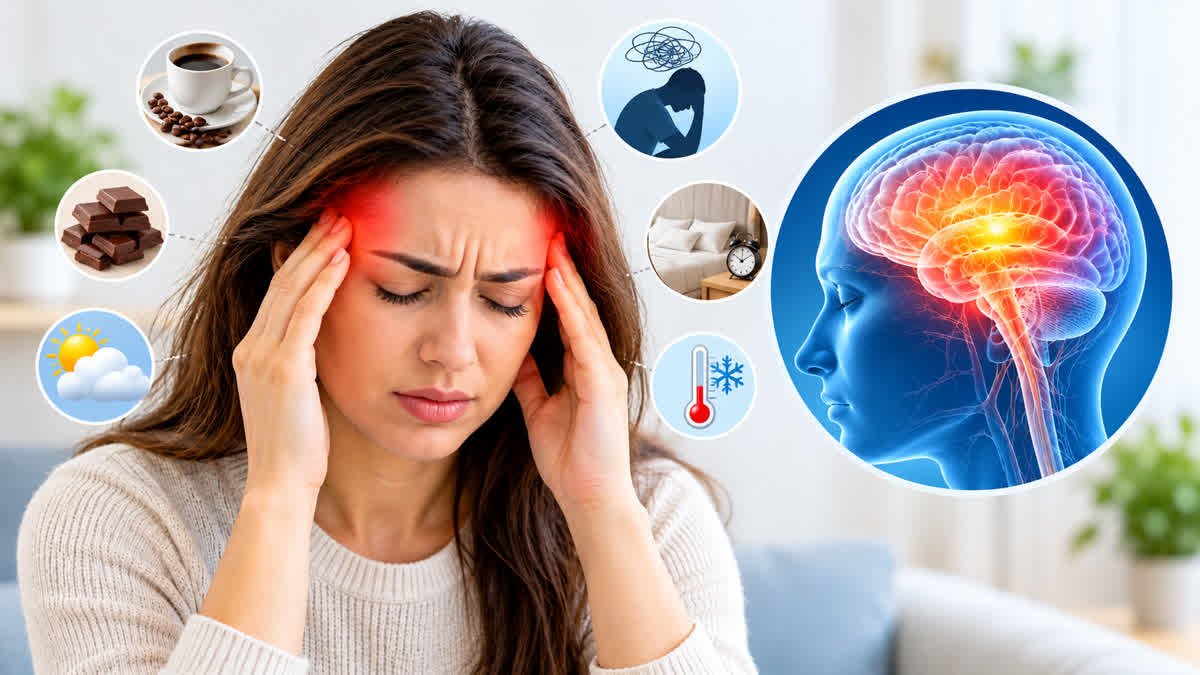

Why can one person get a migraine after a night of poor sleep, while another gets one during a stressful week or around their period? Anyone asking what causes migraine quickly learns that there is no single answer. Migraine is a complex neurological condition, and researchers have not found one cause that explains every attack in every person.
Migraine can cause recurring headaches, nausea, sensitivity to light and sound, and other neurological symptoms. Genetics, brain and nervous system activity, hormonal changes, and environmental influences all appear to play a part. Understanding how they fit together can make your symptoms feel less random.
One distinction matters throughout this article: underlying causes are not the same as triggers. Causes (such as inherited susceptibility and how the nervous system processes signals) explain why a person has migraine at all. Triggers are things that may make an attack more likely in someone who is already susceptible. This guide covers both, along with risk factors and when to seek care. It is general education, not individual medical advice.
What Is Migraine? Understanding the Neurological Condition
Migraine is more than an ordinary headache
Migraine is a neurological disorder marked by recurring attacks. The pain is often throbbing or pulsing, and it commonly comes with nausea, vomiting, and sensitivity to light and sound, according to Mayo Clinic. Untreated attacks usually last from 4 to 72 hours.
Migraine is also not always limited to head pain. Some people have other neurological symptoms, and the experience varies from one attack to the next. If you are comparing migraine with other headaches, see our guides on what causes headaches and tension headache causes.
Different types of migraine
Clinicians describe migraine using a few common patterns:
- Migraine without aura: attacks without the temporary sensory warning symptoms
- Migraine with aura: attacks that include reversible visual, sensory, or speech-related changes
- Episodic migraine: headaches on fewer than 15 days per month
- Chronic migraine: headaches on 15 or more days per month, with migraine features on at least 8 of those days, as defined by the American Headache Society
These labels describe patterns, not separate underlying causes. For approaches to managing these patterns, see our migraine treatment options guide.
What Happens in the Brain During a Migraine?
Migraine is not simply a blood vessel problem. Older explanations focused on blood vessels widening and narrowing, but current research points to complex neurological and trigeminovascular processes. Many details are still being studied, so scientists describe the picture as incomplete.
Changes in brain and nervous system activity
Mayo Clinic notes that changes in the brainstem and its interactions with the trigeminal nerve, a major pain pathway, may be involved. The trigeminal nerve carries sensations from the face and head, and its activation is part of how pain signals are generated during an attack.
The brain also seems to process sensory information differently during a migraine. That may help explain why ordinary light, sound, or smells can feel overwhelming while an attack is underway.
The role of brain chemicals and CGRP
Brain chemicals appear to matter. Mayo Clinic notes that imbalances in chemical messengers, including serotonin, may be involved, and researchers continue to study how.
Another key messenger is calcitonin gene-related peptide (CGRP), a protein that helps nerve cells communicate. CGRP is heavily represented in pathways involved in migraine, and it contributes to pain signaling and inflammation. This is why newer medicines that target CGRP have become important, as Mayo Clinic describes in its treatment overview.
What causes migraine aura?
Aura is thought to involve a phenomenon called cortical spreading depolarization. In simple terms, a wave of altered electrical activity moves across the brain’s outer layer (the cortex). MedlinePlus Genetics describes auras as being thought to arise from abnormal nerve signaling that spreads across the brain.
This helps explain why some people see flashing lights or blind spots, feel tingling, or have trouble speaking. Aura symptoms are temporary and reversible, and they typically build gradually over several minutes.
Are Migraines Genetic? The Role of Family History
Does migraine run in families?
Migraine has a significant genetic component. Mayo Clinic lists family history as a risk factor, and a genetics review in PubMed Central reports estimated heritability of roughly 35% to 60% in family and twin studies. Having a close relative with migraine may raise your susceptibility.
Still, susceptibility is not destiny. Many people with a family history never develop migraine, and genetics alone do not explain every attack.
How do genes influence migraine susceptibility?
Migraine does not usually follow one simple inheritance pattern. The same review describes it as predominantly polygenic, meaning many genetic variants, each with a small effect, add up to influence risk. Some of these variants relate to nerve cell activity and neurological signaling.
A rare form called familial hemiplegic migraine does follow clearer inheritance. It involves specific genes that affect signaling between neurons, according to MedlinePlus Genetics. Most people with migraine do not have this rare form.
Genes also interact with environment. Inherited susceptibility can make a person more responsive to everyday influences such as sleep changes or stress.
Can someone develop migraine without a family history?
Yes. Family history is not required. Environmental, hormonal, and other biological factors also contribute, and some people are the first in their family to have migraine.
How Hormonal Changes Can Contribute to Migraine
The connection between estrogen and migraine
Changes in estrogen levels appear to influence migraine activity for many people. Mayo Clinic notes that fluctuations in estrogen seem to trigger headaches in many people. Some notice a link between attacks and certain stages of the menstrual cycle.
Menstrual migraine
Menstrual migraine refers to attacks that occur around menstruation, often when estrogen drops. Some people have attacks only around their period, while others also have attacks at other times of the month. Tracking your cycle alongside symptoms can help clarify which pattern fits you.
Pregnancy, menopause, and hormonal changes
Migraine patterns can change during major hormonal transitions. Mayo Clinic notes that migraine may begin around the first menstrual period, may change during pregnancy or menopause, and often improves after menopause. The years leading up to menopause can bring more attacks for some people.
Hormonal medicines, such as oral contraceptives, can worsen migraine for some people, while others find their attacks occur less often. Experiences differ, so discuss contraception and hormone therapy decisions with a qualified healthcare professional.
Common Migraine Triggers That May Bring on an Attack
A trigger may make an attack more likely in someone who is already susceptible. It does not necessarily cause the underlying condition. Triggers are also highly individual, so a factor on a common list may not affect you at all. The NIH’s NINDS and NHS both describe triggers as varying from person to person.
Stress and emotional changes
Physical and emotional stress is among the most commonly reported triggers. Anxiety and emotional strain can contribute, and some people notice attacks after a demanding period ends, when stress levels fall.
Stress does not cause migraine on its own, but managing it may help some people. Our guides on how to reduce stress and anxiety offer practical background.
Poor sleep and irregular sleep patterns
Missing sleep or sleeping too much can trigger attacks in some people. Irregular bedtimes, shift changes, and sleep disturbances may also play a role. Consistent routines can help, as discussed in our guide on how to improve sleep.
Snoring or daytime sleepiness may be worth raising with a clinician, since conditions such as sleep apnea can affect sleep quality.
Food-related migraine triggers
Some people report that certain foods bring on attacks. Commonly mentioned examples include aged cheeses, processed or cured meats, chocolate, certain food additives, and alcoholic drinks. Mayo Clinic specifically lists aged cheeses, salty and processed foods, and additives such as aspartame and MSG.
Evidence is mixed, and not every food listed affects every person. Avoid cutting out many foods without a clear pattern, since that may reduce nutrition without helping. Our guide to a healthy diet can help you keep meals balanced while you investigate.
Dehydration and missed meals
Not drinking enough fluid may contribute to attacks in susceptible people. Fasting or skipping meals can also influence migraine patterns, and MedlinePlus Genetics lists skipped meals among reported triggers. Regular eating and drinking habits are a reasonable step. See the benefits of hydration and meal timing for more.
Bright lights, loud noises, and strong smells
Bright or flashing lights, loud or sudden sounds, and strong odors such as perfume, paint thinner, or secondhand smoke can trigger attacks for some people. Screens and intense visual stimulation may also play a role. If screens bother you, our guide to eye strain may help.
Sensory sensitivity can also be an early symptom of an approaching migraine, not necessarily the original trigger. This is explained further below.
Weather and environmental changes
Some people link attacks to changes in temperature, humidity, or atmospheric pressure. Mayo Clinic notes that a change of weather or barometric pressure can prompt a migraine in some people. The research on weather is not entirely consistent, and many people with migraine report no weather link.
Caffeine, alcohol, and tobacco exposure
Too much caffeine can trigger attacks, and so can caffeine withdrawal when a regular habit is interrupted. Alcohol, especially wine, is a commonly reported trigger. Exposure to tobacco smoke may bother some people as well.
These are not universal triggers. Read more about caffeine in our article on black coffee benefits.
Physical exertion and changes in routine
Unusual or strenuous exertion, fatigue, and travel can disrupt routines and may trigger attacks. Jet lag and altered sleep schedules are common examples. Regular activity is generally healthy, so the goal is gradual, consistent exercise rather than avoiding it. See our guide to the benefits of exercise.
Key takeaway: Look for consistent personal patterns rather than assuming every commonly listed trigger applies to you. A migraine diary can help.
Why Multiple Factors Can Trigger a Migraine Attack
Understanding the migraine threshold concept
Many clinicians use the idea of a migraine threshold to explain why attacks vary. In this model, a person’s inherited and neurological susceptibility sets a level, and everyday influences push them closer to or further from that level. Several small factors, such as poor sleep, a skipped meal, and stress, may combine to tip the balance.
This also explains why the same factor may trigger an attack one day but not another. The threshold is a helpful explanatory model, not a diagnostic test or a measurable number.
Why migraine attacks sometimes seem unpredictable
Not every attack has an identifiable trigger. Trigger sensitivity can change over time, and some attacks happen without any obvious change in routine or environment. Not finding a trigger does not mean you are missing something or doing anything wrong.
Can Early Migraine Symptoms Be Mistaken for Triggers?
Understanding the migraine prodrome
The prodrome is an early phase that can begin hours to a day or two before head pain. Mayo Clinic lists possible prodrome symptoms such as constipation, mood changes, food cravings, neck stiffness, increased urination, fluid retention, and frequent yawning. Others include fatigue and difficulty concentrating.
How prodrome symptoms can be confused with triggers
Suppose you crave chocolate and then get a migraine. It may seem like the chocolate caused it. But the craving may have been part of the migraine process starting, rather than the cause.
The same can happen with fatigue, yawning, or sensitivity to light. Recognizing these early signs can improve your awareness of your own patterns, and it can prevent you from cutting out foods unnecessarily.
Understanding migraine aura
Aura is a separate phase from the prodrome. It involves temporary visual, sensory, or speech-related changes that usually build over several minutes, up to about 60 minutes, and it may occur before or during the headache. Prodrome and aura are not interchangeable.
Other Risk Factors That May Increase Migraine Susceptibility
Risk factors increase the likelihood of migraine without necessarily causing it by themselves.
Age and migraine development
Migraine can begin at any age, but Mayo Clinic notes that the first attack often occurs during the teenage years. Attacks tend to peak in the 30s and then gradually become less frequent for many people.
Sex-related differences
Migraine is reported more often in women than men. Mayo Clinic states that women are about three times more likely to have migraine. Hormonal factors likely contribute, though they probably do not explain the whole difference.
Other associated health conditions
Migraine is associated with sleep disorders, anxiety, depression, and certain other neurological conditions. The genetics review notes shared genetic factors between migraine and conditions such as depression and high blood pressure. An association does not mean one condition directly causes the other. See our guides on depression and high blood pressure.
Can medication use contribute to recurring headaches?
Yes. Medication-overuse headache can develop when acute headache medicines are used too often, creating a cycle of worsening headaches. Mayo Clinic gives general thresholds, such as using aspirin or ibuprofen for more than 14 days a month or triptans for more than 9 days a month.
If you use pain medicine frequently, talk with a healthcare professional rather than increasing use. The World Health Organization also recognizes medication overuse as an important headache issue.
When Should You Seek Medical Attention for Migraine?
When to discuss recurring headaches with a healthcare professional
Make an appointment if you notice:
- Frequent or worsening headaches
- A change in your usual headache pattern
- Headaches that interfere with daily activities
- New neurological symptoms
- Headaches that do not improve with your current care plan
Warning signs that require urgent medical assessment
Seek emergency care for a sudden, extremely severe headache, new weakness or numbness, confusion, seizures, double vision, or headache with fever and a stiff neck. Mayo Clinic advises urgent care for headache after a head injury as well. Do not assume these are migraine.
Please do not try to diagnose a new or unusual headache yourself. If something feels sudden, severe, or different from your usual pattern, call 911 or your local emergency number.
Frequently Asked Questions About What Causes Migraine
What is the main cause of migraine?
Migraine has no single established cause. Genetic susceptibility and complex neurological processes contribute, while hormonal, environmental, and lifestyle factors may influence attacks. Mayo Clinic notes that causes are not fully understood.
Why do people get migraines?
People get migraines through an interaction between inherited susceptibility, how the brain and nervous system process signals, and individual triggers. Each person’s combination is different. That is why two people with migraine can have very different experiences.
Are migraines hereditary?
Migraine often runs in families because genetic factors contribute to susceptibility. Inheritance is complex, however, and involves many genes rather than one. MedlinePlus Genetics explains that family history is common but not required.
Can stress cause migraines?
Stress is a commonly reported trigger and may bring on attacks in people who are susceptible. However, it is not the sole underlying cause of migraine. Stress management may help some people, but it does not guarantee fewer attacks.
Can certain foods cause migraines?
Certain foods may trigger attacks in some individuals, but food sensitivities vary considerably, and the evidence is mixed. Some early migraine symptoms, like cravings, can also be mistaken for food triggers. A diary can help you find real patterns.
Can dehydration cause migraine?
Dehydration may contribute to attacks in some people who are already susceptible to migraine. It is not a cause of the condition itself. Drinking fluids regularly is a low-risk habit worth trying.
Why do migraines happen during sleep?
Sleep disruption and irregular sleep patterns may influence migraine susceptibility, and some people notice symptoms on waking. Both too little and too much sleep have been reported as triggers. If you often wake with headaches, consider discussing possible sleep problems with a clinician.
Can hormones cause migraines?
Hormonal changes, particularly estrogen fluctuations, are associated with migraine attacks, especially around menstruation. Mayo Clinic notes that estrogen changes seem to trigger headaches in many people. Hormones influence susceptibility but are not the only factor.
Why do I get migraines without any obvious trigger?
Not every attack has an identifiable trigger. Several small contributing factors may interact, and trigger sensitivity can change over time. Early symptoms of an attack can also be mistaken for triggers.
Conclusion: Understanding What Causes Migraine
Understanding what causes migraine starts with recognizing that there is rarely one simple explanation. Migraine is a complex neurological condition in which genetic susceptibility and brain activity play important roles, while hormonal, environmental, and lifestyle factors may influence attacks.
Triggers vary from person to person, and identifying your own patterns can support better conversations with a healthcare professional. If headaches are recurring, worsening, or unusual, seek professional evaluation.
Learning how these factors interact can help you make informed decisions about your health, including exploring migraine treatment options.
Sources
- Mayo Clinic. Migraine: Symptoms and causes
- Mayo Clinic. Migraine: Diagnosis and treatment
- MedlinePlus Genetics. Migraine
- MedlinePlus Genetics. Familial hemiplegic migraine
- National Institute of Neurological Disorders and Stroke. Migraine
- NHS. Migraine
- World Health Organization. Headache disorders
- PubMed Central. Genetics of migraine review
- American Headache Society. Updated guideline on migraine prevention medications for adults
Medical Disclaimer: This article is for general educational purposes only and is not medical advice. It does not diagnose, treat, or replace care from a qualified healthcare professional. Always talk with your doctor or another licensed clinician about your symptoms. If you think you may be having a medical emergency, call 911 or your local emergency number right away.
6 thoughts on “What Causes Migraine? Understanding Triggers, Risk Factors, and Why Migraines Happen”
Comments are closed.