
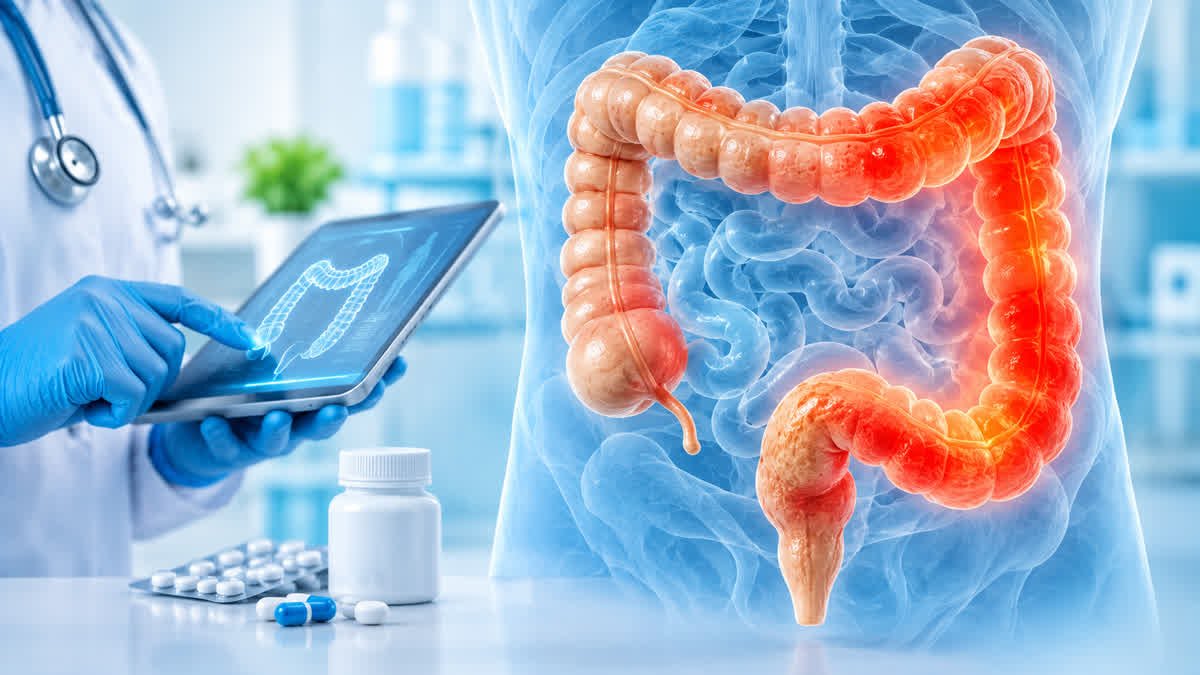

Ulcerative colitis (UC) is a long-term inflammatory bowel disease (IBD) that affects the lining of the rectum and colon. It can cause diarrhea, rectal bleeding, abdominal discomfort, and a sudden need to use the bathroom. Ulcerative colitis treatment aims to reduce inflammation, control symptoms, achieve remission, and lower the risk of complications.
Options include anti-inflammatory medicines, corticosteroids, immune-modifying drugs, biologics, targeted pills, and surgery. Nutrition, emotional support, and healthy daily habits can also help, but they do not replace medical treatment.
The right plan depends on how active your disease is, how much of the colon is involved, your health history, and how you responded to earlier therapies. This guide explains how each option works, where it may fit, and what questions to raise with your gastroenterologist.
What Is Ulcerative Colitis?
Understanding the Condition
Ulcerative colitis is a chronic disease in which abnormal immune activity causes inflammation and ulcers in the inner lining of the large intestine. Many people alternate between flares, when symptoms are active, and remission, when symptoms ease or disappear. The exact cause remains unknown.
Unlike UC, Crohn’s disease, another type of IBD, can affect other parts of the digestive tract and deeper layers of the bowel wall. Irritable bowel syndrome (IBS) is a separate condition.
Common Symptoms and Disease Patterns
Common ulcerative colitis symptoms include diarrhea (sometimes bloody), rectal bleeding, cramping, mucus in the stool, urgency, and feeling that you need to go even when your bowel is empty. Fatigue, fever, nausea, and weight loss may occur, especially with more severe or widespread disease. These symptoms have other possible explanations, including infection, so learning about causes of abdominal pain cannot replace testing.
Doctors also classify UC by how far inflammation extends:
- Ulcerative proctitis: inflammation limited to the rectum.
- Left-sided colitis: inflammation extending from the rectum into the left side of the colon.
- Extensive colitis: inflammation reaching beyond the bend near the spleen. Pancolitis means the entire colon is involved.
How Do Doctors Choose Ulcerative Colitis Treatment?
No single plan works for everyone. Your care team usually considers two goals: bringing active disease under control (induction) and keeping it controlled over time (maintenance).
Disease Severity
UC is often described as mild, moderate, or severe. Mild disease may involve fewer than four bowel movements a day with occasional bleeding. Severe symptoms may include more than six daily bowel movements with blood most of the time. Moderate disease generally falls between these patterns.
Current ACG guidance also weighs urgency, blood and stool markers such as fecal calprotectin, endoscopy findings, disease history, and effects on daily life. Risk factors for poor outcomes may support stronger therapy.
Location of Inflammation
Suppositories reach the rectum, while enemas reach farther into the left colon. Extensive disease usually needs oral or whole-body treatment. Moderate or severe proctitis may still warrant advanced therapy.
Previous Treatment Response
Your doctor will ask whether earlier medicines worked, how long the benefit lasted, and whether symptoms returned during a steroid taper. Side effects and missed doses also matter.
Individual Health Considerations
Age, pregnancy plans, infection risk, other medical conditions, insurance coverage, and personal preferences can affect the choice. If you are pregnant or planning pregnancy, talk with your care team before stopping or changing medication.
Testing may include blood tests, stool tests, and endoscopy. Stool testing can also check for infections such as C. difficile, which may mimic or worsen a flare. Colonoscopy or flexible sigmoidoscopy lets a doctor examine the lining and take tissue samples.
Medication Options for Ulcerative Colitis
Ulcerative colitis medications fall into several groups. Some are mainly used to calm a flare, while others can also help maintain remission. The ulcerative colitis medication list below offers a quick comparison.
| Treatment category | Main purpose | Examples |
|---|---|---|
| Aminosalicylates | Reduce intestinal inflammation | Mesalamine, sulfasalazine |
| Corticosteroids | Control active inflammation | Prednisone, budesonide |
| Immunomodulators | Modify immune activity | Azathioprine, mercaptopurine |
| Biologics | Target specific inflammatory pathways | Infliximab, vedolizumab, ustekinumab |
| JAK inhibitors | Block certain immune signals | Tofacitinib, upadacitinib |
| S1P receptor modulators | Alter immune cell movement | Ozanimod, etrasimod |
Medicines differ in effectiveness, safety, suitability, approved uses, cost, and availability. This table is not a ranking or a complete list.
1. Aminosalicylates (5-ASA Medications)
Aminosalicylates reduce inflammation in the intestinal lining. Examples include mesalamine (also called mesalazine), sulfasalazine, and balsalazide.
They are a foundation of mild-to-moderate ulcerative colitis treatment and can help maintain remission. Forms include oral products, suppositories, and enemas.
For mild-to-moderate proctitis, ACG recommends rectal 5-ASA. For left-sided disease, guidance supports enemas and suggests combining them with oral 5-ASA rather than using pills alone. Oral 5-ASA is recommended for extensive disease, and rectal treatment may sometimes be added.
If appropriately dosed 5-ASA does not achieve remission, ACG suggests considering another drug class rather than switching to another 5-ASA product.
Possible side effects include headache, nausea, and abdominal discomfort. Rarely, 5-ASA can worsen diarrhea or affect the kidneys, so periodic lab tests are important. Sulfasalazine has additional precautions, including sulfa allergy, blood and liver monitoring, and possible folate supplementation. It can also temporarily lower sperm counts.
2. Corticosteroids
Corticosteroids, or steroids, reduce active inflammation. Examples include prednisone, prednisolone, and budesonide. A delayed, colon-targeted form called budesonide MMX is used for some people with mild-to-moderate or moderately active UC.
Budesonide generally causes less whole-body steroid exposure than prednisone. Rectal steroids may help disease near the rectum, although ACG favors rectal 5-ASA for inducing remission in proctitis or left-sided colitis.
Oral systemic steroids may be used for flares that do not respond to 5-ASA or for more active disease. People hospitalized with acute severe UC often receive intravenous (IV) corticosteroids with close monitoring.
Steroids can help induce remission, but they are not recommended for maintaining it. Possible effects include infection, bone loss, sleep or mood changes, and higher blood sugar. Longer use can cause other serious problems.
Your doctor should plan the taper and any steroid-sparing medicine. Do not stop prescribed steroids suddenly without guidance, because this can be dangerous. Needing repeated courses is a reason to reassess the plan.
3. Immunomodulators
Immunomodulators reduce or change immune system activity. In UC, the main long-term examples are the thiopurines azathioprine and mercaptopurine. They may help selected people maintain remission without ongoing steroids, particularly after steroids have controlled a flare.
Thiopurines work slowly and are not recommended alone to induce remission in moderate-to-severe disease. One may also be paired with certain anti-TNF drugs, especially infliximab. Methotrexate alone is not recommended for inducing or maintaining UC remission.
Important risks include low blood counts, liver injury, pancreatitis, infection, and certain cancers, including skin cancer and lymphoma. Doctors may check TPMT and NUDT15, which help predict how the body handles these drugs. Regular blood work remains necessary even when genetic results are reassuring.
4. Biologic Medications
Ulcerative colitis biologics are protein-based drugs that act on specific immune targets. They are mainly used for moderate-to-severe or high-risk disease, both to induce and maintain remission.
Anti-TNF medications include infliximab, adalimumab, and golimumab. They block tumor necrosis factor (TNF), a protein that promotes inflammation. Infliximab can be especially important in hospital rescue treatment.
Integrin inhibitors include vedolizumab, which limits certain immune cells from entering intestinal tissue. Its gut-focused action may matter when infection risk is a concern, although risks remain.
Interleukin inhibitors block signals involved in inflammation. Ustekinumab targets IL-12 and IL-23. Mirikizumab, risankizumab, and guselkumab target IL-23.
Depending on the product, biologics are given by IV infusion, injection under the skin, or both in sequence. Biosimilars of anti-TNF drugs and ustekinumab are acceptable alternatives to the originals.
Pretreatment checks commonly address tuberculosis, hepatitis B, current infections, and vaccines. For example, infliximab carries a boxed warning, the FDA’s most prominent kind, about serious infections and certain cancers. Safety profiles differ, so ask about your specific medicine.
5. Other Targeted Oral Medications
Small-molecule medicines are advanced therapies, but they are not biologics. They are chemically made drugs that can be taken by mouth.
JAK inhibitors include tofacitinib and upadacitinib. They block signaling pathways used by several inflammatory proteins. The FDA warns of serious infections and higher risks of serious heart events, cancer, blood clots, and death, based largely on a tofacitinib safety study in people with rheumatoid arthritis who had heart risk factors.
In the United States, JAK inhibitor use in UC is restricted. Tofacitinib is generally reserved for people who did not respond to or could not tolerate a TNF blocker. A 2025 upadacitinib label update also permits use after another approved systemic therapy when TNF blockers are considered clinically inadvisable. Smoking history, age, heart health, cancer history, and clot risk deserve careful review.
S1P receptor modulators include ozanimod and etrasimod. They help keep some immune cells in lymph nodes, which reduces their movement to inflamed tissue.
Possible concerns include infection, slow heart rate, liver injury, high blood pressure, and retinal swelling, so screening may include heart, blood, liver, and eye checks. Certain heart conditions rule these drugs out. Review the ozanimod or etrasimod prescribing information, and discuss pregnancy before treatment.
Advanced Treatments for Moderate to Severe UC
When Are Advanced Therapies Considered?
They may be considered when standard medicine fails, symptoms keep returning, steroids cannot be tapered, or severity and risk factors justify earlier use.
Not everyone must try older treatments first. For moderate-to-severe UC, AGA suggests early advanced therapy over gradual step-up after 5-ASA failure. FDA labeling and insurance rules can affect the order.
How Doctors Select an Advanced Therapy
Previous drug exposure matters because first treatments tend to have higher response rates than later ones. No medicine is best for every person.
Doctors also consider disease activity, safety risks, pregnancy goals, joint or skin inflammation, how quickly improvement is needed, and your preference for pills, injections, or infusions. Ask what benefit to expect, when to expect it, and what the backup plan is.
What Happens If a Treatment Stops Working?
Primary nonresponse means a medicine does not provide enough benefit during the initial treatment period. Secondary loss of response means it helps at first but later becomes less effective.
New symptoms do not prove drug failure, so doctors may check for infection, missed doses, or other causes. For anti-TNF drugs, therapeutic drug monitoring measures drug levels and, when appropriate, antibodies against the drug.
A specialist may adjust the dose or timing, add therapy, or switch medicines. Level testing is less established for some other biologics. Do not change doses or schedules on your own.
Surgery for Ulcerative Colitis
Ulcerative colitis surgery is an important and potentially effective option. It is not a personal failure, and it is not inevitable.
When Is Surgery Considered?
A doctor may recommend surgery when medicines do not control symptoms or when symptoms improve only with continuous steroids. It may also be needed for colorectal cancer or some cases of dysplasia (precancerous cell changes). Urgent reasons include severe bleeding, a hole in the colon, or toxic megacolon, a dangerous widening of the colon with severe illness.
Types of Ulcerative Colitis Surgery
- Colectomy: removes part or all of the colon. For UC, removing the whole colon while temporarily leaving the rectum may be an early stage, especially during severe illness. Removing only a small affected section is not the usual approach.
- Proctocolectomy: removes both the colon and rectum.
- Ileostomy: brings the end of the small intestine to an opening in the abdomen, called a stoma. Waste empties into an external pouch. It may be temporary or permanent.
- Ileal pouch-anal anastomosis (IPAA): creates an internal pouch from the small intestine and connects it to the anus, often called J-pouch surgery. It usually requires two or three operations and may include a temporary ileostomy.
Not everyone is a candidate for IPAA, so your surgeon will review your health and priorities.
Life After Surgery
Recovery takes time, and follow-up remains important. People with an IPAA usually have more frequent, looser bowel movements than people with an intact colon. Some experience leakage, especially at night.
Potential complications include infection, bowel blockage, leaks, and pouchitis (inflammation of the internal pouch). In one study of U.S. insurance claims, 48% of patients with UC developed pouchitis within two years after IPAA. Estimates vary by population, definition, and follow-up.
Pouch surgery can also affect female fertility and sexual function, so discuss family plans beforehand. Follow-up may still be needed after surgery, including for pouch problems or symptoms outside the colon. A colorectal surgeon and ostomy nurse can help you compare options.
Lifestyle and Supportive Management
Supportive care can make managing ulcerative colitis symptoms easier. It should work alongside the treatment your clinician recommends.
Nutrition and Dietary Considerations
No specific diet has been proven to cure UC, and research has not identified particular foods that worsen it in everyone. Still, food tolerance varies. A food and symptom diary may help you spot personal patterns.
During a flare, your care team may suggest temporary changes, such as smaller meals or less fiber for a short time. Otherwise, high-fiber foods can fit many balanced diets. A dietitian can help if you are losing weight or avoiding many foods.
Diarrhea can cause fluid loss. Sip fluids regularly, and ask whether you need an oral rehydration solution, especially if you have kidney or heart disease.
Stress Management and Emotional Well-Being
Stress does not cause UC, but it may affect how you cope with symptoms. Steps to reduce stress and improve sleep may help.
ACG advises screening for anxiety and depression, so tell your team if you are struggling.
Physical Activity and Everyday Habits
As symptoms allow, activity can bring broader benefits of exercise. Rest when needed, and ask about limits during flares or after surgery.
Do not use smoking to manage UC. If you are quitting, continue with medical support and report symptom changes, since recent smoking cessation can coincide with UC activity. NIDDK also advises avoiding NSAIDs for pain, such as ibuprofen and naproxen. Do not stop prescribed aspirin without asking the prescriber.
Supplements and Complementary Approaches
Supplements may help correct identified deficiencies, such as low iron or vitamin D. For probiotics, ACG finds insufficient evidence for routine use in mild-to-moderate UC. Fecal microbiota transplant is not a standard treatment.
Herbal products should not replace UC medication. Ask before using supplements or antidiarrheal medicine, because some can cause harm.
Treatment for Different Stages of Ulcerative Colitis
Mild Ulcerative Colitis
Mild ulcerative colitis treatment commonly uses oral 5-ASA, rectal 5-ASA, or both, based on disease location. Doctors reassess if symptoms or inflammation do not improve. ACG advises checking induction response within eight weeks for mild-to-moderate disease.
Moderate Ulcerative Colitis
Moderate ulcerative colitis treatment may include optimized 5-ASA for selected people, budesonide MMX or another corticosteroid for induction, or an advanced therapy. Prior response and risk factors help determine when to escalate.
Severe Ulcerative Colitis
Severe ulcerative colitis treatment requires prompt specialist assessment to decide on advanced therapy, hospital care, or surgical consultation.
Acute Severe Ulcerative Colitis
Acute severe ulcerative colitis (ASUC) is a medical emergency managed in the hospital. Care includes infection testing, flexible sigmoidoscopy, IV corticosteroids, blood clot prevention, and close monitoring for complications such as toxic megacolon.
If IV steroids are not working adequately by about day three, doctors use rescue options such as infliximab or cyclosporine and involve a surgeon. Necessary surgery should not be delayed.
| Disease activity | Possible treatment approaches |
|---|---|
| Mild | Oral or rectal 5-ASA, or both |
| Moderate | Optimized 5-ASA, corticosteroids for induction, or advanced therapies |
| Severe | Advanced therapies and specialist management |
| Acute severe | Hospital care, IV corticosteroids, rescue therapy, or surgery when needed |
This is a simplified overview, not a treatment algorithm or a substitute for clinical assessment.
Monitoring Treatment and Maintaining Remission
Ulcerative colitis remission has different measures. Symptom remission reflects relief of bleeding, urgency, and altered bowel habits, while endoscopic improvement shows healing of the lining. The two do not always match.
A treat-to-target plan sets goals, checks progress, and adjusts care through shared decisions. A key goal is sustained, steroid-free remission with endoscopic improvement. Monitoring may include symptom reviews, blood tests, fecal calprotectin, intestinal ultrasound, colonoscopy, or flexible sigmoidoscopy.
Complete safety tests, and continue maintenance treatment as prescribed, even when you feel well.
Long-term UC can raise colorectal cancer risk. NIDDK says doctors typically recommend surveillance colonoscopy every 1 to 3 years, starting 8 years after UC began. People with certain liver or bile duct disease, such as primary sclerosing cholangitis, may need a different, earlier schedule.
When to Seek Medical Attention
A flare is a return or worsening of symptoms. Contact your gastroenterology team promptly for increasing bleeding, worsening diarrhea, nighttime bowel movements, or persistent pain.
Get urgent medical care for severe abdominal pain or swelling, heavy bleeding, black stools, fainting, confusion, severe dehydration, or frequent bloody diarrhea. The same applies to fever, a racing heart, or marked weakness during a flare. Call 911 for life-threatening symptoms, and learn when abdominal pain is an emergency.
Frequently Asked Questions
What is the most effective treatment for ulcerative colitis?
No single treatment is best for everyone. The right choice depends on disease severity and location, past treatment results, safety risks, and personal goals, which you can review with a gastroenterologist.
Can ulcerative colitis be treated without surgery?
Yes, many people manage UC with medication and regular monitoring. Surgery may become necessary if medicines do not work or if serious complications, cancer, or certain precancerous changes develop.
What medications are commonly used for ulcerative colitis?
Common ulcerative colitis drugs include aminosalicylates, corticosteroids, immunosuppressants, biologics, and targeted small molecules. Some mainly control flares, while others can also maintain remission.
Are biologics used for ulcerative colitis?
Yes. Biologics are protein-based medicines that target specific immune pathways, and several are recommended for moderate-to-severe UC. Screening and ongoing monitoring depend on the medicine and your health history.
Can ulcerative colitis go into remission?
Yes, remission can last for weeks or years. Feeling better does not always mean inflammation has healed, so your doctor may recommend stool tests, imaging, or endoscopy.
Is ulcerative colitis curable?
Medicines can control UC but are not a guaranteed permanent cure. Removing the colon and rectum eliminates the main sites of disease, but surgery has lasting effects, and complications such as pouchitis or symptoms outside the colon may need care.
Is ulcerative colitis treatment lifelong?
People who have not had their colon and rectum removed typically need lifelong medication, although the plan may change. Do not stop treatment during remission without discussing it with your gastroenterologist.
Conclusion
Ulcerative colitis treatment is individualized. Aminosalicylates, corticosteroids, immunomodulators, biologics, and targeted pills each have different roles, benefits, and risks. Advanced therapies can help many people with moderate-to-severe disease, while surgery remains an important option for selected patients.
Nutrition, emotional support, and regular monitoring complement medical care. Before your next visit, write down your symptoms, past treatments, side effects, and priorities. Then ask your gastroenterologist how you will measure success and what to do if the plan does not work.
Sources
- Rubin DT, et al. ACG Clinical Guideline Update: Ulcerative Colitis in Adults. American Journal of Gastroenterology. 2025.
- American Gastroenterological Association. Living Guideline for Moderate-to-Severe Ulcerative Colitis. Published 2024.
- American Gastroenterological Association. Guideline announcement on therapy selection. 2024.
- NIDDK. Ulcerative Colitis: Definition and Facts.
- NIDDK. Symptoms and Causes.
- NIDDK. Diagnosis.
- NIDDK. Treatment.
- NIDDK. Eating, Diet, and Nutrition.
- U.S. Food and Drug Administration. JAK Inhibitor Drug Safety Communication. 2021.
- AJMC. FDA Expands Upadacitinib Label. 2025.
- DailyMed. Ozanimod Prescribing Information.
- Pfizer. Etrasimod Prescribing Information.
- MedlinePlus. Sulfasalazine.
- Massachusetts General Hospital. Aminosalicylates: Medication Information.
- MedlinePlus. Azathioprine.
- MedlinePlus. Infliximab Injection.
- PubMed. Pouchitis and Pouch-Related Complications in Patients With UC. Clinical Gastroenterology and Hepatology. 2021.
Medical Disclaimer: This article is for general education only and is not a substitute for medical advice, diagnosis, or treatment. Ulcerative colitis care is different for each person. Talk with a qualified healthcare professional about your symptoms and treatment choices, and do not start, stop, or change a medicine without guidance. If you have severe or life-threatening symptoms, call 911 or get emergency care right away.