
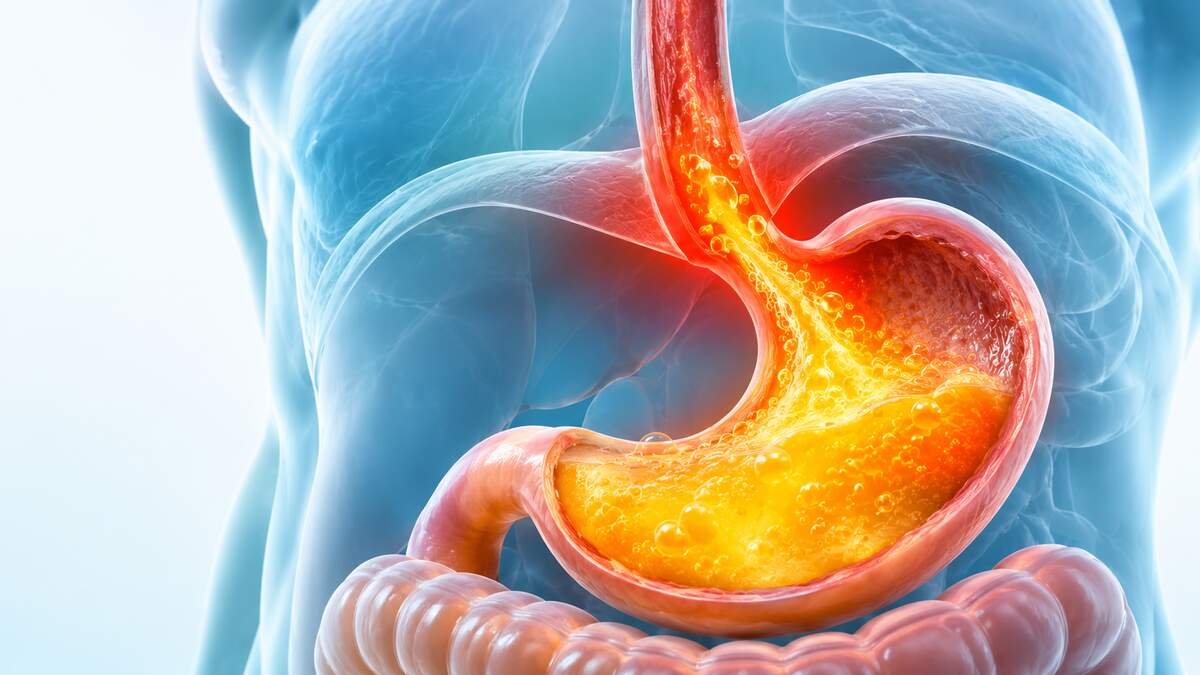

Have you ever felt a burning sensation in your chest after a large meal or soon after lying down? That discomfort is usually heartburn, a common digestive symptom that happens when stomach acid and other stomach contents flow backward into the esophagus, the tube that carries food from your mouth to your stomach. The process behind it is called acid reflux.
Most people feel heartburn now and then, and it is often tied to what you eat, when you eat, and how your body handles pressure in the abdomen. Occasional episodes are common and usually manageable. Frequent heartburn, however, can point to a longer-term condition such as gastroesophageal reflux disease (GERD), which is why understanding the cause matters.
This guide explains what causes heartburn, from the role of the lower esophageal sphincter to food triggers, daily habits, and medical conditions. You will also learn why symptoms often get worse at night, how to reduce common triggers, and when to talk with a healthcare professional. The information here is general and educational, and it cannot replace personal medical advice.
What Is Heartburn and What Causes It?
Heartburn is a burning pain or discomfort felt in the chest, just behind the breastbone. Mayo Clinic notes that it happens when stomach acid backs up into the esophagus.
The short answer: Heartburn occurs when stomach contents, including acid, flow backward into the esophagus and irritate its lining. This often happens when the lower esophageal sphincter (LES), the muscular valve between the stomach and esophagus, relaxes at the wrong time or becomes weakened. Common contributing factors include large meals, fatty or spicy foods, smoking, pregnancy, excess body weight, certain medications, and GERD.
Heartburn is not the same as indigestion. Indigestion (dyspepsia) usually refers to upper abdominal discomfort, fullness, or bloating during or after meals, while heartburn is a burning feeling that rises through the chest. The two can overlap, and some people experience both at once.
It also helps to separate three related terms. Heartburn is a symptom, acid reflux is the process that often causes it, and GERD is a chronic condition in which reflux happens repeatedly and causes troublesome symptoms or complications. Occasional heartburn after a heavy meal is very different from heartburn that returns several times a week.
How Does Heartburn Happen?
The LES sits at the bottom of the esophagus. When you swallow, it relaxes briefly to let food and liquid pass into the stomach, then tightens again to keep stomach contents from moving back up. The National Institute of Diabetes and Digestive and Kidney Diseases (NIDDK) explains that reflux occurs when this valve relaxes at the wrong time or does not close properly.
When that happens, acid can travel upward and touch the esophageal lining. Unlike the stomach, the esophagus has no thick protective layer against acid, so the exposure can cause a burning feeling. Repeated exposure over time may lead to irritation and inflammation.
If you want a closer look at how reflux starts, you can read about the early signs of acid reflux and what causes acid reflux on CollectedMed.
The Main Causes of Heartburn
Heartburn rarely has a single cause. In most people, a combination of body mechanics, food choices, habits, and health conditions plays a role. The factors below are the most commonly described by medical authorities.
Weak or Relaxed Lower Esophageal Sphincter
The LES acts as a one-way gate. When it relaxes inappropriately or is weaker than normal, stomach acid can move upward into the esophagus. This is considered a central mechanism behind acid reflux and heartburn.
Some people have brief LES relaxations that happen even when they are not swallowing. Certain foods, medications, and habits such as smoking may make this more likely, although the response varies from person to person.
Increased Pressure on the Stomach
A very full stomach pushes against the LES, which can make reflux more likely. This is one reason large meals are a common trigger. Extra pressure in the abdomen from other sources can have a similar effect.
Being overweight or having obesity is associated with a higher likelihood of reflux symptoms, according to NIDDK. Pregnancy and tight clothing around the waist can also add pressure.
Delayed Stomach Emptying
In some people, food stays in the stomach longer than usual. A fuller stomach for a longer period may increase the chance of reflux. Mayo Clinic lists delayed stomach emptying among conditions that can raise the risk of GERD.
This is not the cause of every case of heartburn. Many people with heartburn have normal stomach emptying.
Frequent Acid Reflux and GERD
Occasional acid reflux is common and does not always mean something is wrong. When reflux happens repeatedly over time, it can develop into GERD. Mayo Clinic describes GERD as acid reflux that occurs frequently and can irritate the esophageal lining.
People with GERD may notice persistent heartburn, regurgitation, or chest discomfort. If this sounds familiar, our guides on how common acid reflux is and whether acid reflux is serious offer more context.
Common Foods and Drinks That Trigger Heartburn
Certain foods and drinks can trigger heartburn in some people. Mayo Clinic lists spicy foods, onions, citrus products, tomato products, fatty or fried foods, peppermint, chocolate, alcohol, carbonated beverages, and caffeinated drinks among common triggers.
Not everyone reacts to the same foods. A food that causes symptoms for one person may be perfectly fine for another, so these are possible triggers rather than universal rules.
Spicy Foods
Spicy meals can irritate the esophagus or worsen discomfort in people who already have reflux. Sensitivity varies widely, and some people tolerate spicy dishes without trouble.
Fatty and Fried Foods
High-fat meals tend to be larger and heavier, and they may stay in the stomach longer. Both factors can make reflux more likely in susceptible people. Fried foods and rich, creamy dishes are frequently reported triggers.
Acidic Foods
Tomatoes and tomato-based products, citrus fruits, and orange or lemon juice are often mentioned. They may aggravate symptoms in some people, but they do not cause reflux in everyone. If you suspect they bother you, try reducing them one at a time and observe what changes.
Coffee, Chocolate, and Carbonated Drinks
Coffee and other caffeinated drinks are commonly linked with heartburn symptoms. Chocolate is also a frequent trigger for some people. Carbonated drinks can increase belching and stomach fullness, which may add to discomfort.
If you enjoy coffee, you may find our article on black coffee benefits useful for a broader picture, and our guide to what makes acid reflux worse covers more triggers.
Alcohol and Other Beverages
Alcohol is listed by Mayo Clinic as a possible trigger. It may relax the LES or irritate the esophagus in some people. Responses differ, so pay attention to how your own body reacts.
Lifestyle Habits That Can Cause Heartburn
Everyday habits can influence how often heartburn occurs. The good news is that many of them can be adjusted.
Eating Large Meals
A big meal stretches the stomach and increases pressure on the LES. Eating smaller portions may reduce the chance of reflux for some people.
Lying Down Immediately After Eating
Gravity normally helps keep stomach contents where they belong. When you lie down soon after eating, that help is reduced, and acid can flow upward more easily.
Eating Late at Night
Late meals leave less time for the stomach to empty before bedtime. Mayo Clinic lists eating late at night among factors that can aggravate acid reflux. For more on this pattern, see our article on abdominal pain at night.
Smoking
Smoking is associated with worse reflux. It may weaken the LES and affect saliva, which helps neutralize acid. Quitting smoking can benefit digestive health along with many other areas of health.
Wearing Tight Clothing
Belts, waistbands, and fitted garments can squeeze the abdomen. This added pressure may push stomach contents upward in some people.
Stress and Anxiety
Stress and anxiety may worsen how heartburn feels and how sensitive you are to digestive discomfort. Mayo Clinic notes that anxiety and stress can worsen heartburn symptoms. Research does not show that stress directly causes excess stomach acid in everyone, so it is best viewed as one possible influence. Our guide on how to reduce stress offers practical ideas.
Medical Conditions Associated With Heartburn
Several health conditions can increase the likelihood of heartburn or cause similar symptoms. Having one of these conditions does not guarantee that you will have heartburn, and a clinician can help sort out the cause.
Gastroesophageal Reflux Disease (GERD)
GERD is a chronic condition in which acid reflux happens repeatedly. Mayo Clinic lists heartburn, regurgitation of food or sour liquid, upper belly or chest pain, trouble swallowing, and a sensation of a lump in the throat as common symptoms.
Long-lasting inflammation can sometimes lead to complications, so persistent symptoms deserve medical assessment. To learn how doctors evaluate reflux, read how acid reflux is diagnosed.
Hiatal Hernia
A hiatal hernia occurs when the upper part of the stomach bulges through the diaphragm into the chest cavity. This can weaken the barrier that keeps acid in the stomach and may increase reflux risk. Many people with a small hiatal hernia have no symptoms at all.
Pregnancy
Heartburn is common during pregnancy. Hormonal changes can relax the LES, and the growing uterus adds pressure on the stomach as pregnancy progresses. The NHS also lists pregnancy as a common reason for heartburn. Anyone who is pregnant should check with their healthcare provider before using any heartburn medicine.
Delayed Gastric Emptying
Gastroparesis is a condition in which the stomach empties more slowly than normal. Food that lingers in the stomach may contribute to reflux symptoms in some people. It is a less common cause, and it usually comes with other symptoms such as early fullness, nausea, or bloating.
Medication-Related Heartburn
Some medications may cause or worsen reflux symptoms. NIDDK lists several types that may be involved, including:
- Nonsteroidal anti-inflammatory drugs (NSAIDs), such as aspirin and ibuprofen
- Some calcium channel blockers used for blood pressure
- Certain asthma medications
- Some sedatives and antidepressants
Do not stop or change a prescribed medicine on your own. Talk with a doctor or pharmacist if you think a medication may be contributing, because alternatives or timing changes may be available.
Why Does Heartburn Get Worse at Night?
Many people notice that heartburn is worse in the evening or after lying down. When you are upright, gravity helps keep stomach contents down. Lying flat removes that advantage, so acid can reach the esophagus more easily.
Large dinners and late-night snacks add to the problem because the stomach is still full at bedtime. Nighttime reflux can also disrupt sleep. Our guides on trouble falling asleep at night and how to improve sleep may help.
As a practical step, Mayo Clinic suggests avoiding eating for at least two hours before bedtime. Many clinicians suggest a gap of two to three hours.
Common Symptoms of Heartburn
The hallmark of heartburn is a burning feeling in the chest behind the breastbone. Other signs may include:
- Discomfort that often follows a meal
- A sour or bitter taste in the mouth
- Regurgitation of acid or food into the throat
- Symptoms that worsen when bending over or lying down
- Throat irritation or a lingering cough
Not everyone has the same symptoms. Some people feel mostly regurgitation, while others feel mostly chest burning. You can explore variations in our guides to acid reflux symptoms in men, women, and older adults.
How to Reduce Heartburn Triggers
Lifestyle changes help many people, though they may not eliminate heartburn completely. Mayo Clinic recommends starting with practical habits before or alongside medication.
Eat Smaller Meals
Smaller portions mean less stomach fullness and less pressure on the LES. Eating more slowly may also help.
Identify Personal Food Triggers
Keep a simple food and symptom diary for a few weeks. Note what you ate, when you ate it, and whether symptoms followed. Patterns often emerge, and you can then limit only the foods that actually bother you.
Avoid Lying Down After Meals
Wait roughly two to three hours after eating before lying down or going to bed. A gentle walk after a meal may be more comfortable than reclining. See our guide on how to manage acid reflux at home for more ideas.
Maintain a Healthy Weight
If extra weight is contributing to abdominal pressure, gradual weight management may reduce symptoms. Our article on weight management covers realistic approaches.
Make Healthy Lifestyle Changes
- Avoid smoking.
- Limit alcohol if it triggers your symptoms.
- Wear comfortable, loose-fitting clothing around the waist.
- Raise the head of your bed by about 6 to 8 inches if you have nighttime symptoms (extra pillows alone may not help as much).
For medical treatment choices, see acid reflux treatment options and how to live with acid reflux.
When Should You See a Doctor?
Occasional heartburn is common and often manageable at home. Mayo Clinic advises making an appointment with a healthcare professional if:
- Heartburn occurs more than twice a week
- Symptoms continue despite lifestyle changes or over-the-counter medicines
- You have difficulty or pain when swallowing
- You have persistent nausea or vomiting
- You have unexplained weight loss or weight loss due to poor appetite
- Symptoms interfere with your daily activities
See our guide on when to see a doctor for acid reflux for more detail.
Emergency warning signs: Chest pain is not always heartburn. Seek emergency care right away for sudden or severe chest pain or pressure, especially with shortness of breath, sweating, or pain spreading to the arm or jaw, since these can signal a heart attack (Mayo Clinic). Vomiting blood or passing black, tarry stools also needs urgent medical evaluation. You can read more about when chest pain is an emergency.
Frequently Asked Questions About Heartburn
What is the most common cause of heartburn?
Heartburn most often occurs when stomach acid flows back into the esophagus because the lower esophageal sphincter relaxes at the wrong time or is weak. Large meals, certain foods, and extra abdominal pressure can make this more likely. (Mayo Clinic)
Can stress cause heartburn?
Stress and anxiety may worsen heartburn symptoms or make you more aware of digestive discomfort. Evidence does not show that stress directly increases stomach acid in every person. Managing stress may help some people feel better. (Mayo Clinic)
What foods cause heartburn the most?
Common triggers include fatty or fried foods, spicy foods, tomato products, citrus, chocolate, peppermint, coffee, carbonated drinks, and alcohol. Responses differ from person to person, so a food diary can help you find your own triggers. (Mayo Clinic)
Why do I get heartburn when I haven’t eaten?
Reflux can happen without a recent meal. Ongoing reflux, certain medications, or an underlying digestive condition may play a role. If this happens often, speak with a healthcare professional. Our article on heartburn after eating and related stomach pain may also be useful.
Can heartburn be a sign of something serious?
Occasional heartburn is common and usually not a cause for alarm. Frequent or persistent heartburn may point to GERD or another condition that needs medical evaluation. Chest pain with shortness of breath, sweating, or arm or jaw pain needs emergency care. (NIDDK)
Conclusion
Heartburn commonly results from acid reflux, and a weak or poorly timed relaxation of the lower esophageal sphincter is an important part of the story. Foods, daily habits, pregnancy, excess weight, certain medications, and conditions such as GERD or a hiatal hernia can all contribute.
Identifying your own triggers is one of the most practical steps you can take. Small changes to meal size, timing, and habits help many people, even if they do not remove symptoms entirely. If your heartburn is frequent, severe, or comes with warning signs, talk with a healthcare professional so you can get the right care.
Sources
- Mayo Clinic. Heartburn: Symptoms and causes
- Mayo Clinic. Heartburn: Diagnosis and treatment
- Mayo Clinic. Gastroesophageal reflux disease (GERD): Symptoms and causes
- National Institute of Diabetes and Digestive and Kidney Diseases (NIDDK). Symptoms and causes of GER and GERD in adults
- NHS. Heartburn and acid reflux
Medical Disclaimer: This article is for general educational purposes only. It does not provide medical advice, diagnosis, or treatment, and it is not a substitute for care from a qualified healthcare professional. Always talk with your doctor or another licensed provider about your symptoms, medications, and health concerns. If you think you are having a medical emergency, call 911 or your local emergency number right away.
1 thought on “What Causes Heartburn? Common Triggers, Conditions, and Risk Factors”
Comments are closed.