
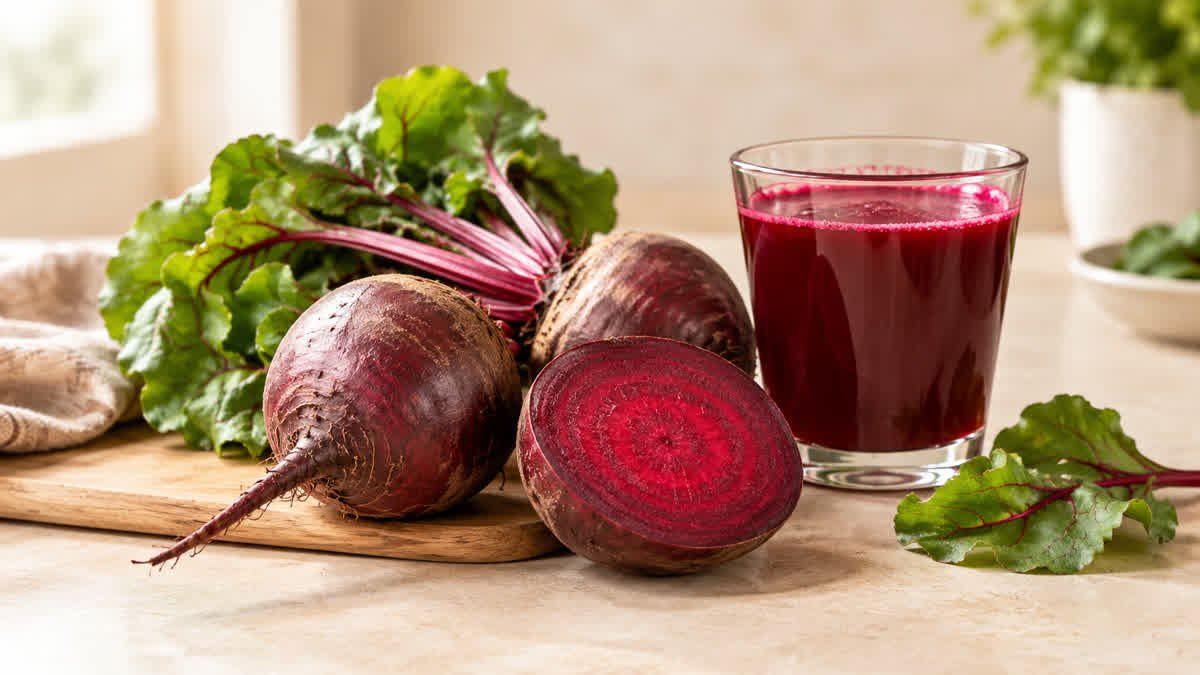

Yes, people with type 2 diabetes can generally eat beetroot as part of a balanced diet. Beetroot provides fiber and essential nutrients, but it also contains carbohydrates that can affect blood sugar. Whole beetroot in a suitable portion is often a practical choice. Current research has not established beetroot as a treatment for diabetes, so it should complement medical care, not replace it.
The vegetable is rich in folate, potassium, and plant pigments called betalains, and it has a naturally sweet taste. That sweetness leads many people to ask whether beetroot is a good fit when they are watching their blood glucose. The answer depends mostly on portion size, how beetroot is prepared, and what else is on the plate. Whole beetroot and beetroot juice also behave differently, which matters for meal planning.
This guide explains what beetroot contains, how it may affect blood sugar, and what the research does and does not show. You will also find practical serving ideas, safety precautions, and answers to common questions. Nothing here is individualized medical advice, and your diabetes care team knows your situation best.
What Is Beetroot? Nutrition and Carbohydrate Content
Beetroot (also called beets in the United States) is the deep red root of Beta vulgaris. People eat it roasted, boiled, steamed, pickled, grated raw, or blended into juice. The leaves, known as beet greens, are edible too.
Beetroot is a modest source of several nutrients. According to USDA nutrient data, a half cup of sliced, cooked beets (about 85 grams) provides roughly 37 calories, 8 grams of carbohydrate, and close to 2 grams of fiber. The same serving supplies about 260 milligrams of potassium and a meaningful amount of folate. You can look up current values in USDA FoodData Central.
Beetroot also contains natural sugars as part of its carbohydrate content. Roughly 7 of those 8 grams per half cup are sugars, so beetroot is not a zero-carbohydrate food. Beyond nutrients, it contains betalains (the pigments that give it color) and dietary nitrates.
Whole beetroot differs from strained juice. Juicing removes most of the fiber, which changes how filling the food is and how quickly the carbohydrate is absorbed. Canned, pickled, and bottled products may also contain added sugar or sodium. Check the label for the serving you actually eat, since the numbers above apply to plain cooked beetroot.
Can People With Type 2 Diabetes Eat Beetroot?
For most people, diabetes does not require avoiding beetroot. The American Diabetes Association’s Diabetes Food Hub lists beets among its examples of non-starchy vegetables. That group forms the foundation of the Diabetes Plate Method, and a typical serving is half a cup cooked or one cup raw. Beets sit toward the higher-carbohydrate end of that group, so portion awareness still matters.
Blood glucose responds to the total carbohydrate in a meal, not to one food alone. A small serving of beetroot alongside protein, healthy fats, and other vegetables usually has a different effect than a large portion eaten by itself. The CDC’s diabetes meal planning guidance describes the plate method and carb counting as practical ways to balance meals.
Many readers worry about the natural sugar in beetroot. Natural sugar still counts as carbohydrate, but it arrives with fiber, water, and micronutrients in whole beetroot. That is a different situation from a sugary drink or dessert. The question is how much you eat and how it fits your day.
Individual responses vary. Medication, meal composition, physical activity, and overall glucose management all play a role. If you check your blood sugar at home, your own readings after a meal that includes beetroot can offer useful information to share with your care team.
How Does Beetroot Affect Blood Sugar Levels?
The carbohydrates in beetroot are digested like those in other vegetables, and they can raise blood glucose. The size of the rise depends mainly on how much you eat and what accompanies it.
Fiber in whole vegetables supports a healthy eating pattern and can make meals more filling. Whole beetroot keeps its fiber, while juice usually does not. A large glass of juice can deliver more carbohydrate in a less filling form than a typical portion of the vegetable. Our guide to high-fiber foods for digestive health explains why fiber matters beyond blood sugar.
You may come across the glycemic index (GI), which ranks foods by how quickly they raise blood glucose compared with a reference food. Reported GI values for beetroot vary by preparation and testing method, and you can browse them in the University of Sydney’s glycemic index database. Glycemic load (GL) adds portion size to the picture, and ordinary servings of beetroot tend to have a lower GL than the GI alone might suggest. Still, GI does not predict the response to an entire meal, because protein, fat, and other foods change the result.
Combining vegetables with protein and other foods can change the overall meal response. This is one reason dietitians focus on the whole plate. For more background, see our overview of blood sugar and our article on whether beetroot lowers blood sugar.
Please do not assume that beetroot will lower your glucose. Follow the monitoring plan your diabetes team recommends, and let your own readings guide you.
Potential Health Benefits of Beetroot for Type 2 Diabetes
Beetroot offers nutritional benefits, but these are different from proven diabetes treatment effects. Here is what it can reasonably contribute.
Nutrient intake. Beetroot supplies folate and potassium, along with smaller amounts of other vitamins and minerals. Folate supports normal cell function, and potassium plays a role in fluid balance and blood pressure regulation.
Dietary fiber. Whole beetroot adds to your daily fiber intake. Most American adults eat less fiber than recommended, so vegetables like beetroot can help close that gap.
Plant compounds. Betalains have antioxidant activity in laboratory studies. That does not mean they treat or prevent diabetes in people. Our guide to antioxidant-rich foods explains what antioxidants can and cannot do.
Cardiovascular health. Many people with type 2 diabetes also focus on heart health. Nutritious vegetables fit well into a heart-healthy dietary pattern, as described in our article on heart-healthy foods.
Blood pressure. Beetroot is a source of dietary nitrates, which the body can convert into compounds that relax blood vessels. A review of beetroot’s functional properties discusses trials on blood pressure and vascular function. This research concerns blood pressure, not blood sugar control. Our article on beetroot for high blood pressure covers it in more detail.
Diet quality. Beetroot adds color, variety, and flavor to vegetable-rich meals made from minimally processed foods. Better variety can make healthy eating easier to sustain.
These nutritional benefits do not show that beetroot lowers HbA1c or prevents diabetes complications. For a broader look at the vegetable, read our guide to beetroot health benefits.
What Does the Research Say About Beetroot and Blood Sugar?
A 2024 systematic review of red beetroot products and glycemic profiles examined 20 human studies. These included 18 randomized controlled trials, one non-randomized trial, and one quasi-experimental study. Participants had different health conditions, including type 2 diabetes, obesity, and hypertension.
The results were mixed. The authors attributed the conflicting findings to differences in study design, dose, duration, and population. They concluded that standardized studies in diverse groups are needed before firm conclusions can be drawn about beetroot and blood sugar regulation.
Some small studies are interesting but preliminary. In one acute study in healthy volunteers, beetroot juice taken with white bread was associated with a lower and delayed glucose peak compared with a sugar-matched drink. Findings in healthy adults after a single dose do not tell us what happens in people with type 2 diabetes who eat beetroot regularly.
In short, the evidence is promising in places but inconsistent. It does not support claims that beetroot reliably lowers blood glucose or HbA1c.
Is Beetroot Juice Good for Type 2 Diabetes?
Beetroot juice is not the same as the whole vegetable. Strained juice usually contains less fiber, and it can deliver a lot of carbohydrate in a less filling form. It is also easy to drink a larger amount than you would eat as cooked beetroot.
Products vary widely. Unsweetened beetroot juice differs from blends that contain apple juice, other fruit juices, or added sugar. Read the nutrition facts label and look at both the serving size and the total carbohydrate.
Evidence for beetroot juice and blood glucose remains uncertain, as the research above shows. A small amount of unsweetened juice may fit some meal plans, particularly if it is counted as part of your carbohydrate intake. Still, water is the usual everyday beverage of choice, and whole vegetables are generally a more practical option.
Beetroot juice should not be used as a daily treatment for diabetes. If you are curious about trying it, discuss it with your doctor or dietitian first.
How Much Beetroot Can You Eat With Type 2 Diabetes?
There is no universally established therapeutic dose of beetroot for diabetes. Any number offered online is an illustration, not a prescription.
As a starting point for meal planning, a modest portion of about half a cup of cooked beetroot is similar to a standard vegetable serving. Carbohydrate content changes with portion size and preparation, so a larger serving or a sweetened product will contain more. Measuring your portion a few times can help you build a realistic sense of it.
Fit beetroot into your overall meal plan rather than treating it as a separate item. Our article on whether you can eat beetroot every day looks at frequency in more detail.
If you use insulin or medicines that can cause low blood sugar, keep following the meal-planning and medication guidance you were given. Do not adjust doses on your own because of a food change. A registered dietitian or certified diabetes care and education specialist can individualize your plan.
Best Ways to Eat Beetroot for Diabetes
How you prepare beetroot matters about as much as how much you eat. These ideas keep meals balanced:
- Salads: Add cooked beetroot to leafy greens with chickpeas or white beans.
- Protein pairings: Serve it alongside fish, eggs, tofu, or other protein you enjoy.
- Non-starchy vegetables: Combine it with cucumber, cabbage, or leafy greens to build volume.
- Healthy fats: Roast or boil beetroot and finish it with a small amount of olive oil.
- Convenient forms: Fresh, frozen, and low-sodium canned beetroot all work; rinse canned vegetables to remove extra salt.
- Sweetened products: Limit sweetened beetroot drinks and preparations with lots of added sugar or salt.
Think of beetroot as one useful vegetable in a varied diet, not a single “diabetes superfood.” Our guide to leafy green vegetables offers more ideas for filling the plate.
Risks and Precautions When Eating Beetroot
For most people, beetroot is safe in food amounts. A few points deserve attention.
Blood glucose changes. Beetroot contains carbohydrates and may raise blood glucose depending on the portion and the rest of the meal.
Kidney stones. Beetroot is relatively high in oxalate. People with a history of calcium oxalate kidney stones are sometimes advised to limit high-oxalate foods, and some stone-prevention diet guides specifically list beets. Ask your clinician whether this applies to you.
Kidney disease. Beetroot contains potassium. People with reduced kidney function may need individualized advice about potassium intake.
Beeturia. Red or pink urine, and sometimes stools, can follow beetroot consumption. Beeturia is considered harmless and affects roughly 10 to 14 percent of people. However, red urine can have other causes, so see a healthcare professional if it happens without eating beetroot, persists, or comes with pain or other symptoms.
Juice and added sugar. Check labels for added sugar, sodium, and serving size.
Supplements. Concentrated beetroot powders, capsules, and shots have different compositions from ordinary food. Do not assume they improve diabetes control, and ask a clinician before using them, especially if you take blood pressure medicine.
Other Dietary Tips for Managing Type 2 Diabetes
Beetroot is just one small part of eating well with diabetes. Broader habits matter more:
- Prioritize non-starchy vegetables such as leafy greens, broccoli, and cabbage. The ADA offers a helpful overview of non-starchy vegetables.
- Choose fiber-rich carbohydrates, including appropriate portions of whole grains and legumes.
- Eat whole fruit in suitable portions rather than relying on fruit juice.
- Include lean protein and unsaturated fats as your plan allows.
- Cut back on sugary drinks and highly processed foods.
- Follow a sustainable plan that matches your preferences, culture, and nutritional needs.
- Look at the full picture, including physical activity, recommended blood glucose monitoring, and prescribed medicines.
For more, see our guides to diabetes diet, type 2 diabetes, and the A1C test, plus our article on what makes a balanced diet.
Frequently Asked Questions
Can people with type 2 diabetes eat beetroot every day?
Many people can include ordinary portions regularly if they fit an individualized meal plan. The key is total carbohydrate across the day, not beetroot alone. Ask your dietitian or care team how often it suits you, especially if you have kidney concerns.
Does beetroot lower blood sugar?
Current human research is mixed and does not establish a reliable blood sugar-lowering effect. A 2024 systematic review found conflicting results and called for more standardized studies. Treat beetroot as a nutritious vegetable, not a glucose-lowering treatment.
Is beetroot juice safe for people with diabetes?
Unsweetened juice may fit some meal plans, but portion size and carbohydrate intake matter. Juice typically has less fiber than whole beetroot and is easier to overconsume. Avoid blends with added sugar, and check with your care team first.
Is raw or cooked beetroot better for diabetes?
Both can fit a balanced diet. Portion size and preparation matter more than assuming one form is always better. Avoid heavy added sugar, salt, or sweet glazes whichever way you cook it.
What is the glycemic index of beetroot?
Reported glycemic index values vary with preparation and testing method, so no single number applies to every situation. Typical servings also have a modest glycemic load. GI alone does not determine how a whole meal affects your blood sugar, so check the glycemic index database and your own readings.
Can beetroot replace diabetes medication?
No. Prescribed medication and clinical monitoring should continue unless your treating clinician changes the plan. Foods can support diabetes management, but they are not a substitute for treatment.
Conclusion: Should You Eat Beetroot if You Have Type 2 Diabetes?
For most people with type 2 diabetes, beetroot can fit into a balanced, diabetes-friendly diet. Portion size and total carbohydrate intake are the most important considerations, and whole beetroot is generally a more practical choice than juice.
Current evidence does not establish beetroot as a blood sugar-lowering treatment. Enjoy it for its nutrients, flavor, and variety, within a diet that emphasizes non-starchy vegetables, fiber-rich foods, and lean protein.
Keep up your monitoring, medicines, and regular medical care. Please do not change prescribed treatment based on claims about beetroot, and talk with your healthcare team or a registered dietitian about what works for you.
Sources
- The Impact of Red Beetroot Products on Glycemic Profiles: A Systematic Review of Human Evidence (2024)
- Beetroot juice attenuates glycaemic response in healthy volunteers
- Functional properties of beetroot (Beta vulgaris) in management of cardio-metabolic diseases, Nutrition & Metabolism
- American Diabetes Association, Diabetes Food Hub: Let’s Talk About Vegetables
- American Diabetes Association: Non-Starchy Vegetables
- CDC: Diabetes Meal Planning
- USDA FoodData Central
- University of Sydney Glycemic Index Database
- Healthline: Beeturia
Medical Disclaimer: This article is for general educational purposes only and does not replace professional medical advice, diagnosis, or treatment. Nutrition needs and blood sugar responses differ from person to person. Always talk with your doctor, registered dietitian, or diabetes care team before changing your diet, medications, or monitoring routine. If you think you may have a medical emergency, call 911 or your local emergency number right away.