

Acid reflux happens when stomach contents flow back up into the esophagus, the tube that connects your throat to your stomach. Many people feel it as heartburn, a burning sensation in the chest, often after a meal or when lying down. If you get it from time to time, you are in good company, and many people look for natural home remedies for acid reflux before turning to medicine.
The best-supported home measures are practical habits rather than special ingredients. Eating smaller meals, leaving time between dinner and bedtime, raising the head of your bed, and identifying your personal trigger foods are all recommended in clinical guidance. The evidence behind each one varies, and what helps one person may do nothing for another.
This guide covers 12 natural approaches in order of how well they are supported, plus popular remedies that may not work, a sample day of eating, and warning signs that call for a doctor. It is general information, not personal medical advice, and it does not replace your clinician’s guidance.
What Is Acid Reflux?
Understanding Acid Reflux
Gastroesophageal reflux (GER) happens when stomach contents come back up into the esophagus. A ring of muscle called the lower esophageal sphincter normally helps keep them down. Many people have reflux once in a while.
Gastroesophageal reflux disease (GERD) is a more severe, long-lasting condition in which reflux causes repeated symptoms or complications over time. GERD may develop when the lower esophageal sphincter becomes weak or relaxes when it should not. Our article on common acid reflux triggers explains the causes in more depth.
Common Symptoms of Acid Reflux
The National Institute of Diabetes and Digestive and Kidney Diseases (NIDDK) says reflux commonly causes heartburn and regurgitation. Other symptoms can include:
- A burning sensation in the chest (heartburn)
- A sour or bitter taste in the mouth
- Food or liquid coming back up into the throat
- Symptoms that worsen after eating or when lying down
Not everyone with GERD has heartburn. NIDDK also lists chest pain, nausea, trouble swallowing, chronic cough, and hoarseness as possible symptoms.
For more detail, see our guide to the early signs of acid reflux.
12 Natural Home Remedies for Acid Reflux
Lifestyle changes can reduce reflux symptoms, but results vary from person to person. The first several remedies below have the strongest backing in clinical guidance. The last few have thinner evidence, so treat them as optional extras.
1. Eat Smaller, More Frequent Meals
Large meals fill the stomach and can make reflux more likely. UK health services list smaller but more frequent meals among their standard self-help measures for heartburn.
- Choose moderate portions rather than very large ones.
- Eat slowly and stop when comfortably full.
- Avoid big meals late in the evening.
2. Identify and Limit Your Personal Trigger Foods
The American College of Gastroenterology (ACG) suggests avoiding trigger foods to control symptoms, though it rates the evidence as low quality. NIDDK notes that foods commonly linked to symptoms include acidic foods such as citrus fruits and tomatoes, and alcoholic drinks. A review of lifestyle interventions also lists coffee, chocolate, peppermint, carbonated drinks, and spicy foods.
Not everyone reacts to the same foods. Rather than cutting out everything on the list, notice which ones bother you and adjust from there. Our guide to what makes acid reflux worse may help.
3. Avoid Lying Down After Eating
Stay upright after meals, and leave time before bed. NIDDK advises that for nighttime symptoms, eating at least 3 hours before you lie down may improve them, and the ACG guideline discusses a window of 2 to 3 hours. In a systematic review, late evening meals increased the time spent with acid exposure while lying down, compared with earlier meals.
This is especially useful if your heartburn flares at night. See also our article on living with acid reflux for daily habits.
4. Elevate Your Head While Sleeping
The ACG suggests elevating the head of the bed for nighttime reflux symptoms, based on low-quality evidence. A systematic review of controlled trials found symptom improvement in the four studies that measured it, though the trials were small and short.
- Use a wedge pillow or place blocks under the head-end bed legs.
- Research used about 8 inches (20 centimeters); an Australian clinical resource suggests trying about 4 inches first and increasing if needed.
- Raise your upper body, not just your neck. A pile of ordinary pillows mostly bends the neck and may not help.
5. Try Sleeping on Your Left Side
Some small studies suggest that lying on the left side reduces acid exposure in the esophagus. A review of nighttime reflux treatments includes left-side sleeping as one step in a stepwise approach. It may help some people, but it is not a guaranteed fix, and the research is limited.
6. Choose Foods That Are Easier to Tolerate
Many people with reflux do well with:
- Oatmeal and whole grains
- Non-citrus fruits such as bananas and melons
- Green vegetables
- Lean proteins such as fish, chicken, and tofu
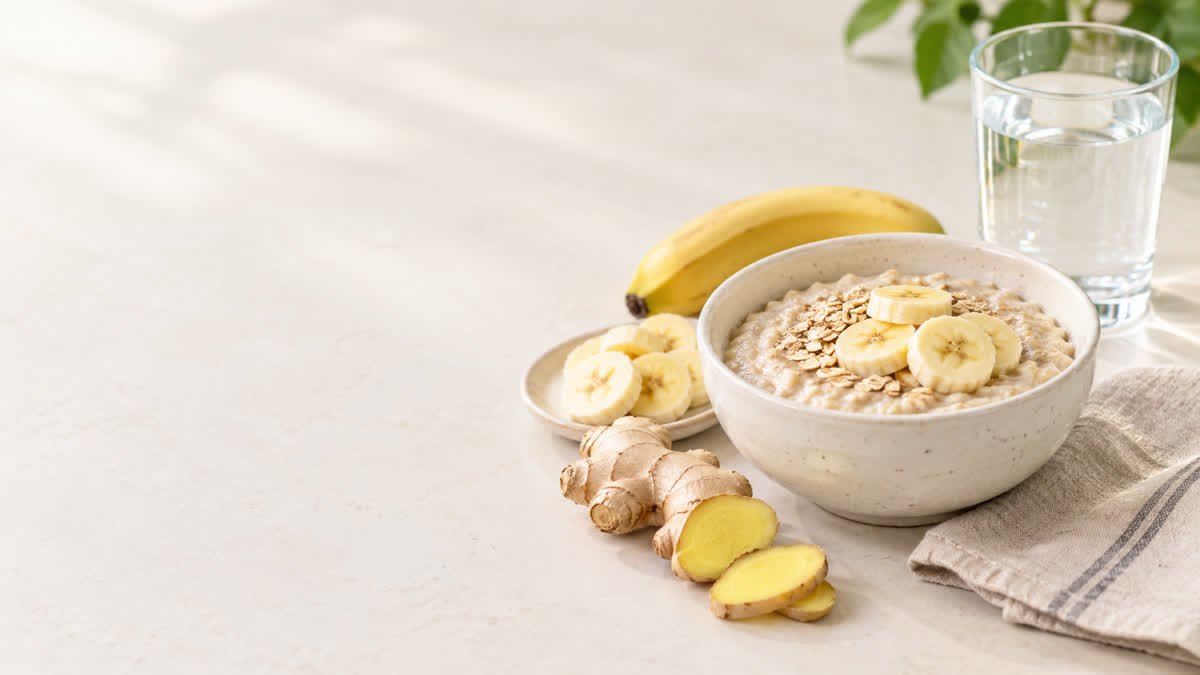
These foods do not cure reflux. A review of dietary therapy for GERD found that data for specific foods is variable and that broader patterns, such as more dietary fiber, less sugar, and changes to how you eat, may be more practical. Personal tolerance matters more than a rigid “acid reflux diet.” You can also read our article on bananas.
7. Maintain a Healthy Weight if Appropriate
The ACG gives its strongest recommendation to weight loss for people with overweight or obesity, to improve reflux symptoms. NIDDK likewise says a doctor may suggest it for people in this situation.
This does not mean everyone with reflux needs to lose weight. If it applies to you, gradual, sustainable changes are better than restrictive diets, and a clinician or registered dietitian can help. Our guide to weight management offers a starting point.
8. Consider Sugar-Free Chewing Gum After Meals
Chewing increases saliva and swallowing, which may help clear acid from the esophagus. In a small randomized study of 31 people with reflux symptoms, chewing sugar-free gum for half an hour after a meal reduced acid exposure.
Treat it as an optional extra. Skip mint flavors if mint is one of your triggers, since NIDDK lists mint among foods commonly linked to symptoms.
9. Try Gentle Ginger in Small Amounts
Ginger tea or small amounts of ginger in food are traditional digestive remedies. Harvard Health Publishing describes ginger as a long-used folk remedy for heartburn. Reliable clinical evidence that it treats acid reflux specifically is limited, and large amounts may worsen symptoms in some people.
10. Reduce Smoking and Alcohol Exposure
The ACG suggests avoiding tobacco products in people with reflux symptoms, and NIDDK lists alcohol among commonly linked triggers. Cutting back on either may help.
- Ask your clinician or pharmacist about support to quit smoking.
- Reduce or avoid alcohol if you notice it triggers symptoms.
- Remember that avoiding alcohol alone rarely resolves reflux.
11. Practice Relaxation and Manage Stress
The NHS notes that stress and anxiety can worsen heartburn symptoms in some people, and stress can also disrupt eating and sleep routines. Slow breathing, regular physical activity, and a consistent sleep schedule are reasonable ways to cope. Stress is not the sole cause of reflux, and relaxation does not treat underlying GERD. See our guides to reducing stress and improving sleep.
12. Keep a Food and Symptom Diary
A simple diary can show patterns that are hard to spot otherwise. For a few weeks, write down:
- Foods and drinks, with meal times and portion sizes
- When symptoms happen and how severe they are
- Your bedtime and sleep position
Bring the diary to your appointment if you decide to see a doctor. It can also help you judge which of the changes above are actually working.
Natural Remedies for Acid Reflux That May Not Work
“Natural” does not automatically mean effective or safe. Some popular remedies have weak evidence or come with downsides.
Does Apple Cider Vinegar Help Acid Reflux?
Reliable evidence that apple cider vinegar treats acid reflux is lacking. It is acidic, so it may irritate an already sensitive esophagus or throat. It is not a proven remedy, and there is no established safe daily dose for reflux.
Is Baking Soda Safe for Acid Reflux?
Baking soda (sodium bicarbonate) can neutralize stomach acid for a short time. It is also high in sodium and can cause side effects such as bloating or nausea. Do not use it routinely, and ask a clinician first if you have high blood pressure, kidney disease, a heart condition, or a sodium-restricted diet.
Does Milk Relieve Heartburn?
Milk may feel soothing for a short time, but it is not a dependable treatment. High-fat milk may worsen symptoms in some people, since fatty foods are common triggers.
Can Herbal Supplements Cure Acid Reflux?
No. Harvard Health notes that herbal products do not go through the same testing for safety or effectiveness as FDA-approved medications, so potency and purity can vary. It adds that for many herbal remedies there is little scientific evidence of effectiveness. Supplements can also interact with medicines, so check with a pharmacist or doctor first.
What to Eat and Drink When You Have Acid Reflux
Foods That May Be Easier on Your Stomach
- Oatmeal and whole grains
- Bananas, melons, and other non-citrus fruits
- Green vegetables
- Lean proteins such as fish, chicken, and tofu
- Water, according to thirst and your individual needs
Foods and Drinks That May Trigger Symptoms
Commonly reported triggers include fried and fatty foods, chocolate, caffeine, spicy foods, tomatoes, citrus, mint, carbonated drinks, and alcohol. Responses vary, so you may tolerate some of these without trouble. For more digestive background, see our overview of common digestive problems.
Sample Day of Eating for Acid Reflux
This is an illustration, not a prescribed diet. Adjust portions and foods to your own tolerance.
| Meal | Example |
|---|---|
| Breakfast | Oatmeal with banana |
| Lunch | Grilled chicken or tofu with vegetables and whole grains |
| Snack | Melon or another tolerated fruit |
| Dinner | Baked fish or beans with vegetables and rice, finished at least 3 hours before bed |
How to Relieve Acid Reflux Quickly at Home
Lifestyle changes work over time and may not stop an episode right away. If you have symptoms now, you can try this sequence:
- Sit upright instead of lying down.
- Loosen tight clothing around your waist.
- Avoid eating more while symptoms are active.
- Sip water if it feels comfortable. Water does not cure reflux, but it can be soothing.
- Consider an over-the-counter antacid or alginate. The NHS suggests asking a pharmacist, and you should follow the label.
If symptoms are frequent or severe, seek medical advice rather than repeatedly relying on home remedies. New, severe, or unexplained chest pain should never be assumed to be acid reflux.
When Should You See a Doctor for Acid Reflux?
Signs That Need Medical Attention
Arrange a medical assessment if you have:
- Heartburn most days for 3 weeks or more (NHS)
- Symptoms that disturb sleep or daily activities
- Difficulty or pain when swallowing, or food sticking in the throat or chest
- Persistent vomiting or unexplained weight loss
- Symptoms that do not improve with self-care or over-the-counter medicine
The ACG lists trouble swallowing, weight loss, and gastrointestinal bleeding as alarm symptoms that call for further evaluation, often with an endoscopy. Vomiting blood or passing black, tarry stools needs urgent medical care. Our guides on when to see a doctor for acid reflux and acid reflux treatment options explain what comes next, including medical treatments for acid reflux.
When Chest Pain Is an Emergency
Heart problems can cause chest discomfort that feels like heartburn. Mayo Clinic notes that some chest symptoms may be signs of a heart attack. Call 911 or your local emergency number for sudden or severe chest pain, especially with shortness of breath, sweating, dizziness, or pain spreading to the arm or jaw. See also when chest pain is an emergency.
Frequently Asked Questions
What Is the Best Natural Home Remedy for Acid Reflux?
There is no single best remedy for everyone. Smaller meals, leaving 2 to 3 hours before lying down, identifying trigger foods, and raising the head of your bed are reasonable starting points, and each is covered in clinical guidelines.
Can Acid Reflux Go Away Naturally?
Occasional reflux often settles with lifestyle changes. Persistent GERD may need medicine or other medical treatment, so see a clinician if symptoms continue, as NIDDK advises. Our article on whether acid reflux can go away on its own has more.
What Can I Drink to Help Acid Reflux?
Water is a reasonable choice for hydration. Tolerance of other drinks varies, and coffee, alcohol, and carbonated drinks are common triggers. No drink cures reflux.
Is Ginger Good for Acid Reflux?
Ginger is a traditional remedy, but reliable evidence for acid reflux specifically is limited. It may also aggravate symptoms in some people, particularly in large amounts. See Harvard Health for an overview of herbal options.
How Can I Stop Acid Reflux at Night?
Try to finish meals at least 3 hours before bed, raise the head of your bed with a wedge pillow or bed blocks, and consider sleeping on your left side. These steps are discussed in the ACG guideline and a review of nighttime reflux treatments. If nights are still disrupted after a few weeks, talk with your doctor.
Final Thoughts on Natural Home Remedies for Acid Reflux
Small, sustainable changes may help reduce acid reflux symptoms. Meal size and timing, head-of-bed elevation, and trigger awareness have the strongest support, while ginger, gum, and other extras are optional.
Everyone responds differently, so use a diary to learn what works for you. Persistent reflux deserves medical assessment, and home remedies should never replace treatment you need or prescribed medicine you take.
For more, explore our guides on whether acid reflux is serious and how acid reflux is diagnosed.
Sources
- NIDDK: Acid Reflux (GER & GERD) in Adults
- NIDDK: Symptoms & Causes of GER & GERD
- NIDDK: Eating, Diet, & Nutrition for GER & GERD
- American College of Gastroenterology: Clinical Guideline for the Diagnosis and Management of GERD
- NHS: Heartburn and acid reflux
- nidirect (UK): Heartburn and GORD
- Harvard Health Publishing: Herbal remedies for heartburn
- Mayo Clinic: GERD symptoms and causes
- Lifestyle intervention in GERD (Clin Gastroenterol Hepatol, 2016)
- Lifestyle intervention in GERD, full text (PMC)
- Head of bed elevation to relieve reflux symptoms: a systematic review
- RACGP HANDI: Elevating the head of the bed for GERD
- Systematic review: interventions for nocturnal reflux
- The role of diet in the development and management of GERD
- The effect of chewing sugar-free gum on gastro-esophageal reflux (J Dent Res, 2005)
Medical Disclaimer: This article is for general education only and is not medical advice. It cannot diagnose or treat any condition, and it may not apply to your situation. Talk with a doctor, pharmacist, or other qualified healthcare provider before changing your diet, starting a supplement, or stopping any medicine. If you think you are having a medical emergency, such as severe chest pain, call 911 or your local emergency number right away.