
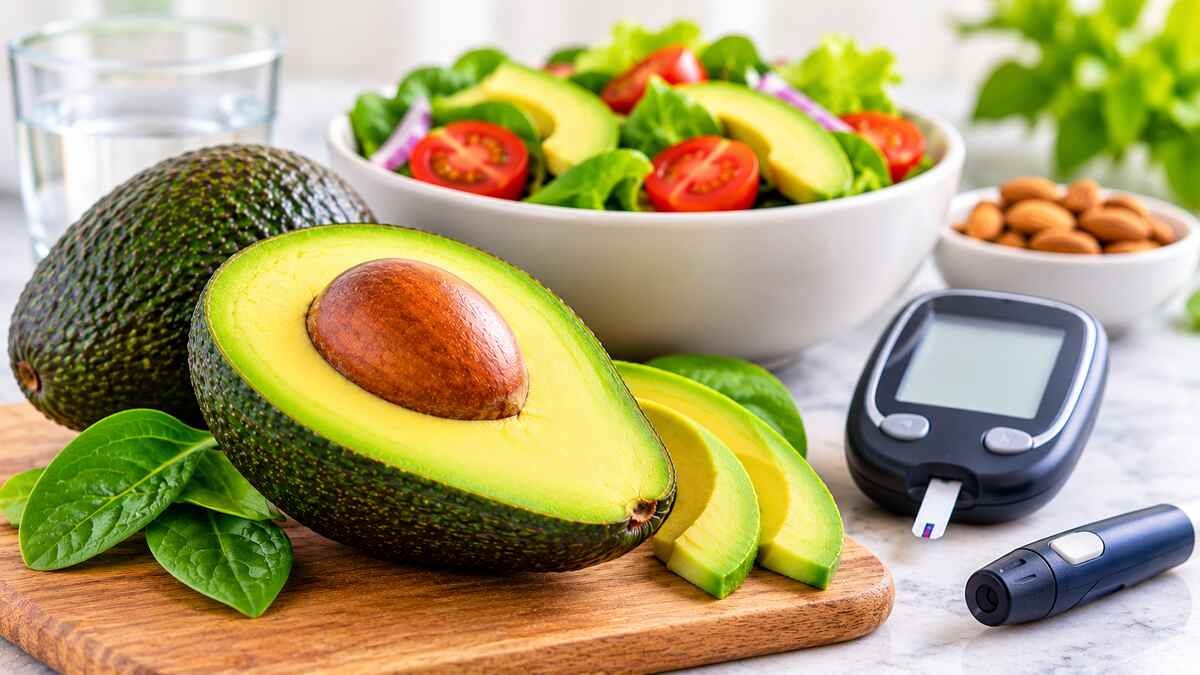

Can adding avocado to your daily meals help you manage type 2 diabetes? Many people ask this because avocado is often described as a “diabetes-friendly” food. It is a nutrient-rich fruit that provides fiber, monounsaturated fats, potassium, and several vitamins.
The short answer is yes, avocado can generally fit into a healthy eating plan for people with type 2 diabetes. It contains relatively little digestible carbohydrate, and its fiber and unsaturated fats can help build balanced meals. It does not independently treat or reverse diabetes, and portion size and overall diet quality still matter.
This guide explains avocado’s potential benefits, nutritional value, appropriate portions, possible risks, and practical ways to enjoy it. It draws on USDA FoodData Central, the American Diabetes Association, and published research. It offers general information, not individualized medical advice. For a closer look at glucose response, see our companion article on whether avocado lowers blood sugar.
Is Avocado Good for Type 2 Diabetes?
For most people with type 2 diabetes, avocado is a good food choice when eaten in sensible portions. It offers fiber and unsaturated fat with little digestible carbohydrate, which suits many diabetes-friendly eating patterns.
Why Avocado Can Be a Diabetes-Friendly Food
Several features explain avocado’s reputation:
- Low digestible carbohydrate: most of its carbohydrate is fiber.
- Dietary fiber: supports digestion and fullness.
- Monounsaturated fats: a healthier fat type than saturated fat.
- Nutrient density: potassium, folate, vitamin E, and vitamin K.
- Versatility: it works in breakfasts, salads, sandwiches, and bowls.
Our overview of the health benefits of avocado covers these nutrients in more depth.
Does Avocado Directly Lower Blood Sugar?
No. Avocado is not a blood glucose-lowering medication. Its limited digestible carbohydrate generally means a smaller immediate glucose response than many carbohydrate-rich foods.
Supporting a healthy dietary pattern is different from directly lowering blood glucose. Avocado does the first, not the second.
Can People With Type 2 Diabetes Eat Avocado Regularly?
Most people with type 2 diabetes can include avocado regularly. The right amount depends on calorie needs, portion size, and individual dietary goals. A registered dietitian or diabetes care team can help tailor this to you.
How Avocado May Support Blood Sugar Management
Three nutritional features explain why avocado works well in a diabetes-friendly diet.
Avocado Contains Few Digestible Carbohydrates
Avocado does contain carbohydrate, but much of it is fiber, which the body does not digest and absorb like starch or sugar. Digestible carbohydrate matters most for the rise in blood glucose after a meal. That is why avocado usually has a smaller effect than fruit such as bananas or mangoes.
Fiber Supports Digestive and Metabolic Health
Dietary fiber supports regular digestion, helps you feel full after meals, and is a feature of healthy dietary patterns. The National Institute of Diabetes and Digestive and Kidney Diseases encourages nutrient-dense, fiber-rich foods as part of eating with diabetes. Avocado’s fiber is helpful, but it does not guarantee a specific drop in blood glucose. See our list of high-fiber foods for digestive health.
Healthy Fats Can Influence Meal Responses
Avocado’s monounsaturated fat plays a role in balanced nutrition. Fat can slow stomach emptying and sometimes delay the glucose rise after a mixed meal. A delayed rise is not necessarily a lower overall response, so this should not be treated as a blood sugar fix. Learn more about healthy fats.
7 Potential Benefits of Avocado for Type 2 Diabetes
Most of these benefits are indirect. They depend on what avocado adds to a meal and what it replaces.
1. May Support Blood Sugar-Friendly Eating
Avocado adds fiber and unsaturated fat to meals. Combined with vegetables and protein, it can support a balanced plate. Our diabetes diet guide explains the basics.
2. Provides Fiber With Minimal Digestible Carbohydrates
People who count or monitor carbohydrates often find avocado useful. It contributes to digestive health and diet quality without adding much digestible carbohydrate.
3. Supports Cardiovascular Health
People with type 2 diabetes have a higher risk of heart disease, so heart-healthy eating matters. Replacing saturated-fat-rich ingredients with avocado may support healthier cholesterol levels, as the American Heart Association notes for unsaturated fats in general. A randomized trial found that a diet including one avocado a day lowered LDL cholesterol more than a comparison diet without avocado. See our guide to heart-healthy foods.
4. May Help Promote Satiety
Fat and fiber can contribute to fullness. Satiety does not automatically lead to weight loss or better glucose control, but it can make meal plans easier to follow.
5. Provides Essential Nutrients
Avocado supplies potassium, folate, vitamin E, and vitamin K. These nutrients support normal body functions, including fluid balance, cell growth, and blood clotting.
6. May Fit Into Weight-Management Diets
Avocado can be one part of a balanced weight-management approach. Because it is calorie-dense, portion control matters. See our guide to weight management.
7. Can Replace Less Nutritious Ingredients
Try avocado instead of butter on toast, instead of some mayonnaise in sandwiches, or instead of creamy, saturated-fat-rich dressings. Substitution is often more beneficial than adding avocado to meals without changing anything else.
Avocado Nutrition Facts for People With Diabetes
Avocado differs from many carbohydrate-rich fruits. It is higher in fat and fiber and lower in digestible carbohydrate. The values below are approximate for 100 grams of raw avocado, based on USDA FoodData Central.
| Nutrient | Amount per 100 g |
|---|---|
| Calories | 160 kcal |
| Total carbohydrates | 8.5 g |
| Dietary fiber | 6.7 g |
| Net carbohydrates (total minus fiber) | 1.8 g |
| Total fat | 14.7 g |
| Protein | 2 g |
| Potassium | 485 mg |
Does Avocado Have a Low Glycemic Index?
Avocado is generally considered a very low-glycemic food because it has so little digestible carbohydrate. It is unlikely to cause a large glucose spike when eaten alone.
A precise glycemic index number is less useful for avocado than its carbohydrate content. The overall meal matters more than one ingredient, including the starches and sugars you eat with it.
What Does Research Say About Avocado and Type 2 Diabetes?
Research is encouraging but not conclusive. Most findings come from observational studies, which show associations rather than cause and effect.
Research on Avocado and HbA1c
A 2023 analysis of up to 14,591 Hispanic/Latino adults in the Hispanic Community Health Study/Study of Latinos found that, among people with type 2 diabetes, higher avocado intake was associated with lower HbA1c and fasting glucose. The study was cross-sectional, so it cannot show that avocado caused these differences. See our explanation of the A1C test for background.
A related analysis of the same group found an association between avocado intake and lower rates of new type 2 diabetes. It is also observational.
Does Avocado Improve Insulin Sensitivity?
Controlled trials have not shown a clear benefit. A 12-week randomized trial of 93 adults with overweight or obesity and insulin resistance found only trends toward better HbA1c and fasting insulin. Another randomized trial of one fresh avocado daily found no improvement in insulin sensitivity or beta-cell function. Evidence is still developing, and avocado is not a treatment for insulin resistance.
Can Avocado Prevent or Reverse Diabetes?
Current evidence does not show that avocado prevents, reverses, or cures type 2 diabetes. Management involves individualized nutrition, physical activity, medication when prescribed, and regular monitoring. Our guide on how to prevent diabetes covers lifestyle approaches with stronger evidence.
How Much Avocado Should Someone With Type 2 Diabetes Eat?
There is no official avocado recommendation for people with diabetes. These are general ideas, not medical prescriptions.
Is Half an Avocado a Good Daily Portion?
Half a medium avocado is a practical serving for many people. Some people do well with a smaller portion, such as one-quarter to one-third. The right amount depends on calorie needs, meal composition, and your goals.
Can People With Diabetes Eat One Whole Avocado?
A whole avocado can fit some diets, but it has significantly more calories than a smaller portion. Our article on whether you can eat avocado every day discusses this in more detail.
Does Eating More Avocado Improve Blood Sugar More?
No established dose-response relationship shows that larger portions produce greater blood glucose reductions. Eating excessive amounts as a diabetes strategy is not recommended, since it mainly adds calories.
Best Ways to Eat Avocado for Type 2 Diabetes
Simple, balanced preparations work best.
Add Avocado to Whole-Grain Toast
Top whole-grain toast with mashed avocado and an egg or another protein source. The protein and fat make the meal more balanced than toast alone.
Pair Avocado With Vegetables
Add avocado to salads with leafy greens, tomatoes, and cucumbers. Our list of the best vegetables for diabetes offers more ideas.
Combine Avocado With Protein-Rich Foods
Try avocado with beans, lentils, fish, eggs, or chicken. See our guide to the health benefits of legumes for plant-based protein options.
Replace Less Healthy Fats
Use avocado in place of some butter, mayonnaise, or saturated-fat-rich spreads. This is one of the simplest ways to improve the fat quality of a meal.
Avoid Excessive Added Sugar and Calories
Avocado smoothies and desserts can become less suitable for blood sugar-conscious eating when they contain large amounts of sweeteners. Check labels and keep added sugars low.
Are There Any Risks of Eating Avocado With Diabetes?
For most people, risks are small. A few points deserve attention.
Avocado Is Calorie-Dense
Large portions can add excess calories. Over time, that may contribute to weight gain, which can make blood sugar harder to manage.
Digestive Discomfort
Some people notice bloating or gas, especially with larger portions, because of fiber and certain fermentable carbohydrates. Smaller portions are often better tolerated.
Potassium Considerations
Avocado is a good source of potassium. People with kidney disease, which can occur with diabetes, or those with a prescribed potassium limit should ask their healthcare professional about portions. The National Kidney Foundation explains potassium and kidney health.
Medication and Dietary Considerations
Avocado does not replace diabetes medication, and it should never be used to adjust insulin or other medicines on your own. People taking warfarin should keep their vitamin K intake consistent and discuss major diet changes with their provider. The CDC offers more diabetes resources.
Frequently Asked Questions About Avocado and Type 2 Diabetes
Is Avocado Good for Type 2 Diabetes?
Yes, avocado can be part of a balanced diabetes-friendly diet. It contains fiber, healthy fats, and relatively few digestible carbohydrates. It does not independently treat diabetes.
Can Diabetics Eat Avocado Every Day?
Most people with diabetes can eat avocado regularly. Portion size and overall calorie intake should reflect individual nutritional needs.
Does Avocado Lower Blood Sugar Quickly?
No. Avocado is not a fast-acting blood glucose-lowering food or medication.
Is Avocado Better Than Banana for Diabetes?
Avocado generally has much less digestible carbohydrate than banana, so its immediate glucose effect is usually smaller. Both can fit into a balanced diet. See our guide to the health benefits of bananas.
Does Avocado Help Reduce Insulin Resistance?
Some observational research links avocado intake to better glucose regulation, but current evidence does not establish avocado as a treatment for insulin resistance. A randomized trial in adults with insulin resistance found only trends in some measures.
Can Avocado Help Lower HbA1c?
Some observational studies link avocado consumption to lower HbA1c in people with type 2 diabetes, as in the HCHS/SOL analysis. More controlled research is needed to know whether avocado itself causes this effect.
The Bottom Line
Avocado can generally fit into a diabetes-friendly eating pattern. It provides fiber, healthy fats, and important nutrients, and its low digestible carbohydrate content makes it a useful meal ingredient. Some research suggests associations with better glucose regulation in people with type 2 diabetes, but avocado does not cure, reverse, or independently treat diabetes.
Portion size and your overall dietary pattern remain important. Enjoy avocado as part of balanced meals, ideally replacing less nutritious ingredients rather than adding excess calories. For more food ideas, see our guide to the best nuts for type 2 diabetes.
Sources
- U.S. Department of Agriculture. FoodData Central.
- American Diabetes Association. Food and Nutrition.
- National Institute of Diabetes and Digestive and Kidney Diseases. Diet, Eating, and Physical Activity.
- Centers for Disease Control and Prevention. Diabetes.
- American Heart Association. Saturated Fats.
- NIH Office of Dietary Supplements. Potassium and Vitamin K fact sheets.
- National Kidney Foundation. Potassium and Your CKD Diet.
- Senn MK, et al. Associations between avocado intake and measures of glucose and insulin homeostasis in Hispanic individuals with and without type 2 diabetes (HCHS/SOL). Nutrition, Metabolism and Cardiovascular Diseases, 2023.
- Wood AC, et al. Associations between Avocado Intake and Lower Rates of Incident Type 2 Diabetes in US Adults with Hispanic/Latino Ancestry. Journal of Diabetes Mellitus, 2023.
- Zhang X, et al. Avocado Consumption for 12 Weeks and Cardiometabolic Risk Factors. Journal of Nutrition, 2022.
- Khan NA, et al. Avocado Consumption, Abdominal Adiposity, and Oral Glucose Tolerance Among Persons with Overweight and Obesity. Journal of Nutrition, 2021.
- Wang L, et al. Effect of a Moderate Fat Diet With and Without Avocados on Lipoprotein Particle Number, Size and Subclasses. Journal of the American Heart Association, 2015.
Medical Disclaimer: This article is for general educational purposes only and is not medical advice. It does not replace the guidance of your doctor, pharmacist, or registered dietitian. Talk with a qualified healthcare professional before changing your diet or diabetes treatment, especially if you take insulin or other glucose-lowering medication. If you think you are having a medical emergency, call 911 or your local emergency number right away.