
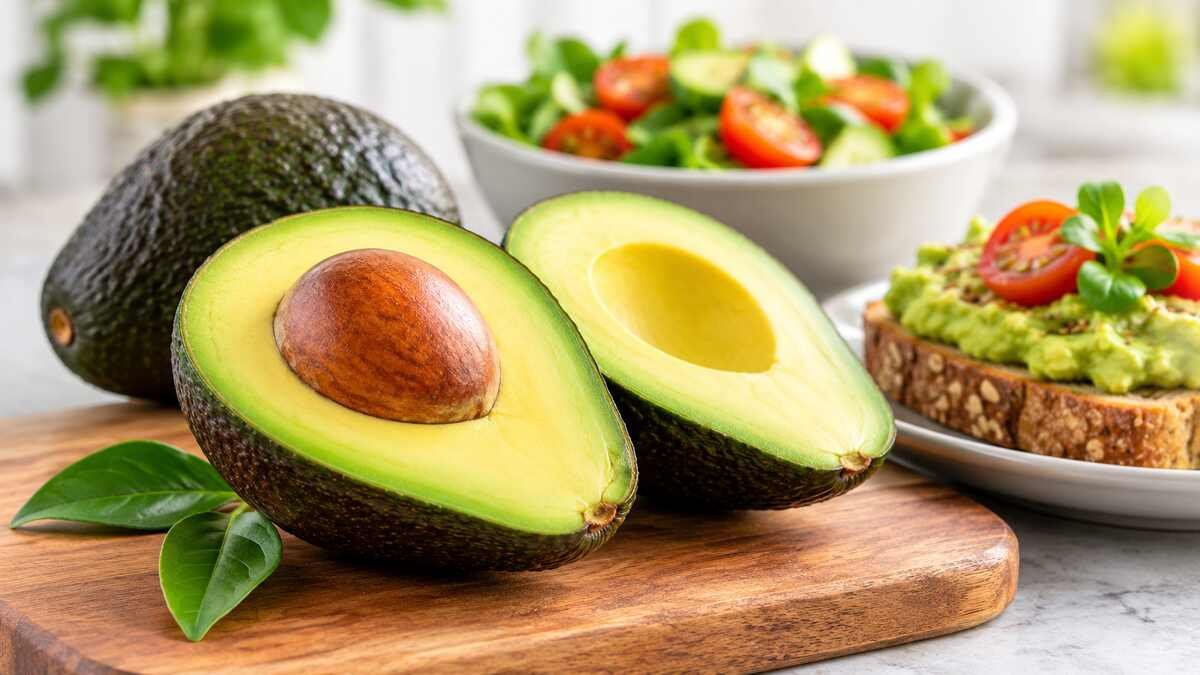

Is eating avocado every morning actually healthy, or can too much avocado be a problem? It is a fair question. Avocado has moved from a specialty ingredient to an everyday staple on toast, in salads, in smoothies, and in grain bowls, largely because of its healthy fats, fiber, and nutrient content.
The short answer is that most healthy adults can enjoy avocado every day. Avocado provides monounsaturated fats and fiber, along with nutrients such as potassium, folate, and vitamin K. Portion size, total calorie intake, and variety across your diet still matter, because avocado is calorie-dense. Eating it daily is also not required to maintain good health.
This guide explains what happens when you eat avocado daily, the potential benefits, the possible downsides, and how much is reasonable for most people. It draws on data from USDA FoodData Central, the American Heart Association, the NIH Office of Dietary Supplements, and peer-reviewed research. It offers general information, not individualized medical advice.
Can You Eat Avocado Every Day?
Yes, most healthy adults can eat avocado every day as part of a balanced diet. The key is a sensible portion that fits your overall calorie needs and eating pattern.
Is Daily Avocado Consumption Safe for Most People?
Avocado is generally safe for healthy adults when eaten in reasonable portions. It is a nutrient-dense fruit, and most of its fat is monounsaturated. It also fits into many eating patterns, including the Mediterranean diet and other plans built around whole foods.
A few groups need extra care, including people with an avocado or latex allergy, people with kidney disease, and people taking warfarin. These situations are covered in the side effects section below.
Does Eating Avocado Every Day Have Any Special Benefits?
Eating avocado regularly may improve the overall quality of your diet, but there is no guarantee of a specific health outcome from daily consumption. Research on avocado is promising in some areas and still limited in others.
Substitution matters more than addition. Using avocado in place of butter or other foods high in saturated fat is likely to be more helpful than adding avocado on top of an already calorie-rich diet. For a broader overview, see our guide to the health benefits of avocado.
What Happens When You Eat Avocado Every Day?
Eating avocado regularly changes your diet in modest, practical ways. The effects depend on what the avocado replaces and on the rest of your meals.
You Get More Healthy Unsaturated Fats
Avocado is rich in monounsaturated fat, particularly oleic acid. The American Heart Association notes that replacing saturated fat with unsaturated fat can support healthier cholesterol levels and heart health. You can read more about healthy fats in our nutrition guide.
You Increase Your Fiber Intake
Avocado contributes dietary fiber, which supports regular bowel movements, normal digestive function, and a feeling of fullness. Fiber also feeds beneficial gut bacteria. If you are looking for more options, see our list of high-fiber foods for digestive health.
You Add More Nutrients to Your Diet
Avocado supplies several nutrients that support normal body function:
- Potassium: helps with fluid balance, nerve signaling, and muscle function.
- Folate: needed for making DNA and new cells.
- Vitamin K: involved in blood clotting and bone health.
- Vitamin E: a fat-soluble antioxidant nutrient.
- Vitamin C: supports immune function and collagen formation.
- Vitamin B6: involved in protein metabolism and brain function.
The NIH Office of Dietary Supplements provides detailed fact sheets on these nutrients.
You May Feel Fuller After Meals
Fat and fiber can both slow digestion and increase satiety. That can make meals feel more satisfying. Feeling full does not automatically lead to weight loss, though, because total calorie intake still plays a major role.
7 Potential Health Benefits of Eating Avocado Every Day
Most of the evidence below comes from observational studies and short clinical trials. These can show associations and short-term effects, but they cannot prove that avocado alone causes a health outcome.
1. Supports Heart Health
A large prospective study in the Journal of the American Heart Association followed more than 100,000 U.S. adults for up to 30 years. People who ate at least two servings of avocado per week had a lower risk of cardiovascular disease than those who rarely or never ate it. The same study estimated that swapping half a serving of avocado per day for foods such as butter, cheese, or processed meat was associated with a lower risk.
This is an association, not proof of cause and effect. Avocado does not prevent heart attacks or cure heart disease. For more ideas, see our list of heart-healthy foods.
2. May Help Support Healthy Cholesterol Levels
A randomized clinical trial found that a moderate-fat diet including one avocado a day lowered LDL cholesterol more than a comparison diet with similar fat content but no avocado. Replacing saturated-fat-rich foods with avocado is the most likely route to this effect.
Improving a risk factor is not the same as preventing a disease. To learn more about the numbers, see LDL vs. HDL cholesterol and our overview of high cholesterol.
3. Supports Digestive Health
The fiber in avocado supports bowel regularity and normal digestion, and it may contribute to a healthier gut environment. Some people notice bloating or discomfort with larger portions, so it can help to start small. Our guide on how to improve gut health offers more context.
4. May Help You Feel Satisfied After Eating
The combination of fat and fiber can make meals more satisfying, especially when avocado is paired with protein-rich foods and vegetables. This does not mean avocado suppresses appetite or burns fat. It is simply one tool for building meals that keep you comfortably full.
5. Helps Improve Overall Diet Quality
Avocado provides nutrients that many Americans do not get enough of, including fiber and potassium. It works well in vegetable salads, whole-grain meals, bean dishes, and balanced breakfasts. Variety still matters, so avocado should sit alongside many other fruits and vegetables. Our guide to how to eat more vegetables can help.
6. Provides Antioxidant Nutrients
Avocado contains vitamin E, vitamin C, and carotenoids such as lutein. These compounds contribute to the body’s normal antioxidant defenses and cell function. They do not “detox” the body or reverse aging. Learn more in our article on what antioxidants are.
7. Supports Nutrient Absorption From Vegetables
Carotenoids are fat-soluble, so they are absorbed better when eaten with some fat. Research on nutrient bioavailability is one of the most common topics in the 2025 avocado scoping review. Adding avocado to a salad with carrots, spinach, or tomatoes is a simple way to put this into practice.
Avocado Nutrition Facts: What Is in One Avocado?
Avocado is an unusual fruit. Compared with most fruits, it is lower in sugar and much higher in fat, most of which is unsaturated. The values below are approximate for 100 grams of raw avocado, based on USDA FoodData Central.
| Nutrient | Amount per 100 g |
|---|---|
| Calories | 160 kcal |
| Total fat | 14.7 g |
| Carbohydrates | 8.5 g |
| Dietary fiber | 6.7 g |
| Protein | 2 g |
| Potassium | 485 mg |
| Vitamin C | 10 mg |
| Folate | 81 mcg |
Fiber is one of avocado’s most valuable features. Avocado is not a major protein source, so pair it with beans, eggs, fish, or other protein foods. Its calorie density makes portion awareness useful. A medium avocado provides roughly 300 calories or more, depending on its size.
How Much Avocado Should You Eat Every Day?
There is no official daily recommendation for avocado. The right amount depends on your calorie needs, preferences, and the other foods you eat.
Is Half an Avocado a Day a Good Amount?
For many people, one-third to one-half of a medium avocado is a practical serving. One-third of a medium avocado (about 50 grams) provides roughly 80 calories and about 3 grams of fiber, according to the 2025 scoping review.
Can You Eat One Whole Avocado Every Day?
One whole avocado can fit some people’s needs, but it adds considerably more calories than a smaller portion. Whether it works for you depends on your energy needs, activity level, food preferences, and other fat sources in your diet, such as nuts, oils, and cheese. Our guide to how many nuts you should eat every day uses the same portion-awareness approach.
What Is the Best Portion for Your Goals?
These examples are general ideas, not medical prescriptions.
| Goal | Practical Guidance |
|---|---|
| General healthy eating | Include a moderate portion with meals |
| Weight management | Consider smaller portions and food substitution |
| Increasing fiber intake | Pair avocado with other fiber-rich foods |
| Heart-healthy eating | Use avocado instead of saturated-fat-rich ingredients |
Are There Any Side Effects of Eating Avocado Every Day?
For most people, side effects are mild or absent. A few situations deserve attention.
Extra Calories May Add Up
Avocado is nutritious but calorie-dense. Eating large amounts on top of your usual diet can raise your total calorie intake, which may lead to gradual weight gain over time.
Bloating or Digestive Discomfort
The fiber and some fermentable carbohydrates in avocado can cause gas or bloating in sensitive people. Smaller portions are often better tolerated. If symptoms are frequent or severe, talk with a healthcare professional.
Avocado Allergy
Avocado allergy is uncommon but possible. Some people with a latex allergy may also react to avocado, a pattern sometimes called latex-fruit syndrome. Seek urgent medical care for severe symptoms such as trouble breathing, swelling of the lips or throat, or dizziness after eating.
Potassium Considerations for Kidney Disease
Avocado is a good source of potassium. People with advanced kidney disease or a prescribed potassium limit should ask their healthcare professional or a renal dietitian about suitable portions. The National Kidney Foundation offers background on potassium and kidney health.
Vitamin K and Warfarin
Avocado contains vitamin K, which can interact with warfarin. People taking warfarin generally need a consistent vitamin K intake rather than strict avoidance of vitamin-K-containing foods. Talk with your healthcare provider before making significant changes to your diet.
Does Eating Avocado Every Day Help With Weight Loss?
Avocado can fit into a weight-management diet, but it is not a weight-loss food by itself. Its fat and fiber may promote fullness, which can make it easier to stick with a calorie-conscious eating plan. Avocado does not directly burn belly fat.
The 2025 scoping review notes that two meta-analyses found minimal effects of avocado intake on body weight or body composition. Weight change depends on overall energy balance and long-term habits. Because avocado is calorie-dense, portion size matters.
The most useful approach is to replace calorie-dense or saturated-fat-rich ingredients, such as mayonnaise or butter, with avocado rather than adding it without changing the rest of the meal. For broader strategies, see our guide to weight management.
Healthy Ways to Eat Avocado Every Day
The best preparations are simple and use whole or minimally processed avocado, rather than heavily salted or calorie-rich versions.
Add Avocado to Whole-Grain Toast
Mash avocado onto whole-grain toast and top it with sliced tomato, an egg, or black pepper. It makes a filling breakfast with fiber, fat, and protein.
Mix It Into Salads
Avocado adds creaminess to salads and helps your body absorb fat-soluble nutrients from vegetables. Try it with leafy greens, tomatoes, and carrots.
Pair Avocado With Beans and Lentils
Add avocado to bean bowls, wraps, or lentil salads. This pairing adds protein and fiber to a balanced lunch. Our guide to the health benefits of legumes has more ideas.
Replace Butter or Mayonnaise
Spread mashed avocado on sandwiches instead of butter or mayonnaise. This is a simple way to reduce saturated fat while keeping meals satisfying.
Add a Small Amount to Smoothies
A small piece of avocado gives smoothies a creamy texture without added sugar. Start with a few spoonfuls and adjust to taste.
Frequently Asked Questions About Eating Avocado Every Day
Is It Healthy to Eat Avocado Every Day?
Yes, for most healthy adults, avocado can be part of a balanced diet when portions fit their nutritional needs. Its unsaturated fats, fiber, and micronutrients make it a nutritious choice.
What Happens if You Eat One Avocado Every Day?
You increase your intake of unsaturated fats, fiber, and several nutrients. A whole avocado also adds substantial calories, so the overall effect depends on the rest of your diet.
Is Half an Avocado a Day Enough?
Half an avocado provides useful amounts of fiber and healthy fats. It is a practical portion, although there is no official daily avocado requirement.
Can Avocado Help Lower Cholesterol?
Avocado may support healthier LDL cholesterol when it replaces foods high in saturated fat, as seen in a randomized clinical trial. Your overall dietary pattern remains important.
Is Avocado Good for Your Gut?
Avocado provides fiber that supports digestive health. Some people may have bloating or discomfort, particularly with larger portions.
Is Avocado Better Than Other Fruits?
Avocado has a different profile from most fruits, with more fat and less sugar. It complements other fruits rather than replacing the need for variety.
The Bottom Line
Most people can safely enjoy avocado every day. It provides healthy unsaturated fats, fiber, and important nutrients, and moderate portions fit well into a balanced diet. Large portions may add unnecessary calories, and certain medical conditions or medications, such as kidney disease or warfarin use, may call for individualized advice.
Eating avocado daily is not essential for good health. The best approach is to enjoy it as part of a varied diet, ideally replacing less nutritious ingredients instead of treating it as an extra superfood. For more ideas, explore our guide to what a balanced diet looks like.
Sources
- U.S. Department of Agriculture. FoodData Central.
- Pacheco LS, et al. Avocado Consumption and Risk of Cardiovascular Disease in US Adults. Journal of the American Heart Association, 2022.
- Wang L, et al. Effect of a Moderate Fat Diet With and Without Avocados on Lipoprotein Particle Number, Size and Subclasses. Journal of the American Heart Association, 2015.
- Fleming SA, et al. Exploring avocado consumption and health: a scoping review and evidence map. Frontiers in Nutrition, 2025. Note: some authors are affiliated with the Avocado Nutrition Center.
- American Heart Association. Saturated Fats.
- NIH Office of Dietary Supplements. Potassium, Vitamin K, and Folate fact sheets.
- National Kidney Foundation. Potassium and Your CKD Diet.
- MedlinePlus. Latex Allergy.
Medical Disclaimer: This article is for general educational purposes only and is not medical advice. It does not replace the guidance of your doctor, pharmacist, or registered dietitian. Talk with a qualified healthcare professional before changing your diet, especially if you have a medical condition, take medication, or have food allergies.
3 thoughts on “Can You Eat Avocado Every Day? Benefits, Risks & How Much to Eat”
Comments are closed.