
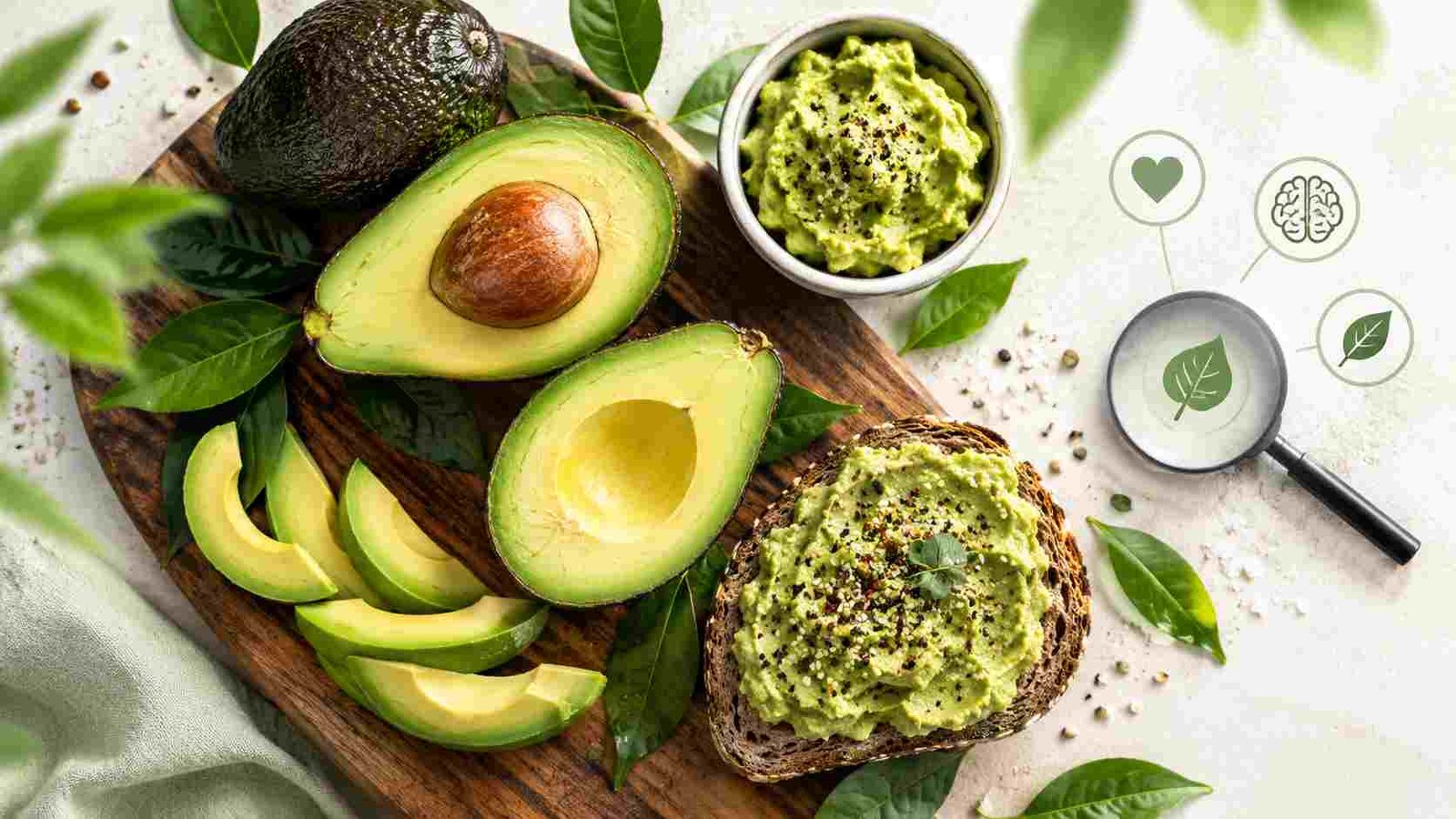

Avocado is a nutrient-dense fruit rich in monounsaturated fat, fiber, potassium, and several vitamins and plant compounds. Research has examined its potential role in heart health, cholesterol, fullness, digestion, and overall diet quality. Many of the health benefits of avocado come from this unusual nutrient mix, since most fruits contain very little fat.
Still, no single food guarantees better health or prevents disease. Avocado can contribute to a healthy dietary pattern, and its value often depends on what it replaces on your plate. Swapping avocado for butter or mayonnaise is a very different choice than adding it on top of an already calorie-heavy meal.
This guide explains what the science says about eating avocado regularly, and where the evidence is limited. You will find the nutrition basics, seven potential benefits, portion guidance, practical serving ideas, and possible downsides. It is general nutrition information, not personal medical advice.
Avocado Nutrition at a Glance
Avocado is unusual among fruits because it is relatively low in sugar and rich in fat, most of it monounsaturated. According to the USDA FoodData Central database, 100 grams of raw avocado (a little under half of a medium fruit) provides roughly 160 calories, about 7 grams of fiber, and around 485 milligrams of potassium. Exact amounts vary by variety, size, and ripeness.
The table below summarizes the main nutrients and why they matter.
| Nutrient | Why It Matters |
|---|---|
| Monounsaturated fat | Supports a heart-healthy dietary pattern when it replaces saturated fat |
| Fiber | Supports digestive health and fullness |
| Potassium | Important for normal nerve, muscle, and fluid balance |
| Folate | Supports cell division and normal tissue development |
| Vitamin K | Important for normal blood clotting and bone health |
| Vitamin E | Functions as an antioxidant |
| Vitamin C | Supports immune function and collagen formation |
| Carotenoids | Plant compounds with antioxidant functions |
The NIH Office of Dietary Supplements offers detailed fact sheets on folate, vitamin K, vitamin E, and vitamin C if you want to learn more about each nutrient. Avocado is also a good example of the nutrient-dense foods that deliver a lot of nutrition for the calories they provide.
7 Science-Backed Health Benefits of Avocado
The benefits below are described with care. Some come from strong nutrition science, such as the role of fiber and potassium. Others come from studies that are smaller or shorter, and we note where that is the case.
1. Avocado May Support Heart Health
Heart health is the area where avocado has been studied most. Avocado provides monounsaturated fat, potassium, and fiber, three nutrients that fit well into a heart-healthy eating pattern. The American Heart Association notes that replacing saturated fats with unsaturated fats can help improve blood cholesterol levels.
Research has also looked at avocado directly. In a controlled feeding study published in the Journal of the American Heart Association, adults with overweight or obesity who ate a moderate-fat diet including one avocado per day had lower LDL cholesterol than when they ate comparable diets without avocado.
This does not mean avocado prevents heart disease. A more accurate takeaway is that replacing some foods high in saturated fat with avocado may help improve cardiovascular risk factors such as LDL cholesterol, as part of an overall healthy diet. For a broader view of risk and prevention, see our guides to heart disease and heart-healthy foods.
2. Avocado May Help Support Healthy Cholesterol Levels
Cholesterol deserves its own look because the benefit depends on the swap, not just the food. LDL cholesterol, often called “bad” cholesterol, is one of the main blood markers doctors use to estimate cardiovascular risk. You can read more about how these numbers work in our article on LDL vs. HDL cholesterol.
Monounsaturated fat and fiber are the two nutrients most often credited for avocado’s possible effect on blood lipids. When avocado replaces butter, cheese, or processed meats, the diet may contain less saturated fat and more unsaturated fat.
So the potential benefit is not simply that avocado lowers cholesterol. It may depend on what avocado replaces in the diet. Adding avocado to an otherwise unchanged diet may not have the same effect. If you have high cholesterol, our overview of high cholesterol explains when medical guidance matters.
3. Avocado Provides Fiber for Digestive Health
Avocado is a good source of dietary fiber, containing both soluble and insoluble types. Soluble fiber dissolves in water and can help slow digestion, while insoluble fiber adds bulk and supports regular bowel movements. Fiber also feeds beneficial gut bacteria, which supports a healthy gut environment.
The Dietary Guidelines for Americans note that most Americans do not get enough fiber, and they suggest roughly 14 grams of fiber per 1,000 calories. Including avocado can help, but it works best alongside beans, whole grains, vegetables, and other fruits. See our list of other high-fiber foods for more ideas.
It helps to be specific about what the fiber comes from. Whole avocado provides fiber along with healthy fats, but avocado-flavored chips, dressings, or snacks may contain little actual avocado. And avocado does not “cleanse” the gut; it simply contributes fiber to an overall diet that supports normal digestion.
4. Avocado May Help With Fullness and Weight Management
Fat and fiber can both contribute to feeling full after a meal. Some small studies have examined whether adding avocado to a meal changes hunger or fullness ratings, and some report modest increases in satisfaction. Results are not consistent across studies, and many are short term.
Avocado is also calorie-dense. Adding it on top of an already high-calorie diet is not automatically helpful for weight loss, and eating large portions regularly can add up. Substitution is what matters: using avocado in place of a higher-calorie spread or a more processed ingredient is the more useful strategy.
Avocado can fit into a weight-management diet because its fat and fiber may help with fullness, but portion size and total calorie intake still matter. It does not burn fat or cause weight loss on its own. For more, see our guide to weight management.
5. Avocado Is a Good Source of Potassium
Potassium is an electrolyte involved in normal muscle contraction, nerve signaling, and fluid balance. Diets rich in potassium from foods are also associated with healthier blood pressure, according to the NIH Office of Dietary Supplements. The same source notes that many Americans fall short of recommended potassium intakes.
Avocado is one of many potassium-rich foods, along with beans, potatoes, leafy greens, yogurt, and fruits like bananas and oranges. Eating a variety of these foods does more for overall potassium intake than relying on any single one.
Eating avocado alone will not lower blood pressure. Blood pressure depends on many factors, including sodium intake, body weight, physical activity, medications, and genetics. Our articles on high blood pressure and how to lower blood pressure cover the bigger picture. People with kidney disease or those who take certain blood pressure medications may need to limit potassium, so ask your healthcare provider before making major changes.
6. Avocado Provides Antioxidants and Plant Compounds
Avocado contains vitamin E, vitamin C, carotenoids such as lutein, and other plant compounds including polyphenols. An antioxidant is a substance that can neutralize unstable molecules called free radicals in the lab and in the body. This is a normal part of how cells protect themselves.
The science on antioxidant foods is more nuanced than “more is better.” Eating antioxidant-rich whole foods is associated with good health, but high-dose antioxidant supplements have not shown the same benefit in many studies. And avocado is not a “detox” food; your liver and kidneys handle that job.
If you want to dig deeper, read about how antioxidants work and which foods provide them, or browse our list of antioxidant-rich foods.
7. Avocado Can Improve the Nutritional Quality of Meals
Avocado is useful not only for its own nutrients but also for what it can replace. It is creamy and mild, which makes it a practical swap for less nutritious ingredients. Small substitutions like these, repeated over time, may improve the overall quality of your diet.
Here are some simple examples:
- Avocado instead of butter on toast
- Avocado instead of mayonnaise in sandwiches
- Avocado added to salads to help you absorb fat-soluble nutrients from the vegetables
- Avocado paired with beans or whole grains
- Avocado as a creamy base for dips and dressings
This is where avocado fits best: as one flexible ingredient in a balanced eating pattern, not a standalone fix. Our guide to healthy fats explains other foods rich in healthy unsaturated fats, such as nuts, seeds, olive oil, and fatty fish.
Can You Eat Avocado Every Day?
For most people, avocado can be included regularly, even daily, as part of a varied, balanced diet. There is no requirement to eat avocado every day, and skipping it does not mean your diet is lacking. Many other foods provide similar nutrients.
A few factors determine whether daily avocado makes sense for you:
- Portion size: Half an avocado is very different from two whole avocados.
- Total calorie needs: Avocado adds calories, so it should fit your overall intake.
- Dietary variety: Rotating fruits, vegetables, nuts, and other healthy fats gives you a wider range of nutrients.
- Individual health conditions: Some medical conditions or medications call for individualized advice.
- What avocado replaces: Replacing butter or processed meats has different effects than adding extra food.
The health value of avocado depends partly on what the rest of your diet looks like. A healthy diet is a pattern, not a collection of single “superfoods.”
How Much Avocado Should You Eat?
There is no official daily recommendation for avocado, and no universal medical dose. Dietary guidance focuses on food groups and overall patterns, and avocado counts as a fruit in the Dietary Guidelines for Americans food groups. Fats and oils are considered separately.
For many meals, about one-third to one-half of a medium avocado is a practical portion, though your needs may be higher or lower. People who are watching their calorie intake should remember that avocado is nutrient-dense but also calorie-dense. A dietitian can help you decide on portions that fit your goals and health conditions.
Best Ways to Eat Avocado
The best way to eat avocado is whole or minimally processed, paired with other nutritious foods. Here are some practical ideas.
Add Avocado to Whole-Grain Toast
Mash it on whole-grain bread with lemon juice, black pepper, and a pinch of salt. Top with an egg or tomato slices for a balanced breakfast.
Add It to Salads
Sliced or cubed avocado adds creaminess and healthy fat to leafy green salads. The fat may also help your body absorb fat-soluble nutrients from the vegetables.
Pair It With Beans and Legumes
Avocado works well in bean bowls, tacos, and burrito bowls. The combination increases fiber and plant protein.
Use It Instead of Butter or Mayonnaise
Spread avocado on sandwiches and wraps instead of mayonnaise, or use mashed avocado in place of butter on toast or baked potatoes.
Add It to Eggs
Sliced avocado alongside scrambled or poached eggs makes a filling breakfast. Pair it with sautéed vegetables for extra fiber.
Blend It Into Smoothies
A small amount of avocado adds a creamy texture to smoothies without much flavor. Balance it with fruit, leafy greens, and a protein source.
Make Guacamole With Vegetables
Homemade guacamole with onion, tomato, cilantro, and lime is a good option. Its nutrition depends on the ingredients, so watch the salt and pair it with vegetable sticks or whole-grain chips rather than only fried chips.
Is Avocado Better Than Other Fruits?
Avocado is technically a fruit, but it is nutritionally different from most others. It is relatively high in fat and low in sugar, while many fruits are the opposite. Neither profile is better in every situation.
Berries and citrus fruits provide different plant compounds and more vitamin C. Bananas also provide potassium but have a very different macronutrient profile. There is no single “healthiest fruit,” and eating a variety is the best approach.
Avocado isn’t necessarily better than other fruits. It is simply nutritionally different, and it complements them well. For more ideas, see our list of the healthiest foods to eat every day.
Are There Any Downsides to Eating Avocado?
For most people, avocado is a safe and nutritious food. A few considerations are worth knowing, and none of them should cause alarm.
Calorie density. Avocado has more calories per serving than most fruits because of its fat content. This matters mainly if you eat large portions or add it on top of an already high-calorie diet.
Digestive effects. The fiber and certain fermentable carbohydrates in avocado may cause bloating or digestive discomfort in some people, especially those with sensitive digestion. Starting with smaller portions can help.
Allergy. Avocado allergy is uncommon but possible. Some people with a latex allergy may also react to avocado, a pattern sometimes called latex-fruit syndrome. Seek medical care right away for symptoms such as hives, swelling, or trouble breathing.
Medication and medical considerations. Avocado contains vitamin K and potassium. People who take blood thinners such as warfarin, or who follow a potassium-restricted diet for kidney disease, should ask their healthcare provider about appropriate amounts.
Portion size. The fats are mostly unsaturated, but calories still count. Large amounts can add up quickly.
Frequently Asked Questions
What are the main health benefits of avocado?
Avocado provides monounsaturated fat, fiber, potassium, and several vitamins and plant compounds. Research suggests it may support heart health, healthy cholesterol levels, digestion, and fullness when it is part of a balanced diet. No single food guarantees better health, and benefits depend on the overall dietary pattern.
Is it healthy to eat avocado every day?
For most people, yes, as long as portions fit their calorie needs and the rest of their diet is varied. There is no requirement to eat avocado every day. If you have a medical condition or take certain medications, ask your healthcare provider.
Is avocado good for your heart?
Avocado may support heart health when it replaces foods high in saturated fat, because it provides unsaturated fat, fiber, and potassium. A controlled feeding study found lower LDL cholesterol with an avocado-containing diet. It does not prevent heart disease on its own.
Does avocado lower cholesterol?
Avocado may help lower LDL cholesterol, but the effect likely depends on what it replaces in the diet. Swapping it for butter or processed meats is more likely to help than simply adding it. The American Heart Association notes that replacing saturated fat with unsaturated fat can improve cholesterol levels.
Is avocado good for digestion?
Avocado contains both soluble and insoluble fiber, which supports normal bowel function and a healthy gut environment. It works best alongside other fiber-rich foods and plenty of fluids. Some people may feel bloated if they eat large amounts.
Does avocado help with weight loss?
Avocado’s fat and fiber may help you feel full, but it does not cause weight loss by itself. It is calorie-dense, so portion size and total calorie intake still matter. It works best as a substitute for less nutritious ingredients.
Is avocado high in calories?
Avocado is higher in calories than most fruits. According to USDA data, 100 grams of raw avocado provides roughly 160 calories. Most of those calories come from healthy unsaturated fat, but portions still matter.
Is avocado a fruit or a vegetable?
Botanically, avocado is a fruit, specifically a large single-seeded berry. In cooking it is often used like a vegetable. Dietary guidance classifies it with fruits.
How much avocado should you eat a day?
There is no official daily amount. Many people use about one-third to one-half of a medium avocado per meal, adjusting for calorie needs and preferences. A registered dietitian can help personalize portions.
What is the healthiest way to eat avocado?
Eating avocado whole or lightly mashed, paired with vegetables, beans, whole grains, or eggs, is a healthy approach. Use it in place of butter or mayonnaise when possible. Watch the added salt and extras in packaged guacamole and avocado-flavored products.
The Bottom Line
Avocado is a nutrient-dense fruit whose main strengths are monounsaturated fat, fiber, and potassium. It can contribute to heart-healthy and balanced eating patterns, may support fullness and digestive health, and provides several vitamins and antioxidant plant compounds. Eating it every day is optional, not medically necessary.
Portion size and what avocado replaces matter just as much as the fruit itself. For the bigger picture, focus on your overall healthy eating pattern rather than any single food.
Sources
- U.S. Department of Agriculture. FoodData Central
- U.S. Department of Agriculture and U.S. Department of Health and Human Services. Dietary Guidelines for Americans
- American Heart Association. Monounsaturated Fats
- Wang L, et al. Effect of a Moderate Fat Diet With and Without Avocados on Lipoprotein Particle Number, Size and Subclasses in Overweight and Obese Adults. Journal of the American Heart Association
- NIH Office of Dietary Supplements. Potassium: Health Professional Fact Sheet
- NIH Office of Dietary Supplements. Folate, Vitamin K, Vitamin E, and Vitamin C fact sheets
Medical Disclaimer
This article is for general information only and is not medical advice. It does not replace care from a doctor, registered dietitian, or other qualified health professional. Talk with a healthcare provider before changing your diet, especially if you have a health condition, food allergy, or take medicines such as blood thinners. If you think you are having a medical emergency, call 911 or your local emergency number right away.