
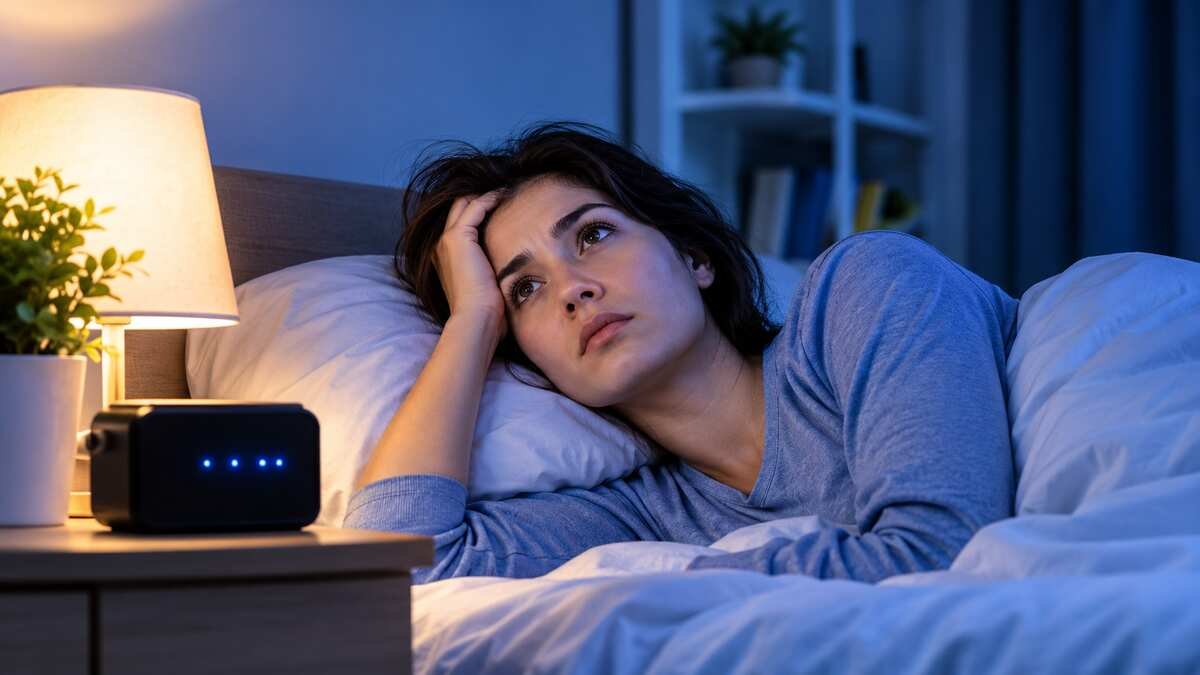

You spend a full night in bed, yet you wake up foggy, drained, and wondering what went wrong. Poor sleep is one of the most common and most frustrating health complaints, and it can show up in many different ways. You may have trouble falling asleep, wake up repeatedly during the night, open your eyes hours before the alarm, or feel unrefreshed no matter how long you stay in bed.
The causes of poor sleep are rarely simple. Stress, daily habits, bedroom conditions, work schedules, medications, mental health, and medical conditions can all play a part, often at the same time. Poor sleep is not always a matter of willpower or bad habits, and many contributing factors are outside a person’s control.
This guide explains what causes poor sleep, which symptoms and warning signs are worth noticing, and what may help you rest better. It also covers when it makes sense to talk with a healthcare professional. Understanding what is disrupting your sleep is an important first step toward improving it.
What Is Poor Sleep?
Poor sleep means that your sleep is too short, too broken, or not restorative enough to leave you feeling rested. The Centers for Disease Control and Prevention (CDC) notes that healthy sleep depends on both quantity and quality, not just the number of hours spent in bed. Poor sleep is a broader idea than insomnia, which is a specific sleep disorder (more on that below).
It helps to separate two common patterns. Insufficient sleep means you do not give yourself enough time to sleep, or cannot get it. Disrupted sleep means you spend enough hours in bed, but your sleep is interrupted by awakenings, breathing problems, discomfort, or other factors. You can have one, the other, or both.
That is why sleeping eight hours does not always lead to a refreshed morning. If sleep is fragmented, you may spend less time in the deeper stages that leave you feeling restored.
Sleep needs also change with age. According to the CDC, adults aged 18 to 60 need at least 7 hours per night, adults aged 61 to 64 need about 7 to 9 hours, and adults 65 and older need about 7 to 8 hours. Individual needs vary, and genetics may play a role.
Common signs of poor sleep include:
- Difficulty falling asleep
- Waking frequently during the night
- Waking earlier than intended and not being able to fall back asleep
- Feeling tired after waking up
- Daytime sleepiness and trouble concentrating
What Are the Main Causes of Poor Sleep?
There is rarely a single reason for poor sleep. Most people have more than one contributing factor, and some of them are not within a person’s control. The NHS lists stress, anxiety, depression, noise, an uncomfortable bed, alcohol, caffeine, nicotine, jet lag, and shift work among the most common causes of sleep problems. The sections below cover the main categories.
1. Stress and Anxiety
Stress keeps the mind and body in a state of alertness. At bedtime, that can look like racing thoughts, worry about work or money, or a mind that will not slow down. Chronic stress can make these nights more frequent.
Worrying about sleep itself can create a cycle. Poor sleep raises anxiety, and anxiety makes it harder to sleep the next night. If this sounds familiar, our guide on managing stress and our overview of what anxiety is may help.
2. Depression and Other Mental Health Conditions
Mood conditions can change sleep in different directions. Some people have trouble falling asleep or staying asleep, some wake very early, and others sleep much longer than usual. Sleep problems can be a symptom of a mental health condition, and poor sleep can also make emotional well-being harder to maintain.
This does not mean that everyone with poor sleep has a mental health condition. You can read more about sleep and mental health and about depression on CollectedMed.
3. Poor Sleep Habits and Irregular Bedtimes
Your body runs on an internal sleep-wake rhythm. Going to bed at different times, changing your wake-up time often, or napping late in the day can throw that rhythm off. Using your bed for work or entertainment can also weaken the link between bed and sleep.
The CDC advises going to bed and waking up at the same time each day, including weekends. Our list of healthy daily habits includes other routines that support this.
4. Caffeine, Nicotine, and Alcohol
Caffeine is found in coffee, tea, energy drinks, and chocolate. In a small controlled study, 400 mg of caffeine taken even six hours before bedtime significantly reduced total sleep time, and participants did not always notice the effect. Nicotine is also a stimulant.
Alcohol can make you feel sleepy at first, but it often disrupts sleep later in the night. A review of the research describes more wakefulness in the second half of the night after drinking close to bedtime.
5. Excessive Screen Time Before Bed
Phones, tablets, TVs, and computers can affect sleep in several ways. Bright light in the evening may signal alertness to your brain. Just as important, scrolling or streaming can push bedtime later, and stimulating content or notifications can keep your mind active.
Blue light is only part of the picture. The timing and the nature of what you do on a device also matter.
6. Uncomfortable Sleeping Environment
Noise, light, a room that is too warm or too cool, and an uncomfortable mattress or pillow can all interrupt sleep. Pets, partners, and outside activity can do the same. The NHS recommends keeping the bedroom dark and quiet and using thick curtains, an eye mask, or earplugs if needed.
7. Irregular Work Schedules and Shift Work
Night shifts, rotating schedules, and long hours can clash with the body’s natural circadian rhythm. Jet lag from crossing time zones does something similar. Shift workers may struggle to sleep well even when they have enough time set aside for rest, because the body expects to be awake.
8. Lack of Physical Activity
Regular physical activity can support healthy sleep, while long periods of inactivity may contribute to sleep difficulties for some people. Intense exercise close to bedtime can make it harder to wind down for certain individuals. See our guides on the benefits of exercise and on sleep and exercise.
9. Eating Habits and Late-Night Meals
Heavy meals shortly before bed, going to bed hungry, and evening caffeinated drinks can all affect sleep. Acid reflux or heartburn after eating can also cause discomfort when you lie down. If reflux is a concern, see our guide to managing acid reflux at home.
No single food is a guaranteed sleep remedy. Our overview of foods that may support better sleep explains what the evidence does and does not show.
10. Certain Medications
Some medications can disrupt sleep as a side effect. Harvard Health describes common examples, including some antidepressants, beta blockers, oral decongestants, and corticosteroids. Asthma and allergy medicines may also play a role for some people.
Effects differ from person to person. Do not stop or change a prescribed medication on your own. Talk with your doctor or pharmacist, who may be able to adjust the dose, the timing, or the treatment.
Medical Conditions and Sleep Disorders That Can Cause Poor Sleep
Poor sleep is not always caused by lifestyle habits. Certain health conditions and sleep disorders can make it harder to fall asleep, stay asleep, or get restorative rest. If you recognize several of these signs, a healthcare professional can help sort out what is going on.
1. Insomnia
Insomnia involves ongoing trouble falling asleep, staying asleep, or waking too early, despite having the opportunity to sleep. It also causes daytime effects such as tiredness, irritability, and poor concentration. Short-term insomnia generally lasts less than three months, and symptoms may fade as a stressful situation passes, according to NHS Scotland.
Chronic insomnia disorder is defined by sleep difficulty with daytime symptoms at least three times per week for at least three months. Stress, medical conditions, and lifestyle factors can all contribute. Persistent insomnia deserves a professional assessment, because effective treatment exists.
2. Sleep Apnea
Sleep apnea causes breathing to stop and start repeatedly during sleep. The most common form is obstructive sleep apnea, in which the airway narrows or becomes blocked. According to the National Heart, Lung, and Blood Institute (NHLBI), signs include loud snoring, gasping for air, and breathing that starts and stops, along with daytime sleepiness.
These repeated interruptions fragment sleep, even if you do not remember waking. Not everyone who snores has sleep apnea, and some people with sleep apnea do not snore. Untreated sleep apnea can affect overall health, so it deserves medical evaluation. Diagnosis often involves a sleep study.
3. Restless Legs Syndrome
Restless legs syndrome (RLS) is a neurological condition that causes an irresistible urge to move the legs, often with uncomfortable sensations such as crawling, tingling, pulling, or aching. Symptoms tend to start or worsen during rest and in the evening or at night, and moving the legs usually brings temporary relief.
Because symptoms are strongest when you try to settle down, RLS can make it hard to fall asleep or stay asleep. There is no specific diagnostic test, so a clinician relies on your symptoms and history.
4. Chronic Pain and Other Health Conditions
Physical discomfort and ongoing medical conditions can interfere with sleep. Examples include arthritis and joint pain, chronic back pain, asthma or other breathing difficulties, and acid reflux. The NHS also notes that an overactive thyroid and menopause can disrupt sleep.
Symptoms and severity differ widely from person to person. If you suspect a health condition is behind your sleep problems, our guides on acid reflux and exercises for lower back pain may be useful starting points.
What Are the Signs and Symptoms of Poor Sleep?
Signs of poor sleep can show up both at night and during the day. Noticing the pattern can help you describe the problem to a healthcare professional. Our guide to the early signs of poor sleep goes into more detail.
Nighttime symptoms:
- Taking a long time to fall asleep
- Waking up repeatedly
- Waking earlier than planned
- Restless or interrupted sleep
Daytime symptoms:
- Feeling tired after waking
- Excessive daytime sleepiness
- Irritability and mood changes
- Difficulty concentrating
- Reduced energy and motivation
Having some of these symptoms now and then does not necessarily mean you have a sleep disorder. Persistent or worsening symptoms deserve attention, and they can also overlap with other causes of tiredness (see what causes fatigue).
How Does Poor Sleep Affect Your Health?
Occasional bad nights are common and usually pass. Ongoing sleep problems are different. The National Heart, Lung, and Blood Institute notes that sleep deficiency can interfere with work, school, driving, and social functioning, and that it can cause problems with learning, focusing, and reacting.
- Mental health: Sleep loss can affect mood, emotional regulation, and how well you handle stress.
- Thinking and memory: It can make concentrating, remembering information, and making decisions harder.
- Daily performance: Reduced productivity, slower reactions, and a higher risk of accidents are well recognized effects.
- Immune function: The NHLBI says people who do not sleep enough may be more likely to get colds and other infections.
- Long-term physical health: Chronic short or poor sleep is associated with higher rates of conditions such as high blood pressure, heart disease, type 2 diabetes, and obesity.
It is important to separate what is well established from what is an association. The short-term effects on alertness and performance are well documented. For long-term diseases, the research shows links, but it does not prove that poor sleep alone is the cause.
Our article on whether poor sleep is serious explores this in more depth.
How Can You Improve Poor Sleep?
Small changes can help many people, although they do not solve every sleep problem. For a deeper walkthrough, see our evidence-based guide on how to improve sleep, and our overview of poor sleep treatment options.
1. Maintain a Consistent Sleep Schedule
Go to bed and wake up at about the same time every day, including weekends. A steady schedule helps anchor your body’s internal clock.
2. Create a Comfortable Sleep Environment
Keep the bedroom dark and quiet, and set a comfortable temperature. Choose bedding that suits you, and reduce disturbances from pets, devices, or noise where you can.
3. Limit Caffeine and Alcohol
Try to keep caffeine to earlier in the day, since caffeine taken six hours before bed can still disrupt sleep. Avoid using alcohol as a sleep aid, because it can fragment sleep later in the night.
4. Reduce Screen Time Before Bed
Build a relaxing wind-down routine and cut back on stimulating screen use before sleeping. The CDC also suggests removing TVs, computers, and mobile devices from the bedroom.
5. Stay Physically Active
Regular activity during the day can support better sleep. Leave enough time to relax before bedtime if vigorous exercise tends to leave you wired.
6. Manage Stress
Relaxation techniques, mindfulness, breathing exercises, and journaling can help some people settle at night. If worry or low mood is a big part of the picture, consider speaking with a mental health professional (see our overview of therapy).
An Important Note on Persistent Insomnia
If you have chronic insomnia, habit changes alone may not be enough. Cognitive behavioral therapy for insomnia (CBT-I) is an evidence-based treatment, and the American Academy of Sleep Medicine says CBT-I by itself is the most efficacious first-line treatment for insomnia. The AASM has also advised against sleep hygiene as a stand-alone treatment for chronic insomnia. A clinician can help you decide what fits your situation.
When Should You See a Doctor About Poor Sleep?
Consider talking with a healthcare professional if:
- Sleep difficulties last several weeks or interfere with everyday activities
- Daytime tiredness affects your work, driving, or responsibilities
- Loud snoring happens along with gasping, choking, or pauses in breathing
- Unusual leg sensations repeatedly keep you from sleeping
- Poor sleep occurs alongside persistent pain, mood changes, or other concerning symptoms
- Sleep problems continue despite reasonable changes to your daily habits
The NHS notes that a GP will try to find the cause of insomnia so you receive the right treatment. A clinician may review your medical history, medications, sleep patterns, and symptoms. If a sleep disorder such as sleep apnea is suspected, your doctor may recommend a sleep study.
Safety warning: Severe daytime sleepiness can make driving unsafe. If you feel drowsy behind the wheel or have nearly fallen asleep while driving, do not drive and seek medical advice promptly.
Frequently Asked Questions About Poor Sleep
What is the most common cause of poor sleep?
There is no single cause that applies to everyone. Stress, anxiety, irregular sleep schedules, daily habits, and medical conditions are all common contributors. The NHS lists stress, anxiety, depression, noise, caffeine, and shift work among the most frequent triggers of sleep problems.
Why do I wake up tired even after sleeping for eight hours?
Sleep quality matters as much as sleep length. Fragmented sleep, a sleep disorder such as sleep apnea, or an underlying health condition can leave you unrefreshed despite enough time in bed. If this happens often, it is worth discussing with a healthcare professional.
Can stress cause poor sleep?
Yes. Stress can raise mental alertness and make it harder to fall asleep or stay asleep. The NHS lists stress, anxiety, or depression as leading causes of sleep trouble.
Can poor sleep be a sign of a medical condition?
Yes. Conditions such as insomnia, sleep apnea, restless legs syndrome, chronic pain, an overactive thyroid, and menopause-related symptoms can all disrupt sleep. Sleep problems can also come from medications. A clinician can help work out the cause.
How can I improve my sleep quality naturally?
Start with a consistent sleep schedule, a dark and comfortable bedroom, regular daytime activity, and a relaxing bedtime routine. These steps help many people but are not a substitute for treatment when a sleep disorder is involved. For ongoing insomnia, ask about CBT-I.
Conclusion
Poor sleep usually has several interacting causes, including stress, lifestyle habits, your sleep environment, medications, and underlying health conditions. Think about which factors may apply to you, try sensible changes, and seek professional guidance if problems persist. Better sleep starts with understanding what is disrupting it.
Sources
- About Sleep, Centers for Disease Control and Prevention
- About Sleep and Your Heart Health, CDC
- Insomnia, NHS
- Insomnia, NHS 111 Wales
- Sleep Problems, NHS Scotland Right Decisions
- Sleep Apnea Symptoms, National Heart, Lung, and Blood Institute
- Sleep Deprivation and Deficiency, NHLBI
- Why Is Sleep Important?, NHLBI
- Restless Legs Syndrome, National Institute of Neurological Disorders and Stroke
- Combination Treatment for Chronic Insomnia Guideline, American Academy of Sleep Medicine
- AASM Behavioral and Psychological Treatment Guideline Coverage, Sleep Review
- Caffeine Effects on Sleep Taken 0, 3, or 6 Hours Before Going to Bed, Journal of Clinical Sleep Medicine
- Alcohol and Sleep, PubMed Central review
- Are Your Medications Keeping You Up at Night?, Harvard Health Publishing
- CDC press release on adult sleep, 2016
Medical Disclaimer: This article is for general educational purposes only and is not medical advice. It does not diagnose, treat, or prevent any condition, and it cannot replace a visit with a qualified healthcare professional. Every person’s health is different, so talk with your doctor about your own symptoms, medications, and treatment options before making changes.
4 thoughts on “What Causes Poor Sleep? Common Reasons You’re Not Sleeping Well”
Comments are closed.