
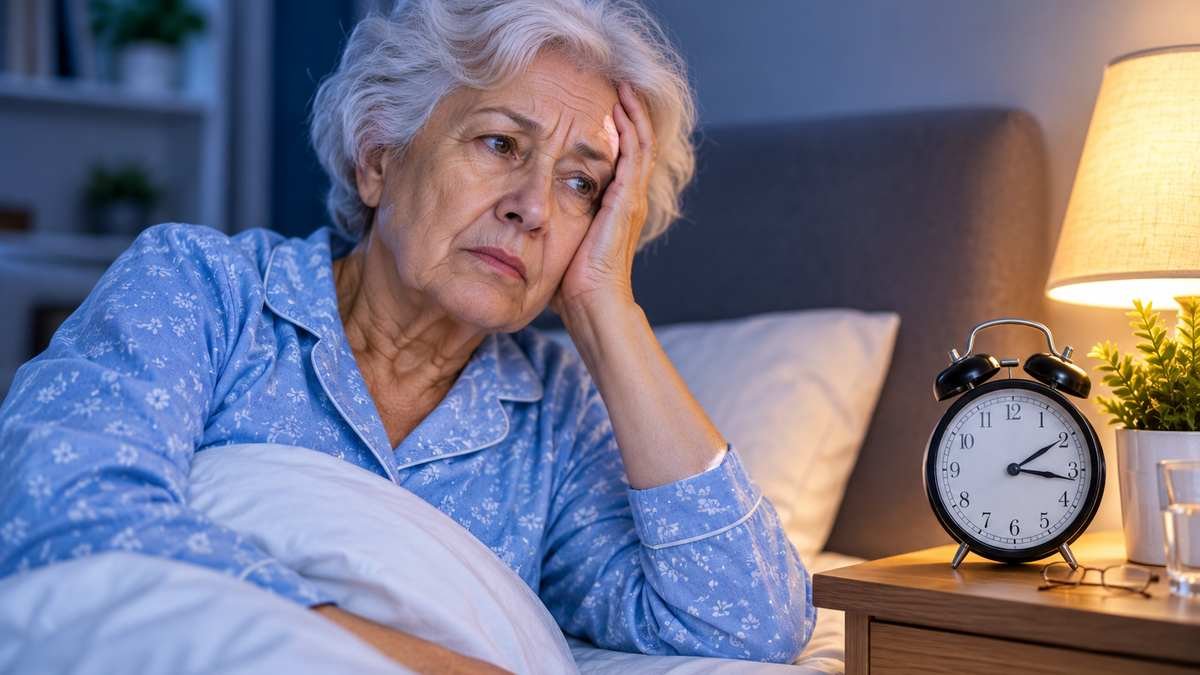

Quality sleep supports physical health, mood, memory, and the ability to stay active and independent. Poor sleep can quietly undermine all of these. For older adults and the people who care for them, it is easy to shrug off tired days and restless nights as “just getting older.”
Poor sleep symptoms in older adults can include daytime fatigue, frequent nighttime waking, memory difficulties, and irritability. Sleep patterns do change with age, but persistent sleep problems deserve attention. Chronic pain, medications, sleep disorders, and changes in daily routine can all play a part.
This guide explains how sleep changes with age and what counts as poor sleep. It covers 10 common symptoms, possible causes, health effects, and practical ways to improve sleep quality in seniors. It also explains when to see a doctor. The information is general and cannot replace individual medical advice.
What Is Considered Poor Sleep in Older Adults?
Some sleep changes are a normal part of aging. Poor sleep goes further: it keeps you from feeling rested or functioning well during the day. The National Institute on Aging (NIA) notes that sleep habits may change with age, but good sleep remains important for health and safety.
Changes in Sleep Patterns With Age
Normal aging brings predictable shifts. A review of sleep in normal aging reports that total sleep time and deep sleep tend to decrease, while nighttime awakenings increase. Many older adults also feel sleepy earlier in the evening and wake earlier in the morning. MedlinePlus adds that many people find it harder to fall asleep and wake more often as they age.
Signs of Poor-Quality Sleep
Poor sleep goes beyond these expected changes. Warning signs include:
- Trouble falling or staying asleep
- Waking up unrefreshed
- Excessive daytime sleepiness
- Sleep interruptions that affect daily activities
How Much Sleep Do Older Adults Need?
The NIA says older adults need about the same amount of sleep as other adults, which is 7 to 9 hours each night. Individual needs vary. Spending more time in bed does not guarantee restorative sleep, especially if sleep is light or broken up.
10 Common Poor Sleep Symptoms in Older Adults
Poor sleep can look different from person to person. Some symptoms show up at night, while others appear during the day. No single symptom confirms a sleep disorder, so it helps to look at the overall pattern. Our guides on the early signs of poor sleep, poor sleep symptoms in women, and poor sleep symptoms in men offer helpful context.
1. Persistent Daytime Fatigue
You may feel tired even after a full night in bed. Everyday tasks can take more effort, and you may need frequent rest breaks. The NIA says you shouldn’t wake up tired every day, and ongoing exhaustion is worth discussing with a doctor. Our article on what causes fatigue explores other possible reasons.
2. Frequent Nighttime Awakenings
Waking several times a night is common with age. It becomes a concern when you cannot fall back asleep or feel unrested the next day. Pain, urination, noise, or breathing problems can all interrupt sleep. Talk with a healthcare professional if awakenings are frequent or disruptive.
3. Difficulty Falling Asleep
You might lie awake for a long time, feeling restless or mentally alert. The NIA reports that insomnia is the most common sleep problem in adults age 60 and older. Trouble settling into a regular bedtime routine can be one sign.
4. Memory Problems and Brain Fog
Poor sleep can make it harder to concentrate, remember conversations, or keep track of appointments. The National Heart, Lung, and Blood Institute (NHLBI) notes that sleep deficiency can affect learning, focus, and reaction time. Memory changes have many causes, though. They should not automatically be blamed on sleep.
5. Mood Changes and Irritability
Short on rest, you may become frustrated more easily or feel emotionally sensitive. Stress and low mood can also feel heavier. Sleep and emotions influence each other, so our guide on sleep and mental health may help.
6. Excessive Daytime Sleepiness
Dozing off during conversations or while watching television can signal a problem. Needing frequent daytime naps may as well. Excessive sleepiness sometimes points to an underlying sleep disorder, so mention it to a healthcare professional.
7. Morning Headaches
Waking with recurring headaches may be linked to disrupted breathing during sleep. Sleep apnea is one possible contributor, but it is not the only explanation. Persistent morning headaches deserve a medical evaluation.
8. Reduced Balance and Coordination
Tired people may feel less steady and react more slowly. Research supports a link between sleep and falls. One study found that more insomnia symptoms predicted a higher fall risk over two years in older adults. Another in older women found that trouble falling asleep, frequent waking, and short sleep were associated with a higher risk of falling.
9. Changes in Appetite and Energy Levels
Poor sleep may change hunger and eating habits. You might feel less motivated to cook or have less energy for regular activity. These shifts are not universal, and other health issues can cause them too.
10. Reduced Interest in Social Activities
Ongoing fatigue can lead to skipping gatherings or dropping hobbies. Over time, this can affect quality of life and a sense of connection. Caregivers may notice this change before the person does.
Why Do Older Adults Experience Poor Sleep?
Sleep problems in later life usually have more than one cause. The NIA identifies medical conditions, medications, and sleep disorders among the factors that can get in the way. Our articles on what causes poor sleep and poor sleep risk factors cover these in more depth.
1. Natural Age-Related Sleep Changes
The body’s internal clock shifts with age, which is why many older adults feel sleepy earlier and wake earlier. Sleep also becomes lighter. Aging alone does not explain every sleep problem, though. MedlinePlus notes that treatable factors often play a role.
2. Chronic Health Conditions and Pain
Several conditions can make restful sleep harder:
- Arthritis and joint pain
- Diabetes and nighttime discomfort
- Heart disease
- Breathing or lung conditions
- Acid reflux (GERD), which can worsen when lying down
The NIA notes that feeling sick or being in pain can make it hard to sleep. See our article on acid reflux in your 50s for more on nighttime symptoms.
3. Medications and Their Side Effects
Some prescription and over-the-counter medicines can cause insomnia, daytime drowsiness, or nighttime urination. The NIA says some medicines can keep you awake. Talk with a healthcare professional or pharmacist about side effects and timing. Do not stop or change a medicine on your own.
4. Sleep Disorders
Several disorders become more common with age:
- Insomnia: trouble falling or staying asleep
- Obstructive sleep apnea: repeated pauses in breathing during sleep
- Restless legs syndrome: uncomfortable leg sensations that disrupt rest
- Periodic limb movement disorder: repeated leg movements during sleep
The NIA notes that restless legs syndrome and periodic limb movement disorder are common in older adults and can rob you of needed sleep.
5. Mental Health and Emotional Changes
Anxiety, depression, loneliness, grief, and major life changes such as retirement can all affect sleep. Sleep problems can also worsen these feelings. Learn more in our guides to depression and anxiety.
6. Lifestyle and Environmental Factors
Everyday habits matter. Irregular bedtimes, long daytime naps, and low physical activity can all disrupt sleep. So can caffeine or alcohol late in the day and a bedroom that is noisy, bright, or too warm. See what makes poor sleep worse for more.
How Poor Sleep Affects Older Adults’ Physical and Mental Health
Occasional bad nights are normal. Ongoing sleep problems deserve attention because they are associated with wider health effects. Most of the evidence shows links, not proven cause and effect.
Cognitive function: Sleep supports memory and attention. Inadequate sleep can reduce concentration and mental alertness. This does not mean poor sleep automatically causes dementia.
Mental and emotional health: Poor sleep may worsen irritability and emotional distress. It is also associated with anxiety and depression.
Physical health: NHLBI notes that sleep deficiency is linked to heart disease, high blood pressure, diabetes, stroke, and obesity. Sleep also supports normal immune function.
Balance and fall risk: Daytime sleepiness and reduced alertness can affect coordination. Nighttime awakenings can add risk when walking through dark rooms. Our article on whether poor sleep is serious covers more.
Independence and quality of life: Ongoing fatigue can interfere with daily responsibilities, social life, and independence.
How Can Older Adults Improve Sleep Quality?
Healthy habits can help many people, though they do not solve every sleep problem. Our full guide on how to improve sleep offers more ideas, and the NIA’s sleep guidance for older adults is a helpful companion.
1. Follow a Consistent Sleep Schedule
Go to bed and get up at similar times every day. A relaxing bedtime routine helps your body wind down. Try to avoid big swings in your schedule.
2. Create a Comfortable Sleeping Environment
Keep the bedroom quiet, dark, and comfortably cool. Use supportive bedding. Reduce nighttime noise and bright lights, and consider a night light for safe bathroom trips.
3. Limit Caffeine and Alcohol
Avoid caffeine in the late afternoon and evening. The NIA says alcohol won’t help you sleep, and even small amounts can make it harder to stay asleep. Drinking fewer fluids in the evening may also cut down on bathroom trips.
4. Stay Physically Active
Regular walking and other appropriate activity may support better sleep. See our guides on the benefits of exercise and walking for health. Check with a healthcare professional first if health conditions or mobility are a concern.
5. Manage Daytime Napping
Long or late-afternoon naps can disrupt nighttime sleep. The NIA notes that napping during the day can interfere with sleep at night. A short, early nap may work better for some people.
6. Review Medications With a Healthcare Professional
Ask whether any medicines you take could affect sleep, and whether timing can be adjusted. Sleep medications deserve special care in later life. Research suggests that physician-recommended sleep medications were linked to a higher fall risk in older adults. Never stop or change a prescription without medical guidance.
Stress can also keep you awake. Our guide on how to reduce stress offers calming strategies, and healthy habits and healthy aging foods support overall well-being. For persistent insomnia, see our overview of poor sleep treatment options.
When Should Older Adults See a Doctor About Poor Sleep?
You do not need to wait until symptoms become severe. Consider a medical assessment if:
- Sleep problems happen often and affect daily functioning
- Daytime fatigue interferes with normal activities
- There is loud snoring, gasping, or witnessed pauses in breathing
- Leg discomfort at night repeatedly disrupts sleep
- Memory or concentration problems are getting worse
- Sleep difficulties occur with persistent anxiety or depression
- Medication side effects may be affecting sleep
A healthcare professional may review your sleep patterns, medications, medical history, and symptoms. Depending on the findings, they may recommend a sleep study or other evaluation.
Important safety point: New or sudden confusion, especially alongside other acute symptoms, should not be dismissed as sleep deprivation or aging. It needs prompt medical attention.
Frequently Asked Questions About Poor Sleep in Older Adults
1. What are the most common symptoms of poor sleep in older adults?
Common symptoms include daytime fatigue, frequent nighttime awakenings, trouble concentrating, irritability, and excessive daytime sleepiness. Some people also notice morning headaches or less interest in activities. These signs have many possible causes, so a healthcare professional can help sort them out.
2. Is poor sleep a normal part of aging?
Sleep patterns do change with age, but persistent insomnia and excessive sleepiness are not inevitable. MedlinePlus and the NIA both note that health conditions, medications, and sleep disorders can contribute. Ongoing problems deserve evaluation.
3. How many hours of sleep do older adults need?
The NIA says older adults need about 7 to 9 hours a night, similar to younger adults. Needs vary by person, and sleep may come in lighter or more broken stretches. The CDC also offers guidance on sleep and health.
4. Why do older adults wake up so often at night?
Lighter sleep and shifts in the body clock are common reasons. Pain, nighttime urination, medications, and sleep disorders such as sleep apnea can also wake you. If awakenings are frequent or leave you tired, talk with a doctor.
5. Can poor sleep affect memory in older adults?
Sleep difficulties can affect attention and memory, as NHLBI notes for learning and focus. Many other conditions also affect memory. Persistent or worsening changes need a medical evaluation instead of a sleep-only explanation.
6. What is the best way to improve sleep in older adults?
A consistent schedule, a comfortable bedroom, regular activity, and limiting late caffeine, alcohol, and naps are good starting points. Reviewing medications with a professional can help too. If problems continue, ask a doctor to look for treatable causes.
Final Thoughts
Poor sleep can affect older adults physically, mentally, and emotionally. Symptoms may include fatigue, memory difficulties, irritability, and frequent nighttime awakenings. Age-related changes, medical conditions, medications, and sleep disorders can all contribute.
Healthy sleep habits can support better rest. Persistent or worsening symptoms deserve professional attention, because many causes are treatable. Quality sleep matters at every age, and the right evaluation can help you or a loved one feel more rested and more like yourself.
Sources
- National Institute on Aging: Sleep
- National Institute on Aging: A Good Night’s Sleep
- National Institute on Aging: A Good Night’s Sleep (archived age page on restless legs and limb movement disorders)
- MedlinePlus: Aging Changes in Sleep
- CDC: About Sleep
- NHLBI: Sleep Deprivation and Deficiency
- Li et al., Sleep in Normal Aging, Sleep Medicine Clinics (2018)
- Chen et al., Insomnia Symptoms and Sleep Medication Use Predict Fall Risk in Older Adults, Sleep (2017)
- Insomnia Symptoms, Sleep Duration, and Risk of Falls in Older Adult Women (SWAN), Journals of Gerontology (2026)
Medical Disclaimer: This article is for general educational purposes only and does not replace advice from a qualified healthcare professional. It cannot diagnose or treat any condition. Everyone’s health needs are different, so talk with your doctor about your own sleep concerns, symptoms, and medications. Do not stop or change any medicine without medical guidance. If you or a loved one has sudden confusion or other severe symptoms, seek emergency care right away.