
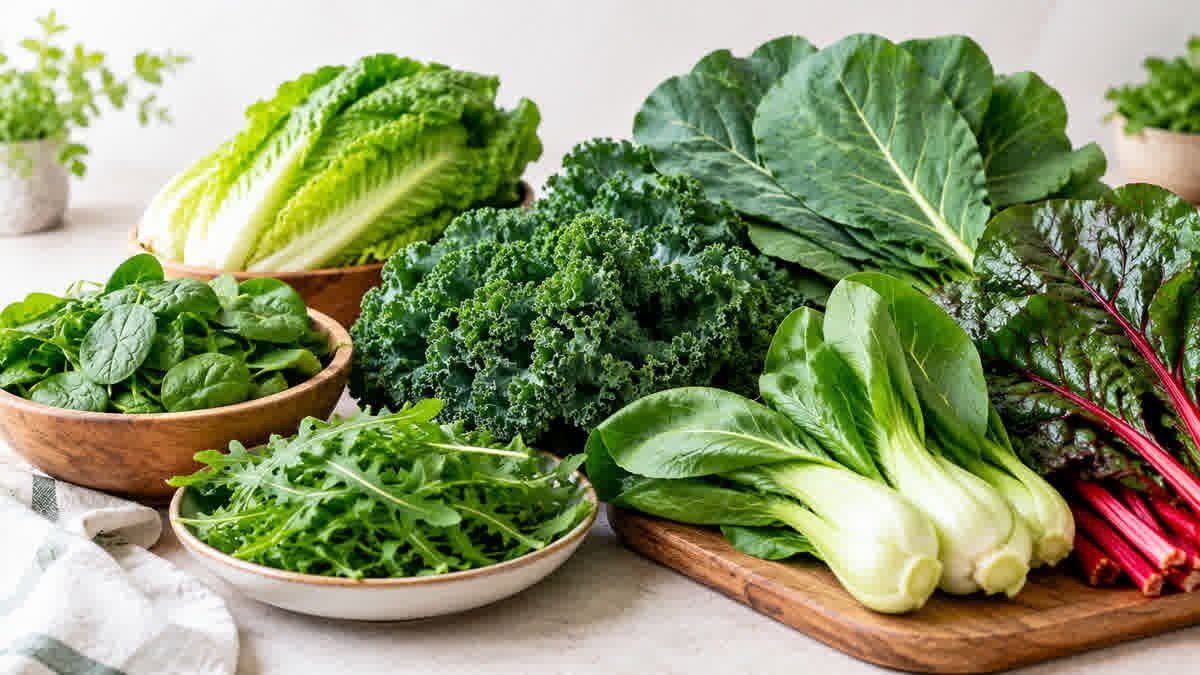

Leafy green vegetables are among the most nutrient-dense foods you can add to your meals. Spinach, kale, collard greens, romaine lettuce, Swiss chard, and other leafy vegetables provide vitamins, minerals, fiber, and beneficial plant compounds, usually with few calories per serving. That combination makes them an easy way to improve everyday nutrition.
Eating a variety of greens can help support digestion, heart health, normal vision, bone health, and overall dietary quality. No single vegetable supplies every nutrient in the amounts a person needs, which is why variety matters more than any one superfood. Research linking vegetable-rich diets with better health is largely observational, so greens work best as part of a broader pattern of healthy eating.
This guide explains what leafy greens are, what they contain, and 12 ways they can support your health. You will also learn which greens to choose, how to prepare them, who should take extra care, and how to make them part of a balanced diet. It is general information, not individual medical advice.
What Are Leafy Green Vegetables?
Leafy green vegetables are plants whose leaves, and sometimes stems, are eaten as vegetables. They range from mild salad greens to sturdier cooking greens with a stronger flavor. The Dietary Guidelines for Americans include dark-green vegetables as a distinct group that people are encouraged to eat each week.
Common Types of Leafy Greens
Popular examples include:
- Spinach
- Kale
- Collard greens
- Swiss chard
- Romaine and other lettuces
- Bok choy
- Mustard greens
- Turnip greens
- Arugula
- Watercress
Tender greens, such as baby spinach, arugula, and lettuce, are often eaten raw. Sturdier varieties, such as collards, kale, and mustard greens, are commonly steamed, sautéed, or added to soups and stews.
Why Leafy Greens Are Considered Nutrient-Dense
Many leafy greens provide substantial amounts of vitamins and minerals relative to their calorie content. Their nutritional value varies by species, serving size, freshness, and preparation method. Our guide to nutrient-dense foods explains how foods like these fit into an overall eating pattern.
Nutritional Value of Leafy Green Vegetables
Different greens contain different amounts of each nutrient, so it is best not to assume that every variety offers the same benefits. You can compare specific vegetables in USDA FoodData Central.
Vitamins and Minerals
Leafy greens commonly provide the following:
- Vitamin K: Important for normal blood clotting and bone metabolism.
- Folate: Supports DNA synthesis and cell division.
- Vitamin A precursors: Some greens provide beta-carotene, which the body can convert to vitamin A for normal vision and immune function, according to the NIH.
- Vitamin C: Supports collagen formation and immune function, and it helps the body absorb non-heme iron.
- Calcium: Present in varying amounts, particularly in greens such as collards and bok choy. See our guide to calcium-rich foods.
- Iron: Needed for hemoglobin and oxygen transport, although iron from plants is less readily absorbed than iron from many animal foods. Our article on iron-rich foods covers this in more detail.
- Potassium and magnesium: Help support normal muscle, nerve, and other functions.
Fiber and Beneficial Plant Compounds
Leafy greens contribute dietary fiber, along with plant compounds such as carotenoids and polyphenols that give plants their colors and characteristics. Not all greens are high in every nutrient. For example, spinach contains oxalates that bind calcium, so its calcium content does not translate into the same absorbable calcium as lower-oxalate greens.
12 Health Benefits of Eating Leafy Green Vegetables
The benefits below connect nutrients with established functions in the body. Many studies of vegetable intake are observational, meaning they show associations, not proof that leafy greens prevent or cure any disease.
1. Supports Heart Health
Leafy greens contribute potassium, folate, fiber, and other nutrients that fit into a heart-healthy eating pattern. Potassium helps regulate normal blood pressure, and diets rich in vegetables are associated with better cardiovascular health, as the Harvard T.H. Chan School of Public Health notes. Greens are most useful alongside other vegetables, fruits, whole grains, legumes, nuts, and healthy fats.
2. Helps Maintain Strong Bones
Vitamin K plays a role in bone metabolism, and calcium is a building block of bone structure. Collard greens and bok choy can contribute useful amounts of calcium. Bone health also depends on adequate vitamin D, physical activity, sufficient energy and protein, and other factors. Learn more in our guide to foods high in vitamin D.
3. Promotes Healthy Digestion
The fiber in many leafy greens supports regular bowel movements and normal digestive function. Fiber content varies by green and serving size. Increase fiber gradually and drink enough fluids to reduce the chance of bloating or gas. Our guides to high-fiber foods for digestive health and how to improve gut health offer more context.
4. Supports Healthy Vision
Spinach, kale, and some other greens provide carotenoids, including lutein and zeaxanthin. These compounds accumulate in the retina and are studied for their role in eye health. Greens also provide beta-carotene, which the body can convert to vitamin A, a nutrient essential for normal vision, particularly in low light. Eating greens will not correct existing vision problems or replace regular eye exams.
5. Contributes to Normal Immune Function
Vitamin C, vitamin A precursors, folate, and other micronutrients all help the immune system work normally. Immune health also depends on overall nutrition, sleep, physical activity, and other lifestyle factors, not one particular food.
6. Helps Support Healthy Blood and Oxygen Transport
Folate is important for forming healthy cells, and iron is needed to make hemoglobin, the protein that carries oxygen in red blood cells. Leafy greens provide non-heme iron, which is absorbed less readily than heme iron from animal foods. Pairing greens with vitamin C-rich foods such as bell peppers, citrus fruits, or tomatoes can improve non-heme iron absorption, according to the NIH.
7. Provides Antioxidants and Protective Plant Compounds
Carotenoids, polyphenols, and other natural compounds in greens contribute to a plant-rich diet and are being studied for their roles in health. Antioxidant activity measured in a laboratory does not automatically mean a food prevents a specific disease in people. If you would like to learn more, see our explainers on what antioxidants are and antioxidant-rich foods.
8. Supports Healthy Blood Pressure
Potassium helps the body regulate fluid balance and supports normal blood pressure. Leafy greens can add potassium to a varied diet built around vegetables, fruits, legumes, and minimally processed foods. People with kidney disease, or anyone told to limit potassium, should follow individualized medical guidance rather than increasing intake on their own.
9. Helps Support a Healthy Weight
Leafy greens generally provide few calories per serving while adding volume and, depending on the vegetable, fiber. Adding them to meals can make dishes more filling without relying on energy-dense ingredients. Weight management depends on overall diet, activity, sleep, and health conditions, and greens do not cause weight loss on their own.
10. Contributes to Healthy Aging
Leafy greens supply nutrients involved in normal cell function and help people build a varied, nutrient-rich diet. Research has explored links between vegetable intake and some long-term health outcomes, but no single food guarantees healthy aging. For more on this theme, read our article on antioxidants for healthy aging.
11. Helps Maintain Normal Muscle and Nerve Function
Potassium, magnesium, calcium, and other electrolytes are involved in muscle contraction and nerve signaling. Leafy greens can contribute to these needs, but they should be combined with other foods to meet overall requirements, as the NIH magnesium fact sheet describes.
12. Makes a Balanced Diet Easier to Achieve
Greens increase vegetable variety, contribute several micronutrients, and pair easily with protein foods, whole grains, beans, and healthy fats. They are a practical entry point for building meals around plants. For ideas, see our list of the healthiest foods to eat every day.
Best Leafy Green Vegetables to Eat
The best greens are the ones you enjoy, can afford, and will eat regularly. Here are some strong options and what they offer:
1. Spinach
Spinach is a versatile source of folate, vitamin K, beta-carotene, and other nutrients. Use it in salads, omelets, soups, smoothies, or sautéed dishes. It is high in oxalates, so its calcium is not as readily absorbed as calcium from some other greens.
2. Kale
Kale provides vitamin K, vitamin C, carotenoids, and fiber. Add it to salads, soups, grain bowls, or roasted vegetable dishes.
3. Collard Greens
Collards are a useful source of vitamin K and calcium, and their calcium is generally better absorbed than the calcium in spinach. They work well braised, steamed, or added to soups and stews.
4. Bok Choy
Bok choy is mild in taste and provides vitamin K, vitamin C, and calcium. It suits stir-fries, soups, and steamed dishes.
5. Swiss Chard
Swiss chard offers colorful leaves and stems along with vitamin K, magnesium, and other nutrients. Sauté the leaves and stems together, or add them to pasta and soups.
6. Arugula and Watercress
These peppery greens add flavor to salads, sandwiches, and wraps. They provide vitamin K and other micronutrients, with amounts that depend on the serving.
Romaine lettuce, mustard greens, and turnip greens are also good choices. Variety and enjoyment matter more than searching for one universally best vegetable.
Leafy Greens at a Glance
| Green | Notable nutrients | Common uses |
|---|---|---|
| Spinach | Folate, vitamin K, beta-carotene | Salads, omelets, soups, smoothies |
| Kale | Vitamin K, vitamin C, carotenoids | Salads, soups, roasted dishes |
| Collard greens | Vitamin K, calcium | Braised dishes, stews |
| Bok choy | Vitamin K, vitamin C, calcium | Stir-fries, soups |
| Swiss chard | Vitamin K, magnesium | Sautés, pasta, soups |
| Arugula | Vitamin K | Salads, sandwiches, wraps |
The table lists general highlights rather than exact amounts. Check USDA FoodData Central for specific values.
How to Eat More Leafy Green Vegetables Every Day
Small habits make it easier to eat greens regularly. Consider these ideas:
- Add spinach or kale to eggs, omelets, or savory breakfast dishes.
- Use romaine, arugula, or other salad greens in sandwiches and wraps.
- Mix chopped greens into lentil soup, bean dishes, curries, or stews.
- Stir spinach or bok choy into stir-fries near the end of cooking.
- Combine greens with beans, eggs, tofu, fish, or poultry for balanced meals.
- Add a handful of greens to pasta, rice dishes, or grain bowls.
- Keep washed greens ready to use, following food-safety guidance for storage.
- Try locally available greens instead of relying only on pricey specialty vegetables.
Build meals around a mix of vegetables, protein sources, whole grains, and unsaturated fats. Our guides to a healthy diet and the Mediterranean diet offer broader eating-pattern advice.
Are Raw or Cooked Leafy Greens Healthier?
Both can be nutritious. The better choice depends on the vegetable, the nutrient you care about, and how you prepare it.
Benefits of Eating Greens Raw
- Raw greens can retain heat-sensitive nutrients, including some vitamin C.
- Salad greens and tender leaves are convenient in wraps, salads, and sandwiches.
- Raw vegetables add texture and variety.
Benefits of Cooking Leafy Greens
- Cooking reduces the volume of greens, so larger portions are easier to eat.
- Light cooking may make some carotenoids more available.
- Boiling can lower oxalate levels in some vegetables, although some water-soluble nutrients may leach into the cooking water.
Steaming, microwaving, or lightly sautéing greens works well. Wash fresh produce under running water before eating or preparing it, as the FDA advises. Do not assume that raw vegetables are always more nutritious than cooked ones.
Potential Risks and Precautions
Leafy greens are safe and beneficial for most people. A few situations call for extra care.
Vitamin K and Blood-Thinning Medication
Spinach, kale, and collards can contain substantial vitamin K. People taking warfarin generally need to keep their vitamin K intake consistent and discuss major diet changes with their healthcare professional, as the NIH vitamin K fact sheet explains. They should not eliminate greens without medical advice.
Oxalates and Kidney Stones
Spinach and some other vegetables contain oxalates, which can contribute to calcium oxalate kidney stones in susceptible people. Anyone with a history of these stones may benefit from personalized advice about oxalate and calcium intake, as the NIDDK describes. Most people do not need to avoid spinach.
Potassium Restrictions
People with certain kidney conditions may need to limit potassium. The appropriate amount depends on their medical situation, lab results, and treatment plan.
Food Safety and Digestive Comfort
Wash greens thoroughly, refrigerate them appropriately, and follow package instructions for ready-to-eat products. If a sudden rise in fiber causes bloating or gas, scale back and increase gradually. People with persistent digestive symptoms or specific dietary restrictions should seek individualized advice from a qualified healthcare professional.
Frequently Asked Questions About Leafy Green Vegetables
What are the healthiest leafy green vegetables?
Spinach, kale, collard greens, bok choy, Swiss chard, arugula, and other greens all provide valuable nutrients. No single green is best for everyone, so eating a variety helps supply different vitamins, minerals, and plant compounds.
Is it good to eat leafy greens every day?
For most people, eating leafy greens daily can be a useful part of a balanced diet. Include different varieties and prepare them in ways you enjoy. People with medical conditions that require dietary restrictions may need individualized guidance.
Which leafy greens are best for strong bones?
Collard greens and bok choy provide calcium that the body absorbs relatively well, and kale can also contribute calcium and vitamin K. Spinach contains calcium, but its oxalates reduce absorption, according to the NIH calcium fact sheet. Bone health also requires vitamin D and other nutrients.
Do leafy green vegetables help with digestion?
Yes, many leafy greens contribute fiber, which supports regular bowel movements and normal digestive function. Increase fiber gradually and drink enough fluids. If you have persistent bloating, pain, or changes in bowel habits, talk with a healthcare professional.
Are frozen leafy greens as healthy as fresh ones?
Frozen greens can be nutritious and convenient. Nutrient levels depend on the vegetable, processing, storage, and preparation. Frozen spinach, for example, is an affordable option for soups, curries, and cooked meals.
Can you eat too many leafy greens?
Most people can enjoy a variety of leafy greens as part of a balanced diet. Very large dietary changes may not suit everyone, particularly people taking warfarin or following medically prescribed potassium or oxalate restrictions. Variety is generally more useful than relying on a single green.
Conclusion
Leafy green vegetables offer a practical way to increase nutrient variety and support normal digestion, bone health, vision, and overall dietary quality. Spinach, kale, collards, bok choy, and other greens each have their own strengths, so rotate varieties and choose preparation methods that suit you.
A simple place to start is adding one serving of leafy greens to a meal each day. From there, build a sustainable routine around a wider range of vegetables and other nutrient-rich foods, and talk with a healthcare professional if you have a condition or medication that affects your diet.
Sources
- Dietary Guidelines for Americans
- USDA FoodData Central
- Harvard T.H. Chan School of Public Health: Vegetables and Fruits
- NIH Office of Dietary Supplements: Vitamin K
- NIH Office of Dietary Supplements: Folate
- NIH Office of Dietary Supplements: Vitamin A
- NIH Office of Dietary Supplements: Vitamin C
- NIH Office of Dietary Supplements: Calcium
- NIH Office of Dietary Supplements: Iron
- NIH Office of Dietary Supplements: Potassium
- NIH Office of Dietary Supplements: Magnesium
- NIDDK: Eating, Diet, and Nutrition for Kidney Stones
- FDA: Selecting and Serving Produce Safely
Medical Disclaimer: This article is for educational purposes only and is not a substitute for professional medical advice, diagnosis, or treatment. Always talk with a doctor, registered dietitian, or other qualified healthcare provider before making major changes to your diet, especially if you take blood-thinning medication or have kidney disease or another medical condition. If you think you are having a medical emergency, call 911 or your local emergency number right away.
2 thoughts on “Health Benefits of Eating Leafy Green Vegetables”
Comments are closed.