
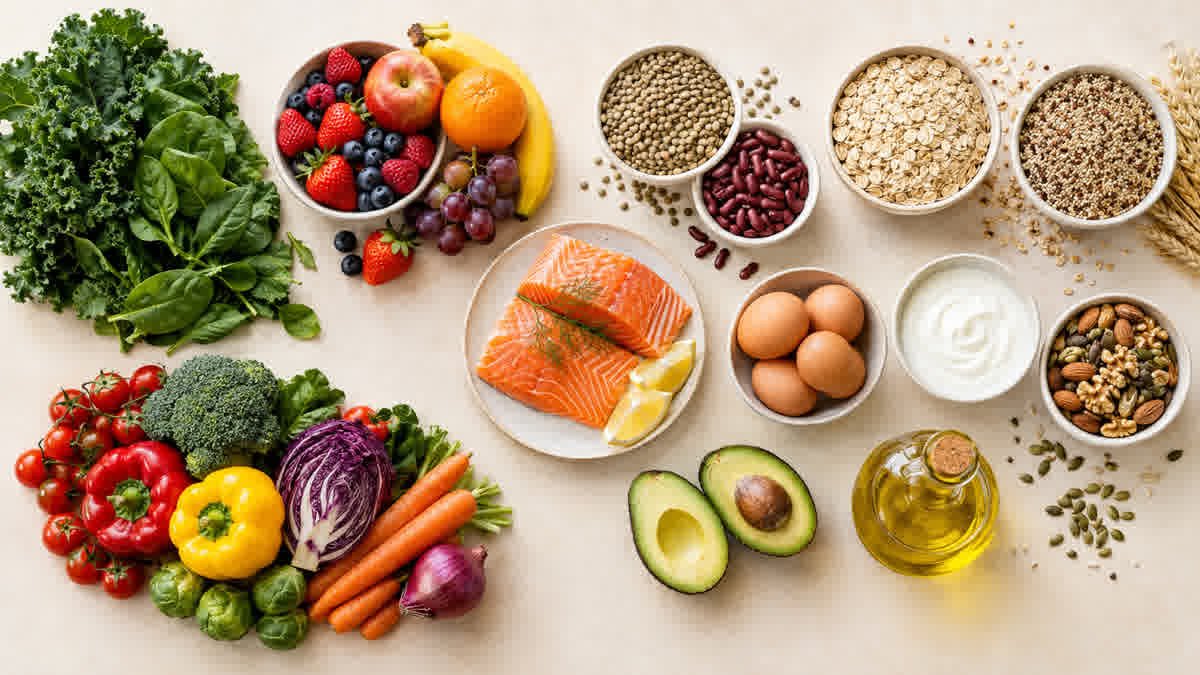

Healthy foods do not have to be expensive, exotic, or restrictive. Everyday choices like vegetables, beans, whole grains, eggs, and fish can supply the vitamins, minerals, fiber, protein, and healthy fats your body uses every day. What matters most is the overall pattern of what you eat, not any single ingredient.
Whole and minimally processed foods tend to offer more nutrients per bite than highly processed ones. The best choices for you will also depend on your nutritional needs, health conditions, food preferences, culture, and budget. There is no single perfect food, and nobody needs to eat all 10 foods in this article every day.
Below you will find 10 versatile food groups, what each one offers, and simple ways to enjoy them. You will also find practical tips for building balanced meals, a sample day of eating, and answers to common questions. It is general information, not individual medical advice, and it works well alongside what a balanced diet looks like.
What Makes a Food Healthy?
Healthy foods are generally nutrient-dense, meaning they provide plenty of vitamins, minerals, and other beneficial components relative to their calories. The Dietary Guidelines for Americans encourage choosing nutrient-dense foods from every food group and limiting added sugars, sodium, and saturated fat. The World Health Organization similarly stresses variety, plenty of fruits and vegetables, and moderate salt and sugar.
A healthy eating pattern usually includes:
- Vitamins and minerals that support normal body functions
- Protein for tissue maintenance and repair
- Fiber for digestive health
- Unsaturated fats for essential fatty acids and better overall fat quality
- Variety from vegetables, fruits, legumes, whole grains, and suitable animal or plant protein sources
It is better not to label individual foods as universally good or bad, or to judge them by calories alone. Our guide to building a healthy diet explains how these pieces fit together.
10 Healthy Foods You Should Include in Your Daily Diet
The foods below are flexible, widely available, and used in many cuisines. Nutrient amounts vary by variety, preparation, and brand, so use the USDA FoodData Central database if you need exact figures.
1. Leafy Green Vegetables
Spinach, kale, collard greens, bok choy, and amaranth leaves are good examples. Depending on the vegetable, they can provide folate, vitamin K, carotenoids, and fiber, usually with few calories. Eating a variety helps cover more nutrients.
Add greens to dal, soups, omelets, curries, or salads, or stir them in at the end of cooking. Cooking reduces their volume, so a large pile of raw leaves becomes an easy serving. Learn more about the benefits of leafy green vegetables, including who needs to take extra care with some greens.
2. Berries and Other Colorful Fruits
Strawberries, blueberries, oranges, guava, papaya, and mangoes provide vitamin C, fiber, and naturally occurring plant compounds. Whole fruit is a better choice than juice for most people, because it keeps the fiber. Fresh, frozen, and canned fruit packed in water or juice can all work.
Seasonal, local fruit is often more affordable than imported berries and just as useful. Add fruit to oatmeal or yogurt, or keep it ready as a snack. For more on plant compounds, see our list of foods rich in antioxidants. Keep in mind that antioxidant activity in a laboratory does not prove that a food prevents a specific disease.
3. Beans, Lentils, and Other Legumes
Lentils, chickpeas, kidney beans, black beans, and mung beans provide plant protein, fiber, folate, and iron. According to the Dietary Guidelines, legumes count as both a vegetable and a protein food. Their fiber and protein can contribute to fullness and regular digestion.
Use them in dal, chickpea salads, bean soups, chili, or lentil curries. Pair them with a vitamin C-rich food such as tomatoes or peppers to help absorb the iron. Our guides to high-protein foods and iron-rich foods offer more ideas. Dried kidney beans must be thoroughly boiled before eating.
4. Whole Grains and Oats
Oats, brown rice, whole-wheat bread, whole-wheat roti, quinoa, and barley supply carbohydrates for energy, fiber, and varying amounts of B vitamins and minerals. The Dietary Guidelines encourage making at least half of your grains whole grains.
They fit into familiar meals easily. Have oatmeal for breakfast, or choose brown rice or whole-wheat roti at lunch or dinner. Check ingredient lists, because a product labeled multigrain is not always whole grain. You can read more about high-fiber foods for digestive health.
5. Fatty Fish
Salmon, sardines, mackerel, trout, and local oily fish provide high-quality protein and long-chain omega-3 fatty acids. The NIH Office of Dietary Supplements notes that fish is the main dietary source of EPA and DHA. Some fish also supply vitamin D and vitamin B12, although amounts vary by species.
Canned sardines and canned salmon are budget-friendly alternatives to fresh fillets. Bake, grill, or steam fish more often than frying it. Our guides to fatty fish, omega-3 fatty acids, and foods that provide vitamin B12 go into more detail. People who are pregnant or feeding young children should follow the FDA’s advice about eating fish.
6. Eggs
Eggs are a versatile source of protein, vitamin B12, and choline, a nutrient involved in normal cell function and brain development, as the NIH choline fact sheet describes. Most of the vitamin D, choline, and B12 is in the yolk.
Boil them, scramble them with vegetables, make a vegetable omelet, or serve them with whole-grain toast. Eggs do not guarantee better brain function, and a single intake recommendation does not suit everyone. If you have a condition that affects cholesterol or heart health, ask your clinician how eggs fit into your diet.
7. Yogurt and Other Fermented Foods
Plain yogurt, unsweetened curd, and kefir can provide protein, calcium, and, in products that contain them, live microorganisms. Fermented foods differ in their cultures, and not every fermented product qualifies as a probiotic food with demonstrated benefits, according to the National Center for Complementary and Integrative Health.
Choose plain versions and add fruit, nuts, or seeds for flavor, since flavored yogurts often contain added sugar. Fortified soy yogurt can be an option for people who avoid dairy. To read more, see our articles on probiotics and how to support your gut health.
8. Nuts and Seeds
Walnuts, almonds, peanuts, pistachios, sesame seeds, and chia seeds provide unsaturated fats, plant protein, fiber, and minerals such as magnesium. Walnuts, chia, and flaxseed also contain the plant omega-3 fat ALA.
A small handful goes a long way. Sprinkle seeds on salads or oatmeal, add nuts to a stir-fry, or spread peanut butter on whole-grain toast. Nuts are calorie-dense, but that does not make them unhealthy; portions simply matter. Nut and seed allergies can be serious, so avoid them if you or a family member has one. Our guide to nutrient-dense foods offers more ideas.
9. Colorful Vegetables
Carrots, tomatoes, broccoli, bell peppers, pumpkin, and sweet potatoes each bring different combinations of fiber, vitamins, minerals, and plant compounds. Eating a range of colors is an easy way to vary your intake. Harvard’s Healthy Eating Plate suggests filling about half your plate with vegetables and fruits.
Fresh, frozen, and canned vegetables can all be good options, so use whichever suits your budget and schedule. Choose canned vegetables with low or no added sodium when possible. Roast them, add them to soups, or blend them into sauces. You can also explore our list of antioxidant-rich foods and our guide to leafy green vegetables.
10. Foods Rich in Healthy Unsaturated Fats
Olive oil, canola oil, avocado, nuts, and fatty fish provide unsaturated fats. The Dietary Guidelines recommend replacing some saturated fat, found in butter, fatty meat, and many processed foods, with unsaturated fat. This can improve the quality of your overall fat intake.
Use measured amounts of oil for cooking, drizzle olive oil over vegetables, add avocado to sandwiches or salads, or snack on nuts. All fats are calorie-dense, so portions still count. The traditional Mediterranean-style eating pattern is a well-known example of a diet built around unsaturated fats.
How to Include Healthy Foods in Your Daily Diet
Consistency and variety matter more than perfection. These strategies can make healthy eating realistic.
Build Balanced Meals
Combine vegetables, a protein-rich food, and a whole grain or other staple carbohydrate at most meals. MyPlate offers a simple visual guide to how much of each food group to include.
Choose Seasonal and Affordable Ingredients
Rotate lentils, eggs, canned fish, seasonal produce, oats, and peanuts. Frozen and canned options can reduce waste and cost, while keeping much of the nutrition.
Prepare Meals Ahead of Time
Wash and chop produce, cook a batch of beans or lentils, and portion out snacks. Having healthy foods ready makes them easier to choose on busy days.
Make Gradual Changes
Add one new food or improve one meal at a time, rather than overhauling your diet overnight. Small changes are easier to keep. Our guides to living a healthy lifestyle and the healthiest foods to eat every day can support you.
Sample Daily Meal Plan Using Healthy Foods
This example shows how the foods above can fit into one day.
| Meal | Example |
|---|---|
| Breakfast | Oats with fruit, nuts, or plain yogurt |
| Lunch | Rice or whole-wheat roti with lentils, leafy vegetables, and fish or eggs |
| Snack | Seasonal fruit or a small handful of nuts |
| Dinner | Mixed vegetables, beans or fish, and a suitable grain or staple |
This is an illustrative template, not a personalized diet prescription. Portions and ingredients should reflect your energy needs, health conditions, cultural preferences, and food availability. A registered dietitian can help you tailor a plan.
Frequently Asked Questions About Healthy Foods
What are the healthiest foods to eat every day?
There is no single top food. A varied diet with vegetables, fruits, legumes, whole grains, protein foods, and suitable healthy fats is more useful than relying on any one ingredient. The Dietary Guidelines for Americans describe this approach in detail.
Can I eat healthy foods on a budget?
Yes. Lentils, beans, eggs, seasonal produce, oats, peanuts, canned fish, and frozen vegetables can provide important nutrients without costly specialty products.
How many healthy foods should I eat daily?
Focus on variety across food groups instead of a fixed number of individual foods. Needs differ with age, activity level, health status, and other personal factors.
Are frozen and canned foods healthy?
Many frozen and canned fruits, vegetables, beans, and fish are nutritious choices. Look for options with little or no added sugar and, where practical, lower sodium.
Do I need supplements if I eat these foods?
Many people meet their needs through food, but some groups, such as people on vegan diets or older adults, may need specific nutrients from fortified foods or supplements. A healthcare professional can advise you on your situation.
Is it okay to eat the same healthy foods every day?
Eating some favorites often is fine, but rotating foods helps you cover a wider range of nutrients. Try swapping in a different vegetable, grain, or protein source each week.
Final Thoughts on Healthy Foods
A healthy diet comes from eating a variety of nourishing foods regularly, not from chasing superfoods. Start with realistic changes, choose ingredients you enjoy, and keep habits that fit your budget and lifestyle. To keep learning, explore CollectedMed’s other nutrition guides.
Sources
- U.S. Department of Agriculture and U.S. Department of Health and Human Services: Dietary Guidelines for Americans
- World Health Organization: Healthy Diet
- USDA MyPlate
- Harvard T.H. Chan School of Public Health: Healthy Eating Plate
- USDA FoodData Central
- NIH Office of Dietary Supplements: Omega-3 Fatty Acids
- NIH Office of Dietary Supplements: Choline
- NCCIH: Probiotics, Usefulness and Safety
- U.S. Food and Drug Administration: Advice About Eating Fish
Medical Disclaimer: This article is for educational purposes only and is not a substitute for professional medical advice, diagnosis, or treatment. Always talk with a doctor, registered dietitian, or other qualified healthcare provider before making major changes to your diet, especially if you have allergies, a chronic condition, or take regular medication. If you think you are having a medical emergency, call 911 or your local emergency number right away.
2 thoughts on “10 Healthy Foods You Should Include in Your Daily Diet”
Comments are closed.