
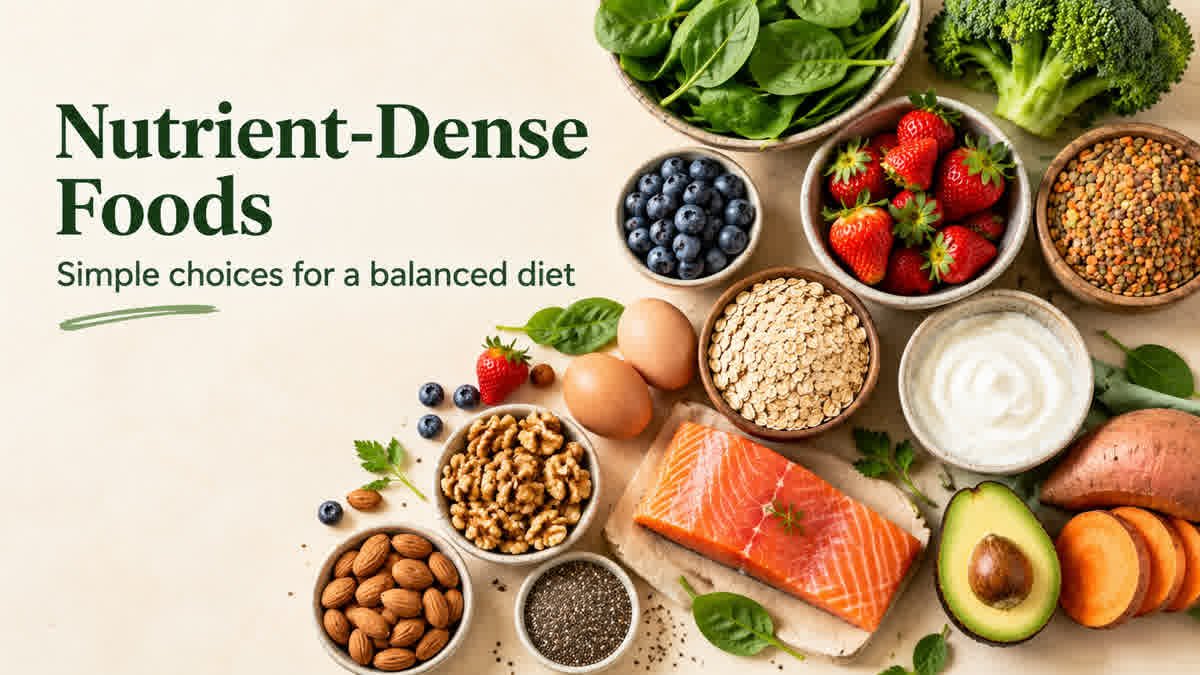

If you have ever stood in the grocery store wondering which foods give you the most for your money and your calories, you are asking a question about nutrient density. Nutrient-dense foods supply a lot of vitamins, minerals, protein, fiber, or unsaturated fats compared with the energy (calories) they contain. Building meals around these foods is one of the simplest ways to improve everyday eating without following a complicated plan.
Nutrient density is not a strict ranking, and there is no single perfect food. Different foods provide different nutrients, and your needs depend on age, health, activity level, and personal circumstances. That is why the most useful approach is variety. Fresh, frozen, canned, and dried foods can all fit.
This guide explains what nutrient-dense foods are and shares 15 accessible choices, including their key nutrients, potential benefits, and easy ways to serve them. It also covers practical tips for adding them to your meals and answers common questions. To explore more everyday options, you can also browse our list of healthy foods.
What Are Nutrient-Dense Foods?
Nutrient-dense foods provide substantial amounts of essential nutrients relative to their energy content. Depending on the food, those nutrients can include vitamins, minerals, protein, fiber, and unsaturated fats. The Dietary Guidelines for Americans encourage choosing nutrient-dense foods across all food groups, in forms with little or no added sugars, saturated fat, and sodium.
Calories and nutrient density are different ideas. Calories measure energy. Nutrient density describes how many nutrients a food delivers in relation to that energy.
A few points help put this in perspective:
- Why it matters: A varied selection of nutrient-rich foods can help you meet your nutritional needs and support normal body functions.
- Whole and minimally processed choices: Vegetables, fruits, legumes, whole grains, nuts, seeds, eggs, fish, and dairy or fortified alternatives can all contribute.
- Variety is important: No single food provides every nutrient in the amounts everyone needs.
- Flexibility: Canned, frozen, and fresh foods can all be part of a nutritious eating pattern.
Nutrient density varies by serving size, preparation, and individual needs, so treat it as a helpful guide rather than a scoreboard. To see how these foods fit together over a day, read about what a balanced diet looks like. You can check the nutrient content of specific foods in USDA FoodData Central.
15 Nutrient-Dense Foods to Include in Your Diet
The foods below are examples, not a ranking, and you do not need to eat all of them. Nutrient amounts vary by variety, preparation, and fortification, so check labels where relevant.
1. Spinach and Other Leafy Greens
Leafy greens supply folate, vitamin K, carotenoids, and other vitamins and minerals. Vitamin K plays a role in normal blood clotting, and these greens contribute to a varied diet that supports bone health and other body functions. Cooking reduces their volume, which can make larger servings easier to eat.
If you take a blood thinner such as warfarin, keep your vitamin K intake consistent and talk with your clinician before changing how much you eat. Learn more about the health benefits of leafy green vegetables.
Serving ideas: Add spinach to omelets, soups, lentil dishes, salads, or smoothies.
2. Broccoli
Broccoli provides vitamin C, vitamin K, folate, fiber, and plant compounds. It contributes to your fiber intake, and vitamin C supports normal immune function. Steaming, roasting, or stir-frying makes it easy to add to meals.
Serving ideas: Serve roasted broccoli with rice and beans, add it to pasta, or stir-fry it with tofu.
3. Berries
Strawberries, blueberries, raspberries, and other berries offer vitamin C, fiber, and polyphenols. They are a useful part of a varied fruit intake. Berries are well studied for their nutrient content, while research on individual plant compounds is still developing, so avoid expecting any one berry to deliver specific health results. Our article on antioxidant-rich foods offers more context.
Serving ideas: Add berries to oatmeal, yogurt, or fruit bowls. Frozen berries are a practical option.
4. Eggs
Eggs provide high-quality protein, vitamin B12, choline, and selenium. They fit easily into many meals. The vitamin D content varies, and eggs are not a complete source of every nutrient. The NIH Office of Dietary Supplements explains where vitamin B12 comes from in the diet, and you can read more about vitamin B12 benefits and food sources in our guide.
Serving ideas: Try boiled eggs with whole-grain toast, vegetable omelets, or eggs added to rice and vegetable dishes.
5. Fatty Fish
Salmon, sardines, trout, and mackerel provide protein, vitamin B12, long-chain omega-3 fatty acids, and vitamin D in varying amounts. As part of an overall healthy eating pattern, fish can contribute to normal brain function and cardiovascular health. Omega-3 and vitamin D levels differ by species. See the NIH fact sheet on omega-3 fatty acids for details.
If you are pregnant, breastfeeding, or feeding young children, the FDA’s advice about eating fish can help you choose lower-mercury options. For more, see our guides to fatty fish, omega-3 fatty acids, and foods high in vitamin D.
Serving ideas: Bake fish, add sardines to whole-grain toast, or serve fish with vegetables and rice.
6. Plain Yogurt
Yogurt provides protein, calcium, vitamin B12, and varying amounts of other nutrients. Ordinary yogurt is not the same as a product that contains live cultures, so not every yogurt is a probiotic food. Check the label if that matters to you. Our guides on probiotic-rich foods and calcium-rich foods offer more detail.
Serving ideas: Combine plain yogurt with fruit, oats, nuts, or seeds. If you avoid dairy, choose a suitably fortified alternative.
7. Lentils
Lentils offer plant-based protein, fiber, folate, iron, and potassium. They are affordable and versatile. The iron in plant foods (non-heme iron) is absorbed differently from the iron in animal foods, and eating vitamin C-rich foods at the same meal can improve absorption, according to the NIH Office of Dietary Supplements. Our list of iron-rich foods has more ideas.
Serving ideas: Make lentil soup, dal, lentil curry, or a lentil-and-vegetable salad.
8. Beans and Chickpeas
Beans and chickpeas supply fiber, plant protein, folate, iron, and other minerals. They help diversify your protein sources and raise fiber intake. Canned beans are convenient, and rinsing them can reduce excess sodium when that is a concern. If you are new to legumes, increase portions gradually. See our guides on high-fiber foods for digestive health and the best prebiotic foods.
Serving ideas: Prepare chickpea curry, bean soup, hummus, or a mixed-bean salad.
9. Oats
Oats provide fiber, thiamin, manganese, and other minerals. They contain beta-glucan, a soluble fiber associated with helping maintain healthy cholesterol levels as part of an appropriate diet. Oats alone do not prevent or treat disease.
Serving ideas: Prepare oatmeal with milk or a fortified alternative, add fruit and nuts, or use oats in homemade breakfast recipes.
10. Quinoa and Other Whole Grains
Whole grains supply carbohydrates, fiber, minerals, and some protein. Quinoa contains all nine essential amino acids, although the amount you eat and your overall diet still matter. Accessible alternatives include brown rice, whole-wheat bread, and other whole grains. For broader guidance, see what makes up a healthy diet.
Serving ideas: Use quinoa or brown rice as a base for vegetables, beans, eggs, or fish.
11. Nuts
Depending on the variety, nuts provide unsaturated fats, protein, fiber, magnesium, and vitamin E. Almonds, walnuts, peanuts, and other common nuts can all contribute to a balanced eating pattern. Because nuts are energy-dense, appropriate portions depend on your individual energy needs. People with nut allergies should avoid them.
Serving ideas: Add a small handful to oatmeal, yogurt, or fruit, or use unsalted peanuts in savory dishes.
12. Seeds
Chia, flax, pumpkin, and sesame seeds provide unsaturated fats, fiber, protein, and minerals. Their profiles differ: flax and chia, for example, contain alpha-linolenic acid, a plant-based omega-3 fatty acid. This type of omega-3 is different from the long-chain omega-3s found in fish. Read more about omega-3 fatty acids.
Serving ideas: Sprinkle seeds over oats, yogurt, salads, or vegetable dishes.
13. Sweet Potatoes
Sweet potatoes offer carbohydrates, fiber, potassium, and beta-carotene, especially in orange-fleshed types. Your body can convert beta-carotene into vitamin A. They are a useful source of energy and micronutrients, though they are not inherently better than every other potato.
Serving ideas: Bake, steam, or roast sweet potatoes and serve them with lentils, eggs, beans, or vegetables.
14. Avocados
Avocados provide monounsaturated fats, fiber, folate, and potassium. They add unsaturated fat and fiber to meals. Even nutrient-dense foods differ in energy content, so consider serving size within your whole diet. That is not a reason to avoid them.
Serving ideas: Add avocado to toast, salads, sandwiches, or rice bowls.
15. Milk and Fortified Dairy Alternatives
Milk contributes protein and calcium, along with vitamin B12 and vitamin D depending on the product. Fortified plant-based drinks may offer similar nutrients if the label confirms the amounts, but they are not all equivalent in protein or micronutrients. The NIH Office of Dietary Supplements has more on calcium sources, and our guide to vitamin B12 benefits and food sources covers another nutrient found here.
Serving ideas: Use milk in oatmeal or smoothies, or choose a fortified alternative for cereal and cooking.
How to Add More Nutrient-Dense Foods to Your Diet
Small, realistic changes work better than a complete overhaul. The following ideas can help you get started.
Build Meals Around Variety
Combine vegetables or fruit, a protein source, and a grain or starchy food. A balanced meal does not need to follow a rigid formula. The World Health Organization also emphasizes variety, with plenty of vegetables, fruits, legumes, nuts, and whole grains.
Choose Accessible, Affordable Ingredients
Lentils, beans, eggs, seasonal vegetables, bananas, oats, peanuts, and locally available fish are practical choices. Frozen vegetables, canned legumes, and plain frozen fruit can be nutritious and convenient. They are often easier on a budget, and they reduce food waste.
Make Small Substitutions
- Add spinach or other vegetables to eggs and rice dishes.
- Replace some refined grains with whole grains when practical.
- Add beans or lentils to soups, curries, and stews.
- Pair fruit with yogurt or nuts for a snack.
- Include fish, eggs, or legumes regularly as protein sources.
Consider Preparation and Nutrient Absorption
Preparation affects some nutrients. Pairing vitamin C-rich foods with legumes and leafy greens can improve absorption of non-heme iron. Use safe food handling and cooking methods suited to each ingredient, such as cooking dried beans thoroughly.
For more ideas, explore our list of the healthiest foods to eat every day or learn about a Mediterranean-style eating pattern. If you want to understand how plant fibers feed gut microbes, see our 15 prebiotic-rich foods.
Frequently Asked Questions
What is the most nutrient-dense food?
There is no single best food. Different foods provide different nutrients, and the most useful choices depend on your needs, access, preferences, and overall eating pattern.
Can nutrient-dense foods help maintain overall health?
Yes. Eating a variety of foods that provide essential vitamins, minerals, protein, fiber, and healthy fats can help meet nutritional needs and support normal body functions. No single food guarantees good health. The Dietary Guidelines for Americans describe healthy eating patterns in detail.
Are frozen fruits and vegetables as nutritious as fresh ones?
Frozen produce can retain many important nutrients and is a practical alternative to fresh. Nutrient levels vary by food, processing, storage, and cooking method.
How can I eat more nutrient-dense foods on a budget?
Focus on seasonal produce, dried or canned beans, lentils, eggs, oats, peanuts, and locally available fish. Frozen vegetables can also be convenient. Plan meals around ingredients that work in several dishes.
Do nutrient-dense foods need to be eaten every day?
A varied eating pattern across days matters more than eating every listed food daily. Regularly including different vegetables, fruits, protein sources, whole grains, and healthy fats improves overall variety.
Are nutrient-dense foods the same as superfoods?
No. “Superfood” is a popular marketing term, not a formal nutritional category. Nutrient density is a more useful way to describe how much nutritional value a food provides relative to its energy content.
Conclusion: Build a More Nutrient-Rich Diet
Nutrient-dense foods work best when you focus on variety, balance, and consistency, not expensive ingredients or a short list of supposedly perfect foods. Start small. Add leafy greens to a meal, choose lentils or beans more often, eat fruit with breakfast, or include nuts and seeds in snacks.
Fresh, frozen, canned, and dried ingredients can all contribute to a balanced diet. If you have a health condition, food allergy, or specific dietary restriction, talk with your doctor or a registered dietitian before making major changes. For broader everyday guidance, see how to build a healthy lifestyle.
Sources
- U.S. Department of Agriculture and U.S. Department of Health and Human Services: Dietary Guidelines for Americans
- USDA FoodData Central
- World Health Organization: Healthy diet
- NIH Office of Dietary Supplements: Vitamin B12
- NIH Office of Dietary Supplements: Iron
- NIH Office of Dietary Supplements: Calcium
- NIH Office of Dietary Supplements: Omega-3 Fatty Acids
- FDA: Advice About Eating Fish
Medical Disclaimer: This article is for general education only and is not a substitute for professional medical or nutrition advice, diagnosis, or treatment. Talk with your doctor or a registered dietitian before making major changes to your diet, especially if you have a medical condition, food allergy, or take medicines that interact with certain foods. Do not ignore professional advice or delay care because of something you read here. If you think you may be having a medical emergency, call 911 or your local emergency number.