
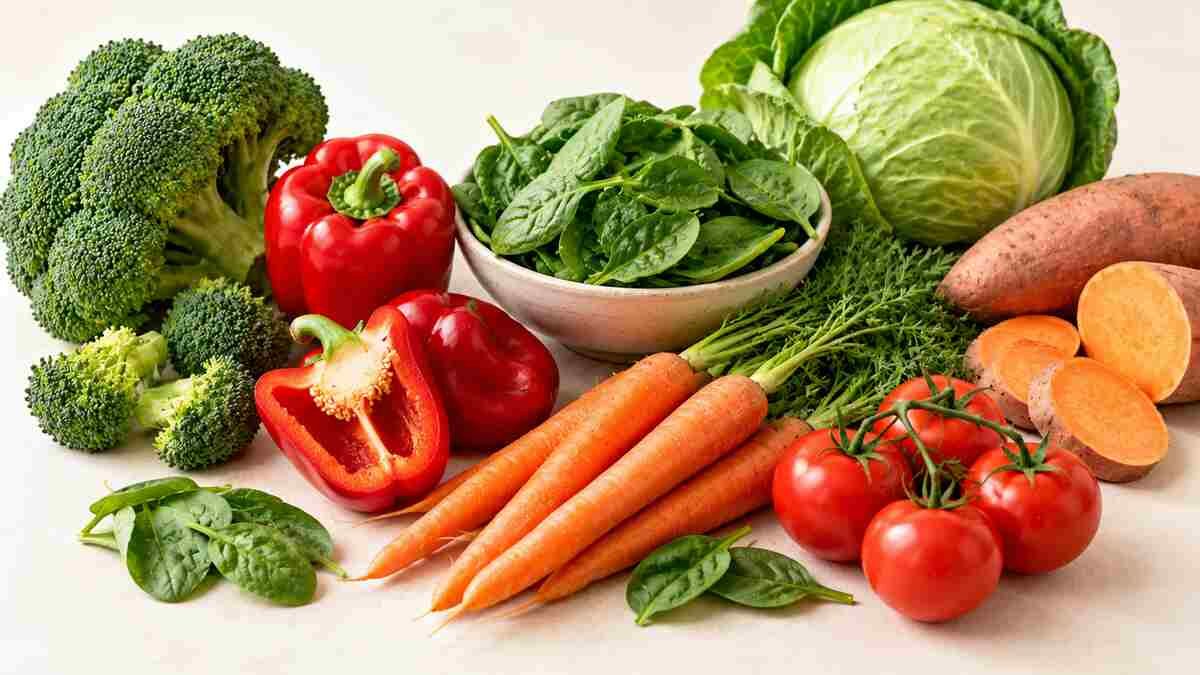

Healthy aging is not just about living longer. It is about keeping the ability to move comfortably, think clearly, stay independent, and enjoy daily life. Research on vegetables and healthy aging suggests that what you eat over many years can play a supporting role.
Vegetables supply fiber, vitamins, minerals, and other beneficial plant compounds. They fit into nearly every healthy eating pattern, from Mediterranean-style meals to the DASH plan. Still, no single vegetable or food can stop aging or guarantee a longer life, and genetics, activity, sleep, and health care all matter too.
This guide explains what healthy aging means and six ways vegetables may support it. It also covers seven vegetables worth adding to your meals, practical ways to eat more of them, and answers to common questions. The goal is to help you build habits you can keep up, not chase a miracle food.
What Does Healthy Aging Really Mean?
Healthy aging is about more than avoiding disease. It includes staying physically capable, keeping your mind sharp, managing long-term health risks, and preserving independence and quality of life.
A 2025 Nature Medicine study used a multidimensional definition. It counted healthy aging as living to age 70 free of major chronic diseases while also maintaining cognitive, physical, and mental health. Researchers followed 105,015 people for up to 30 years and found that 9,771 (9.3%) met that standard.
Higher long-term adherence to each of eight healthy dietary patterns was associated with greater odds of healthy aging. The study’s authors described these patterns as richer in fruits, vegetables, whole grains, unsaturated fats, nuts, and legumes. The NIH summarized the results this way: a variety of healthful eating patterns can promote healthy aging in later years.
This research has limits. It is observational, which means it shows associations, not proof of cause and effect. The participants were health professionals, so the results may not apply equally to everyone.
Healthy aging also depends on physical activity, sleep, social connection, and access to health care. Vegetables are one important piece of that larger picture. For a broader view of eating well, see our guide to what a balanced diet looks like.
6 Ways Vegetables May Support Healthy Aging
The evidence below comes mostly from studies of overall eating patterns. It does not show that vegetables alone cause better aging. A 2024 review of diet and healthy aging in older adults noted that current evidence is limited to epidemiological studies. It concluded that a diet built around plant-based foods, adequate protein, and healthy fats potentially promotes healthy aging.
1. Provide Nutrients That Support Overall Health
Vegetables supply a wide range of nutrients. Leafy greens provide folate and vitamin K. Red bell peppers and broccoli provide vitamin C. Carrots and sweet potatoes provide beta-carotene, which the body can convert into vitamin A.
Different vegetables offer different combinations, so variety broadens your nutrient intake. This matters more as appetite, energy needs, and food preferences change with age. Eating leafy greens, carrots, broccoli, and tomatoes across several meals covers more ground than relying on one vegetable.
No single vegetable supplies everything the body needs. For nutrient-specific ideas, see our guides to vegetables high in vitamin C and the benefits of leafy green vegetables.
2. Support Digestive Health Through Dietary Fiber
Many vegetables provide dietary fiber, which supports regular bowel movements and fits into a healthy eating pattern. Peas, broccoli, carrots, and leafy greens can all help raise your fiber intake. Different kinds of fiber act differently in the digestive system.
If you are not used to much fiber, increase it gradually and drink enough fluids. That helps your body adjust. Adding vegetables to soups, lentil dishes, or rice meals is an easy way to start.
Comfortable digestion supports everyday well-being, but vegetables alone do not prevent every digestive problem that can come with age. For more, see our guide to vegetables for gut health.
3. Contribute to Cardiovascular Health
Cardiovascular health is a big part of healthy aging, because heart and blood vessel conditions can affect mobility and independence. The American Heart Association reports that eating patterns rich in fruits and vegetables (except white potatoes) are associated with lower cardiovascular risk.
Vegetables provide fiber and, depending on the type, potassium. Potassium plays a role in normal blood pressure regulation, and the DASH eating plan was designed around foods rich in it. Vegetables also pair well with whole grains, legumes, nuts, and unsaturated fats.
A meal of vegetables, lentils, and whole grains shows how this works in practice. Go easy on added salt and fats. Eating vegetables does not by itself prevent heart disease. For more, see our guide to the best vegetables for heart health.
4. Supply Antioxidants and Other Beneficial Plant Compounds
Vegetables contain carotenoids (in orange, red, and dark-green types), vitamin C, and other plant compounds. Cruciferous vegetables such as cabbage, cauliflower, and broccoli contain their own distinctive compounds.
Researchers study oxidative stress and inflammation in relation to aging and chronic disease, and vegetables supply nutrients relevant to those processes. But how eating specific foods affects human aging is complex and not fully understood. Antioxidants from vegetables do not reverse aging or guarantee protection against any disease.
Variety is more useful than focusing on one compound or one color. A meal with carrots, broccoli, cabbage, and red peppers offers several different plant compounds. Learn more about cruciferous vegetables.
5. May Contribute to Cognitive Health Through Overall Diet Quality
Cognitive health helps people stay independent as they age. In the Nature Medicine study, healthy aging included cognitive health, and the eight patterns studied included the Mediterranean and MIND diets. Higher adherence to those patterns was associated with greater odds of healthy aging overall.
Those findings are about whole dietary patterns, not individual vegetables. They do not show that any vegetable prevents dementia. Leafy greens supply folate and other nutrients, and eating them within a varied pattern is a practical way to support overall diet quality.
6. Help Build Sustainable Eating Habits for the Long Term
One of the most practical benefits of vegetables is that they can become part of an enjoyable routine. You can add them to familiar foods without a restrictive diet. Fresh, frozen, and suitable canned options make this flexible.
Healthy aging is shaped by habits kept up over years, not by occasional “superfoods.” The Nature Medicine researchers suggested that plant-rich patterns with moderate amounts of healthy animal foods may enhance healthy aging. Small, repeatable changes tend to last longer than dramatic overhauls.
7 Vegetables to Include in a Healthy Aging Diet
No vegetable can slow aging on its own. These seven are useful because they offer different nutrients and work in many meals. You do not need to buy all of them every week, so rotate based on season, taste, availability, and budget.
1. Leafy Greens
Spinach, kale, amaranth leaves, and other local greens provide folate, vitamin K, carotenoids, and fiber. Add them to soups, lentil dishes, curries, omelets, or stir-fries.
2. Broccoli
Broccoli offers vitamin C, fiber, folate, and plant compounds. Steam, roast, or stir-fry it, or add it to soups and mixed vegetable dishes.
3. Carrots
Carrots provide beta-carotene, fiber, and other plant compounds. Use them in soups, rice dishes, salads, and vegetable curries.
4. Red Bell Peppers
Red peppers supply vitamin C, carotenoids, and fiber. Slice them into salads, stir-fries, or sandwiches, or cook them into vegetable dishes.
5. Tomatoes
Tomatoes contain vitamin C, potassium, and lycopene. They work well in soups, sauces, salads, curries, and everyday meals.
6. Cabbage
Cabbage offers vitamin C, fiber, and other plant compounds. Use it in soups, stir-fries, salads, and side dishes.
7. Sweet Potatoes
Orange-fleshed sweet potatoes are a good source of beta-carotene, with fiber and potassium too. Roast, steam, or bake them and serve with protein foods and other vegetables.
Guidelines treat starchy vegetables differently. For example, the WHO does not count sweet potatoes, potatoes, or cassava toward its fruit and vegetable target. Our guide to starchy vs. non-starchy vegetables explains the difference.
How to Eat More Vegetables for Long-Term Health
Small steps are easier to sustain than big changes. These ideas help turn the research into daily habits.
Add Vegetables to Foods You Already Enjoy
Put spinach in eggs, carrots in rice, cabbage in noodles, or tomatoes on sandwiches. You do not have to change your whole diet. See our guide on how to eat more vegetables for more ideas.
Aim for Variety Throughout the Week
Rotate leafy greens, orange vegetables, cruciferous vegetables, and others. The WHO recommends that adults eat at least 400 grams of fruits and vegetables combined per day. This is a combined target, not 400 grams of vegetables alone, and individual needs vary. Our guide on how many vegetables a day compares the main guidelines.
Choose Fresh, Frozen, or Canned Options
All three can fit into a nutritious diet. Frozen vegetables are convenient, and canned ones can save prep time. For canned products, check labels for sodium and added ingredients. See whether frozen vegetables are healthy for more detail.
Pair Vegetables With Other Nutrient-Rich Foods
Vegetables are one part of a balanced diet. Combine them with beans, lentils, eggs, fish, poultry, or tofu, plus whole grains and healthy fats like nuts, seeds, or unsaturated oils.
This matters for healthy aging because energy, protein, and nutrient needs can change in later life. The 2024 review above emphasizes adequate protein-rich foods and healthy fats alongside plant foods. If you have a health condition, a smaller appetite, or unplanned weight loss, a doctor or registered dietitian can help tailor your plan.
Choose Preparation Methods You Enjoy
Roasting, steaming, stir-frying, and cooking vegetables into soups or curries all work. The best method is the one that gets vegetables onto your plate regularly.
Do Raw or Cooked Vegetables Offer More Benefits?
Neither is better for everyone. Raw vegetables can retain heat-sensitive nutrients, such as some vitamin C. They are convenient for salads and snacks, and they add crunch and variety.
Cooked vegetables can be easier to chew and digest for some people. Cooking can also make certain compounds more available, such as lycopene in tomatoes. Some water-soluble vitamins can be lost in cooking, depending on the method.
Steaming, microwaving, or cooking with little water can help retain nutrients. Eating a mix of both gives you variety and makes vegetables easier to enjoy. For more, see our comparison of raw vs. cooked vegetables.
Frequently Asked Questions
Which vegetables are best for healthy aging?
Leafy greens, broccoli, carrots, tomatoes, bell peppers, cabbage, and sweet potatoes are useful options. They provide different mixes of vitamins, minerals, fiber, and plant compounds. No single vegetable is best for everyone, so variety matters more than any one choice.
Can eating vegetables help you live longer?
Eating vegetables as part of a balanced pattern is associated with better markers of long-term health. In the Nature Medicine study, healthy dietary patterns were linked with greater odds of healthy aging. Longevity also depends on genetics, physical activity, smoking, health care access, and other factors, so vegetables alone cannot guarantee a longer life.
How many vegetables should I eat each day?
It depends on your age, needs, and which guideline you follow. The WHO recommends at least 400 grams of fruits and vegetables combined daily for adults. Vegetables work best as part of a varied diet, not as the only important food group.
Are frozen vegetables good for healthy aging?
Yes. Frozen vegetables can be nutritious and convenient, and they help many people keep variety in their meals. Their nutrient content varies by vegetable and processing, and plain products without heavy sauces or extra salt are a good choice.
Is it better to eat vegetables raw or cooked?
Both can be part of a healthy diet. Raw vegetables keep some heat-sensitive nutrients, while cooking can improve the availability of certain compounds and make some vegetables easier to eat. A combination is a practical approach.
Final Thoughts
Vegetables give you fiber, vitamins, minerals, and plant compounds that support a nutritious diet throughout adulthood. The research on vegetables and healthy aging points to the value of overall eating patterns, not one special food.
Healthy aging also involves physical activity, sleep, social connection, and regular health care. You do not need an expensive or restrictive diet to begin. Start with vegetables you enjoy, try different colors and cooking methods, and add them to familiar meals.
Learn more about the health benefits of eating vegetables as you build your routine.
Sources
- Wang et al.: Optimal dietary patterns for healthy aging (Nature Medicine, 2025)
- National Institutes of Health: Midlife eating patterns tied to health decades later (NIH Research Matters)
- Yeung SSY, Kwan M, Woo J: Composition of healthy diets for older persons (Current Opinion in Clinical Nutrition and Metabolic Care, 2024)
- American Heart Association: 2021 Dietary Guidance to Improve Cardiovascular Health (Circulation)
- National Heart, Lung, and Blood Institute (NIH): DASH Eating Plan
- World Health Organization: Healthy diet fact sheet
Medical Disclaimer: This article is for general educational purposes only and is not a substitute for professional medical advice, diagnosis, or treatment. Eating vegetables supports a healthy diet but cannot guarantee a longer life or prevent any disease. Talk with your doctor or a registered dietitian before making major diet changes, especially if you have a medical condition or take medicines.
2 thoughts on “Why Eating Vegetables Supports Healthy Aging”
Comments are closed.