
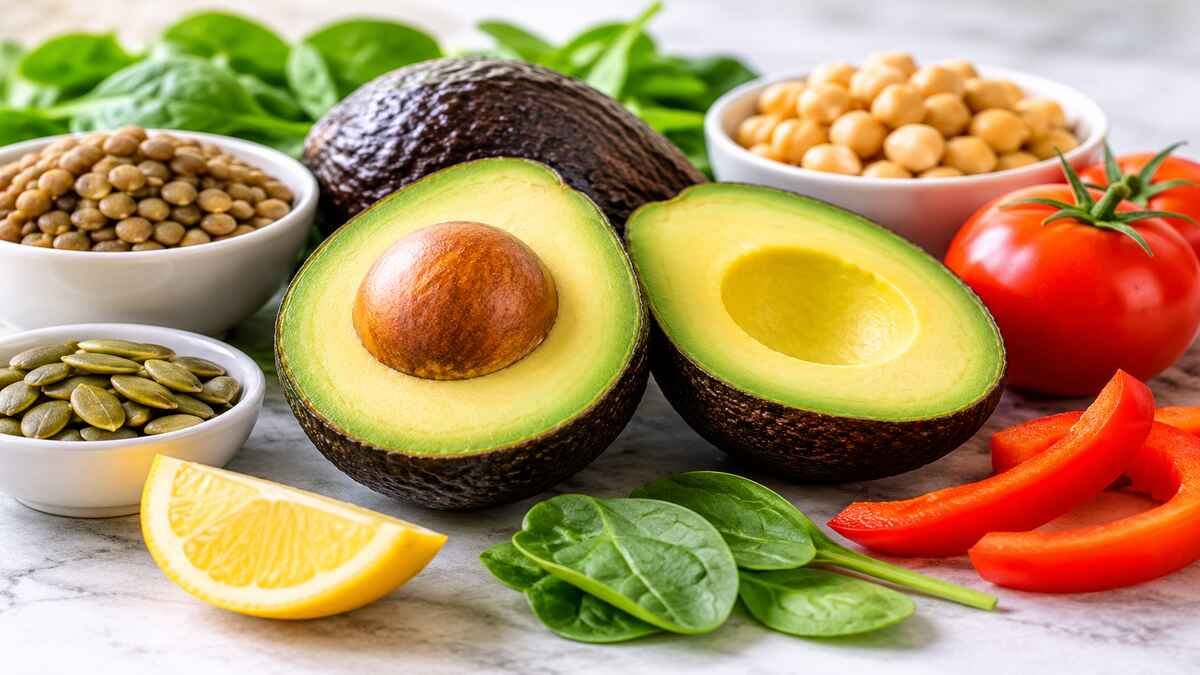

Is avocado good for iron deficiency? Avocado is a popular, nutrient-rich fruit, and many people wonder whether it can help raise low iron. Iron is essential because it helps your body make hemoglobin, the protein in red blood cells that carries oxygen.
The direct answer is that avocado contains some iron, but it is not a high-iron food. A medium avocado supplies well under one milligram, which is a small share of what most adults need each day. Avocado can still be a useful part of a balanced diet when you pair it with more substantial iron sources.
This guide explains how much iron avocado contains, what else it offers, how iron absorption works, and which foods to combine with avocado. It draws on the NIH Office of Dietary Supplements, USDA data, and published research. It is general information, not individualized medical advice.
Does Avocado Contain Iron?
Yes, avocado naturally contains iron, but the amount is small. The iron in avocado is non-heme iron, the form found in plant foods. Content varies with variety, growing conditions, and portion size.
A published review of Hass avocado composition draws on USDA data that list about 0.61 mg of iron per 100 grams of fresh Hass pulp. Some authors of that review are affiliated with the Avocado Nutrition Center, but the figure matches USDA reference values.
Having iron in a food does not automatically make it a good iron source. What matters is how much you get per realistic serving compared with your daily needs. Avocado does provide other nutrients, including potassium, folate, fiber, and healthy fats.
How Much Iron Is in an Avocado?
One medium avocado (about 136 grams of edible pulp) provides roughly 0.8 mg of iron. The table below uses 0.61 mg per 100 grams as a reference. Actual values vary.
| Avocado quantity | Approximate iron |
|---|---|
| 100 g avocado | 0.61 mg |
| 150 g avocado | 0.92 mg |
| 200 g avocado | 1.22 mg |
According to the NIH, the recommended dietary allowance is 8 mg per day for adult men and for women over 50, and 18 mg per day for women ages 19 to 50. It rises to 27 mg during pregnancy. By comparison, one medium avocado covers less than 5% of the 18 mg target.
That is why avocado should not be classified as a major iron-rich food. It can complement other nutrient-rich foods, but it is not where most of your iron should come from. For better sources, see our guides to iron-rich foods and vegetables high in iron.
Is Avocado Good for Iron Deficiency?
Avocado is a healthy addition to your diet, but it is not a meaningful treatment for iron deficiency. It provides a modest amount of dietary iron and can fit into a balanced eating pattern.
It also contains folate, which supports normal red blood cell formation, along with healthy fats and fiber that raise overall nutritional quality. These nutrients have different jobs from iron, so folate cannot replace it.
Avocado alone cannot correct iron deficiency. People with diagnosed or suspected iron deficiency may need medical evaluation and treatment. Supporting general nutrition is not the same as treating a deficiency.
The takeaway: avocado is a healthy dietary addition, not a substitute for iron-rich foods or medically recommended treatment. If you want a closer look at a related food, see our article on almonds and iron deficiency.
Nutritional Benefits of Avocado Beyond Iron
Avocado has plenty to offer even though iron is not its strength. For a broader overview, read our guide to the health benefits of avocado.
Provides Healthy Monounsaturated Fats
Most of avocado’s fat is monounsaturated. Replacing some saturated-fat-rich ingredients, such as butter, with avocado can support a heart-healthy eating pattern. You can learn more about healthy fats.
Contains Folate
Folate helps cells divide and is needed for normal red blood cell production. The NIH folate fact sheet explains its role. Folate and iron work differently, and a shortage of either can contribute to anemia.
Supports Digestive Health
Avocado provides dietary fiber, which supports regular digestion. Our list of high-fiber foods for digestive health offers more ideas.
Provides Potassium
Potassium plays a role in normal muscle and nerve function. Avocado contributes meaningfully to daily potassium intake.
Contains Other Beneficial Nutrients
Avocado also supplies vitamin K, vitamin E, and small amounts of vitamin C, which add to its overall nutrient density.
Can Avocado Help Your Body Absorb Iron?
Avocado is not known as an iron absorption booster. Plant foods generally provide non-heme iron, which the body absorbs less efficiently than heme iron from meat and fish.
The NIH Office of Dietary Supplements notes that vitamin C enhances the absorption of non-heme iron. Avocado contains some vitamin C, but it is not a major source. The vitamin C-rich ingredients on your plate, not the avocado itself, do most of the work.
Helpful pairings include:
- Avocado with tomatoes and lentils
- Avocado with beans and bell peppers
- Avocado with spinach and a citrus dressing
- Avocado with chickpeas and fresh lemon juice
For vitamin C options, see our guides to vegetables high in vitamin C and foods high in vitamin C.
Best Foods to Eat With Avocado for Better Iron Intake
These foods contain more iron than avocado. Avocado can round out meals built around them.
Lentils and Beans
Legumes are among the best plant-based iron sources. The NIH lists about 3.3 mg of iron in half a cup of cooked lentils. Try an avocado and lentil salad, or add avocado to a bean wrap. See our guide to the health benefits of legumes.
Spinach and Leafy Green Vegetables
Cooked spinach provides about 3.2 mg of iron per half cup, according to the NIH. Pair avocado and spinach salads with a vitamin C-rich ingredient such as citrus. Our article on the health benefits of spinach offers more detail. Note that spinach also contains compounds that limit iron absorption, so vitamin C pairings help.
Chickpeas
Chickpeas offer about 2.4 mg of iron per half cup cooked, plus fiber. A chickpea and avocado bowl with greens makes a simple, filling meal.
Pumpkin Seeds
Seeds are useful additions to an iron-supportive diet, and pumpkin seeds are a common choice. Sprinkle them over avocado salads or toast.
Vitamin C-Rich Foods
Tomatoes, citrus fruits, bell peppers, and broccoli can help your body absorb non-heme iron. Use this quick guide to build meals:
| Food | Why it is useful |
|---|---|
| Lentils | Provides plant-based iron |
| Beans | Contains non-heme iron |
| Spinach | Supplies iron and other nutrients |
| Pumpkin seeds | Provides iron and minerals |
| Bell peppers | Provides vitamin C |
| Tomatoes | Provides vitamin C |
| Avocado | Provides healthy fats, fiber, and a small amount of iron |
To learn how cooking affects nutrients in vegetables, see raw vs. cooked vegetables.
Is Avocado Better Than Other Fruits for Iron?
Not particularly. Avocado has a different nutritional profile from most fruits, and its iron content is modest. Certain dried fruits, such as raisins and apricots, provide more iron per serving, although they are also higher in sugar.
Fruits like oranges and strawberries are more useful as vitamin C sources that help absorb iron from other foods. Each fruit contributes different nutrients, so variety matters more than any single choice. For a broader comparison, read vegetables vs. fruits.
How to Include Avocado in an Iron-Supportive Diet
These meals support dietary variety and provide several nutrients. They are not treatments for iron deficiency.
Avocado and Lentil Salad
Combine cooked lentils, diced avocado, tomatoes, and lemon juice. The tomatoes and lemon add vitamin C.
Avocado and Chickpea Bowl
Top leafy greens with chickpeas, avocado, and sliced bell peppers.
Avocado Whole-Grain Toast
Spread avocado on whole-grain toast and add white beans or pumpkin seeds.
Avocado and Spinach Smoothie
Blend avocado with spinach and a vitamin C-rich fruit such as orange or strawberries. Keep portions reasonable, since avocado is calorie-dense. Our article on whether you can eat avocado every day covers portions.
Can Avocado Cure Iron Deficiency or Anemia?
No. Avocado cannot cure iron deficiency. Iron-deficiency anemia occurs when the body lacks enough iron to make adequate healthy hemoglobin, as described by MedlinePlus and the NIH.
Dietary changes can help improve iron intake, but established deficiency needs proper medical assessment. A healthcare professional may recommend blood tests, dietary changes, or treatment depending on the cause and severity. Iron deficiency has several possible causes, including low dietary intake, blood loss, and problems with iron absorption.
Do not self-diagnose or start iron supplements without guidance. Too much iron can be harmful. If you often feel tired, see our guide on what causes fatigue.
Who Should Be Careful About Iron Deficiency?
Some groups have higher needs or a higher risk of low iron:
- People who follow vegetarian or vegan diets, who may need more iron because non-heme iron is absorbed less well
- Adolescents during periods of growth
- People with heavy menstrual bleeding
- Pregnant individuals
- People with digestive conditions that affect nutrient absorption
Needs vary by age and life stage. Talk with a healthcare professional about your individual concerns.
Frequently Asked Questions About Avocado and Iron Deficiency
Is Avocado High in Iron?
No. Avocado contains iron, but it is not considered a high-iron food. A medium avocado provides under 1 mg, compared with about 3 mg in half a cup of cooked lentils, per the NIH.
Can Avocado Increase Hemoglobin Levels?
Avocado alone cannot reliably increase hemoglobin or treat anemia. Adequate iron intake and appropriate medical care are important.
How Much Iron Does One Avocado Contain?
It depends on the edible weight. Reference data list about 0.61 mg per 100 grams, so a medium avocado of roughly 136 grams has about 0.8 mg, based on USDA-derived data.
Is Avocado Good for People With Anemia?
It can be part of a balanced diet, but it is not a primary treatment for anemia. Treatment depends on the type and cause, so work with your healthcare provider.
What Fruits Are Better for Iron Deficiency?
Dried fruits such as raisins and apricots contribute more iron per serving than avocado. Beans, lentils, fortified cereals, and other foods provide more substantial iron overall. See our list of iron-rich foods.
Should I Eat Avocado Every Day for Iron?
You can eat avocado regularly if it suits your dietary needs, but daily avocado is not necessary to correct iron deficiency. Focus on iron-rich foods and follow your clinician’s advice.
Final Thoughts: Should You Eat Avocado for Iron Deficiency?
Avocado contains a small amount of iron, along with healthy fats, fiber, folate, and potassium. It can complement meals that feature iron-rich foods, and pairing plant-based iron with vitamin C-rich ingredients can improve absorption.
Is avocado good for iron deficiency on its own? No, and it should not replace medical evaluation or treatment. Focus on a varied, nutrient-rich diet, and talk with a healthcare professional if you suspect low iron. For more ideas, explore our list of nutrient-dense foods.
Sources
- NIH Office of Dietary Supplements. Iron: Fact Sheet for Health Professionals.
- NIH Office of Dietary Supplements. Vitamin C: Fact Sheet for Health Professionals.
- NIH Office of Dietary Supplements. Folate: Fact Sheet for Health Professionals.
- Ford NA, et al. Nutritional Composition of Hass Avocado Pulp. Foods, 2023.
- U.S. Department of Agriculture. FoodData Central.
- MedlinePlus. Iron in Diet.
Medical Disclaimer: This article is for general educational purposes only and is not medical advice. It does not replace the guidance of your doctor, pharmacist, or registered dietitian. Talk with a qualified healthcare professional before changing your diet or taking iron supplements, especially if you have symptoms of low iron or a medical condition.