
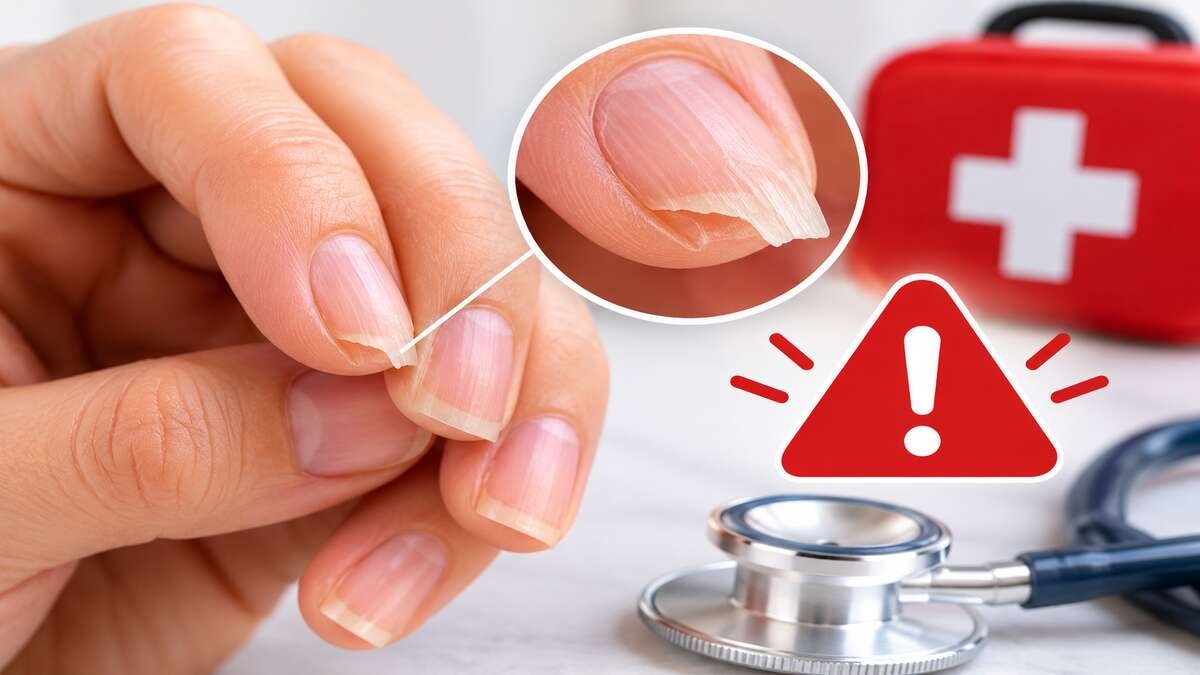

Brittle nails are a common problem. They can split, peel, crack, or break easily, and they are almost never a medical emergency on their own. Most cases come from everyday factors such as frequent handwashing, chemical exposure, aging, and nail-care habits.
Still, a nail can sometimes signal something more than dryness or wear. Severe injury, signs of infection, unusual discoloration, or other symptoms alongside nail changes may point to a problem that needs prompt care. Knowing which changes are routine and which are not can help you decide what to do next without unnecessary worry.
This guide works as a nail-symptom triage guide. It explains when brittle nails need only home care, when a doctor’s appointment makes sense, when same-day attention is wise, and which symptoms call for emergency care. If you want a broader overview first, read our article on what causes brittle nails.
Are Brittle Nails Ever a Medical Emergency?
Ordinary brittle nails usually do not need emergency treatment. The NHS notes that nail problems are not usually caused by anything serious, and that common ones include brittle, loose nails that may change color or shape. Long-term exposure to moisture or nail polish can also cause nails to peel and become brittle, according to MedlinePlus.
What matters is not the brittleness itself, but what comes with it. Pain, swelling, warmth, pus, discoloration, or a significant injury change the picture. The urgency depends on the accompanying symptoms rather than on brittleness alone.
It helps to think in three levels:
- Emergency care: potentially serious symptoms that need immediate assessment, such as blue nails with trouble breathing.
- Same-day medical attention: signs of infection or a significant nail injury.
- Routine medical appointment: persistent or unexplained nail changes without urgent features.
Most brittle nail problems fall into the third group or need no visit at all. Our article on whether you should worry about brittle nails covers everyday concerns in more detail.
7 Warning Signs That Brittle Nails May Need Urgent Medical Attention
These signs do not mean something terrible is happening. They mean a clinician should look at the problem soon, instead of you waiting or relying on home remedies.
1. Severe Pain or Significant Nail Injury
A crush injury, a hard impact, or a serious nail-bed injury can cause intense pain. Warning features include severe swelling, heavy bleeding, a displaced nail, or difficulty moving the finger.
Significant injuries should be assessed promptly, because the nail bed or the finger itself may be damaged. Emergency evaluation may be appropriate for severe injury, bleeding that will not stop, or a finger that looks deformed.
2. Signs of a Nail Infection
Damaged nail tissue and the skin around it can sometimes become infected. Signs include increasing redness around the nail, swelling and warmth, pus or drainage, and growing tenderness or pain.
These symptoms warrant prompt medical assessment. Spreading redness, fever, or feeling seriously unwell may indicate a more serious infection that needs urgent care. You can learn more about painful, tender nails and what different sensations may mean.
3. Redness or Swelling That Spreads Beyond the Nail
Mild irritation around a nail is common after a hangnail or rough manicure. Spreading redness is different. If redness extends into the finger or surrounding skin, or if warmth, tenderness, and swelling are getting worse, an infection may be advancing.
Rapidly spreading symptoms should not be managed with home remedies alone. Same-day medical evaluation is recommended, especially when symptoms are worsening.
4. Sudden Blue or Unusual Nail Discoloration
Nail color can change for many reasons, including injury, medications, and circulation or oxygen-related problems. Unusual blue or gray discoloration deserves attention.
Blue nails accompanied by breathing difficulty, chest pain, faintness, or confusion require emergency medical care. For related guidance, see our articles on shortness of breath and when chest pain is an emergency. Persistent, unexplained discoloration without those symptoms should still be medically assessed. MedlinePlus lists blue nails among the changes to report to a health care provider.
5. A Nail That Becomes Loose or Separates From the Nail Bed
The medical term for a nail lifting away from the nail bed is onycholysis. It can follow an injury, an infection, psoriasis, thyroid disease, or certain medications, according to MedlinePlus.
Pain, swelling, or discoloration alongside the separation make prompt evaluation more important. Do not pull off a nail that is still attached, since that can cause more pain and raise the risk of infection.
6. A New or Changing Dark Streak Under the Nail
Some nail pigmentation is harmless, and a dark streak often comes from a bruise or a benign pigment band. A new or changing dark band deserves a medical look, though. MedlinePlus notes that subungual melanoma normally appears as a dark streak down the length of the nail.
Pay attention to a streak that widens, darkens, or changes in color. Pigment that spreads onto the skin around the nail is another concerning feature.
Nail melanoma is rare, and most dark streaks are not cancer. Because a clinician may need to rule it out, arrange a prompt dermatology or medical assessment rather than waiting for the nail to grow out.
7. Nail Changes Accompanied by Other Unexplained Symptoms
Nail changes sometimes occur alongside conditions elsewhere in the body. The NHS lists psoriasis, iron deficiency anemia, thyroid problems, diabetes, and heart, lung, or liver disease among conditions that can be linked to nail problems.
Symptoms that may appear alongside nail changes include unusual fatigue, unexplained weight changes, hair loss, or persistent skin changes. See our articles on what causes fatigue and hair loss for more context. These symptoms generally call for a medical evaluation, not emergency treatment, unless they are severe or come on suddenly.
When Should You Go to the Emergency Room for Brittle Nails?
Brittle nails alone rarely justify an emergency room visit. Emergency assessment may be needed in these situations:
- Blue or gray nails with breathing difficulty or chest pain.
- A severe finger injury with significant tissue damage.
- Uncontrolled bleeding after a nail injury.
- Signs of a rapidly progressing infection, such as fast-spreading redness with fever or serious illness.
- Severe symptoms that suggest a broader medical emergency, such as confusion, fainting, or trouble breathing.
If any of these occur, call your local emergency number or go to the nearest emergency department. Do not delay care while searching for home remedies or online explanations.
When Is It Enough to Schedule a Doctor’s Appointment?
Many nail concerns are best handled with a routine, non-emergency visit. The NHS advises seeing a GP when a nail has changed shape, changed color, or fallen off and you do not know why. In the U.S., this means a primary care clinician or a dermatologist.
Consider booking an appointment if you notice:
- Persistent brittle or peeling nails that do not improve with basic nail care.
- Repeated splitting without an obvious cause.
- Unexplained nail discoloration.
- Nail thickening or unusual shape changes.
- Nail separation without a significant injury.
- Changes affecting several nails.
- Nail changes with ongoing fatigue or other unexplained symptoms.
A healthcare professional may need to look for an underlying cause. A dermatologist can assess persistent or unusual nail conditions.
What Medical Conditions Can Cause Brittle Nails?
Most brittle nails have an ordinary cause. A few medical conditions can contribute, however, and a clinician can sort out whether any apply to you.
Iron Deficiency
Iron deficiency anemia is associated with koilonychia, a thin nail that curves inward like a spoon, according to MedlinePlus. Brittle nails alone do not confirm anemia, so testing is the only way to know. Our guide to iron-rich foods covers dietary sources.
Thyroid Disorders
Both an underactive and overactive thyroid may cause brittle nails or separation of the nail from its bed, per MedlinePlus. Other symptoms, such as fatigue, temperature sensitivity, or changes in weight, may appear alongside nail changes.
Fungal Nail Infections
Fungal infections can make nails thick, discolored, brittle, or crumbly. They often need proper diagnosis and treatment, because other conditions can look similar.
The NHS advises seeing a GP if you have a fungal nail infection and you have diabetes or a weakened immune system. Do not guess at treatment. Learn more about type 2 diabetes and why foot and nail care matter.
Psoriasis and Other Skin Conditions
Psoriasis can cause pitting, splitting of the nail from the nail bed, and chronic damage to the nail plate. Other inflammatory skin conditions can also change the look of the nails. A dermatologist can tell these apart from simple brittleness.
What Happens During a Medical Evaluation for Brittle Nails?
A clinician usually starts by examining your nails and the surrounding skin. They will often ask when the changes began, whether one nail or several are affected, and whether you have had an injury.
Expect questions about water and chemical exposure, nail-care habits, other symptoms, your medical history, and any medications you take. This history often points to the cause.
Additional tests depend on what the clinician finds. MedlinePlus notes that tests may include x-rays, blood tests, or laboratory examination of parts of the nail. Blood tests might check for iron deficiency or thyroid problems, and a nail sample may be taken if a fungal infection is suspected.
Not everyone with brittle nails needs lab testing. Many people are diagnosed from the history and exam alone.
What Should You Do While Waiting for Medical Care?
While you wait for an appointment, protect the nail and the surrounding skin:
- Avoid further trauma to the nail.
- Keep the area clean and shielded from irritation.
- Do not pick, bite, or pull at loose nail tissue.
- Skip harsh chemicals and unproven treatments.
- Do not treat a suspected infection with random household remedies or leftover medications.
If symptoms worsen, seek care sooner. These steps are not a substitute for urgent evaluation when warning signs are present.
How to Prevent Brittle Nails and Future Nail Problems
Good habits protect your nails and make problems easier to spot early. Consider the following:
- Moisturize your nails and cuticles regularly.
- Wear gloves when you use cleaning products or wash dishes.
- Keep nails trimmed and gently filed.
- Limit frequent manicures, artificial nails, and aggressive polish removal.
- Avoid biting or picking your nails.
- Eat a balanced diet with adequate protein and essential nutrients.
- Seek medical advice for recurring or unexplained nail changes.
MedlinePlus suggests keeping nails short and using an emollient cream after washing as part of nail care. For more practical tips, see these ways to relieve brittle nails at home.
Frequently Asked Questions About Brittle Nails
Can Brittle Nails Be a Sign of a Serious Disease?
Brittle nails are usually caused by common environmental or nail-care factors. Persistent changes can sometimes be linked to a medical condition, such as thyroid disease or iron deficiency anemia, so a clinician should check changes that do not improve.
Should I Worry if My Nails Suddenly Become Brittle?
A sudden change that affects several nails, or that comes with other symptoms, deserves medical evaluation. If the change is mild and you have recently increased handwashing or used new products, a few weeks of gentle care is reasonable first.
Can a Nail Infection Become an Emergency?
Mild infections can often be treated in routine care. Spreading redness, fever, severe pain, or feeling seriously unwell needs urgent assessment, and people with diabetes or a weakened immune system should seek advice early.
When Should I See a Dermatologist for Brittle Nails?
Consider a dermatologist for persistent discoloration, nail separation, unusual streaks, or unexplained changes in nail structure. They can also help when over-the-counter care has not improved your nails.
Are Brittle Nails Alone a Reason to Visit the Emergency Room?
No. Ordinary brittle nails are rarely an emergency. Emergency care is appropriate when serious symptoms or injuries accompany nail changes.
Can Brittle Nails Indicate Vitamin or Iron Deficiency?
Nutritional deficiencies can sometimes affect nail health. Brittle nails alone cannot establish a deficiency, and a clinician may order blood tests if other signs suggest one.
Conclusion
Most brittle nails are not medical emergencies. The warning signs to remember are severe injury, symptoms of infection, spreading redness, and unusual discoloration, especially blue nails with breathing trouble.
Keep the three levels in mind: emergency symptoms, same-day concerns, and changes suited to a routine appointment. Persistent or unexplained nail abnormalities are worth a medical evaluation, even when they are not urgent.
Recognizing warning signs early helps you make informed decisions about your care. If you are unsure, a clinician can help you decide what your nails need.
Sources
- NHS. Nail Problems.
- MedlinePlus, National Library of Medicine. Nail Abnormalities.
- NHS. Fungal Nail Infection.
Medical Disclaimer: This article is for general educational purposes only and does not replace professional medical advice, diagnosis, or treatment. It cannot tell you what is causing your nail changes. Always talk with a qualified healthcare professional about symptoms that worry you. If you have symptoms of a medical emergency, such as trouble breathing, chest pain, confusion, or heavy bleeding, call your local emergency number right away.