
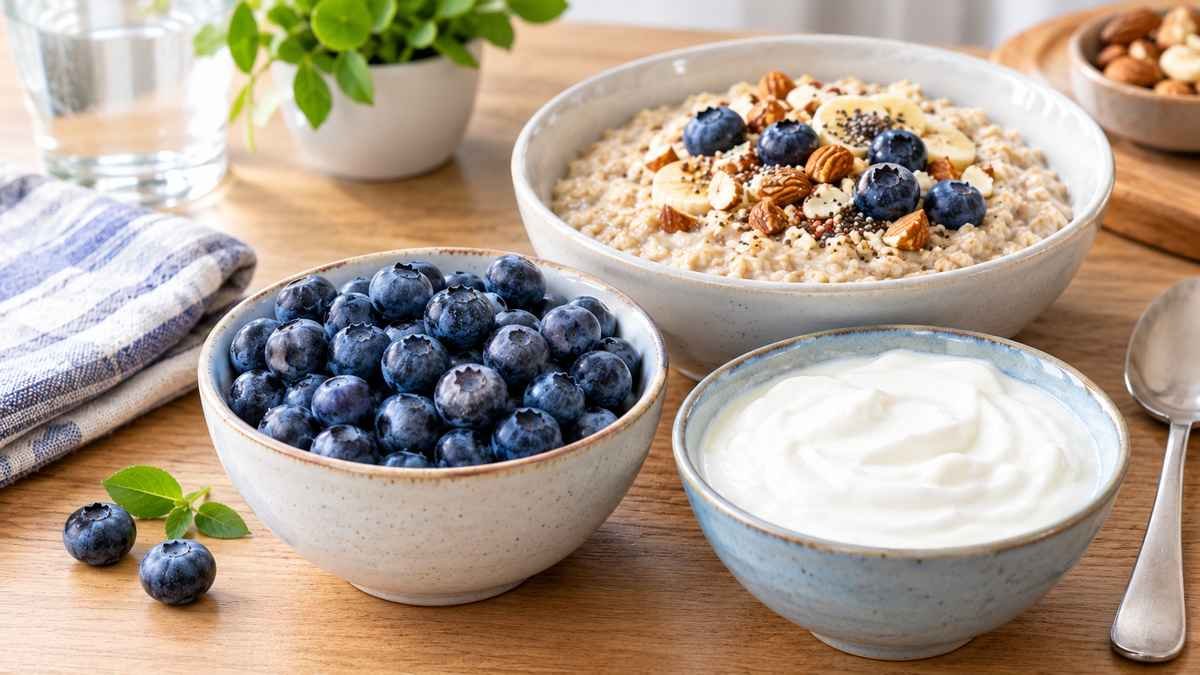

Blueberries can be a healthy choice for many people with type 2 diabetes. They provide fiber and anthocyanins, plant compounds that researchers have studied for their potential metabolic benefits. Blueberries also contain natural carbohydrates that can affect blood sugar, so portion size matters, but they do not need to be avoided simply because they taste sweet.
People with type 2 diabetes often wonder whether naturally sweet fruits can fit into their eating plan. According to the American Diabetes Association (ADA), people with diabetes can eat fruit, including fresh, frozen, or canned fruit without added sugar. The Mayo Clinic also addresses the common misconception that sweet fruits must be off the menu.
This guide explains how blueberries fit into a diabetes-friendly diet, what research says about their effects on blood glucose, and how to choose portions and preparations that suit your care plan. You will also find meal ideas, safety considerations, and a reminder that blueberries complement, and never replace, medication and individualized medical care.
Are Blueberries Good for Type 2 Diabetes?
For most people, yes. Blueberries can fit into a diabetes-friendly eating pattern, and they provide fiber, vitamins, and anthocyanins. You can read more about their general nutrition in our overview of the health benefits of blueberries.
Their carbohydrates can raise blood glucose, so portion size matters. Whole blueberries are generally a more practical everyday choice than sweetened blueberry drinks or desserts. Research on blueberries and other berries suggests possible metabolic benefits, but it does not establish blueberries as a treatment for diabetes.
A person does not need to eliminate fruit solely because they have type 2 diabetes. The goal is to manage total carbohydrate intake while keeping the diet varied and nutritious. Blueberries can be included in a meal plan, but they should complement evidence-based diabetes management, not replace it.
Blueberries Nutrition: Carbohydrates, Fiber, and Natural Sugar
Understanding what is in blueberries helps you fit them into your plan. You can check exact values for any amount in USDA FoodData Central or on our nutrition facts page.
Carbohydrates in Blueberries
Blueberries contain naturally occurring sugars and other carbohydrates. During digestion, carbohydrates are broken down and can raise blood glucose. The effect of a serving depends partly on its carbohydrate content and on the rest of the meal.
Portion size matters even when a food is nutritious. Natural sugar still affects blood glucose. If you count carbohydrates, use a reliable nutrition label or food database and follow your prescribed meal plan. Our guide to diabetes diet basics offers more background.
Fiber and Whole Fruit
Whole blueberries provide dietary fiber along with water and plant nutrients. Fiber supports digestive health and overall diet quality. Whole fruit generally provides more fiber than juice made from the same fruit.
Eating blueberries with other nutritious foods can help you build a balanced snack or meal. Fiber does not cancel out the carbohydrates in blueberries, so the total serving still counts. For other options, see our list of high-fiber foods.
Anthocyanins and Other Plant Compounds
Anthocyanins are the pigments that give blueberries their blue-purple color. Researchers have studied them in relation to oxidative stress, inflammation, and glucose metabolism. These mechanisms are still being investigated. They should not be taken as proof that blueberries lower blood sugar in everyone.
How Might Blueberries Affect Blood Sugar?
Scientists have proposed several ways berries could influence blood glucose. These ideas guide research, but they do not promise a therapeutic effect.
Possible Effects on Glucose Metabolism
Researchers have investigated anthocyanins and other berry polyphenols for their potential influence on pathways involved in glucose metabolism. Studies have explored whether these compounds may affect insulin signaling and how the body handles glucose.
Biological mechanisms and laboratory findings do not necessarily translate into meaningful improvements for people eating ordinary servings of blueberries. To learn more about the underlying condition, see our guide to insulin resistance.
Why Fiber and Food Form Matter
Whole blueberries contain fiber and require chewing, while juice may deliver carbohydrates more quickly and provide less fiber. When choosing blueberry products, consider whether the fruit is whole or processed, how much you are eating, whether the product contains added sugar, and what else is on your plate.
Blueberries have not been shown to prevent blood sugar spikes, and they do not have zero effect on glucose.
Individual Responses Can Differ
Blood glucose responses vary with serving size, medication, activity, timing, and the makeup of the meal. If you monitor your blood glucose, follow your clinician’s instructions and use your results to understand your own patterns. Our article on blood sugar levels explains common targets.
A single reading cannot prove that a food is helpful or harmful for everyone. It only tells you something about that meal, for you, on that day.
What Does Scientific Research Say About Blueberries and Type 2 Diabetes?
The research is interesting but limited. Looking closely at what each study examined helps avoid overstating the findings.
Evidence From Systematic Reviews
A 2022 systematic review and meta-analysis by Delpino and colleagues examined randomized clinical trials of blueberry and cranberry interventions in people with or without diabetes. The meta-analysis included 22 studies. Among participants with diabetes, pooled results reported a reduction in fasting blood glucose.
The review also reported a reduction in glycated hemoglobin (HbA1c), but the p-value was 0.15, which is not statistically significant under the conventional 0.05 threshold. Results for insulin resistance were not significant either. Learn more about this test in our guide to the A1C test.
Important limitations apply:
- The analysis combined blueberry and cranberry interventions.
- Studies used different preparations, including fruit, juice, powder, and extracts.
- Amounts and durations varied.
- A combined analysis cannot show that whole blueberries alone produced the reported effects.
Earlier Research and Clinical Trials
A 2019 systematic review by Rocha and colleagues looked at blueberry and cranberry consumption and glycemic control. It included seven trials involving 270 adults with type 2 diabetes. Some studies reported potential benefits from particular berry interventions, but differences in product type, dose, and study length made the evidence hard to generalize.
Research using freeze-dried blueberry powder, concentrated extracts, or cranberry juice is not equivalent to eating a normal portion of fresh blueberries.
What the Evidence Means for Everyday Eating
In plain language, there is real scientific interest in blueberries and anthocyanins, and some studies suggest possible benefits for certain blood glucose measures. However, evidence proving that ordinary servings of blueberries improve long-term diabetes control remains limited.
Blueberries should not be described as a diabetes treatment or a replacement for medication. This is a promising research direction, not an established clinical recommendation. For related reading, see our article on whether blueberries lower blood sugar.
How Many Blueberries Can Someone With Type 2 Diabetes Eat?
If you have type 2 diabetes, you may be able to enjoy blueberries regularly. A half-cup portion is a practical example to start with, but it is not a universal prescription. Your carbohydrate needs, medication, and individual glucose response should guide portion decisions.
The ADA explains that about a half cup of frozen or canned fruit often contains around 15 grams of carbohydrate, and that fresh berry portions can vary. If you count carbohydrates, check the nutrition information for the amount and form of fruit you actually eat.
Blueberries can be eaten alone or combined with foods such as plain yogurt, nuts, or oats. When you do, count the carbohydrates from the whole meal. For more on daily intake, see our article on eating blueberries every day.
Best Ways to Eat Blueberries With Type 2 Diabetes
These ideas are meant to help you build balanced meals, not to promise any particular blood sugar effect.
Add Blueberries to Breakfast
- Top plain yogurt with blueberries and a small portion of nuts. See our article on Greek yogurt and blood sugar.
- Stir blueberries into oatmeal with cinnamon.
- Serve a measured portion alongside eggs and whole-grain toast.
- Make overnight oats with blueberries and chia seeds.
The carbohydrates in oats, milk, yogurt, and other ingredients also count toward the meal.
Make Balanced Snacks
- Pair a measured serving of fresh blueberries with unsalted nuts.
- Combine blueberries with plain, unsweetened yogurt.
- Enjoy a small bowl of blueberries as part of a balanced snack.
- Blend whole blueberries with unsweetened yogurt in a smoothie with no added sugar.
Smoothies can still contain a lot of carbohydrate, especially when large amounts of fruit, juice, honey, or sweetened yogurt are added.
Avoid Unnecessary Added Sugar
Check labels on blueberry jams, sweetened dried berries, flavored yogurt, syrups, and packaged drinks. Products that contain blueberries can still have a lot of added sugar. The best choice is the one that fits your overall meal plan and preferences.
Are Fresh, Frozen, Dried, or Juiced Blueberries Best for Diabetes?
Whole fruit without added sugar is a useful everyday option, though serving size and total carbohydrate intake still matter. Here is how common forms compare.
- Fresh blueberries: Convenient whole fruit with fiber and no added sugar when served plain.
- Frozen blueberries: A practical year-round option. Choose unsweetened varieties.
- Canned blueberries: Look for products packed in water or their own juice, with no added sugar, and check the label.
- Dried blueberries: More concentrated by volume, and some products contain added sugar. Use a measured portion.
- Blueberry juice: Generally provides less fiber than whole fruit and is easy to drink in large quantities.
- Supplements and extracts: Not equivalent to eating whole fruit. Their benefits, doses, and safety should not be assumed from studies of blueberries as food.
How to Include Blueberries in a Diabetes-Friendly Diet
Blueberries work best as one part of a broader plan. Our overview of type 2 diabetes covers the condition in more depth.
Build Balanced Meals
A balanced meal can include nonstarchy vegetables, an appropriate portion of protein, high-fiber carbohydrate foods, and fruit in a portion that fits your plan. Blueberries can contribute to your fruit intake, but they should not be the only fruit or plant food you eat.
Choose Whole Grains and Fiber-Rich Foods
Foods such as oats, beans, lentils, vegetables, and whole grains can be useful where appropriate. Overall diet quality and total carbohydrate intake matter more than relying on any single “superfood.”
Follow an Individualized Diabetes Plan
Follow your prescribed meal plan, stay physically active as advised, take medication as directed, and attend recommended checkups. The ADA Standards of Care in Diabetes, 2026 recommends individualized nutrition care that accounts for food preferences, nutritional quality, and personal metabolic goals.
Are Blueberries Safe for People With Type 2 Diabetes?
Whole blueberries are generally suitable for most people with type 2 diabetes when portions fit their meal plan. They are not risk-free in unlimited amounts, though, and a few situations call for extra care.
- Allergy: People with a blueberry allergy should avoid them.
- Insulin or glucose-lowering medicines: If you take insulin or medications that can cause low blood sugar, follow your prescribed monitoring and medication plan. Do not change doses because you started eating blueberries.
- Kidney disease or other conditions: Ask your healthcare professional for individualized nutrition advice.
- Supplements and extracts: Concentrated products may have different effects and risks than ordinary food portions.
A nutritious food can be helpful as part of an overall eating pattern without being a substitute for medical care. If heart health is also on your mind, see our articles on blueberries and high cholesterol and blueberries and high blood pressure.
Frequently Asked Questions
Can People With Type 2 Diabetes Eat Blueberries Every Day?
Many people with type 2 diabetes can include blueberries regularly, provided the portion fits their individual meal plan. Eating them every day is not necessary to manage diabetes, and blueberries are not a substitute for treatment. The ADA supports including fruit in a diabetes eating plan.
Do Blueberries Raise Blood Sugar?
Yes, blueberries contain carbohydrates that can raise blood glucose. The size of the effect depends on the portion and your individual circumstances. Whole blueberries also provide fiber and other nutrients.
Are Frozen Blueberries Good for Type 2 Diabetes?
Unsweetened frozen blueberries can be a convenient choice. Count their carbohydrates as you would with fresh fruit, and check labels for added sugar.
Are Blueberries Better Than Bananas for Diabetes?
Neither fruit is automatically best for everyone, and both can fit into a diabetes meal plan. Portion size, carbohydrate content, preferences, and the rest of the meal should guide the choice. You can read about bananas too.
Can Blueberries Lower HbA1c?
Some studies of berry interventions have looked at HbA1c, but the evidence does not establish that ordinary servings of blueberries reliably lower it. The 2022 meta-analysis did not find a statistically significant HbA1c change. Do not use blueberries as a replacement for prescribed treatment.
The Bottom Line: Are Blueberries Good for Type 2 Diabetes?
Blueberries can be part of a balanced eating plan for most people with type 2 diabetes. They contain carbohydrates, so portion size and the overall meal matter. Anthocyanins and other berry compounds are being studied for possible metabolic effects, but evidence for blueberries alone remains limited.
Fresh or frozen unsweetened whole fruit is a practical choice. Individualized nutrition advice, blood glucose monitoring where recommended, physical activity, and prescribed medication all remain important. Most people with type 2 diabetes do not need to avoid blueberries, but should enjoy them in portions that fit their care plan.
Sources
- Delpino FM, et al. Effects of blueberry and cranberry on type 2 diabetes parameters in individuals with or without diabetes: a systematic review and meta-analysis of randomized clinical trials. 2022.
- Rocha DMUP, et al. Effects of blueberry and cranberry consumption on type 2 diabetes glycemic control: a systematic review. 2019.
- American Diabetes Association. Best Fruit Choices for Diabetes
- American Diabetes Association. Standards of Care in Diabetes, 2026
- Mayo Clinic. Diabetes diet: Should I avoid sweet fruits?
- U.S. Department of Agriculture. FoodData Central
Medical Disclaimer: This article is for general information and education only. It is not medical advice and does not replace care from a doctor, dietitian, or other qualified healthcare professional. Everyone’s health needs are different, so please talk with your healthcare provider before changing your diet or diabetes treatment. Never stop or change diabetes medicine without medical guidance. If you have very high or very low blood sugar, confusion, vomiting, or trouble breathing, seek emergency care right away.
1 thought on “Are Blueberries Good for Type 2 Diabetes? Benefits and Tips”
Comments are closed.