
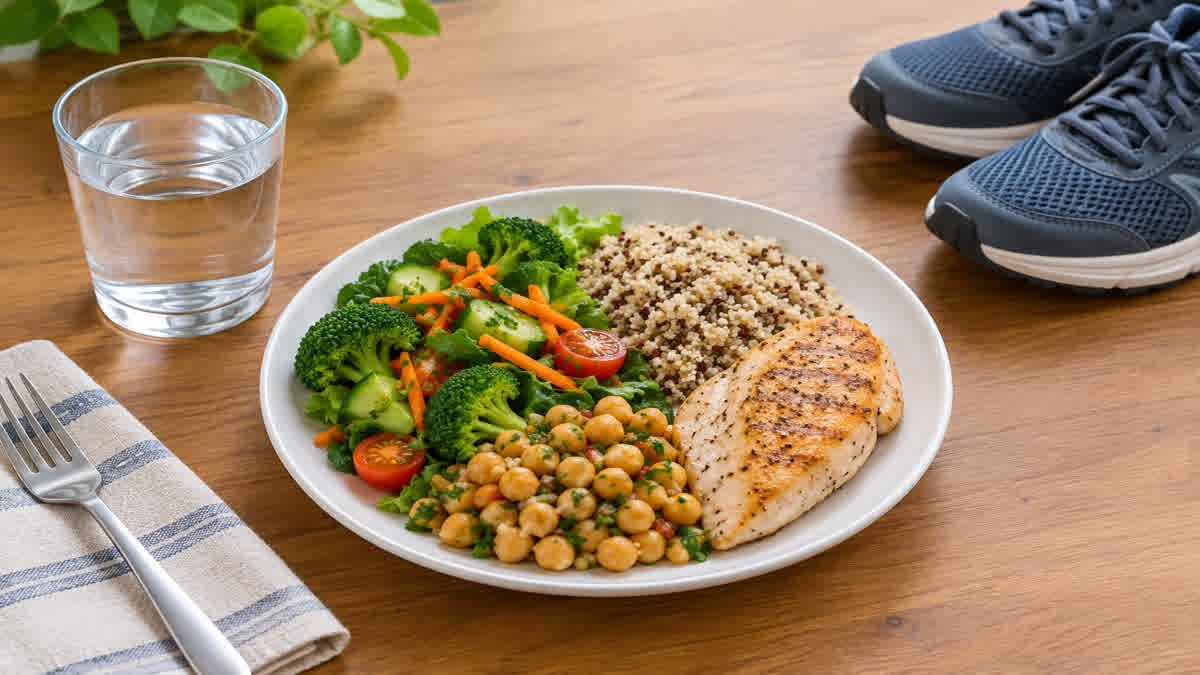

Insulin resistance means your body’s cells respond less effectively to insulin, the hormone that moves glucose (sugar) from the blood into cells. To compensate, the pancreas may release more insulin to keep blood sugar in a healthy range. Over time, this can raise the risk of prediabetes and type 2 diabetes, though not everyone with insulin resistance develops diabetes.
The encouraging news is that daily habits can improve insulin sensitivity for many people. Balanced meals, regular physical activity, less sitting, enough sleep, and stress management are the best-supported approaches, and none is a quick fix. Results vary, and some people need medical treatment as well.
This guide explains what causes insulin resistance, 10 practical ways to support insulin sensitivity, what to know about popular supplements, and when to get tested. It supports medical care and does not replace it.
What Causes Insulin Resistance?
Researchers do not fully understand every cause, but the NIDDK says excess weight and lack of physical activity are major factors. Several things can contribute:
- Family history and genetics.
- Physical inactivity and long periods of sitting.
- Excess body fat, particularly around the waist, in some people. Insulin resistance can also affect people at other body sizes.
- Hormonal conditions, such as polycystic ovary syndrome (PCOS).
- Certain medicines. Glucocorticoids (steroids) and some atypical antipsychotics are among the drug classes linked to higher blood glucose. Never stop a prescribed medicine without talking to your clinician.
- Poor sleep and other health conditions.
Insulin resistance usually has no obvious symptoms and cannot be diagnosed by appearance. The NIDDK notes that doctors use blood tests to find prediabetes but do not usually test for insulin resistance, since the most accurate test is complicated and used mostly in research. A clinician can assess your risk factors and decide which tests make sense. Our guide to insulin resistance covers the basics.
10 Natural Ways to Improve Insulin Sensitivity
1. Build Meals Around Fiber-Rich Foods
Vegetables, beans, lentils, oats, whole grains, nuts, seeds, and whole fruit are good foundations. The NIDDK says healthy foods and drinks may help you manage insulin resistance and prediabetes.
Make changes gradually and eat a variety of foods rather than following a rigid plan. Lentils, chickpeas, leafy vegetables, and whole-grain breads fit many cuisines. Our guide to high-fiber foods offers ideas.
2. Choose Carbohydrates More Strategically
Carbohydrates raise blood glucose, but portion size, food quality, and the overall meal all matter. Favor whole grains, legumes, and minimally processed sources over frequent sugary drinks, sweets, and refined grains. Pairing carbohydrate foods with protein, fiber, and unsaturated fats can help.
You do not need to eliminate carbohydrates. The ADA’s 2026 Standards of Care discuss Mediterranean-style and low-carbohydrate eating patterns as options to help prevent type 2 diabetes, so the best pattern is one you can sustain. Very restrictive diets, including ketogenic plans, are not right for everyone. See our guides to the Mediterranean diet and prediabetes diet.
3. Include Protein and Healthy Fats in Balanced Meals
Eggs, fish, poultry, tofu, beans, lentils, unsweetened yogurt, nuts, and seeds can all fit, depending on your needs. Unsaturated fats from nuts, seeds, and fish add nutrients and help meals feel filling.
No single food reverses insulin resistance. Think of balanced meals as the goal. See our guides to healthy fats and high-protein foods.
4. Replace Sugary Drinks With Water More Often
The ADA’s 2025 Standards of Care emphasize water over sweetened beverages. Sugary drinks supply a large share of added sugar in the American diet, according to the CDC. Unsweetened tea is another low-sugar option.
Juice counts too. Even 100% fruit juice contains natural sugars. Water supports blood sugar management by replacing sugary drinks, but it does not treat insulin resistance directly.
5. Walk Regularly, Especially After Meals if Practical
Active muscles use glucose, which helps with blood sugar regulation. The Physical Activity Guidelines for Americans suggest 150 to 300 minutes of moderate activity a week for adults, such as brisk walking. In the Diabetes Prevention Program, a lifestyle program with a 7% weight loss goal and 150 minutes of weekly activity cut the development of type 2 diabetes by 58% in high-risk adults.
Start with a manageable walk and build gradually. A short walk after a meal may help for some people, though results vary. Choose activities that suit your abilities and any mobility limits. Our guides to walking for health and benefits of exercise can help.
6. Add Strength Training to Your Routine
Muscle plays a major role in using glucose. A systematic review of randomized trials found that resistance training reduced fasting insulin and insulin resistance, with larger effects in people at higher cardiometabolic risk.
Bodyweight exercises, resistance bands, or weights all work. Progress gradually and rest between sessions. If you have heart disease, joint problems, or other limits, check with a clinician first. Our strength training for beginners guide is a good place to start.
7. Break Up Long Periods of Sitting
Reducing sedentary time complements planned exercise. A review of studies in adults with type 2 diabetes describes interrupting sitting with light activity every 30 minutes or so. The ADA’s 2025 Standards also now recommend limiting sedentary activities, including screen time.
Try standing during phone calls, walking while you think, or setting a reminder to move. Short breaks add to regular exercise but do not replace it.
8. Aim for Consistent, Quality Sleep
Sleep affects insulin sensitivity. A meta-analysis of randomized trials found that sleep restriction reduced insulin sensitivity, and a six-week trial in women found that mildly shortened sleep impaired insulin sensitivity independent of body fat.
Keep a regular bedtime and wake time, wind down in the evening, and make your bedroom comfortable. Loud snoring, breathing pauses, or heavy daytime sleepiness may signal sleep apnea, so ask a clinician. Sleep alone will not reverse insulin resistance. See our guide on improving sleep.
9. Manage Stress With Sustainable Daily Habits
Stress can disrupt sleep, food choices, and activity, which can affect metabolic health indirectly. Walking, breathing exercises, mindfulness, hobbies, and time with supportive people can all help. No relaxation technique directly cures insulin resistance.
If stress is affecting daily life, talk with a healthcare professional or counselor. Our guide on how to reduce stress offers practical ideas.
10. Work Toward a Sustainable Weight Goal if Appropriate
For some people with overweight or obesity, modest and sustained weight loss improves insulin sensitivity and lowers diabetes risk. The ADA’s 2026 Standards aim for 5% to 7% of body weight in lifestyle programs for people for whom weight loss is appropriate.
Health can improve without weight loss, and insulin resistance can affect people at many body sizes. Avoid crash diets, extreme calorie restriction, and shame. A clinician or registered dietitian can help you set realistic goals. See our guide to weight management.
Foods and Supplements That Claim to Reverse Insulin Resistance
None of the products below is a proven cure.
- Cinnamon: Fine as a spice. NCCIH notes that trial results on cinnamon and diabetes are conflicting.
- Apple cider vinegar: A 2025 meta-analysis reported lower fasting glucose and HbA1c, but earlier evidence was conflicting. It is not a substitute for treatment, and undiluted vinegar can harm tooth enamel.
- Berberine and other supplements: NCCIH lists berberine among supplements that might help, with weak evidence. Products can cause side effects, interact with medicines, and vary in quality.
- Magnesium, chromium, and herbal products: Routine use is not a proven way to improve glucose control for everyone. The ADA’s 2026 Standards do not recommend vitamin, mineral, or herbal supplements for glycemic benefit as a general strategy.
- Detox drinks and cleanses: There is no good reason to rely on them to reverse insulin resistance.
The FDA warns that no dietary supplements treat or cure diabetes. Talk with a healthcare professional before using any supplement, especially if you take diabetes medicine or other prescriptions. Our natural home remedies for type 2 diabetes article covers this further.
A Simple Daily Routine to Support Insulin Sensitivity
This is an example, not a prescription. Adapt it to your preferences, cultural foods, work schedule, medicines, and clinical advice.
Morning
- Eat a balanced breakfast if it suits you, with protein and fiber where practical.
- Add some movement, such as a short walk or stretching.
Afternoon
- Choose a balanced lunch with vegetables, protein, and a suitable high-fiber carbohydrate.
- Take brief movement breaks during long stretches of sitting.
Evening
- Have a balanced dinner and choose water over sugary drinks more often.
- Take a walk or do another activity you enjoy, if appropriate.
- Keep a consistent bedtime routine.
If you use insulin or medicines that can cause low blood sugar, talk with your care team before changing exercise or meals. Our guides to blood sugar and diabetes diet offer more detail.
How Long Does It Take to Improve Insulin Resistance?
There is no universal timeline. Responses depend on genetics, health conditions, medicines, sleep, diet, and activity. Improvements may come gradually, and no honest source can promise reversal in 7, 14, or 30 days.
Tests such as the A1C test and fasting blood glucose help clinicians assess your blood sugar status, but insulin resistance itself is not usually measured with one routine test. The CDC describes blood tests used to check for diabetes. Follow up on the schedule your clinician recommends, rather than relying on how you feel. If you have been told you have prediabetes, our guide to understanding prediabetes explains what to expect.
Frequently Asked Questions About Insulin Resistance
Can Insulin Resistance Be Reversed Naturally?
Lifestyle changes can improve insulin sensitivity in many people, and the NIDDK says healthy living may help prevent or reverse insulin resistance and prediabetes. Results vary, and some people also need medicine and ongoing monitoring.
What Is the Best Food for Insulin Resistance?
No single food is best for everyone. A varied pattern with vegetables, legumes, whole grains, whole fruit, and suitable protein sources is a practical foundation. Our guide to how to prevent diabetes has more.
Does Walking Help Insulin Resistance?
Yes, regular physical activity can improve insulin sensitivity. Begin at a comfortable pace and increase gradually. Check with your clinician first if you have a heart condition or other health concerns.
Does Cinnamon Help Insulin Resistance?
Evidence is not strong enough to recommend cinnamon as a treatment, as NCCIH describes conflicting results. It is fine as a seasoning but should not replace medical care.
Can You Have Insulin Resistance Without Diabetes?
Yes. Insulin resistance can develop before prediabetes or type 2 diabetes. A clinician can assess your risk and decide which blood glucose tests are appropriate. Our guide to metabolic syndrome covers a related condition.
Conclusion: Start With Sustainable Changes
The most practical steps for insulin resistance are balanced meals, regular movement, fewer sugary drinks, better sleep, and routines you can keep. Pick one or two changes and build from there, rather than overhauling everything at once.
Lifestyle habits can complement, but not replace, professional assessment, recommended blood tests, or prescribed treatment. Never stop a prescribed medicine without talking to your healthcare professional.
For more, explore our resources on prediabetes and blood sugar levels.
Sources
- NIDDK: Insulin Resistance & Prediabetes
- CDC: Getting Tested for Diabetes
- CDC: Be Sugar Smart
- American Diabetes Association: Standards of Care in Diabetes, 2025 (press release)
- ADA: Facilitating Positive Health Behaviors and Well-being, Standards of Care in Diabetes 2026
- ACP Diabetes Monthly: ADA’s Standards of Care for 2026 released
- ACP Diabetes Monthly: ADA releases updated Standards of Care for 2025
- Diabetes on the Net: The 2026 ADA Standards of Care, What’s New?
- HHS: Physical Activity Guidelines for Americans, 2nd edition
- Diabetes Prevention Program Research Group: Reduction in the Incidence of Type 2 Diabetes With Lifestyle Intervention or Metformin
- Effects of resistance exercise training on cardiometabolic health in adults (Br J Sports Med, 2020)
- Sitting time, physical activity and type 2 diabetes (Frontiers in Cardiovascular Medicine, 2018)
- Effects of sleep manipulation on markers of insulin sensitivity: meta-analysis (Sleep Med Rev, 2022)
- Chronic Insufficient Sleep in Women Impairs Insulin Sensitivity (Diabetes Care)
- EASD: Drugs that cause diabetes
- NCCIH: Type 2 Diabetes and Dietary Supplements, What the Science Says
- NCCIH: 5 Things To Know About Type 2 Diabetes and Dietary Supplements
- Apple cider vinegar and glycemic control in type 2 diabetes: meta-analysis (Frontiers in Nutrition, 2025)
- FDA: Beware of Illegally Marketed Diabetes Treatments
- UF/IFAS Extension: Choose MyPlate, Drink Water Instead of Sugary Drinks
Medical Disclaimer: This article is for general education only and is not medical advice. It cannot diagnose or treat insulin resistance, prediabetes, or diabetes, and it may not apply to your situation. Talk with a doctor, registered dietitian, or other qualified healthcare provider before changing your diet, starting a supplement, or changing any medicine. If you have symptoms of very high or very low blood sugar, such as confusion, vomiting, or trouble breathing, seek emergency care right away.