

For most healthy adults, eating a banana every day is generally fine. Bananas provide carbohydrates, fiber, potassium, and vitamin B6, and they are an easy way to add fruit to your day. There is no rule that you must eat them daily, and individual needs vary.
Bananas are affordable, portable, and familiar, so it is natural to ask whether a daily habit is a smart one. The answer depends on your overall diet, your portion size, and your health. A few groups, including people who manage blood sugar closely or have kidney problems, may need more personalized guidance.
This article walks through banana nutrition, seven potential benefits, possible downsides, and how many bananas make sense for most people. You will also find notes on ripeness, diabetes, easy serving ideas, and a short FAQ. It offers general information, not individualized advice.
Is It Healthy to Eat Bananas Every Day?
For most healthy adults, yes. One banana a day can fit comfortably into a balanced eating pattern. Bananas contribute fiber, potassium, and vitamin B6, and they can help you reach your daily fruit goals. Our guide to building a balanced diet explains how fruit fits in.
No single fruit supplies every nutrient your body needs. A varied mix of fruits, vegetables, whole grains, protein foods, and healthy fats gives you a wider range of nutrients than any one food can. The Harvard T.H. Chan School of Public Health offers helpful background on bananas within an overall diet.
The effect of a daily banana also depends on portion size and on what the banana replaces. Swapping it in for a sugary pastry may improve diet quality, while adding it on top of an already large snack may not change much. The key message: a daily banana works well for many people, but it is not a nutritional requirement.
Banana Nutrition: What Does One Banana Provide?
Knowing what is in a banana makes it easier to judge where it fits in your day.
Nutrition in a Medium Banana
The table below shows approximate values for one medium raw banana, based on USDA FoodData Central. Values vary with banana size and ripeness.
| Nutrient | Approximate amount |
|---|---|
| Calories | 105 |
| Carbohydrates | 27 g |
| Dietary fiber | 3 g |
| Naturally occurring sugars | 14 g |
| Protein | 1.3 g |
| Fat | 0.4 g |
| Potassium | 420 mg |
| Vitamin B6 | 0.4 mg |
For other foods, you can browse our nutrition facts page.
Why These Nutrients Matter
Carbohydrates provide energy. Fiber supports digestive function and may contribute to feeling full. Potassium helps with normal muscle contraction, nerve signaling, and fluid balance, according to the NIH Office of Dietary Supplements. Vitamin B6 supports normal metabolism and nervous system function.
Bananas are nutritious, but they are not a major source of protein or fat. Pairing them with other foods can round out a snack or meal.
7 Potential Benefits of Eating Bananas Every Day
These are general nutrition benefits. They do not mean bananas treat or prevent any condition.
1. Supports Healthy Digestion
The fiber in bananas contributes to regular bowel movements. Less-ripe bananas also contain more resistant starch, a type of carbohydrate that reaches the large intestine, where gut bacteria can ferment it, as the Harvard Nutrition Source describes.
Bananas affect people differently, and they may not relieve every digestive symptom. For more ideas, see our list of high-fiber foods for digestive health.
2. Helps Increase Potassium Intake
Potassium plays a role in normal muscle, nerve, and heart function. The NIH notes that the adequate intake for adults is about 2,600 mg a day for women and 3,400 mg for men, so a banana provides a helpful share but cannot meet all your needs on its own.
Other potassium sources include beans, potatoes, leafy greens, yogurt, and other fruits. The NIH potassium fact sheet lists many of them.
3. Contributes to Heart-Healthy Eating
Potassium helps the body balance sodium, and an overall eating pattern with enough potassium and limited excess sodium can support cardiovascular health. The American Heart Association offers guidance on heart-healthy eating.
Eating bananas alone does not prevent heart disease or treat high blood pressure. For broader context, read our articles on how to lower blood pressure and heart-healthy foods.
4. Provides Convenient Energy
Bananas contain carbohydrates that your body can use for energy. That makes them a popular snack before exercise or part of a recovery meal. Longer or more strenuous workouts may call for extra fluids, carbohydrates, and protein.
5. May Help You Feel Satisfied Between Meals
Fiber and the fruit’s solid texture can contribute to fullness. Adding a banana to yogurt, nuts, or another protein source can make a more substantial snack. Bananas are not a weight-loss food in themselves, so see our guide to weight management for a broader view.
6. Supplies Vitamin B6 and Other Micronutrients
Vitamin B6 helps with metabolism and nervous system function. Bananas also contain smaller amounts of vitamin C, magnesium, and other nutrients. A diverse diet remains important, because no single food covers every need.
7. Offers an Easy Way to Eat More Fruit
Bananas are affordable and portable, and they work in oatmeal, plain yogurt, smoothies, and on whole-grain toast. A whole banana is generally more filling than many sweetened banana-flavored snacks or desserts.
Are There Any Downsides to Eating Bananas Every Day?
For most people, the downsides are modest. A few situations deserve attention.
They Can Add Up in Carbohydrates
Bananas contain carbohydrates and naturally occurring sugars. This matters most if you count carbohydrates or manage blood glucose. The carbohydrates in whole fruit come with fiber and water, so a whole banana is not the same as a sugary drink or many sweets.
Eating Too Many May Cause Digestive Discomfort
A big jump in fruit or fiber intake can cause bloating, gas, or changes in bowel habits in some people. If that happens, try smaller portions and adjust to what feels comfortable. Our guide on how to improve gut health has more tips.
Bananas May Not Suit Every Medical Diet
People with chronic kidney disease or other problems with potassium regulation may need to monitor their intake. The NIDDK explains that some people with kidney disease must limit potassium. The NIH health professional fact sheet adds that impaired kidney function and certain medicines can raise blood potassium levels.
If this applies to you, follow the advice of your clinician or a renal dietitian rather than automatically avoiding or eating bananas.
Allergies Are Possible
Banana allergy can occur, and it may be more common in people with certain other allergies, such as latex allergy. See a healthcare professional if you suspect an allergic reaction. Seek emergency care right away for severe symptoms such as trouble breathing or swelling of the throat.
How Many Bananas Can You Eat in a Day?
There is no single daily limit that applies to everyone. One medium banana is a practical serving, not a medically required amount. Some people eat more than one and still fit them comfortably into their energy needs, activity level, and overall diet.
Consider your total fruit intake, portion size, dietary variety, and any health conditions. No particular number of bananas is ideal for everyone. If you have questions about potassium or carbohydrates, a registered dietitian can help you set a plan.
Are Ripe or Green Bananas Better for Daily Eating?
Neither is universally better. Your preference, digestion, and the rest of your meal matter more.
Green or Less-Ripe Bananas
Less-ripe bananas are firmer and less sweet, and they contain more resistant starch. Gut bacteria ferment resistant starch, but digestive responses differ from person to person.
Yellow or Fully Ripe Bananas
As bananas ripen, some starch converts to sugars, making them softer and sweeter. Ripe bananas can still be part of a healthy diet.
Can You Eat Bananas Every Day if You Have Diabetes?
People with diabetes do not necessarily need to avoid bananas. Portion size, ripeness, total carbohydrate intake, and the rest of the meal can all influence blood glucose responses. A smaller banana or half a banana may be easier to fit into an individualized carbohydrate plan.
Pairing a banana with protein or unsaturated fat, such as plain yogurt or nuts, may make a snack more balanced. It does not remove the fruit’s carbohydrates, though. The American Diabetes Association describes how fruit can fit into a diabetes eating plan.
If you monitor your glucose, your own readings and guidance from your clinician or dietitian are the best way to learn how bananas affect you. Bananas do not prevent, cure, or independently control diabetes. For more background, see our guides to the diabetes diet and blueberries and type 2 diabetes.
Simple Ways to Eat Bananas Every Day
Here are some easy ideas:
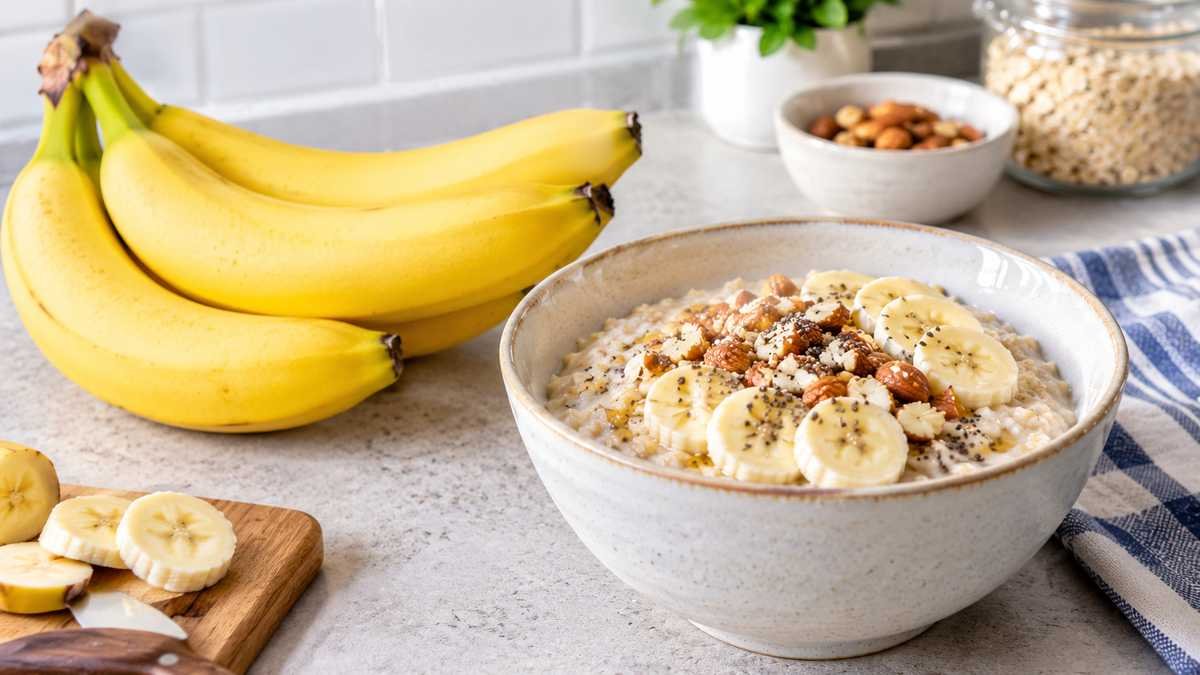
- Slice a banana into oatmeal.
- Combine banana with plain yogurt and nuts.
- Spread nut butter on whole-grain toast and top with banana slices.
- Blend a banana with milk or an unsweetened alternative and other fruit.
- Add banana slices to whole-grain cereal.
- Freeze banana pieces for a simple snack.
Choose whole fruit and balanced combinations over recipes that depend heavily on added sugar. Variety helps too, so rotate in other fruits such as blueberries. Our list of healthy foods has more ideas.
Frequently Asked Questions
Is Eating One Banana Every Day Good for You?
Generally, yes, for most healthy adults. A daily banana can provide fiber, potassium, and vitamin B6 as part of a varied diet, as described by the Harvard Nutrition Source.
Can Eating Bananas Every Day Cause Weight Gain?
Bananas do not automatically cause weight gain. Changes in body weight depend on overall energy intake, activity, and other factors.
Is It Okay to Eat Bananas on an Empty Stomach?
Many people can eat bananas on an empty stomach without a problem. There is no universal need to pair them with other food, though some people prefer a more substantial snack or meal.
Are Bananas High in Sugar?
Bananas contain naturally occurring sugars and carbohydrates, about 14 g of sugar in a medium banana according to USDA data. They also provide fiber and micronutrients, so whole bananas are not nutritionally equivalent to sugary drinks or sweets.
Should People With Kidney Disease Avoid Bananas?
Not everyone with kidney disease needs the same restrictions. Some people must limit potassium, so they should follow the advice of their healthcare professional or renal dietitian, as the NIDDK recommends.
The Bottom Line
Most healthy adults can eat bananas every day if they enjoy them. They offer fiber, potassium, vitamin B6, and convenient energy. The main cautions involve carbohydrate planning, digestive tolerance, and potassium limits for some medical conditions.
Enjoy bananas as one of several fruits in a varied, balanced diet. If you take medicines that affect potassium, have kidney disease, or manage diabetes, ask your healthcare professional what amount is right for you.
Sources
- U.S. Department of Agriculture. FoodData Central
- NIH Office of Dietary Supplements. Potassium: Fact Sheet for Consumers
- NIH Office of Dietary Supplements. Potassium: Fact Sheet for Health Professionals
- Harvard T.H. Chan School of Public Health. Bananas
- National Institute of Diabetes and Digestive and Kidney Diseases. Eating and Nutrition for Kidney Failure
- American Heart Association. Healthy Eating
- American Diabetes Association. Best Fruit Choices for Diabetes
Medical Disclaimer: This article is for general information and education only. It is not medical advice and does not replace care from a doctor, dietitian, or other qualified healthcare professional. Everyone’s health needs are different, so please talk with your healthcare provider before changing your diet, especially if you have kidney disease, diabetes, or take medicines that affect potassium. If you have signs of a severe allergic reaction, such as trouble breathing or swelling of the face or throat, call 911 right away.
2 thoughts on “Can You Eat Bananas Every Day? Benefits, Risks, and How Many Are Healthy”
Comments are closed.