
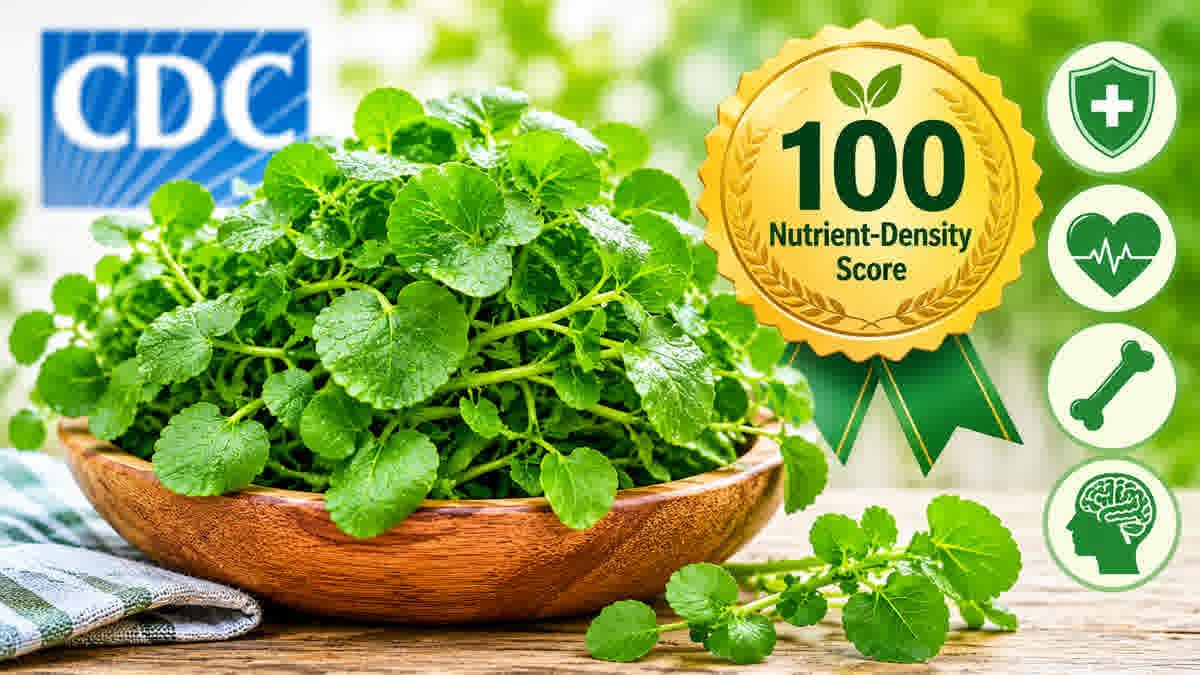

Here is a surprising fact about a humble leafy green: when researchers ranked fruits and vegetables by how many key nutrients they deliver per calorie, watercress came out on top. Watercress is a peppery, tender-stemmed vegetable in the Brassicaceae family, alongside broccoli, cabbage, and kale. A small serving adds very few calories, yet it provides notable amounts of vitamins K and C, vitamin A activity, calcium, potassium, and plant compounds.
The ranking comes from a 2014 study titled Defining Powerhouse Fruits and Vegetables: A Nutrient Density Approach, published in the CDC’s journal Preventing Chronic Disease. In that research, watercress received a nutrient-density score of 100, the highest score among the 41 “powerhouse” fruits and vegetables identified. It is worth reading that result carefully, because it is often described more broadly than the study supports.
In this guide, you will learn what the CDC-published study measured, what a score of 100 does and does not mean, and what makes watercress so nutrient-dense. We also cover watercress nutrition facts, 10 potential health benefits, comparisons with spinach, kale, and broccoli, and practical ways to eat it safely.
Why Did the CDC Rank Watercress as the Most Nutrient-Dense Vegetable?
The study was written by Jennifer Di Noia, PhD, of William Paterson University, and published in Preventing Chronic Disease, a peer-reviewed journal produced by the CDC. It was not an official CDC declaration that watercress is the healthiest food. A more accurate summary is that this CDC-published research ranked watercress first among the qualifying powerhouse fruits and vegetables in its scoring system.
The goal was to create a clear, evidence-based definition of “powerhouse” produce. National guidelines have long encouraged eating these foods, but the term lacked a precise meaning. The author defined powerhouse fruits and vegetables as foods that provide, on average, 10% or more of the Daily Value per 100 calories for 17 qualifying nutrients.
Those 17 nutrients were potassium, fiber, protein, calcium, iron, thiamin, riboflavin, niacin, folate, zinc, and vitamins A, B6, B12, C, D, E, and K. For each food, the study calculated the average percent Daily Value of these nutrients per 100 grams. It then adjusted that value for energy density, meaning the number of calories in 100 grams. Daily Values were capped at 100% per nutrient, so no single nutrient could dominate the score, and some nutrients were weighted by estimated bioavailability.
Of the foods evaluated, 41 qualified as powerhouse fruits and vegetables. Raw scores ranged widely, and scores above 100 were capped at 100. Watercress reached that ceiling, followed by Chinese cabbage (about 92), chard (about 89), beet greens (about 87), and spinach (about 86).
What Is the CDC Nutrient Density Score?
Nutrient density describes how many beneficial nutrients a food provides relative to its calories. A food with high nutrient density can supply several vitamins and minerals without adding many calories. A nutrient-dense food is not necessarily “low calorie” or “high protein” in itself. It simply delivers a lot of nutrition for its energy content.
In this study, the score represents the mean of the percent Daily Values per 100 calories across 17 nutrients. For a deeper look at this idea, see our guide to nutrient-dense foods.
Does a Score of 100 Mean Watercress Is Perfectly Healthy?
No. A score of 100 reflects the specific nutrients and methods used in this one study. It does not mean watercress contains every nutrient your body needs, and it does not automatically make watercress healthier than every other food.
The author noted that the scores were based only on nutrients with established recommended intakes. Many plant compounds, such as glucosinolates and polyphenols, were not part of the calculation. Overall diet quality depends on variety, portion sizes, and individual nutritional needs.
What Makes Watercress So Nutrient-Dense?
Watercress is mostly water, so it is very low in calories (about 11 calories per 100 grams). Because the score is calculated per calorie, low-calorie vegetables with many vitamins and minerals tend to rank high. Watercress combines both qualities.
Rich in Essential Vitamins
- Vitamin K: Supports normal blood clotting and bone metabolism. Watercress is an exceptionally rich source, as outlined by the NIH Office of Dietary Supplements.
- Vitamin C: Supports immune function and collagen production. See the NIH vitamin C fact sheet and our list of vitamin C-rich foods.
- Vitamin A activity: Watercress contains carotenoids such as beta-carotene, which the body can convert into vitamin A.
- Folate: Supports DNA synthesis and normal cell division, according to the NIH folate fact sheet.
Contains Important Minerals
- Calcium: Supports bones and teeth. Explore more calcium-rich foods.
- Potassium: Supports normal blood pressure regulation and muscle function.
- Magnesium: Supports muscle and nerve function.
- Iron: Helps the body make hemoglobin, though watercress provides only a small amount.
Contains Antioxidants and Plant Compounds
Watercress also contains carotenoids, polyphenols, and glucosinolates, sulfur-containing compounds found in cruciferous vegetables. These compounds contribute to its nutritional profile and are being studied for their biological effects. Our guide to antioxidant-rich foods explains more about this group of nutrients.
Watercress Nutrition Facts: What Do You Get in One Serving?
The table below shows approximate values for raw watercress, per 100 grams, based on USDA FoodData Central. One cup of chopped raw watercress weighs about 34 grams, so a typical cup provides roughly one-third of these amounts. Values can vary slightly by source, season, and database.
| Nutrient | Amount per 100 g (raw) |
|---|---|
| Calories | About 11 kcal |
| Protein | About 2.3 g |
| Carbohydrates | About 1.3 g |
| Dietary fiber | About 0.5 g |
| Vitamin C | About 43 mg |
| Vitamin K | About 250 mcg |
| Calcium | About 120 mg |
| Potassium | About 330 mg |
| Folate | About 9 mcg |
| Vitamin A | About 160 mcg RAE (vitamin A activity from carotenoids) |
Vitamin K and vitamin C are the standout nutrients. A single cup of chopped watercress provides roughly 85 micrograms of vitamin K, which is close to or above the adequate intake for many adults. Keep in mind that the table lists nutrient amounts, while the CDC study scored nutrients relative to calories, so the two are not the same thing.
Watercress also complements other foods. Its vitamin C can pair well with plant-based iron sources, and its calcium and vitamin K add to what you get from other vegetables and dairy or fortified foods. Still, it is best treated as one part of a varied diet, not as a complete nutritional solution.
10 Impressive Health Benefits of Watercress
The benefits below connect to the known functions of nutrients in watercress, not to proven effects of watercress itself. Most benefits come from eating it as part of a balanced pattern. To see how it compares with other greens, read our overview of the benefits of leafy greens.
1. Supports Normal Immune Function
Vitamin C contributes to the normal function of immune cells. Watercress provides it, along with carotenoids and other antioxidants. No single food prevents illness, but a varied, nutrient-rich diet supports your body’s normal defenses.
2. Helps Support Strong Bones
Vitamin K plays a role in bone metabolism, and calcium is a key part of bone structure. Watercress offers both. It can fit into a bone-supporting diet that also includes enough protein, vitamin D, and physical activity.
3. Supports Heart Health
Watercress is naturally low in sodium and provides potassium, which helps balance the effects of sodium on blood pressure. Large observational studies link vegetable-rich diets with better cardiovascular outcomes, as summarized by the Harvard T.H. Chan School of Public Health. Watercress alone has not been shown to prevent heart disease. See our guide to the best vegetables for heart health.
4. Provides Antioxidant Protection
Oxidative stress occurs when unstable molecules called free radicals outnumber the body’s defenses, which can damage cells. Vitamin C and carotenoids in watercress act as antioxidants that help neutralize these molecules. Food sources are generally preferred over high-dose antioxidant supplements.
5. Supports Healthy Skin
Your body needs vitamin C to produce collagen, a protein that gives skin its structure. Carotenoids contribute additional antioxidant activity. Skin health depends on many factors, including sun protection, sleep, and overall diet.
6. Contributes to Eye Health
Watercress contains beta-carotene, which the body can turn into vitamin A, a nutrient needed for normal vision. It also contains lutein, a carotenoid found in the retina. Eating leafy greens may support long-term eye health, but watercress has not been shown to improve eyesight or treat eye disease.
7. Supports Digestive Health
Watercress provides a small amount of fiber and a lot of water. Fiber supports regular bowel movements, though watercress alone will not meet your daily needs. Pair it with beans, whole grains, and other high-fiber foods.
8. May Support Healthy Blood Pressure
A diet higher in potassium and lower in sodium is associated with healthier blood pressure for many people. Watercress contributes to that pattern. It is not a substitute for blood pressure medication or medical care.
9. Supports Normal Red Blood Cell Production
Folate and iron both help the body make red blood cells. Watercress provides small amounts of each, and its vitamin C may help with absorption of plant-based iron eaten at the same meal. Watercress cannot treat iron-deficiency anemia on its own, which requires medical evaluation.
10. May Contribute to Healthy Aging
Nutrient-dense foods help older adults meet vitamin and mineral needs without excess calories. The antioxidants and micronutrients in watercress support normal cell function. It does not reverse aging, but it can be a useful part of an overall healthy eating pattern.
Watercress vs. Other Healthy Vegetables: Is It Really the Best?
Watercress topped the CDC-published ranking, but the ranking measures nutrients per calorie using a specific formula. Comparing foods by weight gives a different picture, as the examples below show (raw, per 100 grams, based on USDA data).
Watercress vs. Spinach
Spinach scored about 86 in the same study. By weight, spinach contains more vitamin K, folate, and vitamin A activity, while watercress has more vitamin C and fewer calories (about 11 vs. 23). Both are excellent choices. Read more in our guide to the health benefits of spinach.
Watercress vs. Kale
Kale is higher in vitamin C, calcium, and calories per 100 grams, while watercress is lighter and more peppery. Kale scored lower than watercress in the study, but it offers its own mix of carotenoids and glucosinolates.
Watercress vs. Broccoli
Both belong to the Brassicaceae family and contain glucosinolates, which are widely studied in nutrition research. Broccoli provides more fiber and vitamin C per 100 grams, and it ranked lower on the study’s per-calorie scale. Learn more about this plant family in our guide to cruciferous vegetables.
Key takeaway: Watercress ranked first in this study’s specific scoring system, but that does not make other vegetables less valuable. A diverse mix of vegetables provides a wider range of nutrients.
How to Eat Watercress to Get the Most Nutritional Value
Watercress is easy to use, and a small handful goes a long way. Rinse it well under clean running water before eating. Our guide on how to wash and store vegetables offers more tips.
Eat Watercress Raw
Raw watercress keeps its crisp texture and heat-sensitive vitamin C. Add fresh leaves to salads, sandwiches, and wraps. It pairs well with tomatoes, cucumber, avocado, and citrus.
Add Watercress to Cooked Meals
Stir watercress into soups and vegetable dishes near the end of cooking, since it wilts quickly. You can also fold it into omelets or place it over warm grains. Cooking softens the flavor and changes the nutrient profile, and some vitamin C is lost with heat.
Blend Watercress Into Smoothies
Blend a small handful with apple, pear, banana, or cucumber. The sweetness of the fruit helps balance its peppery taste. Start with a small amount and adjust to your preference.
Are There Any Side Effects of Eating Watercress?
Watercress is generally safe as a food for most people. A few precautions apply, especially if you take certain medications.
Vitamin K and Blood-Thinning Medication
Watercress is very high in vitamin K, which affects blood clotting. People who take warfarin (Coumadin) are generally advised to keep vitamin K intake consistent from day to day, according to the NIH Office of Dietary Supplements. Talk with your healthcare professional before making major changes to how much watercress or other leafy greens you eat.
Digestive Discomfort
Eating large amounts of leafy vegetables can cause gas or bloating in some people. Tolerance varies from person to person. Increasing your portions gradually may help.
Food Safety Concerns
Because watercress grows in water, plants taken from contaminated sources can carry harmful bacteria or parasites. The CDC describes one example, the liver fluke Fasciola hepatica, in its fascioliasis resource. Buy watercress from reliable sellers, avoid foraging from unknown streams, wash it thoroughly, and keep it refrigerated.
Allergic Reactions
Allergic reactions to watercress are uncommon but possible. Stop eating it if you notice itching, hives, or swelling. Seek emergency care right away for trouble breathing, swelling of the face or throat, or dizziness.
Can You Eat Watercress Every Day?
Most people can include watercress regularly as part of a varied diet. There is no universally established medicinal daily dose, and portions depend on personal needs and preferences. The Dietary Guidelines for Americans recommend that most adults eat roughly 2 to 4 cups of vegetables daily, depending on age, sex, and activity level.
A handful in a salad or sandwich is a practical portion. Variety matters more than relying on a single food. If you take warfarin, keep your intake steady.
Frequently Asked Questions About Watercress
Is Watercress the Healthiest Vegetable According to the CDC?
Watercress ranked first among the powerhouse fruits and vegetables in a 2014 nutrient-density study published in the CDC’s journal Preventing Chronic Disease. The study’s author, not the CDC itself, developed the scoring method. The result reflects that specific methodology, not a universal ranking of healthfulness.
Why Is Watercress More Nutrient-Dense Than Other Vegetables?
Watercress provides several qualifying vitamins and minerals for very few calories. Because the study scored nutrients per 100 calories, low-calorie leafy greens performed especially well. Its high vitamin K and vitamin C content helped its score.
What Is the Nutrient-Density Score of Watercress?
Watercress received a score of 100 in the 2014 study. Scores above 100 were capped at 100, so this represents the top of the study’s scale.
Is It Safe to Eat Watercress Every Day?
Most people can eat watercress regularly as part of a balanced diet. People taking warfarin should keep their vitamin K intake consistent and talk with a healthcare professional about major dietary changes.
Is Raw Watercress Healthier Than Cooked Watercress?
Both can be nutritious. Raw watercress retains more heat-sensitive vitamin C, while cooking changes its texture, flavor, and nutrient profile.
Can Watercress Help With Weight Management?
Watercress is low in calories and can add volume and flavor to meals. However, weight management depends on overall eating patterns, physical activity, sleep, and other lifestyle factors. See our overview of weight management.
Final Thoughts
Watercress earned the top nutrient-density score in a 2014 study published in a CDC journal, and its mix of vitamins, minerals, and plant compounds explains why. It can contribute to bone health, immune function, and cardiovascular health as part of a balanced diet. It is easy to enjoy in salads, soups, sandwiches, and smoothies.
The score does not make it a cure-all, so aim for a variety of nutrient-rich vegetables, including watercress, in your daily meals.
Sources
- Di Noia J. Defining Powerhouse Fruits and Vegetables: A Nutrient Density Approach. Preventing Chronic Disease, 2014
- PubMed record: Defining powerhouse fruits and vegetables
- USDA FoodData Central: Watercress, raw (SR Legacy, FDC 170068)
- NIH Office of Dietary Supplements: Vitamin K Fact Sheet for Health Professionals
- NIH Office of Dietary Supplements: Vitamin C Fact Sheet for Health Professionals
- NIH Office of Dietary Supplements: Folate Fact Sheet for Health Professionals
- Harvard T.H. Chan School of Public Health, The Nutrition Source: Vegetables and Fruits
- CDC: Fascioliasis
- Dietary Guidelines for Americans
Medical Disclaimer: This article is for general educational purposes only and is not medical advice. It does not diagnose, treat, or prevent any condition, and it cannot replace guidance from a doctor, registered dietitian, or other qualified healthcare professional. Talk with your healthcare provider before making major changes to your diet, especially if you take medications such as warfarin, have a medical condition, are pregnant, or are breastfeeding.
2 thoughts on “Why Watercress Is the Most Nutrient-Dense Vegetable (According to the CDC)”
Comments are closed.