
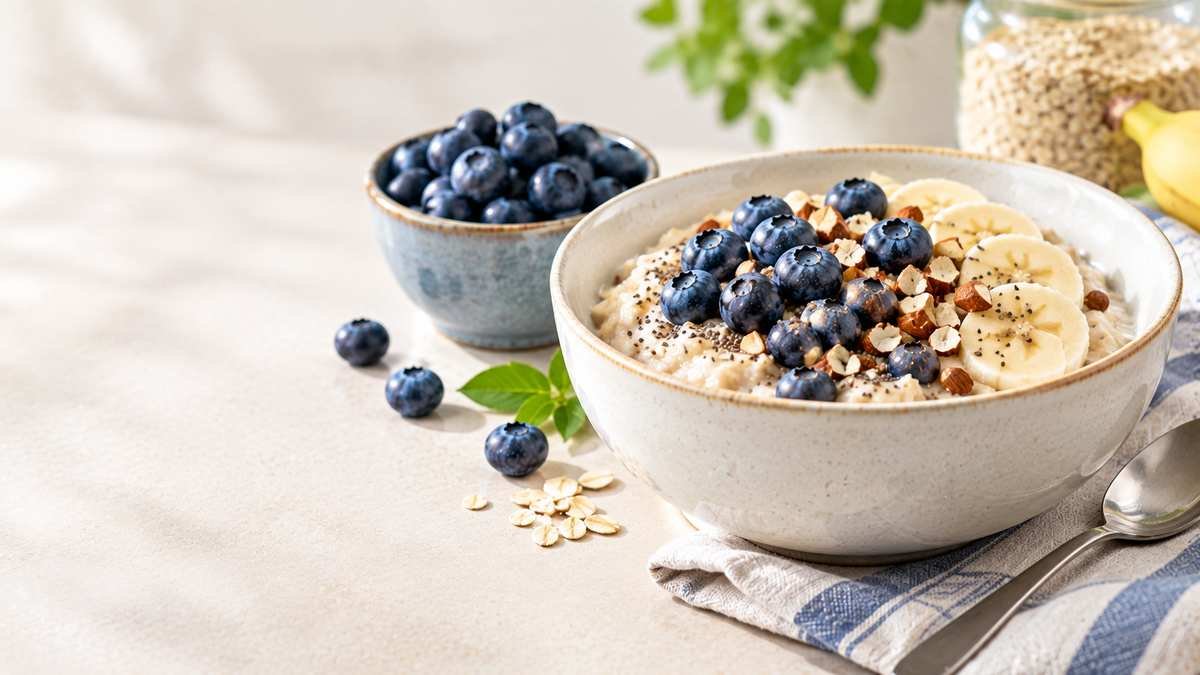

Blueberries are rich in plant compounds and can be a nutritious addition to a heart-healthy diet. Some research suggests that compounds in blueberries may support blood vessel function, but evidence that eating blueberries directly lowers high blood pressure is still mixed. They are a sensible fruit choice for many people, not a proven treatment for hypertension.
High blood pressure, also called hypertension, can raise the risk of heart disease and stroke over time. According to the Centers for Disease Control and Prevention (CDC), it often causes no noticeable symptoms, which is why regular measurement matters. It is natural to wonder whether everyday foods can help, and blueberries often come up because they contain anthocyanins, the pigments that give them their deep blue color.
This guide explains what studies show, where the evidence is limited, and how blueberries fit into a broader blood pressure plan. You will also find practical serving ideas, safety considerations, and the strategies with the strongest evidence, such as the DASH eating plan, sodium reduction, physical activity, and prescribed treatment when needed.
Are Blueberries Good for High Blood Pressure?
Blueberries can support a healthy eating pattern, but they have not been shown to reliably lower high blood pressure on their own. They provide fiber and naturally occurring plant compounds, and they count toward your daily fruit intake. Our overview of the health benefits of blueberries covers their broader nutrition profile.
Anthocyanins are of interest because they may influence blood vessel function. Some individual studies have reported favorable cardiovascular findings, but results are not consistent across clinical trials. A food’s nutritional value does not automatically mean it has a proven therapeutic effect.
The key takeaway: blueberries are a good fruit choice for many people, but they should not be promoted as a guaranteed way to lower blood pressure. They complement medical care and lifestyle changes; they do not replace them.
How Might Blueberries Affect Blood Pressure?
Researchers have proposed several ways blueberries could support cardiovascular health. These ideas give scientists a reason to study blueberries, but a proposed mechanism is not the same as a proven benefit in people.
Anthocyanins and Blood Vessel Function
Anthocyanins are pigments responsible for the blue, purple, and red colors of many fruits, and blueberries are a good source. Scientists have investigated whether they affect vascular function. Healthy blood vessels need to relax and respond properly to changes in blood flow.
Researchers have explored whether anthocyanins may influence nitric oxide signaling, oxidative stress, and inflammation, as described in a 2022 overview of the clinical evidence on berries and blood pressure. Laboratory findings and proposed mechanisms do not prove that eating blueberries lowers a person’s blood pressure. For more on these compounds, see our guide to antioxidant-rich foods.
Potassium, Fiber, and Overall Dietary Quality
Blueberries provide dietary fiber and a modest amount of potassium, along with other nutrients. Fiber contributes to a healthy overall diet, and potassium helps the body balance sodium and supports normal muscle and nerve function. You can check exact values in USDA FoodData Central or on our nutrition facts page.
Blueberries should not be presented as an especially high-potassium food or as a stand-alone blood pressure intervention. People with kidney disease, or those taking medicines that affect potassium levels, should follow individualized advice from their healthcare professional.
Why the Effects May Vary
Blood pressure is shaped by many factors, including genetics, age, sodium intake, physical activity, body weight, medication use, and other health conditions. A single food is only one small part of that picture.
Studies also differ in the blueberry products they use, the amounts given, how long they last, and who takes part. A benefit seen in one study cannot automatically be applied to everyone.
What Does Scientific Research Say About Blueberries and Blood Pressure?
The research is promising in some respects but inconsistent overall. Looking at it carefully helps set realistic expectations.
Evidence From Clinical Trials
A 2024 systematic review and meta-analysis by Delpino and colleagues in Phytotherapy Research evaluated randomized clinical trials of blueberry and cranberry interventions in people with cardiometabolic diseases. It included 17 articles. When results were pooled, the researchers did not find statistically significant reductions in systolic or diastolic blood pressure overall, and only two of the included articles reported significant blood pressure findings.
This review combined blueberry and cranberry research, so it is not a definitive assessment of blueberries alone. It also does not prove that no benefit is possible for any individual.
What Broader Berry Research Suggests
The 2022 overview of berry consumption and blood pressure found that results varied by berry type, study population, and intervention. Some findings were encouraging, especially among participants who began with elevated blood pressure. Still, the evidence did not establish a consistent, direct blood-pressure-lowering effect.
Research involving chokeberries, cranberries, or mixed-berry products should not be treated as proof that blueberries have the same effects. Each berry has its own composition.
How to Interpret the Evidence
It helps to separate three ideas. A potential benefit means a biological mechanism or early study suggests an effect. Consistent clinical evidence means multiple well-designed studies show a reliable outcome. A proven treatment means the evidence supports using an intervention within a clinical care plan.
Blueberries currently sit in the first category for blood pressure. They remain a nutritious food, but the available evidence does not establish a reliable blood-pressure-lowering effect from blueberries alone.
How Many Blueberries Should You Eat for High Blood Pressure?
There is no established blueberry serving size proven to treat high blood pressure. Anything you read that promises a specific number of berries for a specific drop in blood pressure goes beyond the evidence.
As a practical, everyday food portion, many people eat about a half cup to one cup of blueberries. Treat that as ordinary nutrition advice, not a medically validated dose. Your needs may differ based on your overall calorie needs, preferences, and health conditions.
If you enjoy blueberries, consider adding a portion to breakfast or using them as a snack. Eating more of them does not guarantee a greater reduction in blood pressure. Whole fruit, fresh or frozen without added sugar, is generally a better everyday choice than sweetened juices, syrups, or desserts.
For more on daily intake, see our article on whether you can eat blueberries every day.
Best Ways to Eat Blueberries for Heart Health
These ideas make it easier to enjoy blueberries as part of a balanced diet. They are meant to support overall heart-healthy eating, not to act as a remedy.
Add Blueberries to Breakfast
- Top oatmeal with fresh or frozen blueberries.
- Stir blueberries into plain yogurt with a small serving of unsalted nuts. Our article on Greek yogurt and high blood pressure explains how yogurt may fit in.
- Sprinkle them over whole-grain cereal.
Use Blueberries in Snacks and Meals
- Enjoy a bowl of fresh blueberries on their own.
- Blend whole blueberries into a smoothie with plain yogurt and no added sugar.
- Add them to a fruit salad.
- Serve them with whole-grain toast as part of a balanced breakfast.
Choose Minimally Processed Options
Fresh and frozen unsweetened blueberries are convenient choices. Check the labels on dried blueberries, packaged smoothies, and blueberry-flavored foods, because some contain a lot of added sugar.
There is no evidence that organic, wild, or frozen blueberries are better at lowering blood pressure. The best choice is the one that fits your budget, availability, and eating habits.
Are Fresh or Frozen Blueberries Better for High Blood Pressure?
There is not enough evidence to say that one form of blueberries is specifically better for blood pressure. The practical differences are mostly about convenience and added ingredients.
- Fresh blueberries: Easy to eat whole and convenient when in season.
- Frozen blueberries: Available year-round and useful in oatmeal, smoothies, and yogurt.
- Dried blueberries: Portable, but easy to overeat, and some products contain added sugar.
- Blueberry juice or sweetened products: Often contain less fiber than whole fruit and may add sugar or calories.
Unsweetened fresh or frozen whole fruit is a practical default for most people.
How to Include Blueberries in a Blood Pressure-Friendly Diet
Blueberries make the most sense as one part of an eating pattern backed by stronger evidence. Our guides on how to lower blood pressure and high blood pressure offer additional background.
Follow a DASH-Style Eating Pattern
The Dietary Approaches to Stop Hypertension (DASH) eating plan emphasizes fruits, vegetables, whole grains, beans, nuts, and suitable low-fat dairy foods, while limiting sodium and saturated fat. The National Heart, Lung, and Blood Institute provides detailed guidance.
Blueberries can count toward your fruit intake. However, no single fruit is responsible for the effect of a balanced dietary pattern. See also our guide to heart-healthy foods.
Reduce Excess Sodium
Excess sodium can contribute to high blood pressure in many people. Check labels, rely less on heavily salted packaged foods, and use herbs, spices, and other flavorings where appropriate. Blueberries do not cancel out the effects of a high-sodium diet.
Stay Physically Active and Monitor Blood Pressure
Regular physical activity, a healthy weight where appropriate, and adequate sleep all support healthy blood pressure. You can learn more in our articles on the benefits of exercise and how to improve sleep.
Because high blood pressure often has no symptoms, follow the monitoring plan your clinician recommends. The American Heart Association’s 2025 high blood pressure guideline summary outlines current recommendations on lifestyle changes and, when indicated, medication.
Follow Prescribed Treatment
Dietary changes should complement prescribed treatment. Do not stop, reduce, or replace blood pressure medicine with blueberries or supplements without guidance from your healthcare professional.
Are Blueberries Safe for People With High Blood Pressure?
Whole blueberries are generally suitable for most people as part of a balanced diet. A few situations call for extra care.
- Allergy: People with a blueberry allergy should avoid them.
- Diabetes: Many people with diabetes can include whole blueberries in a balanced eating plan, taking overall carbohydrate intake into account. See our article on whether blueberries lower blood sugar.
- Kidney disease or potassium restrictions: Follow individualized dietary advice rather than assuming all fruit portions are appropriate.
- Supplements and extracts: Concentrated blueberry products are not equivalent to ordinary servings of whole fruit. Evidence for their effect on blood pressure is uncertain, and they may carry different risks or interactions. Talk with a healthcare professional before using them.
Blueberries are not a substitute for antihypertensive medication. If you notice digestive discomfort after eating them, our article on blueberries and acid reflux may help.
Frequently Asked Questions
Can Eating Blueberries Every Day Lower Blood Pressure?
Blueberries can be part of a heart-healthy diet, but the evidence does not show that eating them daily reliably lowers blood pressure. A 2024 meta-analysis did not find significant pooled reductions. Overall eating habits and appropriate treatment matter more than relying on one food.
How Quickly Can Blueberries Lower Blood Pressure?
There is no established timeline. Blueberries have not been proven to produce a consistent, predictable reduction in blood pressure.
Are Blueberries Better Than Bananas for High Blood Pressure?
Neither fruit is a stand-alone treatment. Both can fit into a balanced diet, and their nutritional profiles differ. Individual needs, including any potassium restrictions, should guide your choices. You can read about bananas too.
Can Blueberry Juice Help With High Blood Pressure?
Evidence does not establish blueberry juice as a treatment for hypertension. Juice may provide less fiber than whole fruit, and sweetened varieties can contain added sugar. Whole, unsweetened blueberries are a practical everyday option.
Can I Stop Taking Blood Pressure Medicine if I Eat Blueberries?
No. Do not stop or change prescribed medication because of blueberry consumption. Discuss any treatment changes with your healthcare professional.
The Bottom Line: Are Blueberries Good for High Blood Pressure?
Blueberries are a nutritious source of anthocyanins and can fit into a heart-healthy eating pattern. Research on their direct effects on blood pressure remains mixed and inconclusive, and no specific serving has been established as a treatment for hypertension.
A DASH-style diet, lower sodium intake, regular activity, blood pressure monitoring, and appropriate medical treatment have a much stronger role in managing hypertension. If you enjoy blueberries, you can include them regularly as long as they suit your dietary needs, while continuing to follow your individual blood pressure plan.
Sources
- Delpino FM, et al. Blueberry and cranberry supplementation and cardiometabolic outcomes: systematic review and meta-analysis. Phytotherapy Research, 2024.
- The Role of Berry Consumption on Blood Pressure Regulation and Hypertension: An Overview of the Clinical Evidence. 2022.
- National Heart, Lung, and Blood Institute. DASH Eating Plan
- American Heart Association. 2025 High Blood Pressure Guideline: Top Things to Know
- Centers for Disease Control and Prevention. About High Blood Pressure
- U.S. Department of Agriculture. FoodData Central
Medical Disclaimer: This article is for general information and education only. It is not medical advice and does not replace care from a doctor or other qualified healthcare professional. Everyone’s health needs are different, so please talk with your healthcare provider before changing your diet, medications, or treatment plan. Never stop or change blood pressure medicine without medical guidance. If you have chest pain, severe headache, vision changes, weakness, or trouble speaking, seek emergency care right away.
1 thought on “Are Blueberries Good for High Blood Pressure? What Research Says”
Comments are closed.