
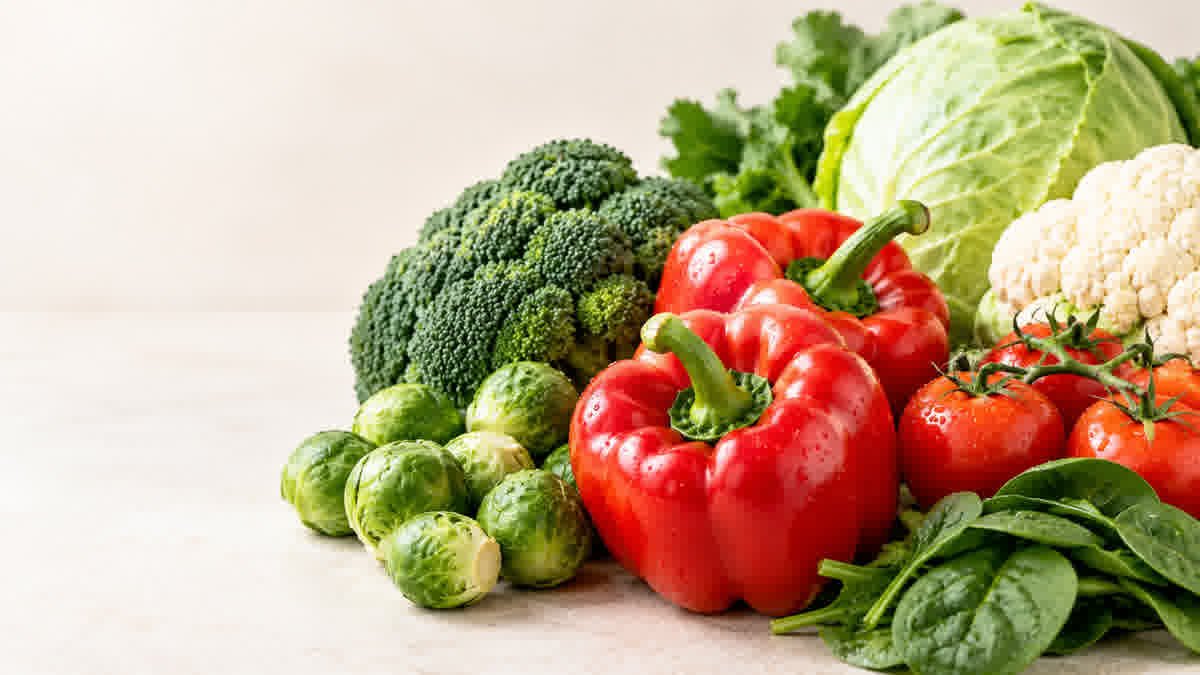

Vegetables high in vitamin C include red bell peppers, green bell peppers, broccoli, Brussels sprouts, cauliflower, and cabbage. Vitamin C is an essential, water-soluble vitamin that your body cannot make on its own, so it has to come from food. Red bell peppers are particularly rich, and broccoli and Brussels sprouts are close behind.
Vitamin C supports collagen production, normal immune function, and the absorption of iron from plant foods. Many people think of oranges first, but everyday vegetables can contribute just as much, and sometimes more per serving. Because the vitamin is sensitive to heat, water, and long storage, how you prepare vegetables also matters.
This guide lists ten vegetables high in vitamin C with serving-based amounts, explains how much you need each day, and shows how to preserve vitamin C when you cook. You will also find easy meal ideas and answers to common questions. The information is general and educational, and it is not a substitute for advice from your clinician or a registered dietitian. For a broader list that includes fruits, see our guide to foods high in vitamin C.
Quick answer: Vegetables high in vitamin C include red bell peppers, green bell peppers, broccoli, Brussels sprouts, cauliflower, and cabbage. Red bell peppers are particularly rich, providing about 95 mg of vitamin C per half cup when raw. Cooking method, storage, and serving size affect the amount retained.
Vitamin C Content of Vegetables at a Glance
The table below shows approximate vitamin C amounts for common servings, based on values published by the NIH Office of Dietary Supplements. Serving sizes are not equal across rows, so treat the table as a practical comparison and not a strict ranking.
| Vegetable | Serving | Approx. vitamin C |
|---|---|---|
| Red bell pepper, raw | ½ cup | 95 mg |
| Green bell pepper, raw | ½ cup | 60 mg |
| Broccoli, cooked | ½ cup | 51 mg |
| Brussels sprouts, cooked | ½ cup | 48 mg |
| Broccoli, raw | ½ cup | 39 mg |
| Cabbage, cooked | ½ cup | 28 mg |
| Cauliflower, raw | ½ cup | 26 mg |
| Tomato, raw | 1 medium | 17 mg |
| Potato, baked | 1 medium | 17 mg |
| Green peas, cooked (frozen) | ½ cup | 8 mg |
Actual amounts depend on the variety, ripeness, serving size, storage, and preparation. This table is not a controlled raw-versus-cooked experiment, so it should not be read as proof that cooking raises or lowers the vitamin C in any one vegetable. You can check specific foods in the USDA FoodData Central database.
What Is Vitamin C and Why Does Your Body Need It?
Vitamin C, also called ascorbic acid, takes part in many processes throughout the body. The NIH Office of Dietary Supplements describes several key roles.
Supports Collagen Production
The body needs vitamin C to make collagen, a protein found in skin, blood vessels, tendons, ligaments, and bone. Collagen is also involved in normal wound healing. Without enough vitamin C, these tissues cannot be maintained properly.
Helps the Immune System Function Normally
Vitamin C is found in high concentrations in immune cells and supports their normal activity. That does not mean eating a particular vegetable prevents or cures infections. A varied diet, sleep, physical activity, and vaccination all play a part.
Improves Iron Absorption
Vitamin C helps the body absorb non-heme iron, the form found in plant foods such as lentils, beans, and leafy greens. Pairing vitamin C-rich vegetables with these foods is a practical way to get more from your meals. See our list of iron-rich foods and the NIH iron fact sheet.
Provides Antioxidant Activity
Vitamin C acts as an antioxidant, which means it helps protect cells from damage caused by reactive molecules called free radicals. It also helps regenerate other antioxidants, such as vitamin E. For more on this topic, see our guide to antioxidant-rich foods.
10 Vegetables High in Vitamin C
The amounts below are approximate and come from the NIH food table. Each vegetable offers other nutrients too, so variety matters more than chasing the single highest number.
1. Red Bell Peppers
Raw red bell peppers are a standout source, with about 95 mg of vitamin C in half a cup. They also provide vitamin A precursors and fiber. Slice them into salads, dip them in hummus, or add them to omelets and sandwiches.
2. Green Bell Peppers
Half a cup of raw green bell pepper provides about 60 mg. Green peppers are less sweet than red ones but just as versatile in stir-fries, fajitas, curries, and stuffed vegetable dishes. They are often more affordable too.
3. Broccoli
Broccoli supplies vitamin C, fiber, folate, and vitamin K. Half a cup of raw broccoli provides about 39 mg, while half a cup cooked provides about 51 mg in the NIH table. Those serving-based figures do not prove that cooking increases vitamin C, since cooked broccoli packs more vegetable into the same measuring cup.
Learn more in our guide to cruciferous vegetables.
4. Brussels Sprouts
Half a cup of cooked Brussels sprouts provides about 48 mg of vitamin C, along with fiber and vitamin K. Roasting them with a little olive oil or steaming them lightly both work well. Halved sprouts also hold up in stir-fries.
5. Cauliflower
Half a cup of raw cauliflower provides about 26 mg. It is a flexible vegetable for curries, soups, roasted dishes, steamed sides, and mixed vegetable dishes. It is also mild enough to blend into familiar meals.
6. Cabbage
Half a cup of cooked cabbage provides about 28 mg of vitamin C. Green and red cabbage work in salads, slaws, soups, stir-fries, and curries, and they are typically inexpensive and keep well in the refrigerator.
7. Tomatoes
One medium raw tomato provides about 17 mg of vitamin C, along with potassium and plant compounds such as lycopene. Tomatoes are easy to add to sandwiches, salads, sauces, and curries. Our article on raw vs. cooked vegetables explains how cooking changes tomatoes.
8. Spinach
Spinach contains a modest amount of vitamin C along with folate, vitamin K, and other nutrients. Its vitamin C content varies a lot between raw and cooked servings because cooked spinach shrinks so much. Eat it raw in salads and smoothies or wilt it into dals and soups. See the health benefits of leafy green vegetables.
9. Potatoes
One medium baked potato provides about 17 mg of vitamin C, along with potassium and carbohydrates. Because potatoes are eaten so often, they can add up as a source over a week. Keep the skin on and go easy on heavy toppings.
10. Green Peas
Half a cup of cooked frozen green peas provides about 8 mg of vitamin C, plus fiber and plant protein. They are a convenient pantry vegetable for rice dishes, soups, pasta, and curries.
How Much Vitamin C Do You Need Each Day?
Requirements vary with age, sex, and life stage. The values below are U.S. recommended dietary allowances (RDAs) from the NIH. They are not universal requirements for every country.
| Group | Recommended daily amount |
|---|---|
| Children aged 9 to 13 | 45 mg |
| Teen boys aged 14 to 18 | 75 mg |
| Teen girls aged 14 to 18 | 65 mg |
| Adult men | 90 mg |
| Adult women | 75 mg |
| Pregnant adults | 85 mg |
| Breastfeeding adults | 120 mg |
People who smoke need an additional 35 mg of vitamin C per day, according to the NIH. Needs for younger children differ, and your clinician or dietitian can advise on your own situation. A varied diet can supply vitamin C without relying on supplements, which are not necessary for most healthy people.
How to Preserve Vitamin C When Cooking Vegetables
Vitamin C dissolves in water and breaks down with heat, so prolonged cooking, contact with water, and long storage can all reduce what is left. The NIH notes that steaming or microwaving can lessen cooking losses. Harvard Health similarly explains that the best method cooks quickly, for the shortest time, with little liquid.
Steam Vegetables Briefly
Steam until just tender instead of boiling for longer than needed. Brief steaming keeps vegetables out of direct contact with water and preserves color and texture.
Use the Microwave When Convenient
Short cooking times and a small amount of water can help limit losses. Frozen vegetables usually need no added water at all.
Avoid Prolonged Boiling
Some vitamin C leaches into the cooking water. If you do boil vegetables, use as little water as possible and add the liquid to soups, sauces, or grains so the nutrients stay in the meal.
Eat a Mixture of Raw and Cooked Vegetables
There is no need to eat everything raw. Raw peppers, tomatoes, and cabbage retain more heat-sensitive vitamin C, while lightly cooked broccoli or cauliflower can be easier to eat in larger portions. Variety is the goal.
Store Produce Properly
Vitamin C declines over time, so extended storage can reduce it. Refrigerate cut vegetables, use fresh produce within a reasonable time, and remember that frozen vegetables, which are usually frozen soon after harvest, also contribute vitamin C.
Short list for a snippet:
- Steam vegetables for a short time.
- Microwave with a small amount of water.
- Avoid prolonged boiling when the cooking water will be discarded.
- Store vegetables appropriately and avoid unnecessarily long storage.
- Include both raw and cooked vegetables in your meals.
Easy Ways to Add Vitamin C-Rich Vegetables to Your Diet
Small habits are easier to keep than big overhauls. Try a few of these ideas:
- Add sliced bell peppers to salads, sandwiches, or egg dishes.
- Serve steamed broccoli with rice, lentils, beans, or another main dish.
- Add cabbage and tomatoes to vegetable curries.
- Include cauliflower in soups or roasted vegetable trays.
- Pair vitamin C-rich vegetables with beans or lentils to support non-heme iron absorption.
- Rotate vegetables according to availability, preference, and budget.
Familiar meals work well: a vegetable stir-fry with peppers and broccoli, a lentil dal with tomatoes and a squeeze of lemon, a mixed vegetable curry, or a fresh salad with raw cabbage and peppers. No single vegetable is essential, and consistent eating habits matter more than any one food. For more ideas, see our guide on how to eat more vegetables and the benefits of eating vegetables daily.
Can You Get Enough Vitamin C From Vegetables Alone?
For many people, vegetables can make a substantial contribution to daily vitamin C intake, though actual intake depends on portion sizes and food choices. A half cup of raw red bell pepper supplies about 95 mg, which is more than the adult daily recommendation on its own. Half a cup of cooked broccoli supplies roughly half of it.
Fruits such as guava, citrus, kiwi, strawberries, and papaya provide additional options if you eat them. A balanced mix of foods helps meet nutritional needs, so there is no need to rely on any one vegetable or on supplements. If you take a supplement, the NIH sets an upper limit of 2,000 mg per day for adults from all sources, and it is worth discussing supplements with your clinician. See also our guide to a balanced diet.
Frequently Asked Questions About Vegetables High in Vitamin C
Which vegetable has the most vitamin C?
Red bell peppers are one of the richest commonly eaten vegetables, providing about 95 mg per half cup raw, according to the NIH. Exact rankings depend on the variety, ripeness, and serving size.
Are cooked vegetables still good sources of vitamin C?
Yes. Cooked broccoli, Brussels sprouts, and cabbage all still provide vitamin C, though cooking can reduce the amount, especially with long heating or boiling in water. Gentle methods such as steaming or microwaving help limit losses.
Does broccoli have more vitamin C than oranges?
It depends on the serving size and preparation. Half a cup of cooked broccoli provides about 51 mg, while a medium orange provides about 70 mg, per the NIH table. Compare like-for-like quantities, and remember that both are good sources.
Do vegetables lose vitamin C when boiled?
Yes, some do. Vitamin C is water-soluble and heat-sensitive, so it can leach into the cooking water and break down with long cooking times. Use less water, cook for a shorter time, or use the liquid in soups.
Can vitamin C help the body absorb iron?
Yes. Vitamin C helps the body absorb non-heme iron from plant foods such as beans, lentils, and leafy greens, as the NIH explains. Pairing them with peppers, tomatoes, or broccoli is an easy way to take advantage of this.
Conclusion: Make Vitamin C-Rich Vegetables Part of Everyday Meals
Vegetables high in vitamin C, including red and green bell peppers, broccoli, Brussels sprouts, cauliflower, and cabbage, can make it easy to meet daily needs without supplements. Variety helps, and gentle cooking methods such as steaming or microwaving can help preserve the vitamin. Including colorful vegetables in regular meals is a simple, practical way to contribute to adequate vitamin C intake.
Sources
- National Institutes of Health, Office of Dietary Supplements. Vitamin C Fact Sheet for Health Professionals.
- National Institutes of Health, Office of Dietary Supplements. Vitamin C Fact Sheet for Consumers.
- National Institutes of Health, Office of Dietary Supplements. Iron Fact Sheet for Health Professionals.
- U.S. Department of Agriculture. FoodData Central.
- Harvard Health Publishing. Microwave cooking and nutrition.
- MedlinePlus. Vitamin C.
Medical Disclaimer: This article is for general educational purposes only and is not medical advice. It does not diagnose, treat, or prevent any condition, and it cannot replace guidance from a qualified healthcare professional who knows your health history. Always talk with your doctor or a registered dietitian before changing your diet or starting a supplement, especially if you have a medical condition, take medications, or are pregnant. If you think you may have a medical emergency, call 911 or your local emergency number right away.
1 thought on “Vegetables High in Vitamin C: 10 Nutritious Choices”
Comments are closed.