
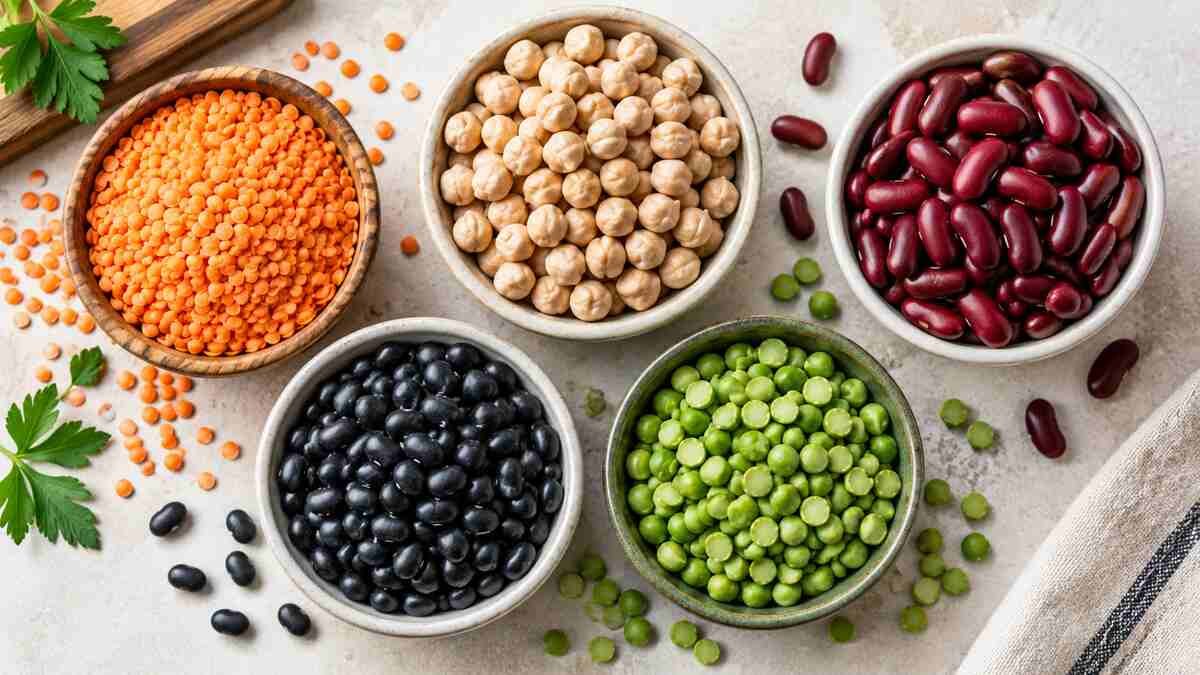

Legumes provide plant-based protein, dietary fiber, complex carbohydrates, and essential nutrients such as folate, iron, potassium, and magnesium. They can support digestion, help you feel full, and contribute to a heart-healthy eating pattern, especially when they replace foods higher in saturated fat.
Beans, lentils, chickpeas, and peas are some of the most affordable and versatile foods in the grocery store. They store well, cook in many ways, and appear in traditional dishes around the world, from Indian dal and Mexican black beans to Mediterranean hummus and Middle Eastern falafel. For many households, legumes are a practical way to add nutrition without a large grocery bill.
This guide explains what legumes are, what they contain, and eight ways they may support health. It also compares common types, covers possible side effects, and offers realistic ways to eat more of them. Legumes are a valuable part of a varied diet, but they are not a cure or a shortcut, and research on specific disease outcomes is still developing.
What Are Legumes?
Legumes are plants in the Fabaceae family, and the term often refers to the edible seeds they produce inside pods. Familiar examples include beans, lentils, chickpeas, peas, soybeans, and peanuts. Some legumes, such as green peas and green beans, are also eaten fresh in their pods.
You may also see the word pulses. Pulses generally refer to the dried edible seeds of legumes, such as dried beans, lentils, chickpeas, and split peas. All pulses are legumes, but not all legumes are pulses; fresh green peas and peanuts, for example, are usually not counted as pulses. The Harvard T.H. Chan School of Public Health provides a helpful overview of these terms.
Legumes have been a staple of traditional diets for thousands of years because they are filling, inexpensive, and easy to store. They are also central to many plant-forward eating patterns, including the Mediterranean diet. The 2020 to 2025 Dietary Guidelines for Americans list beans, peas, and lentils as their own vegetable subgroup, and also count them toward protein foods.
Legumes Nutrition: What Makes Them Healthy?
Legumes are a rare food because they provide both protein and fiber in meaningful amounts. They also supply slowly digested carbohydrates, which provide steady energy. Most are naturally low in fat and low in saturated fat, with the exception of peanuts and soybeans, which contain more unsaturated fat.
Several vitamins and minerals stand out:
- Folate: Needed for DNA synthesis and normal cell division. Lentils and chickpeas are especially good sources, according to the NIH Office of Dietary Supplements.
- Iron: Legumes provide non-heme iron, the form found in plants. See the NIH iron fact sheet for details on absorption.
- Potassium and magnesium: Both support normal muscle and nerve function and appear in beans, lentils, and soybeans.
Nutrient amounts differ by type, serving size, and preparation. Cooked legumes contain far less per cup than dry ones because they absorb water, so always check whether a value refers to dry or cooked food. For exact numbers, use USDA FoodData Central.
For other protein sources, see our guide to high-protein foods.
8 Major Health Benefits of Legumes
Many of the benefits below come from studies showing that diets rich in legumes are associated with better risk factors. Association is not the same as proof that legumes cause a given outcome, so the language here is intentionally careful.
1. Support Heart Health
Legumes contain soluble fiber, which can help lower LDL (“bad”) cholesterol, along with potassium and magnesium that support normal blood pressure. Research also suggests that replacing some red or processed meat with legumes may improve cholesterol-related risk factors, as summarized by Harvard’s Nutrition Source and the American Heart Association.
These effects depend on the whole diet, not on legumes alone. For more, see our guides to heart-healthy foods and high cholesterol.
2. Promote Healthy Digestion
Legumes provide both soluble and insoluble fiber. Insoluble fiber adds bulk to stool and supports regular bowel movements, while soluble fiber and resistant starch can feed beneficial gut bacteria. The fermentation of these carbohydrates in the colon produces short-chain fatty acids, which are being studied for their role in gut health.
Human research on how legumes change the gut microbiome is still emerging. Legumes can help many people meet fiber goals, but they are not a treatment for digestive disease. Read more in our articles on how to improve gut health and high-fiber foods for digestive health.
3. Help You Feel Full Longer
Protein and fiber both slow digestion and promote satiety, which is the feeling of fullness after eating. A bean or lentil dish can keep you satisfied for longer than a meal built on refined grains alone. This can make portion control easier for some people.
Studies on legumes and weight have shown modest effects at best, and results vary. Weight depends on overall eating habits, physical activity, sleep, and other factors. See our guide to weight management for a broader view.
4. Support Healthy Blood Sugar Management
The fiber, protein, and slowly digested starch in legumes produce a lower blood sugar response than many refined carbohydrate foods. Many legumes have a low glycemic index, which means they raise blood sugar gradually. Replacing refined grains with legumes may help some people manage blood sugar after meals.
Evidence that legumes prevent type 2 diabetes is not conclusive. Legumes still contain carbohydrates, so portions matter for people with diabetes, who should work with their care team.
For related reading, see our guides to the best vegetables for diabetes and the diabetes diet.
5. Provide Plant-Based Protein
Protein supports muscle maintenance, tissue repair, and many normal body functions. A half cup of cooked lentils provides roughly 9 grams of protein, and most other cooked beans provide about 6 to 8 grams. Soy foods, such as tofu, tempeh, and edamame, contain all the essential amino acids.
Most other legumes are lower in one or two essential amino acids, but eating a variety of foods through the day, such as legumes with whole grains, nuts, or seeds, helps meet your needs. Legumes can serve as a protein source for vegetarians and for anyone who wants more plant-based meals.
6. Help Meet Daily Fiber Needs
Most American adults eat less fiber than recommended. The Daily Value for fiber is 28 grams per day. A half cup of cooked lentils provides about 8 grams, and many beans provide 6 to 8 grams, which makes legumes one of the easiest ways to close the gap.
Adequate fiber is associated with better digestive health and lower risk of several chronic conditions. Increase fiber gradually and drink enough fluids to help your body adjust. The Harvard Nutrition Source explains more about fiber.
7. Supply Essential Vitamins and Minerals
Legumes provide folate, iron, magnesium, potassium, zinc, and several B vitamins. These nutrients have established roles in normal cell function, oxygen transport, muscle and nerve function, and energy metabolism. Folate is especially important before and during pregnancy.
Legumes do not prevent deficiencies on their own. Plant iron is absorbed less efficiently than iron from meat, and compounds such as phytates can reduce mineral absorption somewhat. Pairing legumes with vitamin C foods, such as peppers or citrus, can improve iron absorption. See our guide to iron-rich foods for more.
8. Support Overall Diet Quality
Legumes add variety, flavor, and nutrition to many meals at low cost. They can replace some processed meats and refined grains, and they combine well with vegetables, whole grains, and healthy fats. People who regularly eat legumes tend to have better overall diet quality, although this may partly reflect other healthy habits.
Legumes do not independently prevent cancer or guarantee a longer life. They are best viewed as one practical building block of a balanced pattern, as described in our guide to a balanced diet. For an affordable approach to produce, see our article on cheap vegetables.
Common Types of Legumes and Their Benefits
Legumes share many strengths, but they are not identical. The table below gives approximate values for a half cup of cooked legumes unless noted. Verify exact figures in USDA FoodData Central, because brands and cooking methods vary.
| Legume | Approx. protein | Approx. fiber | Notable nutrients |
|---|---|---|---|
| Lentils | 9 g | 8 g | Folate, iron, potassium |
| Chickpeas | 7 g | 6 g | Folate, magnesium, versatile for hummus and curries |
| Black beans | 8 g | 7 to 8 g | Folate, magnesium, potassium |
| Kidney beans | 8 g | 6 to 7 g | Folate, iron, potassium |
| Green peas | 4 g | 4 g | Vitamin C, vitamin K, folate |
| Soybeans (edamame, shelled) | 9 g | 4 g | Complete protein, unsaturated fats, folate |
| Peanuts (1 oz) | 7 g | 2 to 3 g | Unsaturated fats, niacin, vitamin E; more calories |
Peanuts are botanically legumes, although dietary advice often groups them with nuts because of their fat content and higher calorie density. Soybeans and peanuts contain more fat than other legumes, mostly unsaturated. Rotating among types gives you a wider mix of nutrients and flavors.
Are There Any Side Effects of Eating Legumes?
For most people, legumes are safe and nutritious. A few points are worth knowing.
Gas and bloating: Legumes contain fiber and fermentable carbohydrates that gut bacteria break down, which can cause gas or bloating. Increase portions gradually, drink enough fluids, and consider smaller servings at first. People with irritable bowel syndrome may be more sensitive and can ask a clinician or dietitian for advice.
Preparation: Soaking dried beans and discarding the soaking water, then cooking them thoroughly, can improve digestibility. Raw or undercooked kidney beans contain a natural toxin that can cause severe stomach upset, so always boil dried kidney beans thoroughly before eating or slow cooking them.
Canned legumes: Canned beans are convenient and nutritious. Choose no-salt-added or lower-sodium versions when possible, and drain and rinse them to reduce sodium.
Allergies and medical conditions: Soy and peanut are among the major food allergens, so people with these allergies should avoid them and follow professional advice. The FDA’s food allergy page offers background. People with kidney disease may need to limit potassium and phosphorus, which legumes contain, and should ask their healthcare team about portions.
How to Add More Legumes to Your Diet
Small, regular additions are easier to maintain than a total diet change. Try these ideas:
- Add lentils or chickpeas to curries, soups, and stews.
- Combine beans with rice or other whole grains.
- Toss boiled chickpeas or beans into salads.
- Use mashed beans in wraps, sandwiches, or patties.
- Try tofu, tempeh, or edamame if they are available to you.
- Keep cooked legumes or low-sodium canned options ready for quick meals.
Start with a small serving, such as a quarter to half cup, and increase gradually if you are not used to high-fiber foods. Adding legumes to dishes you already enjoy makes the change easier. Use them alongside leafy vegetables for extra nutrients; see our guide to the health benefits of leafy greens.
For more ideas on filling your plate, read about how many vegetables you should eat a day and whether frozen vegetables are healthy.
How Often Should You Eat Legumes?
Legumes can be eaten regularly as part of a varied diet, and there is no single amount that is right for everyone. The Dietary Guidelines for Americans suggest weekly amounts of beans, peas, and lentils as part of the vegetable group, with the target depending on age, sex, and calorie needs.
A practical starting point is to add a small serving to several meals each week. Adjust according to how your body responds and your individual needs. If you have a medical condition, take medicines that affect potassium, or follow a special diet, ask your healthcare professional what is appropriate for you.
Frequently Asked Questions About Legumes
What are the main health benefits of legumes?
Legumes provide plant-based protein, dietary fiber, complex carbohydrates, and essential nutrients such as folate and potassium. They can support digestion, help with fullness, and contribute to heart-healthy eating patterns, especially when they replace foods higher in saturated fat. See the Harvard Nutrition Source for an overview.
Which legumes are the healthiest to eat?
Lentils, chickpeas, black beans, kidney beans, peas, and soybeans can all be nutritious choices. The best option depends on your nutritional needs, food preferences, budget, and how you prepare them.
Are legumes a good source of protein?
Yes. Many legumes provide substantial plant-based protein, and lentils, chickpeas, beans, and soybeans can help meet protein needs when eaten as part of a balanced diet. Eating a variety of protein sources throughout the day helps cover all essential amino acids.
Can eating legumes help with weight loss?
Legumes may support weight management because their protein and fiber can help you feel full. However, weight changes depend on overall eating habits, activity, and energy intake, not one food alone.
Do legumes cause gas and bloating?
They can. Fiber and certain fermentable carbohydrates in legumes may produce gas. Gradually increasing intake, soaking dried beans, and cooking them thoroughly may improve tolerance.
Are canned legumes healthy?
Yes. Canned beans, chickpeas, and lentils can be nutritious and convenient. Choose lower-sodium or no-added-salt varieties when possible, and drain and rinse them to reduce sodium.
Are legumes suitable for people with diabetes?
Legumes can fit into many diabetes-friendly eating patterns because they provide fiber, protein, and slowly digested carbohydrates. Individual portions and medication needs should be considered as part of a personalized plan with a healthcare professional. The American Diabetes Association offers more general guidance.
Final Thoughts on the Health Benefits of Legumes
Legumes offer protein, fiber, folate, iron, potassium, and other nutrients in an affordable and flexible form. Lentils, chickpeas, beans, peas, and soy foods each bring something slightly different, so variety is a good goal. They support, rather than replace, other nutritious foods such as vegetables, whole grains, fruits, and healthy fats.
A simple takeaway: choose one familiar legume and add it to a meal this week. If you have a medical condition or dietary restriction, follow your healthcare professional’s guidance.
Sources
- Harvard T.H. Chan School of Public Health, The Nutrition Source. Legumes and Pulses
- Harvard T.H. Chan School of Public Health, The Nutrition Source. Fiber
- American Heart Association. The Benefits of Beans and Legumes
- National Institutes of Health, Office of Dietary Supplements. Folate: Fact Sheet for Health Professionals
- National Institutes of Health, Office of Dietary Supplements. Iron: Fact Sheet for Health Professionals
- U.S. Department of Agriculture. FoodData Central
- U.S. Department of Agriculture and U.S. Department of Health and Human Services. Dietary Guidelines for Americans
- U.S. Food and Drug Administration. Food Allergies
- American Diabetes Association. Food and Nutrition
Medical Disclaimer: This article is for general educational purposes only and is not medical advice. It does not diagnose, treat, or replace guidance from a qualified healthcare professional who knows your health history. Talk with your doctor or a registered dietitian before changing your diet, especially if you have diabetes, kidney disease, a food allergy, or follow a special diet. If you think you may be having a medical emergency, call 911 or your local emergency number right away.
1 thought on “Health Benefits of Legumes: Nutrition, Types, and Why They’re Good for You”
Comments are closed.