
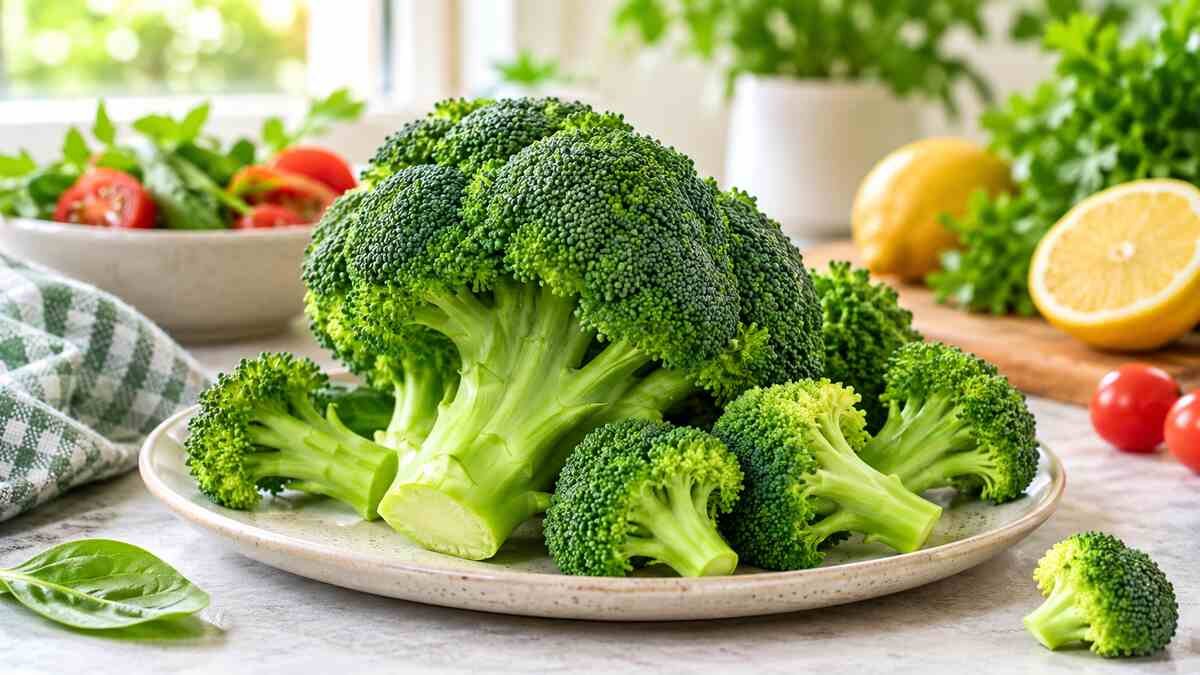

Broccoli is more than a nutritious green vegetable. It contains potassium, fiber, and beneficial plant compounds that can contribute to overall cardiovascular health. So, is broccoli good for high blood pressure? For most people, it is a healthy addition to a heart-friendly diet.
Its nutrients may help support normal blood pressure regulation, especially when it is part of a pattern that also includes other vegetables, fruits, and whole grains. However, eating broccoli alone is not a proven treatment for hypertension. Research on cruciferous vegetables is encouraging but still limited, and no single food can replace medical care.
In this article, you will learn what broccoli offers, what the research actually shows, how much to eat, and the best ways to prepare it. You will also find important precautions, including guidance for people with kidney disease. For a broader look at produce and blood pressure, see our guide to vegetables and healthy blood pressure.
Is Broccoli Good for High Blood Pressure?
Yes, broccoli can be a healthy food choice for people with high blood pressure. It contains potassium, fiber, and beneficial plant compounds that support a heart-healthy diet. Research suggests that cruciferous vegetables may help support healthy blood pressure, but broccoli alone cannot treat or control hypertension.
The short answer
Broccoli is a good vegetable choice for people managing high blood pressure for several reasons:
- It provides potassium.
- It contains dietary fiber.
- It is naturally low in sodium when prepared without added salt.
- It contains beneficial plant compounds, including vitamin C and carotenoids.
- It can replace less nutritious, high-sodium side dishes.
These traits fit well with the American Heart Association’s heart-healthy eating guidance, which emphasizes vegetables, fruits, and whole grains. You can read more in our overview of the health benefits of broccoli.
Can broccoli actually lower blood pressure?
There is a difference between supporting healthy blood pressure and lowering an elevated reading. Broccoli can contribute to the first goal as part of an overall eating pattern. The evidence does not show that it reliably does the second on its own.
A small clinical trial found a modest blood pressure difference after people ate a mix of cruciferous vegetables. That finding is promising, but it does not establish broccoli as a standalone treatment. The research section below explains the details and limits.
How Broccoli May Support Healthy Blood Pressure
Broccoli contributes several nutrients and plant compounds that are linked to cardiovascular health. No single one of them explains the whole picture. Together, they help make broccoli a useful part of a heart-friendly plate.
1. Broccoli Provides Potassium
Potassium helps the body manage sodium. According to the American Heart Association, the more potassium you eat, the more sodium you lose through urine. Potassium also helps ease tension in blood vessel walls, which supports healthy blood pressure.
For this reason, potassium-rich foods are a core part of the DASH eating plan, which was developed to help manage blood pressure. The NIH Office of Dietary Supplements also notes that many people in the United States get less potassium than recommended.
Broccoli contributes potassium, but it is not among the richest sources. A medium banana, for example, provides about 451 milligrams, according to the American Heart Association. Beans, potatoes, sweet potatoes, and leafy greens are other options, and you can explore more in our list of potassium-rich vegetables.
Important note: Potassium can be harmful for people with kidney disease, conditions that affect how the body handles potassium, or certain medications. If this applies to you, ask your health care professional how much potassium is right for you.
2. Broccoli Contains Dietary Fiber
Fiber supports healthy digestion and helps make meals more satisfying. Diets rich in fiber-containing plant foods are part of the eating patterns most often recommended for cardiovascular health. Broccoli adds fiber with very few calories.
This does not mean that broccoli’s fiber directly lowers blood pressure. The more accurate point is that fiber-rich vegetables help build a balanced dietary pattern. For more ideas, see our guide to high-fiber foods for digestive health.
3. Broccoli Contains Beneficial Antioxidants
Broccoli provides vitamin C and carotenoids, which are antioxidants. Antioxidants help protect cells from oxidative damage, a process that researchers study in relation to cardiovascular health. Learn more in our article on what antioxidants are.
It is important to keep expectations realistic. Eating broccoli has not been shown to reverse arterial damage or prevent heart disease. Antioxidant-rich vegetables are best viewed as one piece of a larger healthy pattern.
4. Broccoli Contains Glucosinolates and Sulforaphane
Broccoli belongs to the cruciferous vegetable family, along with cabbage, kale, and cauliflower. These vegetables contain compounds called glucosinolates, which the body can convert into other active compounds such as sulforaphane. Our guide to cruciferous vegetables covers this family in more detail.
Researchers study these compounds for possible roles in oxidative stress regulation, inflammation-related pathways, and vascular function. The authors of the VESSEL trial noted that glucosinolates have lowered blood pressure in animal studies, while human evidence has been limited. These findings are still emerging and do not establish broccoli as a hypertension treatment.
5. Broccoli Fits Into a Low-Sodium Eating Pattern
Preparation matters as much as the vegetable itself. Plain steamed broccoli, or broccoli with garlic and herbs, adds almost no sodium to a meal. Broccoli covered in salted cheese sauce, or packaged broccoli dishes with added sodium, can be a very different story.
Fresh or plain frozen broccoli can replace high-sodium sides such as fries, canned soups, or seasoned rice mixes. The key takeaway is that the overall meal and its sodium content matter, not only the vegetable. Our article on frozen vegetables explains why plain frozen broccoli is a practical option.
What Research Says About Broccoli and Blood Pressure
Scientists have studied cruciferous vegetables and blood pressure in both clinical trials and large population studies. The results are encouraging, but they come with important limits.
The 2024 VESSEL study on cruciferous vegetables
The VESSEL study was a randomized, controlled crossover trial published in BMC Medicine in September 2024. It tested whether cruciferous vegetables could lower blood pressure compared with root and squash vegetables in adults with mildly elevated blood pressure.
Eighteen adults took part, with a median age of 68. Each person completed two dietary interventions of two weeks each, separated by a two-week washout period. The vegetables were eaten with lunch and dinner, at about 300 grams per day, and the cruciferous group included broccoli, kale, cabbage, and cauliflower.
Twenty-four-hour systolic blood pressure was about 2.5 mmHg lower after the cruciferous vegetable intervention than after the control. Serum triglycerides were also lower. You can read the full report in the open-access paper.
The study has clear limitations:
- It was small, and most participants were women.
- It tested a mix of cruciferous vegetables, not broccoli alone.
- Each intervention lasted only two weeks.
- It cannot show long-term effects.
More research is needed before specific broccoli-related blood pressure recommendations can be made.
What do broader studies say?
A 2023 systematic review and meta-analysis in the European Journal of Nutrition looked at fruit and vegetable intake and the risk of developing hypertension. High combined fruit and vegetable intake was linked to a lower risk. Results for individual vegetables were mixed, although broccoli showed an inverse association in some analyses.
These are observational findings. An association does not prove that eating broccoli directly causes blood pressure to drop. People who eat more broccoli may also differ in other healthy habits.
Does this mean broccoli can treat hypertension?
No. Broccoli may contribute to a healthy eating pattern, but it cannot replace prescribed blood pressure medication, regular monitoring, or other recommended lifestyle changes. Our guide on how to lower blood pressure covers the wider picture.
How Much Broccoli Should You Eat for High Blood Pressure?
There is no official broccoli dose for blood pressure. The following portions are practical examples, not a prescribed treatment.
| Serving | Practical example |
|---|---|
| ½ cup cooked broccoli | Small vegetable side |
| 1 cup raw broccoli | Salad or snack portion |
| 1 cup cooked broccoli | Generous vegetable side |
Can you eat broccoli every day?
Most people can eat broccoli regularly, including daily, if they tolerate it well. Variety still matters, so aim to rotate broccoli with other vegetables such as leafy greens and legumes. Our article on eating broccoli every day goes deeper, and our guide to how many vegetables a day can help you plan.
Does eating more broccoli lower blood pressure faster?
Not necessarily. Larger portions do not guarantee a bigger reduction. Overall dietary pattern, sodium intake, potassium intake, physical activity, and taking medication as prescribed matter much more.
Best Ways to Eat Broccoli for Heart Health
The best preparation is the one you will enjoy and repeat, as long as it keeps added sodium low. Here are some simple options.
1. Steamed Broccoli
Steaming is quick and needs no added fat or salt. Season it with garlic, lemon juice, black pepper, or herbs instead of extra salt.
2. Roasted Broccoli
Toss florets with a small amount of olive oil, garlic, and black pepper, then roast until the edges are lightly browned. Roasting adds flavor without relying on high-sodium sauces. Our guide to olive oil and blood pressure offers more on that ingredient.
3. Raw Broccoli
Add raw florets to salads or serve them with a low-sodium dip. Some people find raw broccoli harder to digest. Our comparison of raw vs. cooked vegetables can help you decide.
4. Broccoli in Soups and Stir-Fries
Add broccoli to homemade vegetable soups, lentil dishes, and stir-fries. Limit salty packaged seasonings, stock cubes, and processed sauces, which can add a lot of sodium quickly. Lentils and beans also pair well, as covered in our article on the health benefits of legumes.
Heart-Healthy Meal Examples
- Steamed broccoli with grilled fish and brown rice.
- Broccoli with lentils and other vegetables.
- Roasted broccoli with chicken and whole grains.
- Broccoli and vegetable soup made with reduced-sodium seasoning.
Possible Side Effects and Precautions
Broccoli is safe for most people. A few situations call for extra care.
1. Gas and Bloating
Broccoli contains fiber and fermentable carbohydrates that may cause digestive discomfort in some people. Try smaller portions, increase fiber gradually, and cook broccoli until tender. Drinking enough water also helps as fiber intake rises.
2. Potassium and Kidney Disease
For healthy people, potassium from food is generally beneficial. The NIH Office of Dietary Supplements states that potassium from food has not been shown to cause harm in people with normal kidney function. People with chronic kidney disease or impaired potassium regulation may need to monitor intake and should follow individualized advice from a healthcare professional.
3. Broccoli and Blood Pressure Medication
Ordinary broccoli consumption is not generally a reason to stop or change blood pressure medication. Never adjust your medication on your own. Some medications affect potassium levels, so discuss your overall dietary potassium with your healthcare professional. The American Heart Association also advises asking before using potassium supplements or salt substitutes.
4. Watch Out for Added Sodium
Heavily salted broccoli dishes, packaged sauces, and processed cheese toppings can raise your sodium intake. Choose fresh or plain frozen broccoli and use low-sodium seasonings. For other food ideas, see our guide to natural approaches for high blood pressure.
Frequently Asked Questions About Broccoli and High Blood Pressure
Does broccoli lower blood pressure naturally?
Broccoli contains nutrients associated with cardiovascular health and can contribute to a heart-healthy eating pattern. However, evidence does not establish ordinary broccoli consumption as a reliable standalone blood pressure-lowering treatment. A small 2024 trial of mixed cruciferous vegetables showed a modest effect.
Is raw or cooked broccoli better for high blood pressure?
Both raw and cooked broccoli can be nutritious. The most important factor is preparing it without excessive salt and including it in a balanced diet. Choose the form you enjoy and digest comfortably.
Is broccoli high in potassium?
Broccoli provides potassium, although it is not among the richest sources. Potatoes, spinach, tomatoes, and legumes are other options. A variety of vegetables will help you reach your potassium goals more easily.
Can I eat broccoli every day if I have high blood pressure?
Most people can include broccoli daily if they tolerate it well. Variety is still important, so rotate it with other vegetables. People with kidney disease should ask a healthcare professional about individualized potassium advice.
Does broccoli help unclog arteries?
No. Broccoli does not unclog arteries or reverse plaque buildup. Its nutrients can contribute to a heart-healthy dietary pattern, but they cannot remove existing arterial plaque.
Can broccoli replace blood pressure medication?
No. Broccoli is a healthy food, not a substitute for prescribed antihypertensive medication or medical care. Talk with your healthcare professional before making any change to your treatment plan.
Conclusion
Broccoli is a nutritious, non-starchy vegetable that provides potassium, fiber, vitamin C, and beneficial plant compounds. Cruciferous vegetables have shown promising results in some blood pressure research, but broccoli alone has not been established as a treatment for hypertension. Preparing it with less sodium helps it fit a heart-healthy diet, and people with kidney disease may need individualized potassium guidance.
Broccoli can be a smart addition to your diet if you have high blood pressure. Enjoy it steamed, roasted, or added to balanced meals alongside other vegetables, whole grains, and lean protein. Remember that long-term blood pressure management depends on your overall lifestyle and medical care, not one individual food.
For more ideas, explore our guide to the best vegetables for heart health.
Sources
- American Heart Association. How Potassium Can Help Control High Blood Pressure
- American Heart Association. Managing Blood Pressure with a Heart-Healthy Diet
- Connolly EL, et al. Cruciferous vegetables lower blood pressure in adults with mildly elevated blood pressure in a randomized, controlled, crossover trial: the VESSEL study. BMC Medicine. 2024;22:353. Full text
- Madsen H, Sen A, Aune D. Fruit and vegetable consumption and the risk of hypertension: a systematic review and meta-analysis of prospective studies. European Journal of Nutrition. 2023;62:1941-1955.
- National Institutes of Health, Office of Dietary Supplements. Potassium Fact Sheet for Health Professionals
- National Institutes of Health, Office of Dietary Supplements. Potassium Fact Sheet for Consumers
- National Heart, Lung, and Blood Institute. DASH Eating Plan
Medical Disclaimer: This article is for general educational purposes only and is not a substitute for professional medical advice, diagnosis, or treatment. Always talk with your doctor or another qualified healthcare professional about your blood pressure, diet, and medications before making changes.